Tata Avinya Spotted: The Future of Indian Electric Mobility Breaks Cover
By Lakshya Rana
Updated: July 20, 2026, 11:15 AM IST
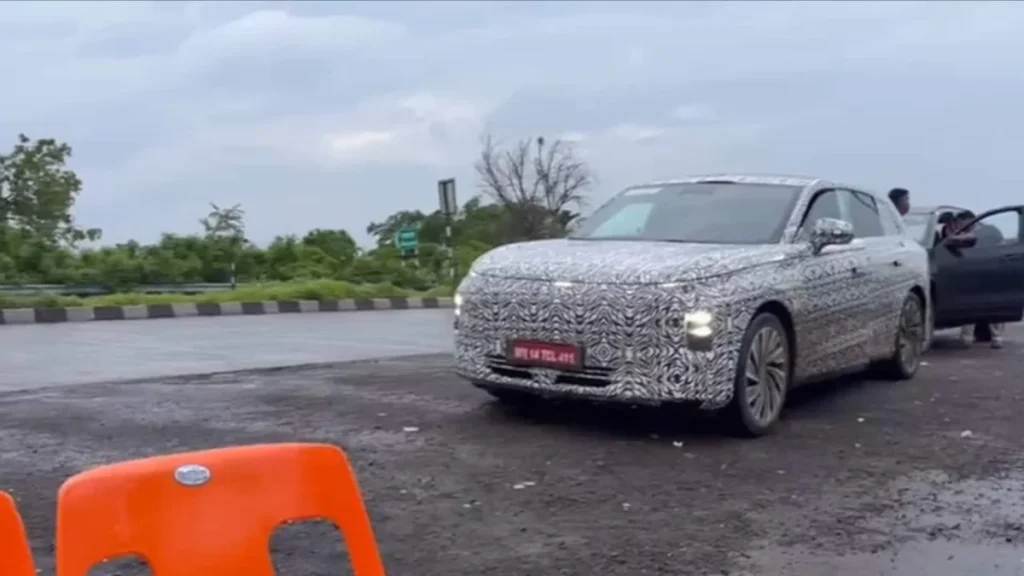
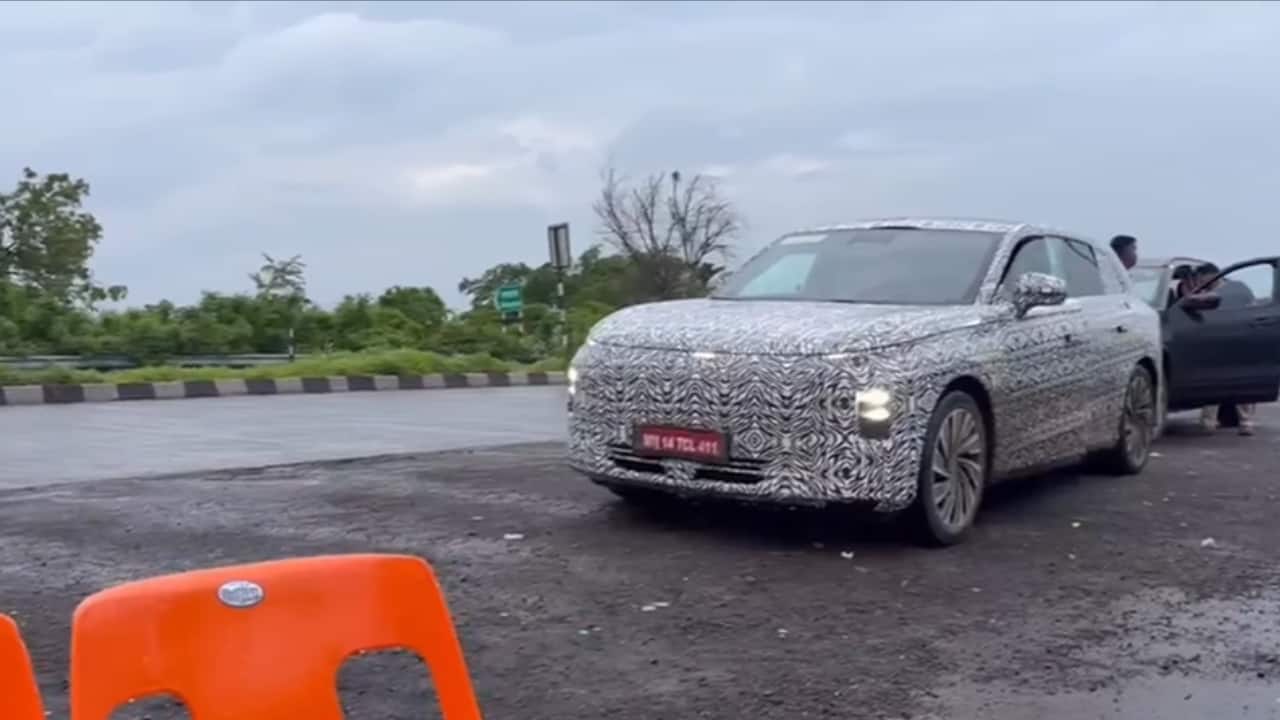
The Indian electric vehicle (EV) landscape is bracing for a tectonic shift as Tata Motors’ long-awaited flagship, the Avinya, has been spotted undergoing road tests for the first time. The sighting, captured by automotive enthusiasts, confirms that the homegrown automaker is moving rapidly toward the production phase of its most ambitious electric project to date. With the Avinya representing Tata’s dedicated "Pure EV" architecture, its appearance on public roads serves as a significant milestone in the company’s mission to redefine premium electric mobility.
The Design Evolution: A Silhouette of Modernity
Even under the heavy layers of camouflage, the test mule of the Tata Avinya reveals a design philosophy that departs significantly from the brand’s existing internal combustion engine (ICE) conversions, such as the Nexon EV or the Curvv EV. The most striking features visible on the test vehicle are its elongated wheelbase and a notably short front overhang.
These design choices are not merely aesthetic; they are inherent benefits of the dedicated "Born Electric" skateboard platform upon which the Avinya is built. By pushing the wheels to the corners of the chassis, Tata engineers have maximized the cabin space, promising a lounge-like experience for occupants. The roofline slopes gently toward the rear, lending the vehicle a sophisticated, fastback-crossover silhouette that balances aerodynamic efficiency with a premium stance. This design language aligns with the concept model unveiled previously, suggesting that the production version will remain remarkably faithful to the original, futuristic vision showcased by Tata Motors.
Chronology: The Journey to the Avinya
The road to the Avinya has been a meticulously planned evolution. To understand the significance of this test sighting, one must look at the timeline of Tata Motors’ electric transformation:
- April 2022: Tata Motors officially unveiled the ‘Avinya’ concept, derived from the Sanskrit word for "Innovation." The company outlined its vision for a new breed of EVs that prioritize technology, space, and range.
- Late 2023: Tata Motors confirmed the development of a dedicated EV platform, internally dubbed the ‘EMA’ (Electrified Modular Architecture), capable of supporting high-range batteries and advanced autonomous driving features.
- 2024-2025: Throughout this period, Tata shifted its focus toward securing supply chains for battery cells and finalizing the software architecture, partnering with global tech giants to integrate AI-driven cabin features.
- July 2026: The first production-ready test mule is spotted on public roads, signaling the transition from the R&D labs to real-world validation.
This chronology highlights a deliberate pace. Tata Motors has resisted the urge to rush the Avinya, choosing instead to develop a platform that can compete with global luxury electric offerings.
Supporting Data: The Engineering Beneath the Skin
The Avinya is built on the EMA platform, a significant departure from the modular platforms used by competitors that are often shared with gasoline models. Key technical specifications expected from the Avinya include:
- Range Capability: The platform is engineered to offer a range of over 500 kilometers on a single charge under real-world conditions, with support for ultra-fast charging—capable of adding 200–300 kilometers of range in less than 20 minutes.
- Cabin Dynamics: The "Born Electric" architecture allows for a completely flat floor, providing legroom comparable to vehicles in higher segments. The interior is expected to utilize sustainable, high-quality materials, reflecting the vehicle’s premium positioning.
- Connectivity and AI: The vehicle will feature a centralized computing unit, enabling over-the-air (OTA) updates, advanced driver-assistance systems (ADAS) Level 2+, and a highly intuitive human-machine interface (HMI).
- Battery Technology: Tata is leveraging its partnership with Agratas (the Tata Group’s battery manufacturing arm) to ensure cost-effective, high-density lithium-ion cells that are optimized for Indian climatic conditions.
Official Responses and Strategic Intent
While Tata Motors maintains a "no comment" stance on specific prototype features, the company’s leadership has consistently highlighted the Avinya as the "crown jewel" of their EV portfolio. During recent investor calls, management noted that the Avinya project is critical for achieving their target of 30% to 50% penetration of EVs in their total sales volume by the end of the decade.
"The Avinya is not just a car; it is a statement of our capability to compete globally," a senior spokesperson for Tata Passenger Electric Mobility (TPEM) recently noted. The company aims to position the Avinya above its current SUV lineup, essentially creating a new "luxury-mainstream" segment that bridges the gap between mass-market EVs and imported premium electric vehicles.
Implications for the Indian Automotive Industry
The spotting of the Avinya has profound implications for both the industry and the consumer:
1. Market Segmentation
The Avinya will force a recalibration of the Indian EV market. Currently, most EVs in India are mid-size SUVs or entry-level hatchbacks. The Avinya’s dimensions and design suggest it will occupy a segment that offers the space of an SUV with the luxury of a sedan, potentially disrupting the market share of traditional luxury ICE vehicles.
2. Charging Infrastructure Demand
As Tata introduces a vehicle with a significantly larger battery capacity and faster charging requirements, it puts pressure on the public charging infrastructure. Tata Power is already responding to this by scaling up the installation of high-capacity DC fast chargers along major highway corridors, ensuring that the Avinya is not restricted to urban environments.
3. The "Born Electric" Advantage
The success of the Avinya will validate the "Born Electric" strategy. If successful, it will likely prompt other manufacturers—such as Mahindra with its upcoming BE series and Hyundai-Kia with their E-GMP platform—to accelerate their own dedicated EV lineups. It signals that the Indian market is finally ready to move beyond "compliance EVs" and embrace vehicles designed from the ground up for electrification.
4. Supply Chain Independence
By developing the Avinya, Tata is effectively localizing the entire value chain of high-end EVs. From software development in Bangalore to battery manufacturing in Gujarat, the Avinya is a testament to the "Make in India" initiative, reducing reliance on imported components and shielding the company from global supply chain shocks.
Conclusion: A Turning Point
The sight of the Tata Avinya test mule is more than just a momentary headline; it is a glimpse into the future of Indian engineering. As the car undergoes its rigorous testing regime—which will include extreme weather trials, high-speed stability testing, and software stress tests—the anticipation will only grow.
For the consumer, the Avinya represents the arrival of a vehicle that promises to balance world-class technology with the ruggedness and reliability expected of the Tata badge. As the launch date approaches, the industry watches closely. If the Avinya delivers on its promise, it will cement Tata Motors’ position not just as a leader in the Indian EV space, but as a formidable player on the global stage.
The "Born Electric" era has arrived, and if the silhouette of this camouflaged mule is any indication, the future of the Indian road looks both sleek and incredibly promising.