NIA Nabs Fugitive PFI Leader in Sreenivasan Murder Case: A Deep Dive into the Probe and Implications
By Investigative Desk
The National Investigation Agency (NIA) has achieved a significant breakthrough in its ongoing crackdown on the now-banned Popular Front of India (PFI), successfully apprehending a high-ranking functionary linked to the 2022 murder of an RSS activist in Kerala. The arrest marks a pivotal moment in a protracted investigation that has spanned international borders and highlighted the sophisticated, clandestine networks allegedly maintained by the organization.
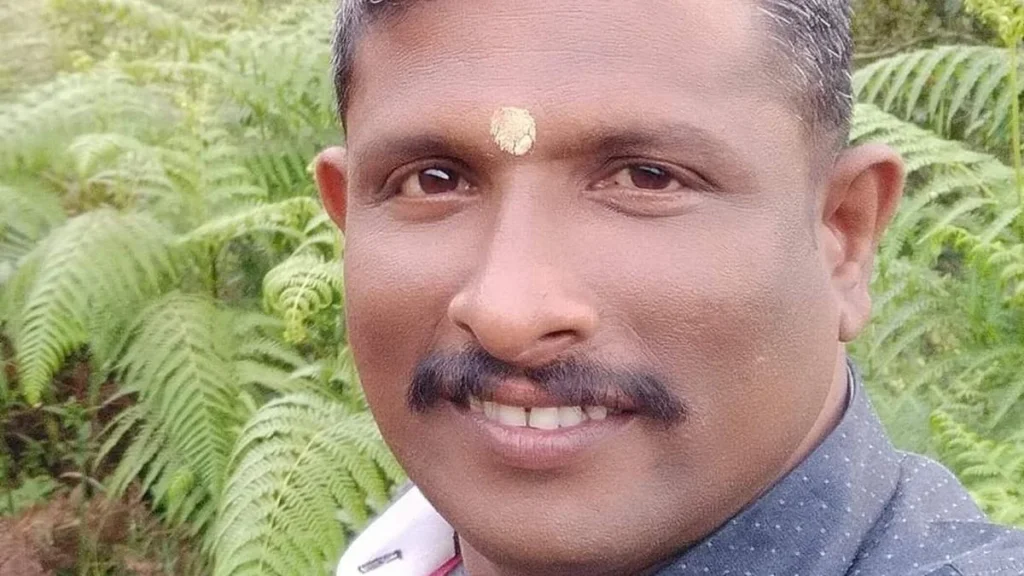
Muhammadali K.P., the PFI’s district president for Palakkad, was detained by federal investigators at the Indira Gandhi International (IGI) Airport in New Delhi on Thursday morning. He was intercepted upon his arrival from Riyadh, Saudi Arabia, effectively ending a four-year period of evasion during which he remained in hiding.
The Arrest and Judicial Remand
Following his apprehension, Muhammadali was produced before P.K. Mohandas, the Special Judge presiding over NIA cases in Kochi. The proceedings, conducted at the judge’s residence on Thursday night, resulted in a 15-day judicial remand for the accused. This legal maneuver ensures that the NIA retains custody and jurisdiction as it continues to piece together the broader conspiracy behind the fatal attack.
The arrest was the culmination of an extensive intelligence-led operation. Muhammadali had been a primary target for the agency, which had previously issued an Interpol Red Notice against him. Furthermore, the NIA had placed a bounty of ₹3 lakh on his head, reflecting his importance in the organizational hierarchy and his alleged role in the criminal conspiracy.
Chronology of the 2022 Palakkad Murder
The incident that triggered this high-stakes manhunt occurred on April 16, 2022, when Sreenivasan, a prominent RSS activist, was hacked to death in Palakkad. The brutality of the murder sent shockwaves through the region, leading to significant communal tension and immediate intervention by the state police.
- April 16, 2022: Sreenivasan is murdered in Palakkad. The investigation is initially launched by the Palakkad Town South Police.
- Initial Probe: Local authorities identify multiple suspects, leading to a series of swift arrests that uncover a deep-seated conspiracy.
- Transfer of Investigation: Due to the national security implications and the suspected involvement of a larger, organized network, the Union Ministry of Home Affairs orders the NIA to take over the case.
- The 2022-2026 Period: The NIA expands the scope of the investigation, uncovering evidence of a coordinated effort by PFI cadres to commit targeted killings.
- July 2026: Muhammadali K.P. is tracked and apprehended at the IGI Airport, bringing the total number of arrests in the case to 67.
The Alleged Conspiracy: "Vision 2047"
The NIA’s charge sheet against Muhammadali and the 64 other previously arrested suspects paints a chilling picture of an organization allegedly operating with a singular, radicalized goal. According to official agency statements, the murder of Sreenivasan was not an isolated act of violence but a calculated move to destabilize social cohesion.

The NIA alleges that PFI cadres were acting under a broader mandate to create a communal divide, utilizing violent extremism as a tool to advance their "nefarious agenda" of establishing Islamic Rule in India by 2047. The investigative findings suggest that the accused were part of an organizational structure that harbored, financed, and facilitated the execution of targeted assassinations to "unleash terror" across the country.
Supporting Data: The Scale of the Investigation
The sheer volume of individuals implicated in this case underscores the complexity of the PFI’s network. With 67 arrests made since the 2022 incident, the NIA has been systematically dismantling what it describes as a "hit squad" infrastructure.
The investigation has relied heavily on:
- Digital Forensics: Analyzing encrypted communications between PFI leaders and foot soldiers.
- Financial Trails: Tracking funding sources that allowed fugitives like Muhammadali to sustain themselves abroad for years.
- Cross-Border Cooperation: Working through Interpol channels to locate and extradite or deport suspects hiding in Middle Eastern countries.
The agency maintains that the evidence collected thus far—ranging from physical weapons to organizational meeting logs—establishes a direct link between the local leadership in Palakkad and the higher-level strategic planning committees of the banned organization.
Official Responses and Legal Standing
The arrest has drawn sharp reactions from political stakeholders and legal experts. While the NIA continues to emphasize that the investigation is "ongoing," the legal defense for those involved has frequently challenged the application of the Unlawful Activities (Prevention) Act (UAPA).
The UAPA, a stringent anti-terror law, allows for extended periods of detention and limited bail provisions. By invoking these sections, the NIA has signaled that it views the murder of Sreenivasan as an act of terrorism rather than a simple criminal homicide. Legal analysts suggest that the prosecution’s ability to prove the "conspiracy" element will be the defining factor in whether these high-profile cases result in convictions.
Implications: The Legacy of the PFI Ban
The arrest of Muhammadali is significant not only for the specific case of Sreenivasan but for the wider effort to neutralize the remnants of the PFI following its official ban by the Union government in September 2022.

1. Impact on Radicalization Narratives
The government’s decision to ban the PFI was predicated on its alleged ties to extremist groups and its role in "radicalizing a particular section of society." The ongoing investigation into the 2022 murder serves as a primary evidence base for the government’s stance that the organization posed an existential threat to internal security.
2. Intelligence and Border Security
The fact that a district-level leader managed to flee to Saudi Arabia and remain undetected for four years highlights the challenges faced by intelligence agencies in tracking individuals within the complex web of global migration. The success of this operation signals an improvement in coordination between domestic intelligence and international partners.
3. Regional Stability in Kerala
Palakkad has historically been a flashpoint for political and communal friction. The closure of this case is seen by local authorities as a vital step toward restoring long-term peace in the district. However, the recurring nature of such violence suggests that the underlying socio-political tensions remain a significant concern for state administration.
Conclusion: A Long Road to Justice
As the NIA continues its probe, the judicial process for the 67 arrested suspects remains a focal point for the Indian legal system. For the family of Sreenivasan, the arrest of a key conspirator brings a measure of closure, but for the state, it serves as a reminder of the persistent threat posed by extremist ideologies that operate beneath the surface of mainstream politics.
The next phase of the investigation is expected to focus on the remaining suspects still at large and the potential links between this specific case and other violent incidents across the country. As the trial progresses, the NIA will be under pressure to translate its investigative findings into a robust courtroom case that can withstand rigorous scrutiny, thereby setting a precedent for how the state handles organized ideological violence in the years to come.
Disclaimer: This report is based on information released by the National Investigation Agency and historical records of the case. The legal status of all individuals mentioned is subject to the judicial process in Indian courts.