The Shifting Sands of UPI: Giants Slip as Emerging Players Carve a Niche in India’s Digital Payments Ecosystem
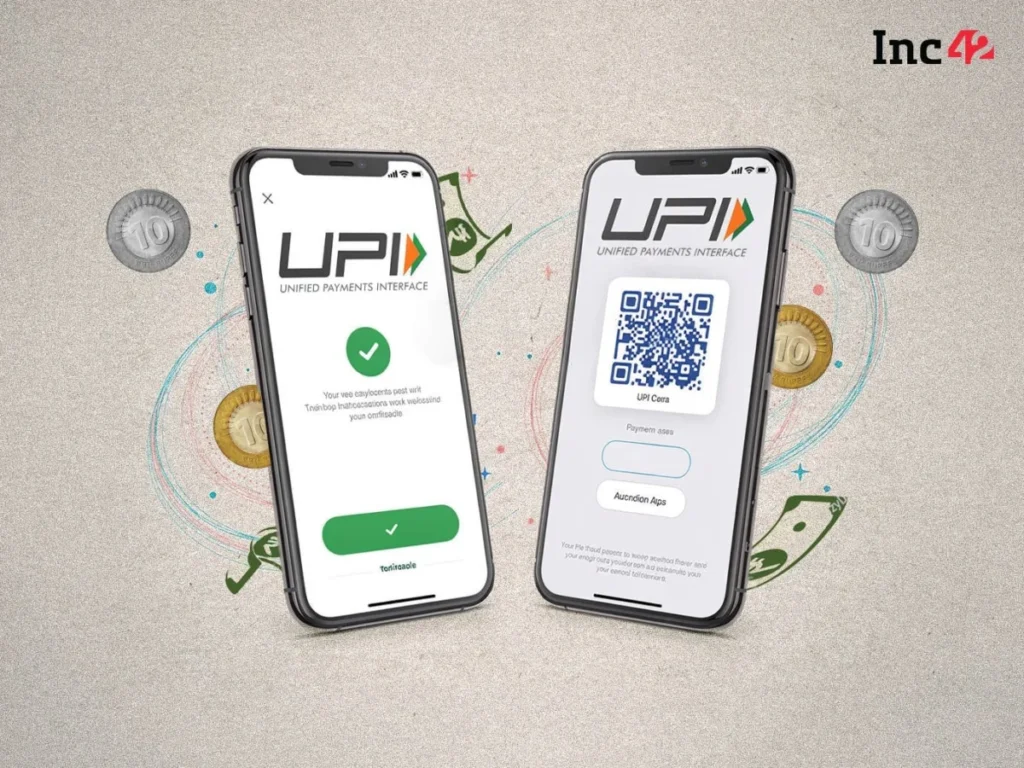
The landscape of India’s Unified Payments Interface (UPI) is undergoing a subtle but significant transformation. While the duopoly of PhonePe and Google Pay continues to command the lion’s share of the market, the month of June revealed cracks in their armor, characterized by marginal market share losses and a burgeoning appetite among consumers for alternative platforms. As the National Payments Corporation of India (NPCI) continues to push for innovation, the competitive dynamics within the ecosystem are becoming increasingly complex.
The June Snapshot: A Shift in Momentum
In June, the UPI ecosystem witnessed a slight cooling-off period, with overall transaction volumes declining by 2.1% to 22.72 billion, down from the 23.20 billion recorded in May. Total transaction value followed a similar trajectory, contracting by 3.3% to ₹28.92 Lakh Cr from ₹29.90 Lakh Cr the previous month.
Amidst this broader market contraction, the distribution of market share saw interesting movements. While industry behemoths PhonePe and Google Pay experienced a slight dip in their dominance, smaller, agile players like Navi and super.money managed to capture additional ground.
Navi and super.money: The Rising Challengers
Sachin Bansal-led Navi has been a notable success story in this shift. In June, Navi processed 84.3 crore transactions, amounting to a total value of ₹43,948.6 crore—a 2.2% increase from the 82.4 crore transactions (worth ₹43,601.7 crore) seen in May. This performance allowed Navi to secure a 0.1 percentage point (pp) gain in market share.
Similarly, Flipkart-backed super.money demonstrated robust growth. The app recorded 43 crore transactions worth ₹20,252.40 crore in June, compared to 41.9 crore transactions (worth ₹19,422.73 crore) in the preceding month. Like Navi, super.money also managed a 0.1 pp expansion in its market share, signaling that consumers are increasingly willing to experiment with newer interfaces that offer distinct value propositions or integrated financial services.
The Giants: PhonePe and Google Pay Lose Ground
The market leaders, while still firmly in control, felt the friction of a diversifying market. PhonePe, which continues to lead the space, recorded 1,048.3 crore transactions in June, with a total transaction value of ₹14.2 Lakh crore. However, its market share dipped by 0.1 pp to 46.4%.
Google Pay followed a similar trend, processing 740.8 crore transactions in June compared to 759.8 crore in May. This decline in volume resulted in a marginal loss of market share, reflecting the growing intensity of the competition as newer players chip away at the edges of the incumbents’ vast user bases.
The WhatsApp vs. CRED Face-off: Volume vs. Value
A particularly interesting development in June was the competitive positioning between WhatsApp and CRED. In a significant milestone, WhatsApp surpassed CRED in both total UPI market share and transaction volume.
WhatsApp processed 15.1 crore transactions worth ₹11,391.85 crore during the month. In contrast, CRED processed 14.2 crore transactions. However, a nuanced look at the data reveals the different user personas these apps cater to: while WhatsApp edged ahead in transaction volume, CRED continued to lead by a massive margin in terms of transaction value. This discrepancy underscores that CRED’s user base, largely composed of high-credit-score individuals, utilizes the platform for high-ticket transactions, whereas WhatsApp is increasingly becoming the preferred tool for high-frequency, smaller-value payments.
Chronology of Market Shifts (May to June)
- Early June: Initial data from the NPCI indicates a general dip in total UPI transaction volumes across the industry, attributed to seasonal spending patterns and broader economic adjustments.
- Mid-June: Emerging players report steady growth in transaction counts, defying the industry-wide downward trend, which sparks conversations among industry analysts about "app fatigue" among users of the legacy dominant players.
- Late June: Data reveals that while the top two players saw volume contraction, the "challenger" apps—Navi and super.money—showed positive growth trajectories.
- End of Month: WhatsApp’s surge past CRED in transaction counts marks a pivot point in the messaging-to-payment app adoption cycle, solidifying its position as a major contender for the third or fourth tier of market share.
The "UPI Meta" Proposal: A Catalyst for Controversy
As the market dynamics shift, the NPCI has introduced a game-changing framework known as "UPI Meta" or "UPI Checkout." This proposed system aims to streamline the online payment experience by allowing users to save their preferred UPI ID and bank account details directly with a merchant.

The Mechanics of UPI Checkout
Currently, a user initiating a payment on an e-commerce platform is redirected to their chosen UPI app (like PhonePe or Google Pay). Under the proposed UPI Meta framework, this redirection process would be eliminated. A user would authenticate their payment directly at the merchant checkout point using a UPI PIN or biometric verification. The goal is to reduce latency, minimize transaction failures caused by app-switching, and create a frictionless "one-click" experience.
The Opposition: A Threat to Competition?
The proposal has not been met with universal acclaim. Smaller UPI players have voiced significant concerns, arguing that the implementation of UPI Meta could inadvertently solidify the dominance of the existing duopoly.
The argument is twofold:
- Onboarding Advantage: Smaller players fear that during the initial setup of the UPI Meta service, users will default to the most familiar apps—PhonePe or Google Pay. Once a user links their bank account to a merchant via a dominant app, the "switching cost" becomes high, making it nearly impossible for smaller apps to acquire those users later.
- Market Consolidation: Critics argue that if the "payment app" becomes invisible to the end-user, the brand equity that newer players are working hard to build will be diluted. This could lead to a scenario where the "middle-man" apps become redundant, potentially centralizing power further into the hands of the largest players who have the deepest integration with merchant ecosystems.
Implications for the Future of Indian Fintech
The June performance data and the subsequent debate over UPI Meta represent a defining moment for the Indian digital payment sector. Several key implications emerge:
1. The End of the "Winner-Takes-All" Growth Phase?
For years, the UPI market was defined by rapid, unchecked growth for the top two players. The recent gains by smaller players, despite a slight decline in the total market, suggest that the Indian consumer is becoming more discerning. Features like integrated lending, better UI/UX, and specific rewards programs are allowing secondary players to carve out sustainable niches.
2. The Battle for High-Value vs. High-Frequency Users
The divergence between WhatsApp and CRED highlights the fragmentation of the market. Future competition will likely be won not by the app with the most users, but by the app that best understands its user segment—whether that is the mass-market user relying on WhatsApp for daily transfers or the affluent professional using CRED for credit-card bill payments and high-value transactions.
3. Policy vs. Innovation
The NPCI faces a delicate balancing act. While the UPI Meta framework is technically superior and aims to improve the user experience, it risks stifling the very competition that the regulator has spent years trying to foster. The industry’s pushback suggests that regulators may need to include "portability" or "choice" features within the UPI Meta framework to ensure that smaller players are not locked out of the next evolution of payments.
4. Regulatory Scrutiny
As the market matures, the NPCI’s role will shift from market creation to market policing. Ensuring a level playing field will be the primary challenge, particularly as the "app-agnostic" future promised by UPI Meta draws closer. Smaller players are calling for transparency in how the "default" payment option is presented to users, hoping to prevent the tech giants from leveraging their market position to cement their UPI dominance.
Conclusion
June has been a month of reflection for the UPI ecosystem. While the numbers show a minor slowdown in overall activity, the underlying trends reveal a market that is far from stagnant. The rise of Navi and super.money, combined with the strategic pivot of messaging platforms like WhatsApp into the payment space, points toward a more competitive and fragmented future.
As India approaches the next phase of digital payment integration, the success of the ecosystem will depend on how regulators navigate the tensions between efficiency and competition. The "UPI Meta" proposal serves as a litmus test for the future: will it empower users with speed, or will it create an insurmountable moat for the industry’s incumbents? For now, the players—both big and small—continue to innovate, compete, and prepare for a landscape where the only constant is change.