As generative artificial intelligence transitions rapidly from experimental prototypes to mission-critical enterprise production environments, engineering teams face a mounting wall of infrastructure complexity. Modern AI agents are no longer simple conversational chat interfaces; they are autonomous, multi-step workflows designed to run continuously for hours or even days. They must maintain complex states, coordinate intricate tasks among multi-agent systems, share localized context securely, and frequently tap into specialized, high-performance computing resources like Graphics Processing Units (GPUs) for data-intensive processing.
To address these architectural bottlenecks, Amazon Web Services (AWS) has officially announced the launch of runtime instances—a powerful new complementary compute option within the Amazon Bedrock AgentCore Runtime ecosystem. Purpose-built to handle demanding, long-running, and complex agent workloads, this new capability provides development teams with persistent, fully managed AWS infrastructure designed to scale alongside modern enterprise automation demands.
Main Facts: What Are Bedrock AgentCore Runtime Instances?
The introduction of runtime instances fundamentally bridges the gap between lightweight, serverless AI orchestration and heavy-duty, stateful infrastructure.
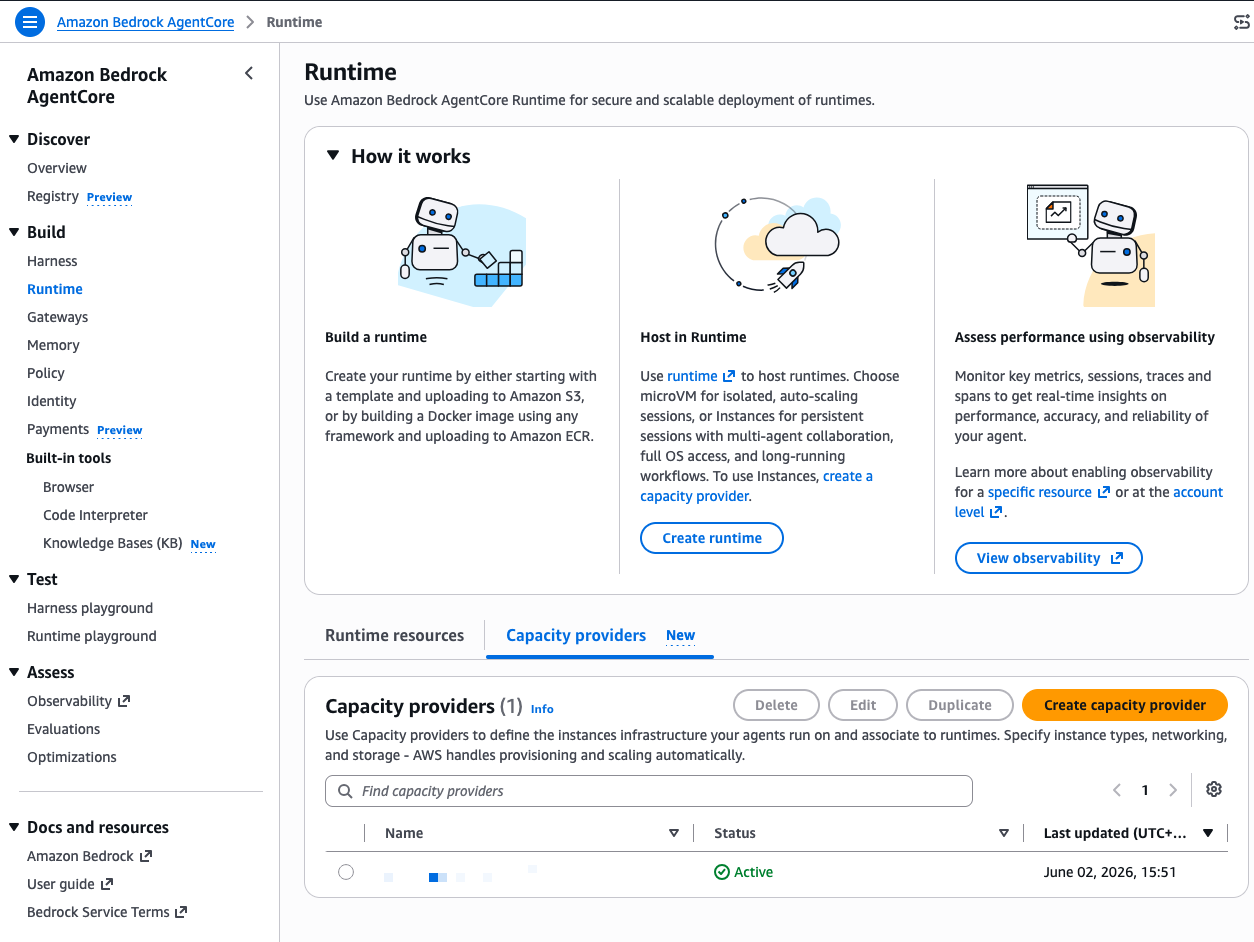
Previously, Amazon Bedrock AgentCore relied primarily on runtime microVMs, which offer fully managed environments capable of supporting invocations for up to eight hours, alongside robust stateful workflows via managed session storage. However, complex workloads often outgrow these boundaries. Workloads requiring continuous multi-day execution, direct access to underlying operating systems, GPU acceleration, or heavy multi-agent synchronization typically forced developers to custom-build, provision, and maintain their own complex EC2 clusters.
With the new runtime instances feature, AWS abstracts this underlying operational overhead. Key operational characteristics include:
AWS-Managed EC2 Infrastructure: Developers can deploy multiple distinct agents onto a single runtime environment, each equipped with its own unique dependencies and artifact types.
Extended Session Persistence: Agents can seamlessly collaborate on the same host within shared sessions that persist for up to 14 days.
GPU Acceleration: Built-in hardware acceleration supports heavy compute tasks such as machine learning training, computer vision, code compilation, and deep security analysis.
Cost Optimization via Hibernate/Resume: Workflows spanning days can be safely paused (hibernated) overnight and instantly resumed with all contextual data completely intact.
Hybrid Architectural Flexibility: Runtime microVMs and runtime instances can operate either independently or in concert through unified AgentCore APIs, allowing lightweight orchestrator microVMs to delegate heavy lifting to specialized worker instances.
Chronology: The Evolution of Bedrock AgentCore Infrastructure
The release of runtime instances marks the latest major milestone in the continuous evolution of Amazon Bedrock’s agent ecosystem:
The Serverless MicroVM Era: AWS initially introduced lightweight microVMs to solve immediate container and stateless execution hurdles, enabling fast-scaling orchestration for short-to-medium-lived agent workflows.
The Enterprise Production Shift: As organizations deployed agents for complex tasks—such as automated software engineering, enterprise auditing, and autonomous data pipelines—the limitations of stateless architectures became apparent. Agents required multi-day operational windows and shared data spaces.
Development and Testing Phase: AWS engineering teams collaborated closely with the AI developer community to test patterns involving shared local file systems, framework agnosticism (supporting tools like CrewAI, LangGraph, and LlamaIndex), and long-term state persistence.
Global Launch: Today, AWS formally rolls out runtime instances globally via the AWS Management Console, supported by the AgentCore CLI, standard AWS CLI tools, and Infrastructure as Code (IaC) templates.
Supporting Data: Deep Dive into Architecture and Demonstration
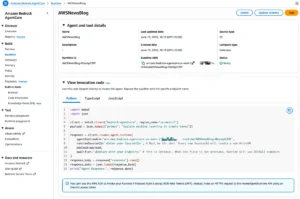
To demonstrate the capability of runtime instances, AWS showcased a multi-agent workflow featuring two independent specialized entities: a Code Writer Agent and a Code Reviewer Agent. Both agents were built utilizing Strands Agents and powered by advanced language models, deployed onto the exact same underlying hardware infrastructure.
1. Establishing the Infrastructure (Capacity Provider)
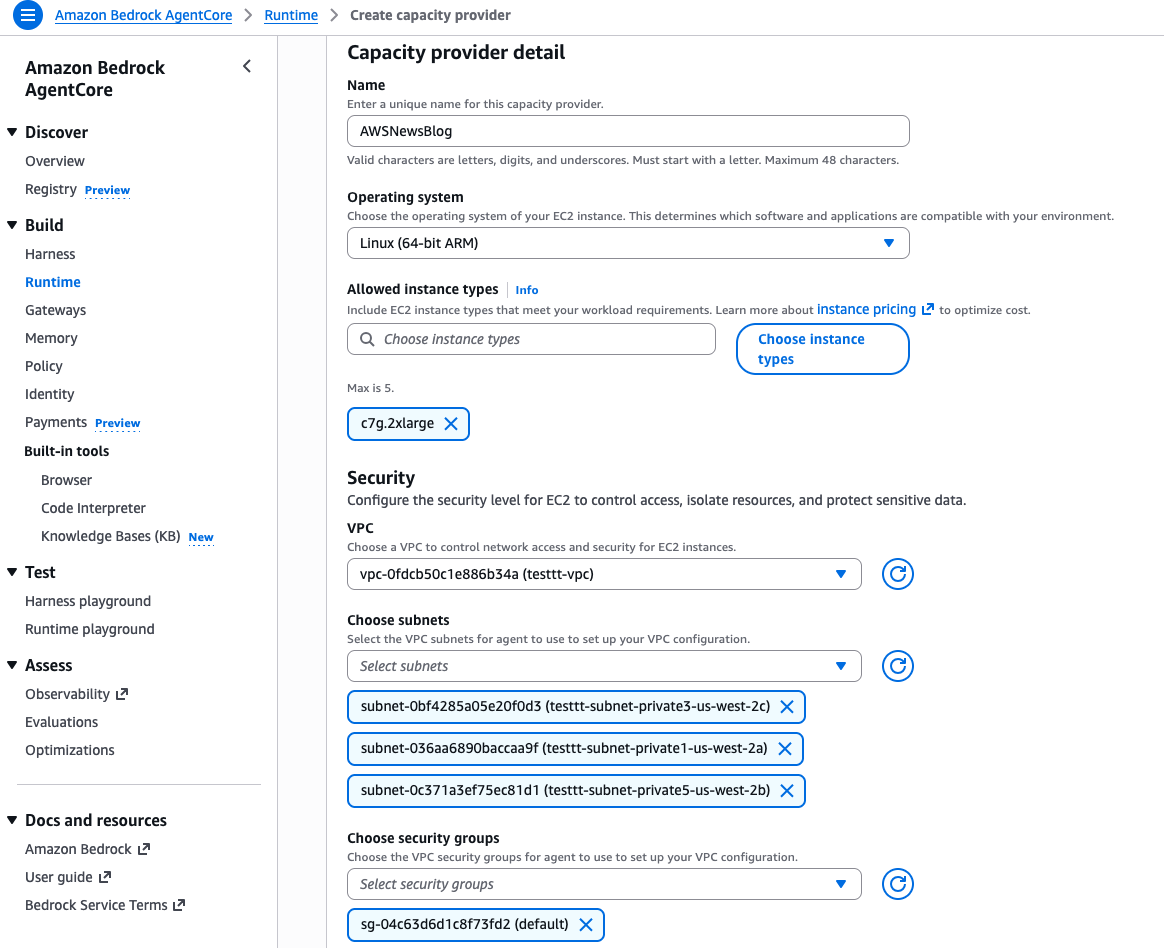
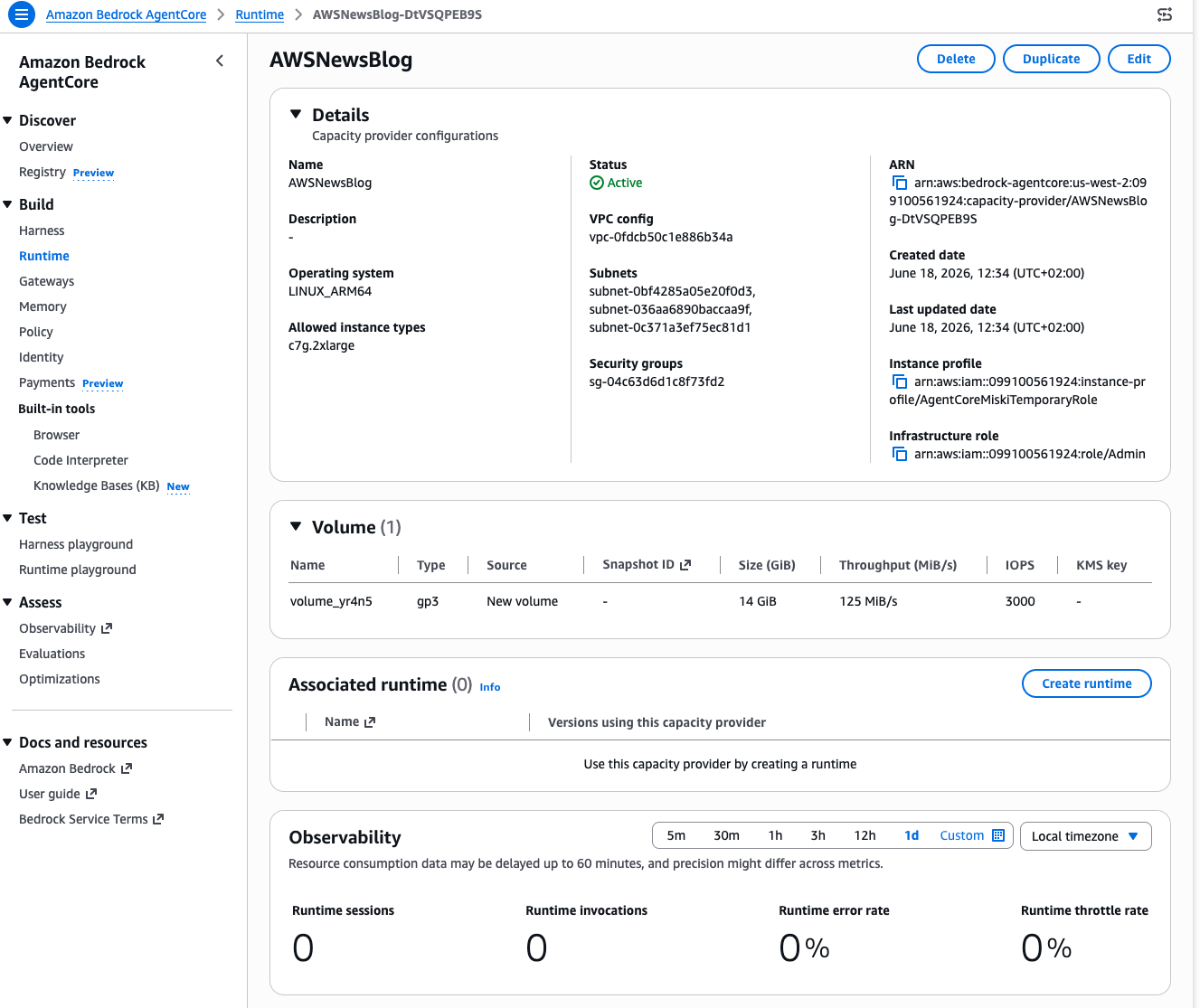
To power the agents, an engineering team first sets up a Capacity Provider within the AWS Management Console:
Operating System: Linux (64-bit ARM)
Instance Type:c7g.2xlarge (providing 8 vCPUs and 16 GiB of memory—plenty of overhead to run multiple collaborating agents side by side).
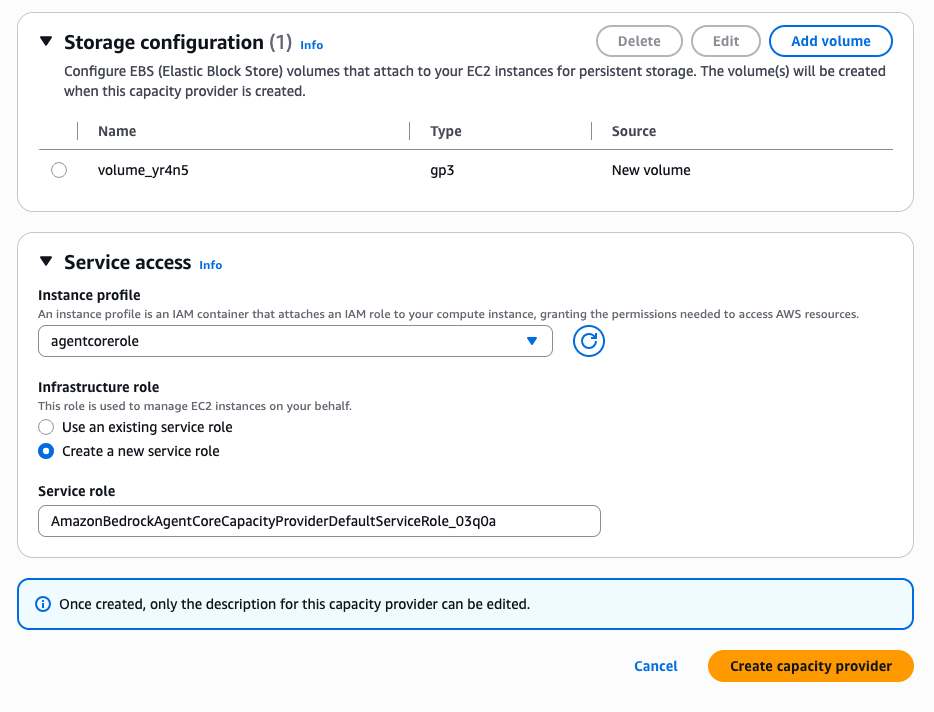
Network/Storage: Configured with designated VPC subnets, security groups, and default gp3 storage volumes backed by an automated service role.
2. Deploying the Agents
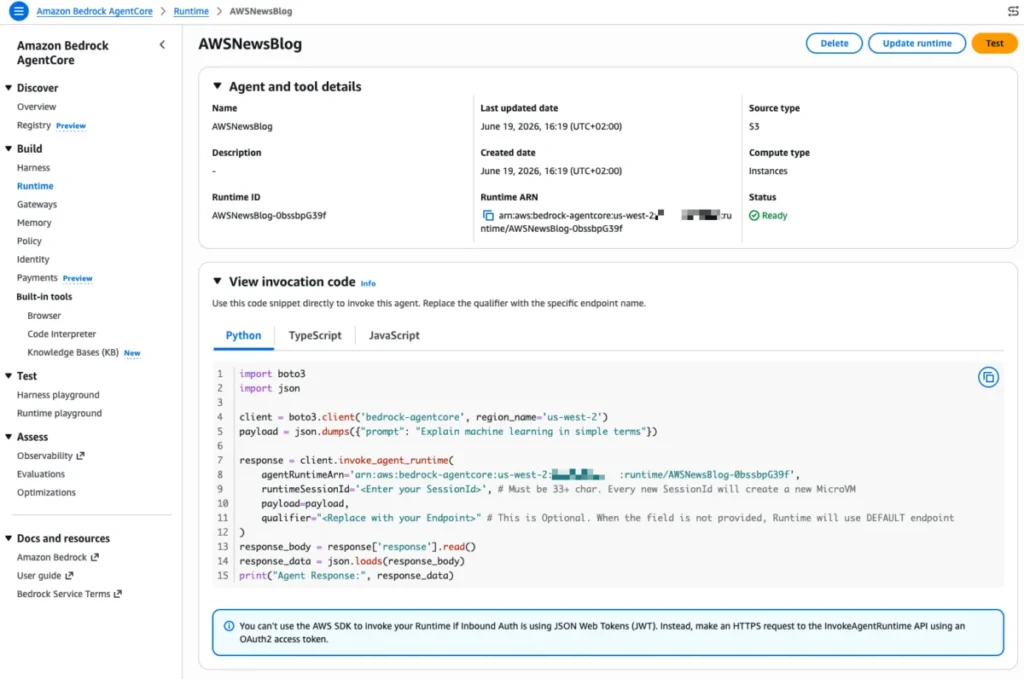
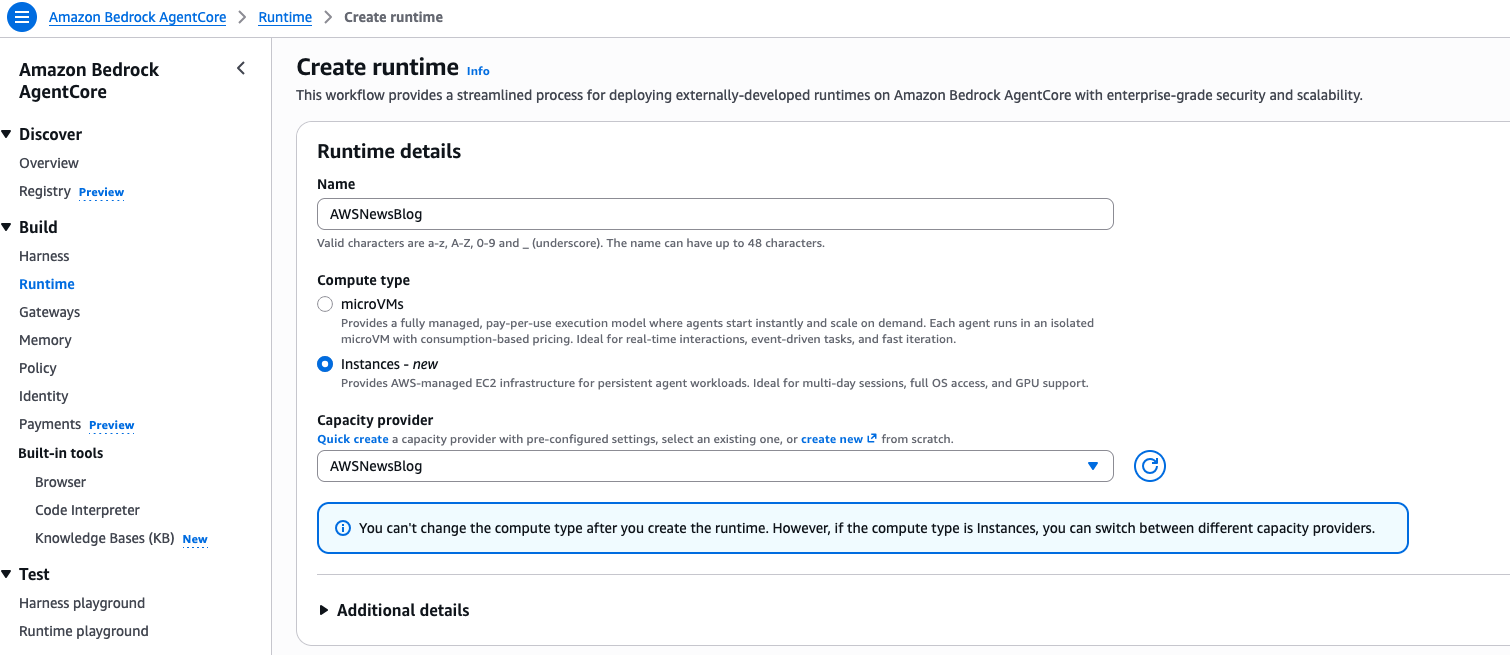
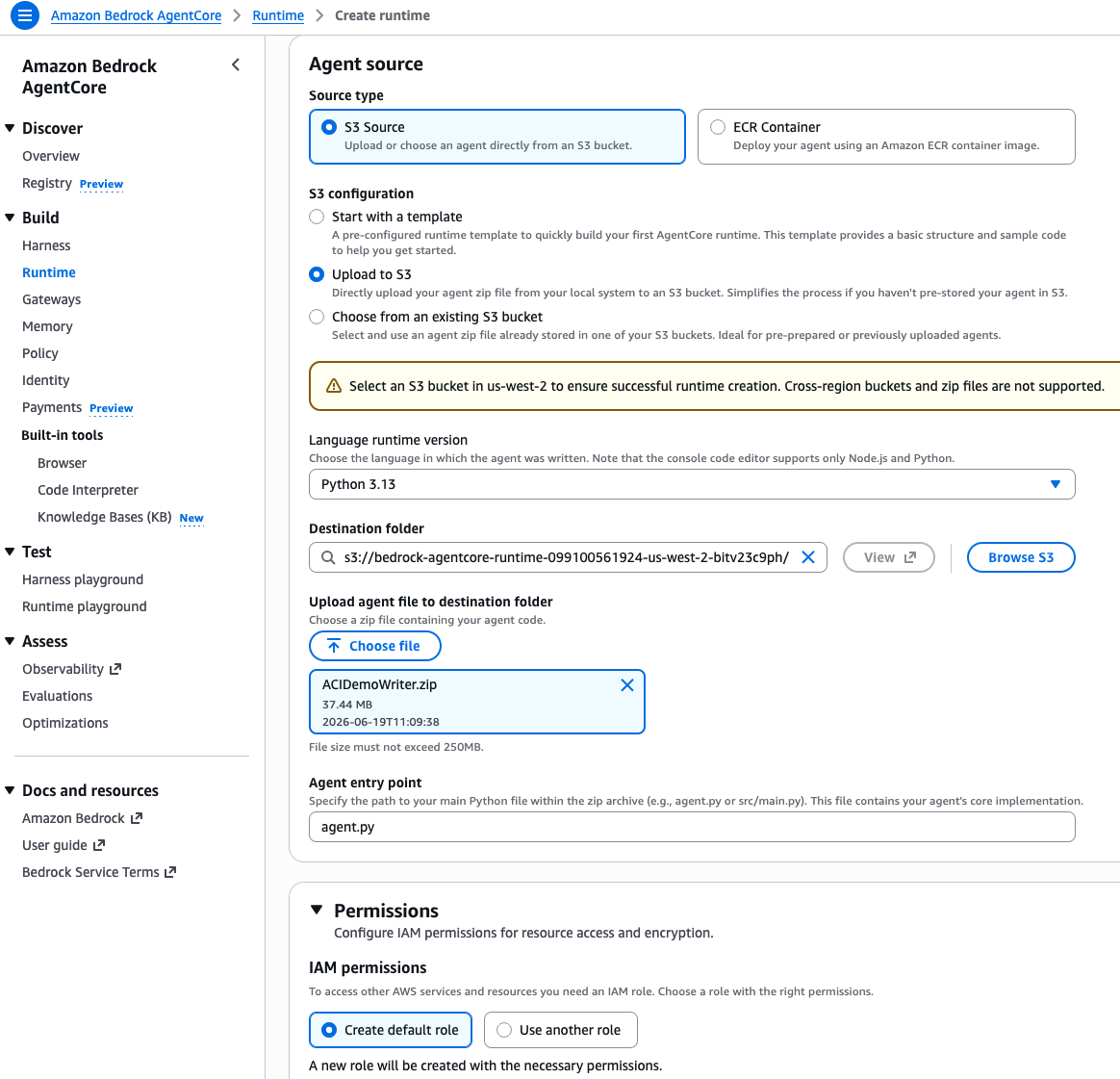
Next, independent runtimes are created using the capacity provider:
Runtime 1 (Writer): An S3-hosted Python 3.13 zip package containing the code-generation logic decorated with @app.entrypoint.
Runtime 2 (Reviewer): A separate S3-hosted package dedicated to automated code review and syntax safety checks.
3. Collaborative Execution via Shared State
Rather than passing heavy data payloads back and forth across network APIs, both agents utilize a shared local directory tied to a unique session identifier (session_id).
When a user prompts the Code Writer agent to "write a fibonacci suite," the agent generates the Python module and writes it directly to the shared session storage path: /tmp/agentcore-session/session_id/code.py
When the user immediately switches to the Code Reviewer agent in the runtime playground—retaining the exact same session_id—the reviewer reads the file directly from the local file system. It performs rigorous analysis, returning detailed insights regarding potential bugs, style improvements, and edge-case handling without a single external API transfer between the agents.
Official Responses and Developer Integration
Industry feedback regarding the launch has focused heavily on the flexibility and reduction of boilerplate engineering required to maintain complex agent networks.
"When moving AI agents from prototype to production, infrastructure challenges multiply rapidly," notes the core AWS engineering team. "By introducing runtime instances, we are handing developers the exact persistent, managed infrastructure they need to build autonomous systems that can reason, collaborate, and execute safely over extended time horizons without reinventing the wheel."
Framework Agnosticism and Minimal Packaging
A core design philosophy of Bedrock AgentCore Runtime is complete flexibility. Developers are not locked into proprietary agent frameworks. Whether building with CrewAI, LangGraph, LlamaIndex, or Strands, the integration footprint remains minimal. Developers simply wrap their execution logic with a standard @app.entrypoint decorator, bundle their application into a zip file or container image, and deploy.
# Simplified Code Writer Agent Example
writer = Agent(
    model="us.anthropic.claude-sonnet-4-5-20250929-v1:0",
    system_prompt=(
        "You are a senior Python engineer. "
        "Given a task, return ONLY a single Python code block — no prose."
    ),
)

@app.entrypoint
def handler(event, context):
    task = event.get("task") or event.get("prompt")
    session_id = getattr(context, "session_id", None) or event.get("session_id")
    session_dir = SHARED_DIR / session_id
    session_dir.mkdir(parents=True, exist_ok=True)

    code = str(writer(task))
    (session_dir / "code.py").write_text(code)

    return "agent": "writer", "wrote": str(session_dir / "code.py"), "code": code
Implications: The Future of Autonomous Enterprise Workflows
The launch of Amazon Bedrock AgentCore runtime instances signifies a mature shift in how cloud providers view artificial intelligence infrastructure. AI is no longer treated merely as an API call to a foundational model; it is increasingly viewed as an active, persistent compute workload requiring traditional systems engineering guarantees—such as persistent storage via Amazon EBS, fine-grained identity and access controls, and robust observability.
Key Strategic Impacts for Enterprises:
Democratization of Multi-Agent Systems: Teams can now easily deploy cooperative multi-agent swarms (e.g., writer, reviewer, automated tester, and documentation generator agents) operating within isolated, secure, and stateful environments.
Drastic Cost Reductions: The ability to hibernate instance-backed agent sessions during idle periods (such as overnight or weekends) ensures organizations only pay for compute when active processing occurs.
Streamlined Compliance and Security: By leveraging native AWS IAM roles, VPC configurations, and direct OS management, enterprises can maintain rigorous security postures while unleashing advanced autonomous workflows.
As organizations prepare to scale AI integration deeper into core business operations, capabilities like runtime instances lay a resilient, enterprise-ready foundation capable of supporting the next generation of autonomous software engineering and automated enterprise decision-making.