Sony’s Bold Leap into Open-Ear Audio: A Comprehensive Review of the LinkBuds Clip
In the rapidly evolving landscape of personal audio, Sony has consistently pushed boundaries, moving from industry-leading noise-canceling headphones to niche lifestyle wearables. Their latest entry, the LinkBuds Clip, marks the company’s first foray into the "clip-style" open-ear market. Designed to prioritize spatial awareness and long-term comfort, these earbuds challenge the traditional in-ear paradigm. However, at a premium price point of $230, the LinkBuds Clip invite a rigorous examination of whether this form factor justifies the cost compared to more conventional, feature-rich alternatives.
Main Facts: The Anatomy of the LinkBuds Clip
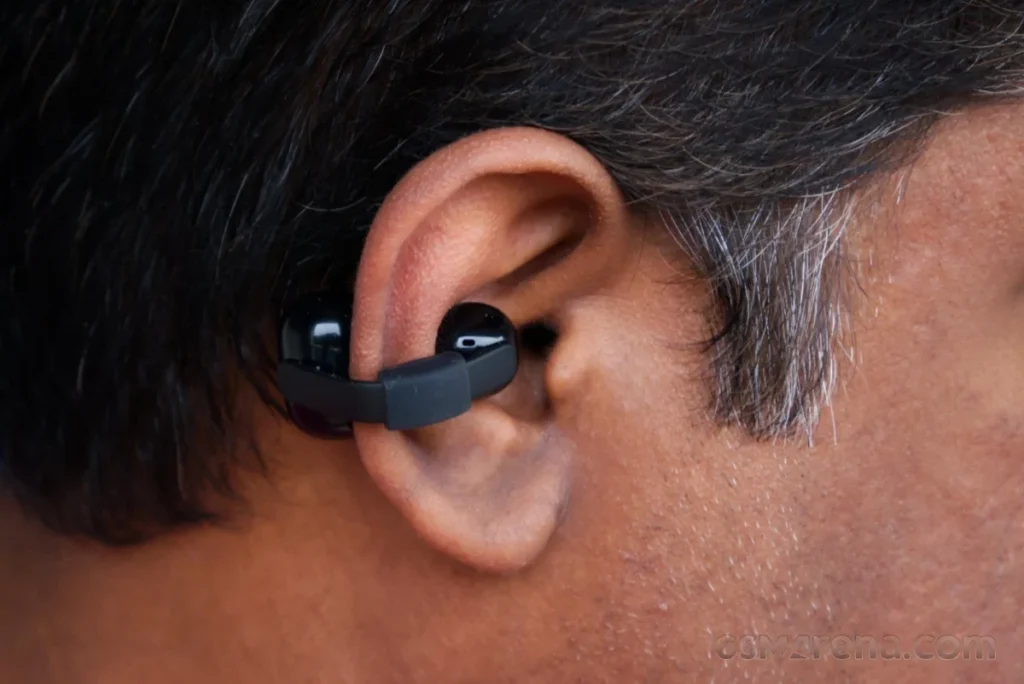
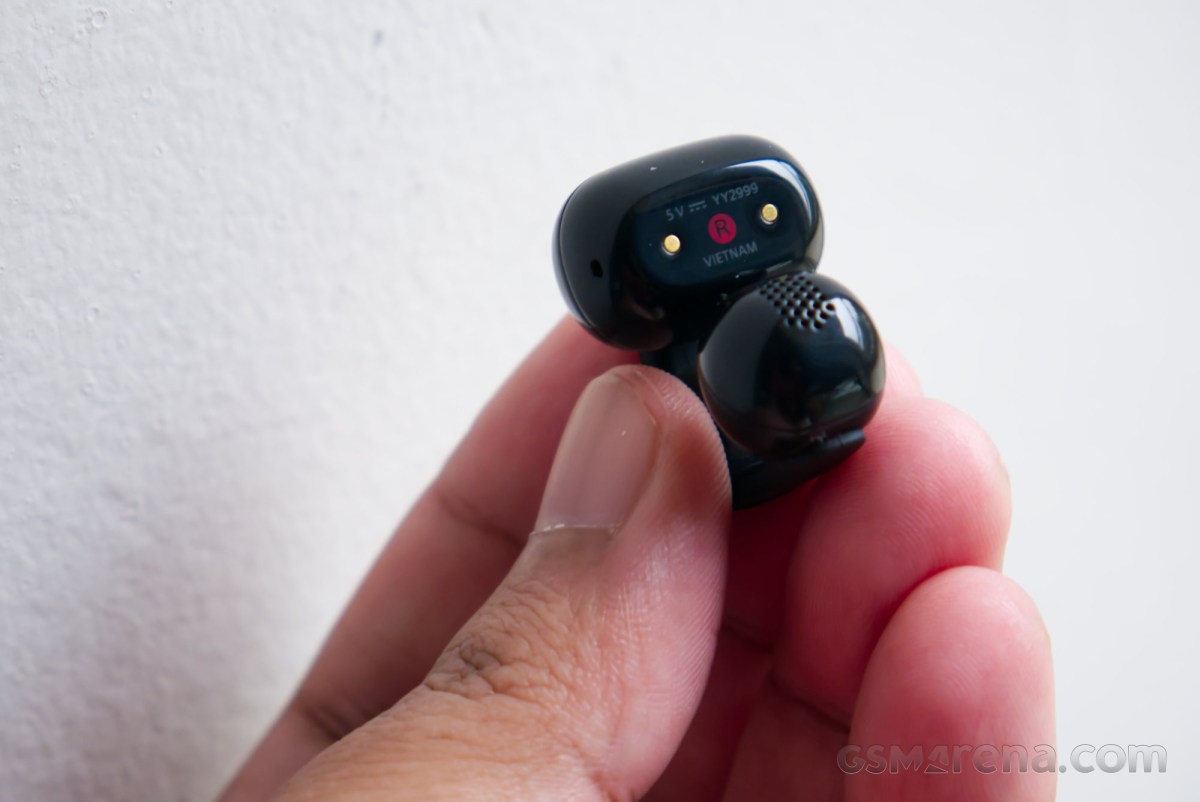
The LinkBuds Clip represent a radical departure from the silicone-tip isolation typical of the flagship WF-1000XM series. These earbuds are engineered to sit on the outer ear, held in place by a unique bridge mechanism.
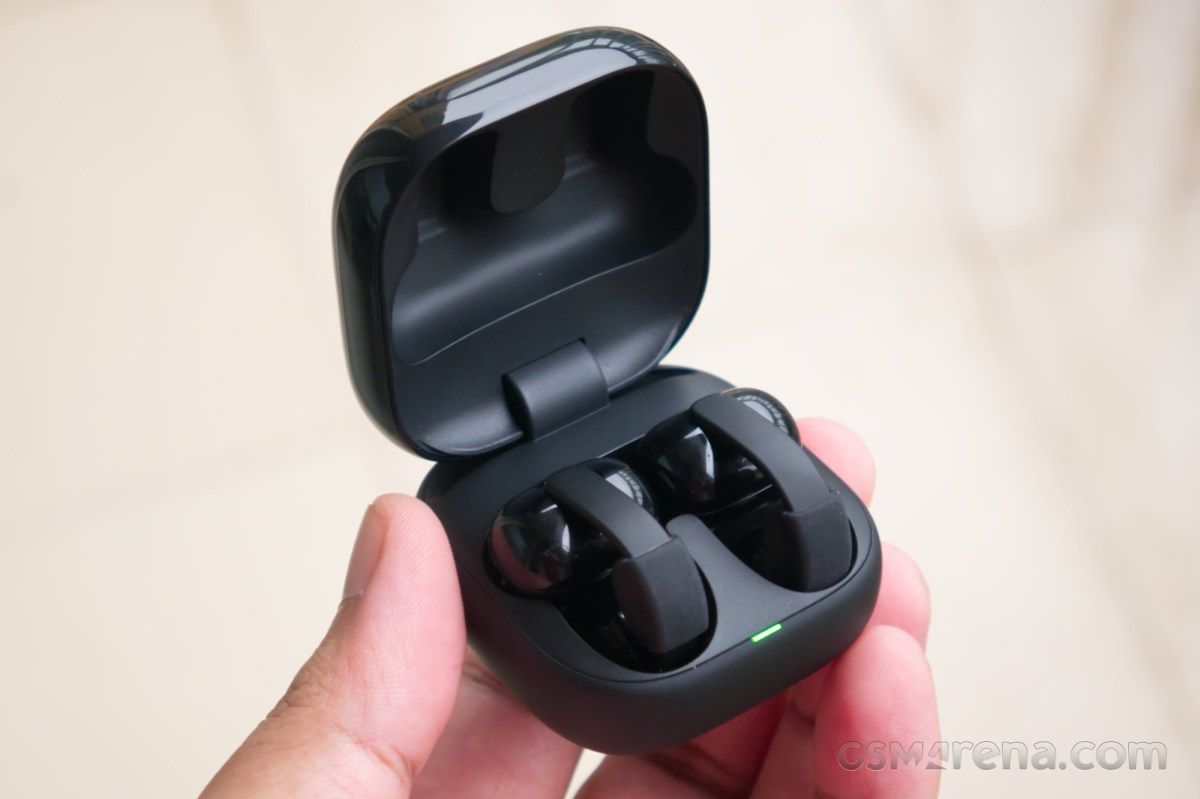
- Design: A ribbon-shaped, geometric bridge replaces the traditional wire-loop design, offering a chic, minimalist aesthetic.
- Audio Hardware: Each unit houses a 10mm dynamic driver, supporting standard SBC and AAC codecs.
- Microphone System: A dual-mic setup paired with a bone conduction sensor and AI-driven machine learning for background noise suppression.
- Battery: Approximately 8–9 hours of continuous playback per charge.
- Build: IPX4-rated for water and sweat resistance (earbuds only).
- Availability: Offered in four distinct colorways: Black, Lavender, Greige, and Green.
Chronology of Development and Usage
Sony’s development cycle for the LinkBuds Clip has been focused on addressing the "pain points" of open-ear audio: stability and fit consistency.
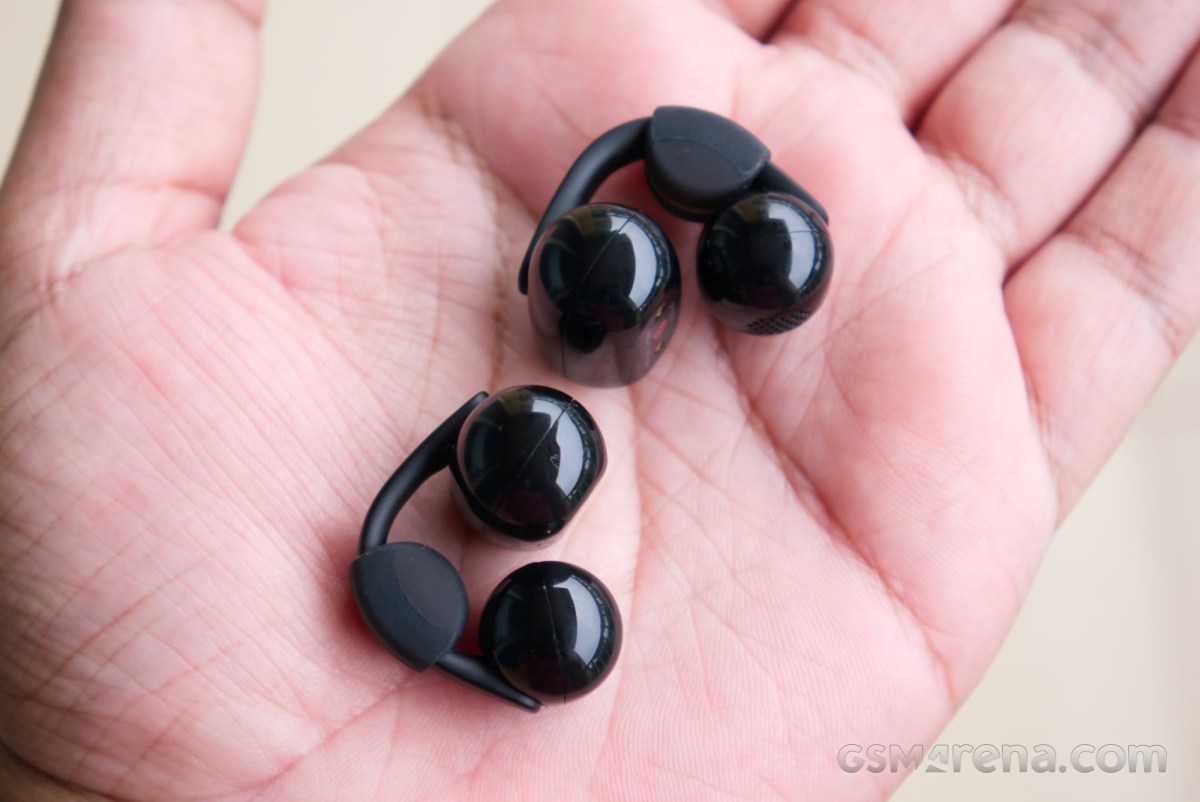
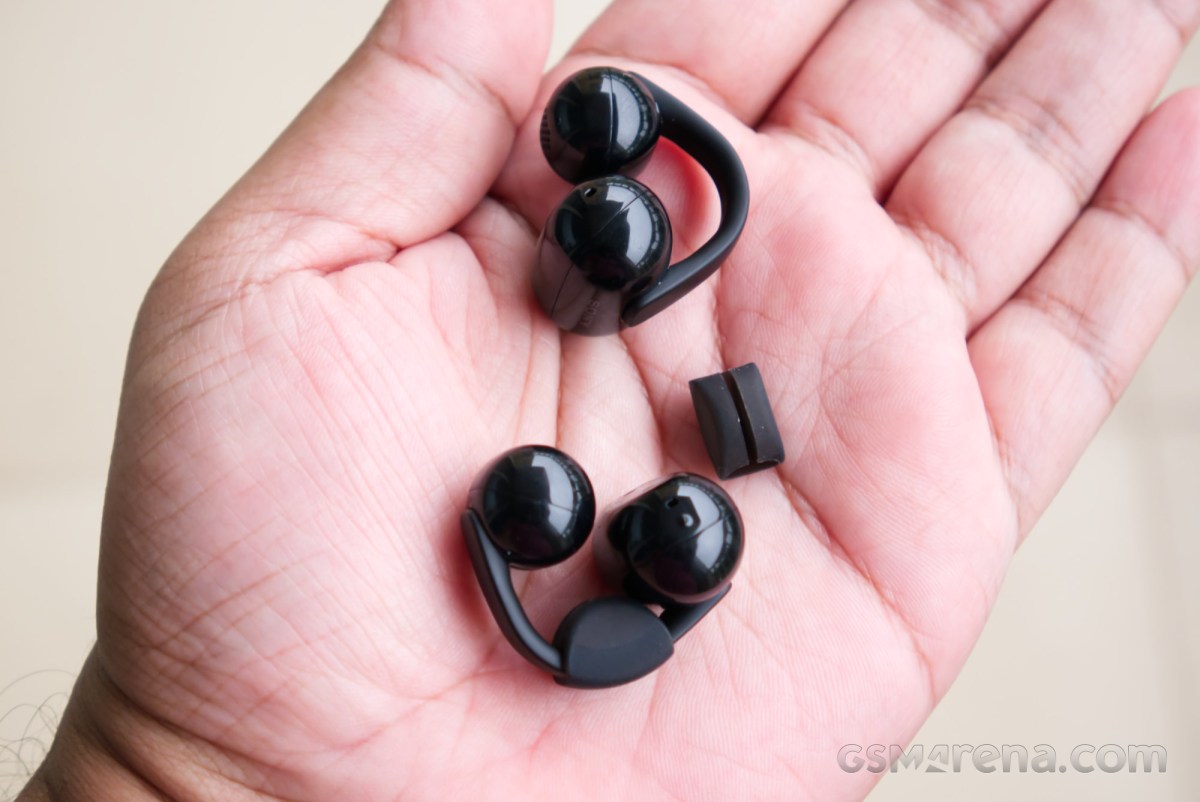
Upon initial testing, the out-of-the-box fit presents a steep learning curve. The bridge is intentionally rigid to ensure the device remains clamped to the pinna. For users with smaller ear structures, the default fit may cause discomfort within 15 to 20 minutes. Recognizing this, Sony includes "Fitting Cushions"—detachable rubber sleeves that alter the tension and grip of the bridge.
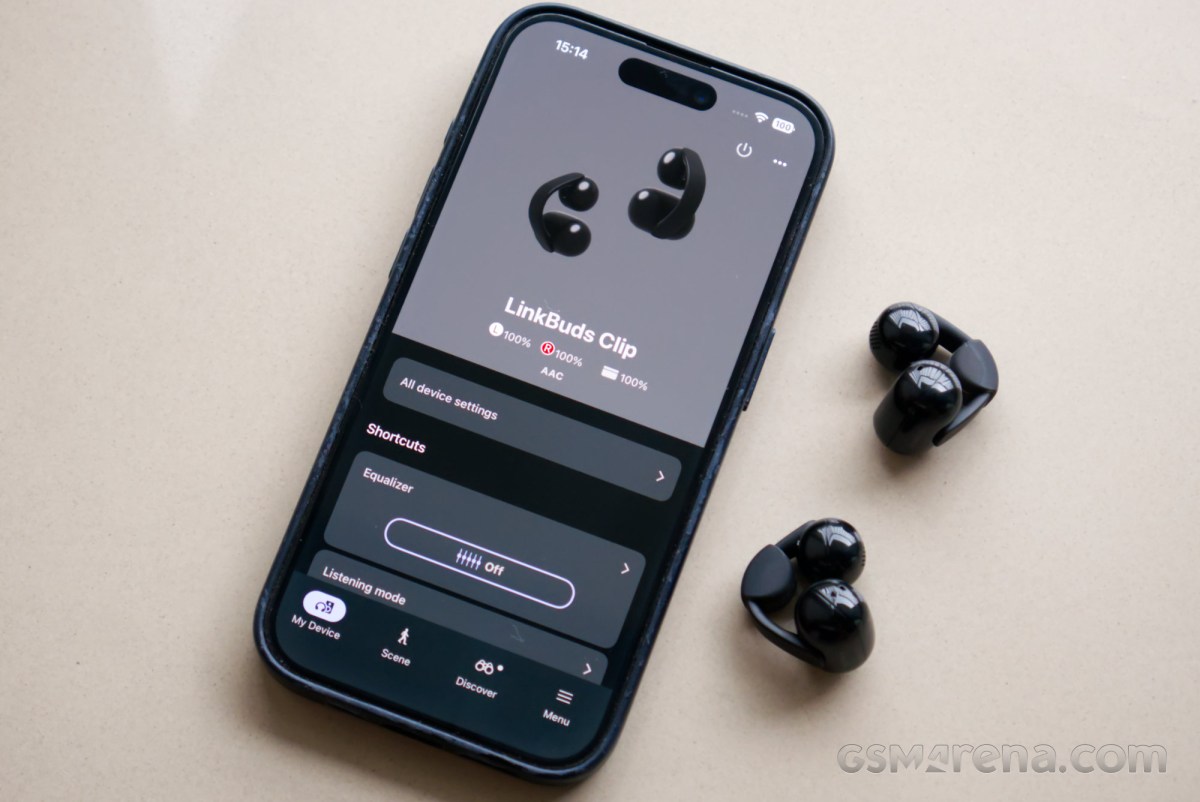
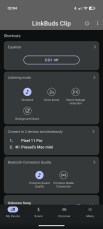
The user experience is managed entirely through the Sony Sound Connect app. Unlike traditional setups, the earbuds lack physical buttons, relying instead on a gesture-based touch interface. The software allows for specific, albeit limited, control customization, which sets the stage for the daily operational experience of the device.
Supporting Data: Performance Metrics
Audio Fidelity and Tuning
The sonic signature of the LinkBuds Clip is, predictably, defined by the physics of the open-ear design. Because the ear canal is never sealed, low-frequency performance—specifically frequencies below 100Hz—is significantly attenuated.
Unlike competitors that aggressively boost bass at low volumes (only to have it drop off as volume increases), Sony maintains a consistent, albeit thin, frequency response. The tuning leans toward a bright, airy profile that emphasizes vocal clarity and instrument separation. While this creates a "spatial" effect where music feels as though it is emanating from a room rather than inside the skull, it sacrifices the visceral punch that audiophiles expect at the $230 price point. Furthermore, as volume increases, the risk of sound leakage becomes a primary concern for those in quiet environments like libraries or office spaces.

Microphone Excellence
Where the LinkBuds Clip truly excel is in vocal reproduction. The integration of a bone conduction sensor, which detects vibrations directly from the user’s jaw and skull, allows the AI algorithm to isolate the voice with remarkable accuracy. In testing, even in moderately noisy environments, the caller’s voice remained crisp and natural. This makes the device a highly capable tool for professionals who spend their day on conference calls and need to remain aware of their surroundings.
Battery and Charging
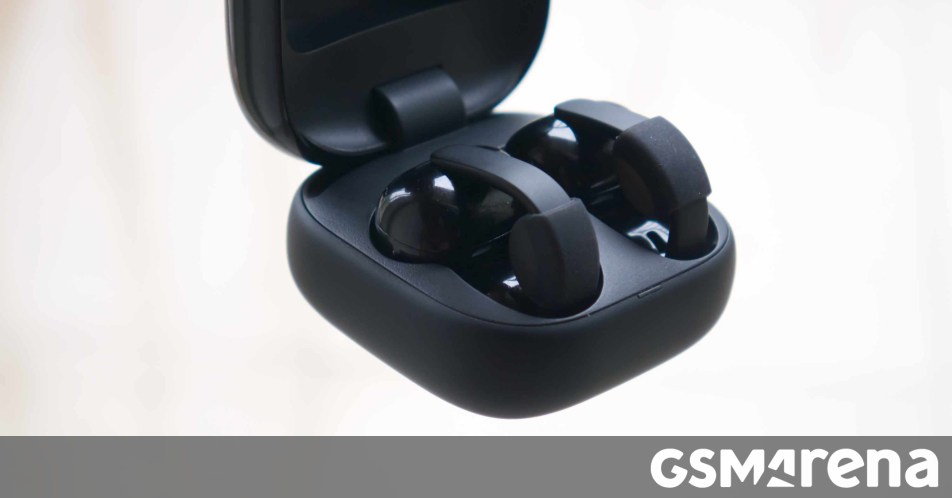
Sony claims 9 hours of battery life. Real-world testing yielded approximately 8 hours and 8 minutes of continuous usage. While this is respectable, the omission of wireless charging for the case—which is shaped like an elegant, albeit slightly confusing, jewelry box—is a glaring oversight for a premium-tier product.

Official Responses and Strategic Positioning
Sony has marketed the LinkBuds Clip as the ultimate solution for "all-day" wearers—people who want a soundtrack to their lives without the "plugged-up" sensation of traditional noise-canceling earbuds.
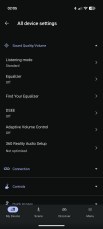
In official literature, Sony highlights the Sound Leakage Reduction mode and the Background Music simulator (which adds acoustic reflections like "Cafe" or "Living Room") as key differentiators. By focusing on these lifestyle features rather than raw technical specifications like LDAC support or active noise cancellation (ANC), Sony is signaling that the LinkBuds Clip are a "lifestyle accessory" first and an "audiophile device" second.

Implications for the Market
The release of the LinkBuds Clip forces a conversation about the trajectory of the wearable market.

The Illusion of Spatial Awareness
There is an ongoing debate regarding the necessity of open-ear designs. Critics argue that modern "Transparency Modes" in flagship ANC earbuds, such as the Sony WF-1000XM5, already provide superior environmental awareness with the added benefit of being able to switch to full isolation when needed. The LinkBuds Clip are, by design, incapable of isolation. This leads to the phenomenon of "auditory masking," where the user might ignore external dangers because their brain is focused on the music, despite the lack of a physical seal.

Price vs. Utility
At $230, the LinkBuds Clip occupy a precarious position. The market for open-ear buds is currently dominated by lower-cost competitors. When a consumer can purchase a set of traditional, industry-leading earbuds for roughly $20 to $50 more, the "form-over-function" trade-off becomes difficult to justify.

The primary implication is that the LinkBuds Clip are a specialized tool. They are not for the commuter who wants silence on a train, nor for the audiophile seeking a rich soundstage. They are for the specific user who finds in-ear pressure physically painful or for the urban cyclist who requires maximum natural environmental awareness that no electronic transparency mode can perfectly replicate.

Final Assessment: A Niche Triumph
The Sony LinkBuds Clip are undeniably a high-quality piece of engineering. The build is sturdy, the microphone technology is class-leading, and the aesthetic is refreshing. However, they are hampered by the inherent limitations of the open-ear form factor.
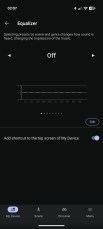
For the average consumer, these earbuds represent a compromise. The inconsistencies in fit, the lack of bass, the reliance on an app that limits gesture customization, and the absence of wireless charging make them a tough sell against Sony’s own flagship lineup.

Conclusion: If you prioritize comfort and need to hear your surroundings at all times—and if you are willing to navigate the quirks of an open-ear fit—the LinkBuds Clip are a premium, well-crafted option. However, for most users, the versatility of a standard in-ear design with a high-fidelity transparency mode remains the superior, more logical investment. As the product enters the market, expect the price to stabilize, making it a more attractive "secondary" pair of headphones for those who already own a primary noise-canceling set.