The Architecture of Attention: Why Psychology, Not Algorithms, Governs Short-Form Video Success
In an era defined by the "scrolling economy," the average digital consumer makes a stay-or-go decision on a video in less than two seconds. As platforms like TikTok, Instagram Reels, and YouTube Shorts dominate global screen time, creators and brands are locked in a relentless arms race to capture fleeting human attention. However, a growing body of research suggests that the secret to viral success lies not in chasing the latest platform algorithm, but in mastering the immutable laws of human psychology.
Content strategist Hilary Billings, founder of Attentioneers and a former member of TikTok’s agency advisory board, argues that the technical aspects of video production—hashtags, trending audio, and posting times—account for only 10% of a video’s performance. The remaining 90% is driven by the "Science of Attention," a framework rooted in biological responses and emotional resonance.
Main Facts: The 90/10 Rule of Digital Engagement
The fundamental premise of modern short-form video strategy is a shift from technical optimization to psychological engineering. While many marketers obsess over "beating the algorithm," Billings posits that the algorithm is merely a mirror of human behavior. If people watch, the algorithm promotes; if they scroll, it suppresses.
The core of the Science of Attention rests on three pillars:
- Connection: The immediate, subconscious alignment between the creator and the viewer.
- Reputation: The operationalization of authenticity through a formula of values and voice.
- Emotion: The neurological engine that bypasses logic to drive sharing and retention.
By shifting the focus toward these human elements, creators can build "algorithm-proof" content strategies. This approach moves away from the "scarcity mindset"—the fear of alienating potential viewers—and toward a "magnetic mindset," where specific values attract a loyal, high-converting audience.
Chronology: From Viral Analysis to a Scientific Framework
The development of the Science of Attention framework was not accidental. It began with an exhaustive data-mining project. Billings and her team analyzed thousands of viral videos across multiple platforms, documenting every variable in a massive spreadsheet.
They tracked micro-elements including:
- What occurred at exactly one second and three seconds into the video.
- The creator’s attire, hand gestures, and facial expressions.
- The frequency of jump cuts and the use of on-screen text.
- The presence of trending versus original audio.
The results were unexpected. Traditional "best practices," such as high-frequency posting or using specific trending sounds, were inconsistent predictors of success. Some videos followed every trend and failed, while others broke every rule and reached millions. The common denominator among the winners was a mastery of psychological triggers. This realization led to the codification of the Science of Attention, moving video strategy away from "guesswork" and toward a repeatable, science-backed methodology.

Supporting Data: The Biology of the Split-Second Decision
To understand why people stop scrolling, one must understand the biological hardware of the human brain. The data surrounding attention spans in the digital age is startling, but it offers a roadmap for creators.
The Two-Second Judgment
Research indicates that viewers make a judgment about a video in approximately 1.7 to 2 seconds—the time it takes for a thumb to swipe from the bottom to the top of a smartphone screen. In this window, the brain isn’t processing the topic of the video; it is reading facial cues, body language, and "vibe." If a creator is disconnected or inauthentic, the viewer senses a lack of alignment and moves on.
The Speed of Emotion
The brain’s emotional processing center, the amygdala, reacts significantly faster than the prefrontal cortex, where logical reasoning occurs. Neurological studies suggest the amygdala processes stimuli up to 80,000 times faster than the rational brain. This means that by the time a viewer "thinks" about whether a video is educational or useful, their emotional brain has already decided whether to stay or go.
The Shared Experience Metric
Data from Billings’ research shows that creators who are disconnected from their own content—performing a script they don’t believe in or using a persona that feels "off"—produce content that is 25% to 40% less likely to be shared. This "disconnection tax" highlights the tangible ROI of authenticity.

Official Responses: Expert Insights on the Authenticity Formula
In her advisory roles, Billings has helped brands operationalize what most consider an abstract concept: authenticity. "Telling someone to ‘just be yourself’ is the least helpful advice you can give," Billings notes. Instead, she provides a concrete equation: Authenticity = Values x Voice.
The Role of Values
According to a national personal brand study by Brand Builders Group, over 70% of consumers are willing to pay a premium for products or services if the company’s founder shares their values. In short-form video, values should not be stated (e.g., "I value sustainability"); they should be shown (e.g., featuring a reusable coffee cup in the frame). Billings suggests focusing on one value per video—whether it be disruption, community, faith, or humor—to build a multi-faceted brand identity over time.
The Power of Voice
If values are the "what," voice is the "how." A brand’s voice is its personality—edgy, maternal, provocative, or academic. When values are multiplied by a distinct voice, it creates a unique "frequency."
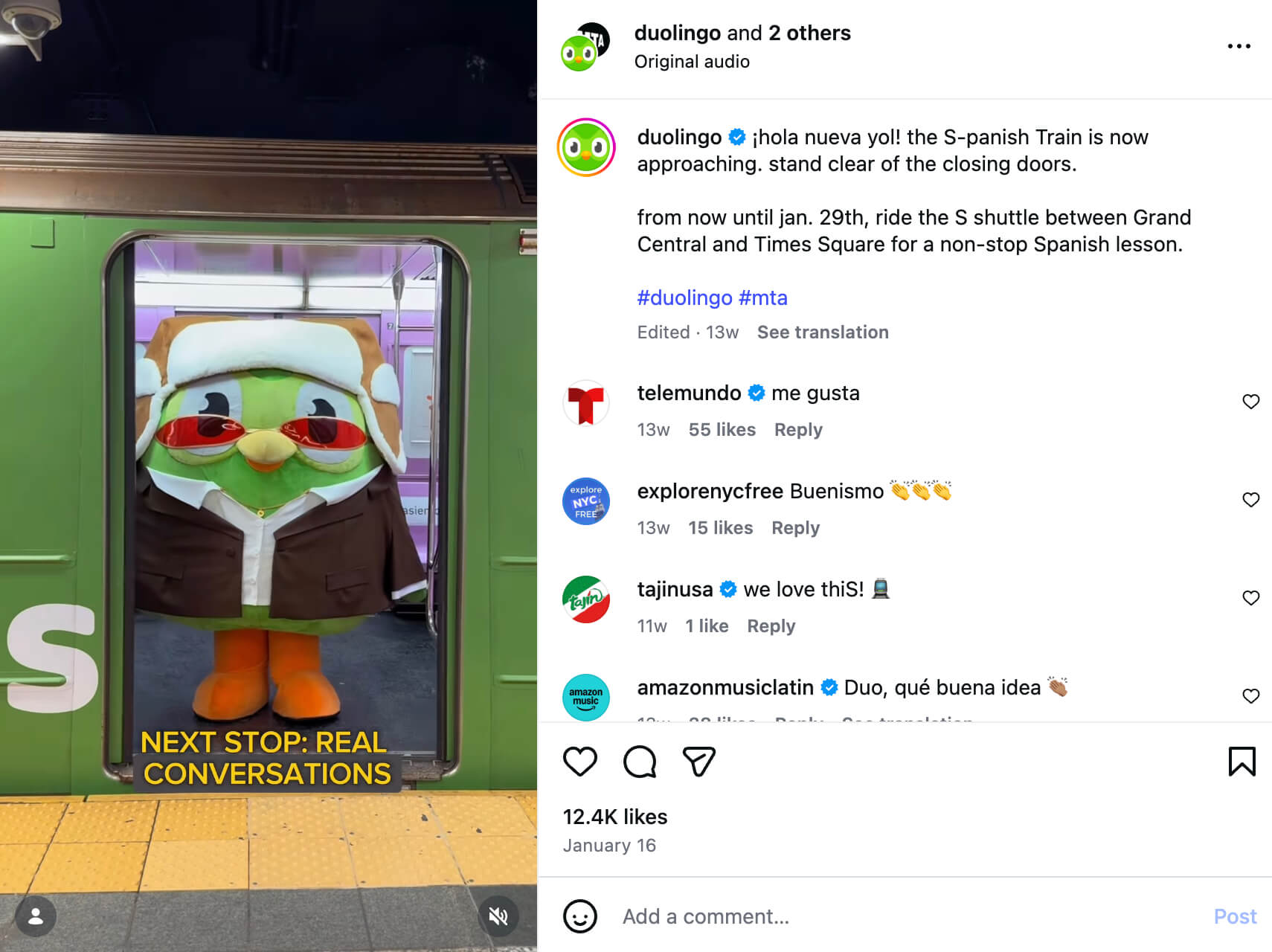
A prime example of this is the language-learning app Duolingo. The brand made a strategic decision to avoid traditional "hard-sell" marketing. Instead, they leaned into a chaotic, funny, and sometimes unhinged brand voice centered around their mascot, Duo the Owl. By prioritizing their "voice" and "values" (consistency and persistence) over product features, they became the number-one language-learning platform globally.
Case Study: Lighthouse Immersive
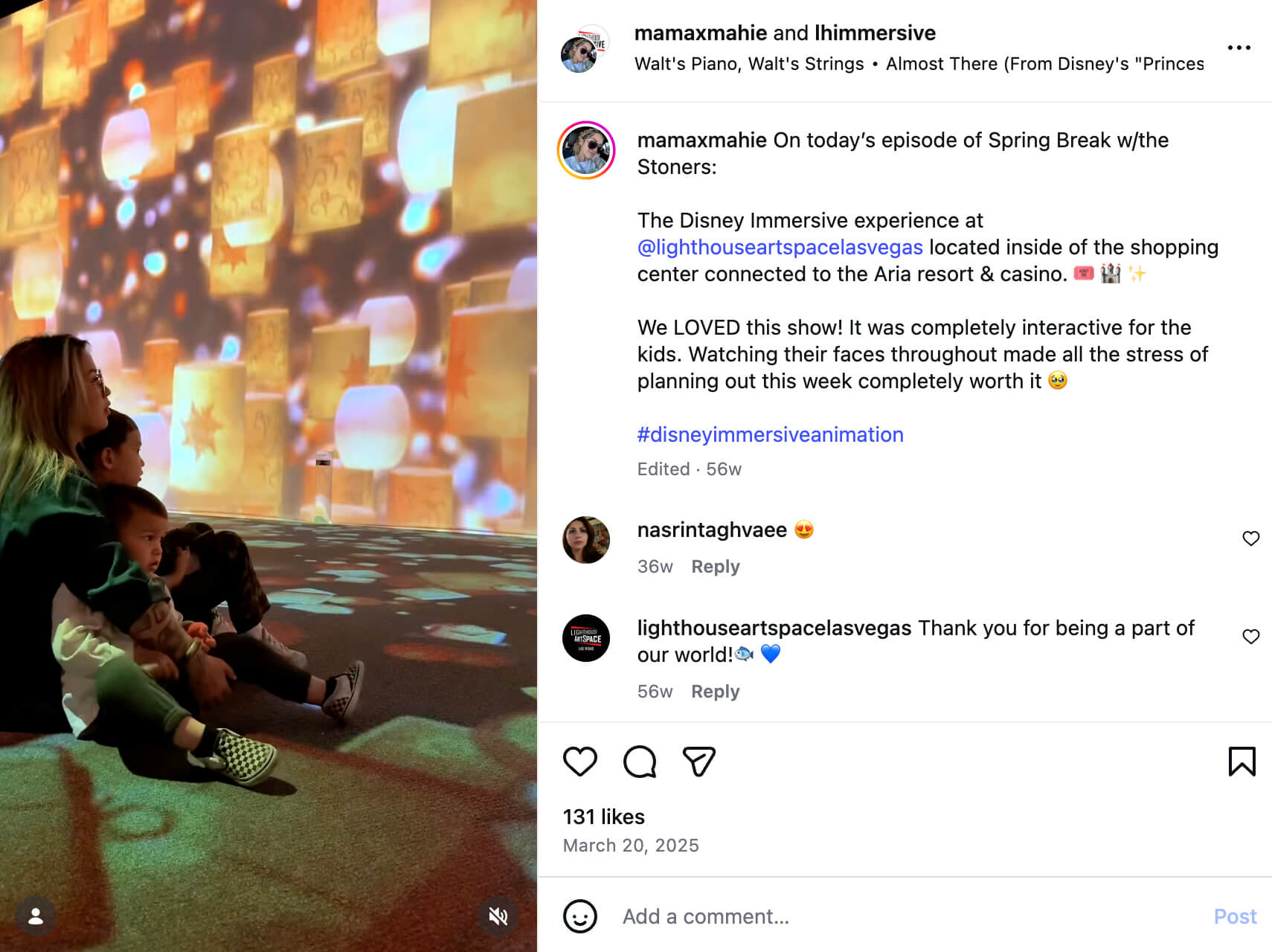
When Lighthouse Immersive—the company behind the Van Gogh Exhibit—struggled with social media engagement, they sought Billings’ expertise. Despite having visually stunning art, their videos felt "flat."
The intervention involved a shift from the product (the art) to the emotion (the human experience). The strategy pivoted to capturing real human moments: marriage proposals, a grandmother seeing the art with her grandson, or the look of awe on a child’s face. By focusing on the emotional narrative rather than the technical display, the content began to "sync" with the viewers’ brain activity, leading to a massive spike in shares and ticket sales.
Implications: The Future of Content in an AI-Driven World
The rise of the Science of Attention has profound implications for the future of digital marketing, particularly as Artificial Intelligence (AI) begins to saturate the content landscape.
AI-Proofing Your Career
While AI can generate scripts, edit videos, and even create deepfake presenters, it currently struggles to replicate the nuanced "human-to-human" connection that triggers the amygdala. Marketers and creators who master the psychological fundamentals of connection and emotion are essentially "AI-proofing" their careers. The ability to project genuine vulnerability and shared human experience remains a uniquely biological advantage.
The End of the Generalist
The "scarcity mindset"—the desire to appeal to everyone—is becoming a liability. As the volume of content increases, the "middle ground" is becoming increasingly crowded and invisible. The Science of Attention rewards those who are willing to be polarizing by leaning heavily into specific values. This creates a "magnetic" effect: you will push away those who aren’t your audience, but you will attract your true community with far greater force.
Strategic Implementation: The Three-Question Prep
For brands looking to implement these findings, Billings offers a three-step pre-production checklist. Before filming any short-form video, creators must answer:
- What do I want them to feel? (Identifying the emotional hook).
- What is the one thing I want them to know? (Ensuring clarity of message).
- Why should they care? (Connecting the content to the viewer’s own life or identity).
Conclusion
As social media platforms continue to evolve, the "Science of Attention" suggests that the most successful creators will be those who look away from the screen and toward the viewer. By understanding the neurological shortcuts of the human brain—connection, reputation, and emotion—brands can transcend the limitations of any algorithm. In the high-speed world of short-form video, the most powerful tool is no longer the camera or the edit; it is the ability to make a stranger feel seen in under two seconds.