Samsung’s Premium Tablet Strategy: Galaxy Tab S12 Series Set for October 7 Debut
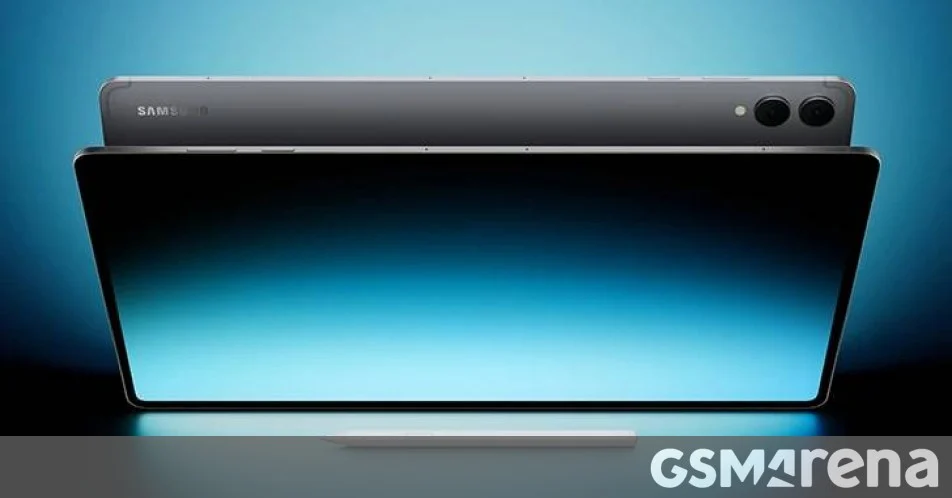
After weeks of speculation and missed windows, the veil is finally set to be lifted on Samsung’s latest flagship tablet lineup. Industry insiders and tech enthusiasts have long anticipated the arrival of the Galaxy Tab S12+ and the Galaxy Tab S12 Ultra, and while their existence was never in question, their precise arrival date remained an elusive variable in an otherwise transparent product cycle. Following a report from noted industry leaker Evan Blass, we can now confirm that Samsung is scheduled to unveil these high-performance slates on October 7.
This launch arrives as a slight deviation from the company’s recent historical patterns. While consumers anticipated a concurrent launch with the Galaxy S26 FE, the tablets have been held back by roughly one month. As we stand just three weeks away from the official announcement, the tech landscape is bracing for a new benchmark in Android tablet productivity.
The Chronology of a Delayed Launch
Samsung’s tablet release cycles are typically characterized by a high degree of predictability. In previous years, the company has favored a late-summer window, often pairing its premium tablet refreshes with the release of its "Fan Edition" smartphones. For instance, the Galaxy Tab S11 and S11 Ultra were introduced to the public in early September, riding the momentum of the S25 FE launch.
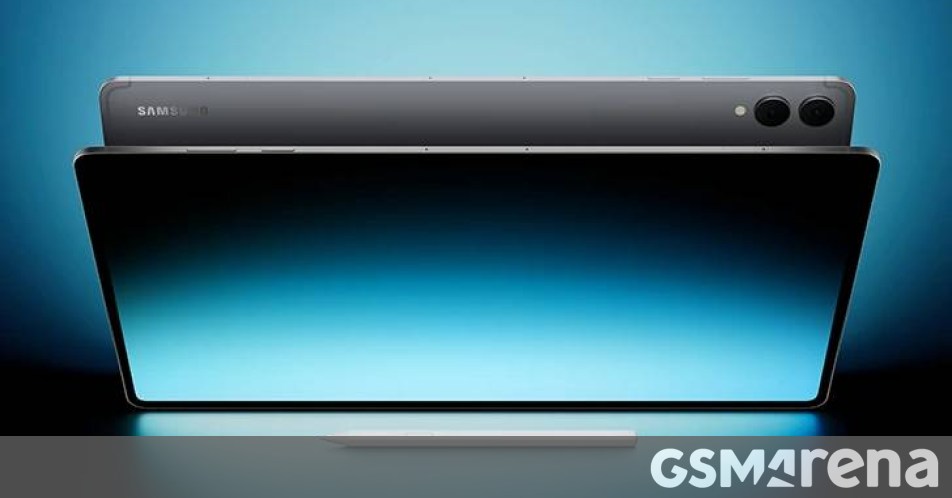
The decision to push the Tab S12 series into October has raised eyebrows among market analysts. With the hardware appearing to be fully prepared—evidenced by the acquisition of all necessary regulatory certifications and the completion of mass-production prototypes—the delay does not appear to be supply-chain related. Instead, some analysts suggest a strategic shift in Samsung’s marketing calendar. By spacing out the releases of the S26 FE and the Tab S12 series, Samsung may be attempting to maximize media coverage for each individual product, ensuring that the flagship tablets receive undivided attention rather than being overshadowed by a high-volume smartphone launch.
Technical Specifications: Evolution, Not Revolution
Based on the wealth of leaked documentation and performance benchmarks, the Galaxy Tab S12 series represents a refined evolution of the existing form factor rather than a radical design departure.
Performance and Chipset
The most significant under-the-hood upgrade is the transition to the MediaTek Dimensity 9500 chipset. The Galaxy Tab S12 Ultra has already been spotted on the Geekbench 7 database, confirming its prowess as a high-octane multitasking machine. The integration of the Dimensity 9500 indicates that Samsung is leaning heavily into high-efficiency, high-performance silicon to compete with the latest offerings from Apple’s iPad Pro lineup. It is widely expected that the Tab S12+ will share this same architecture, ensuring that both premium models provide a uniform user experience across the board.
Display and Build
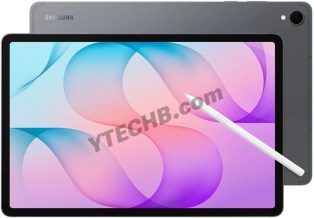
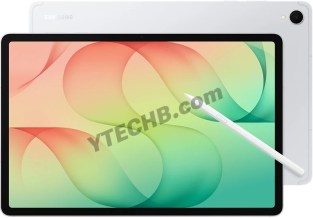
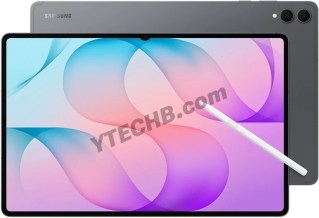
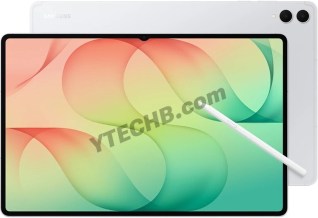
Design-wise, users should expect a familiar aesthetic. Leaked renders confirm that the iconic, somewhat polarizing notch on the Ultra model is here to stay. This housing, while criticized by some for its intrusion into the display area, serves as the necessary home for advanced camera hardware designed for video conferencing and biometric authentication.
- Galaxy Tab S12 Ultra: Features a massive 14.6-inch display, maintaining its status as a laptop replacement candidate.
- Galaxy Tab S12+: Features a 12.4-inch display, balancing portability and screen real estate.
- The Vanishing Vanilla: Much like the S11 generation, Samsung has opted to omit an 11-inch "base" model, effectively signaling that the company is shifting its focus entirely toward the premium, high-margin end of the tablet market.
Battery and Power
Powering these behemoths remains a core focus. The S12 Ultra is slated to retain the 11,600mAh battery capacity, paired with 45W wired charging. While some critics have argued that a capacity increase would have been preferred, the efficiency gains promised by the Dimensity 9500 may offset the need for a larger cell. Meanwhile, reports suggest that the S12+ may receive a marginal battery capacity upgrade compared to its predecessor, the S10+, providing better endurance for power users.
Supporting Data: Pricing Structures
The premium positioning of the Tab S12 series is reflected in the leaked pricing tiers. Samsung is targeting the high-end professional and creative demographics, with price points that place these devices firmly in the "investment" category.
| Storage Capacity | Galaxy Tab S12+ | Galaxy Tab S12 Ultra |
|---|---|---|
| 256GB | $1,200 | $1,400 |
| 512GB | $1,400 | $1,600 |
| 1TB | – | $2,000 |
Note: Prices above reflect Wi-Fi-only models. Consumers seeking 5G connectivity should factor in a $150 premium on top of the base cost.
The exclusion of a 1TB option for the S12+ suggests that Samsung intends to create a clear "Ultra-exclusive" tier for power users who require massive local storage for 4K video editing, large-scale design projects, or extensive document archiving.
Official Responses and Market Positioning
While Samsung has maintained its standard policy of not commenting on unreleased products, the company’s recent behavior in the tablet sector speaks volumes. By choosing not to launch a budget-friendly 11-inch variant, Samsung is clearly ceding the entry-level tablet space to more affordable competitors and the lower-end of the Android ecosystem.
Instead, the company is doubling down on the "Pro" workflow. The inclusion of advanced AI features (hinted at via the One UI 9 integration) suggests that the S12 series will be marketed as a central hub for the Samsung ecosystem. The integration between these tablets and the S26 FE—sharing design languages and software features—is intended to create a seamless "Galaxy" experience that incentivizes consumers to stay within the brand ecosystem.
Implications for the Tablet Market
The October 7 release of the Galaxy Tab S12 series has several profound implications for the industry:
- Android’s Last Stand: As the tablet market has faced stagnation, Samsung’s commitment to a high-end 14.6-inch device is a testament to the viability of Android as a productivity platform. By focusing on the Ultra, Samsung is challenging the narrative that tablets are merely media consumption devices.
- The MediaTek Factor: The pivot to the Dimensity 9500 is a significant win for MediaTek and a potential warning shot to Qualcomm. Should these tablets perform as well as benchmarks suggest, it may signal a long-term shift in Samsung’s supply chain preferences for its premium mobile hardware.
- The Premium Price Threshold: With the top-tier S12 Ultra reaching $2,000, we are seeing the "laptop-ification" of tablets. Samsung is testing the upper limits of what consumers are willing to pay for a slate that lacks a physical keyboard in the box. Whether this pricing model will sustain growth or lead to a contraction in sales remains the industry’s most pressing question.
Final Thoughts
As we approach the October 7 launch, the narrative surrounding the Galaxy Tab S12 series is one of refined confidence. Samsung is not attempting to reinvent the wheel, but rather to polish the spokes. By focusing on higher efficiency, increased storage capacity, and a cohesive software ecosystem, the S12+ and S12 Ultra are poised to remain the gold standard for Android tablets. The only remaining hurdle is whether the market is ready to embrace a $2,000 tablet, or if the price point will necessitate more aggressive promotional strategies from the manufacturer in the coming months.
We will continue to monitor the situation as the launch date approaches, providing in-depth analysis of the final hardware specifications and software capabilities as they are officially revealed.