Building an AI Creative Director: Transforming Voice Journals into Multi-Platform Content with Claude
In the modern digital landscape, the pressure to maintain a consistent, multi-channel content presence can easily overwhelm even the most seasoned creators and small business owners. Traditionally, scaling content production required assembling a dedicated creative team to draft newsletters, edit video scripts, design carousels, and manage social media threads. However, recent advancements in artificial intelligence—specifically within advanced large language models like Claude—are lowering the barrier to entry.
AI strategist Nicky Saunders, in a collaborative feature with Michael Stelzner on the AI Explored podcast, has outlined a blueprint for building a personalized "AI Creative Director." This automated framework enables solo creators and small businesses to transform raw, unfiltered voice journaling into a steady stream of polished, multi-platform content that faithfully mirrors their authentic voice and brand style.
Main Facts: The Anatomy of an AI-Powered Creative System
The core premise of Saunders’ methodology relies on reframing AI not as a complete replacement for human creativity, but as an active, round-the-clock integration layer within existing workflows. Rather than adopting an all-or-nothing approach—either rejecting AI entirely or handing over total creative control—creators achieve the best results by positioning AI as a tireless "brain-warming buddy."
The system relies on several critical structural components:
- The Core Engine (Claude): Serving as the central processing unit, Claude retains persistent memory across conversations through customized projects and skill-building features.
- The Source Material (Voice Journaling): Content creation begins not with rigid outlines, but with free-flowing, spoken reflections recorded via tools like Notion’s AI meeting notes.
- The Automation Pipeline (DraftLoop): A daily automated workflow connecting Claude Cowork, Notion, data scrapers like Apify, and creative engines like Higgsfield and HeyGen.
- The Human-in-the-Loop Safeguard: Final editorial control, strategic approvals, and publishing schedules remain strictly in human hands to protect brand integrity and account security.
Chronology: Step-by-Step Implementation of the AI Content System
Building a functional AI creative director requires a methodical, sequential setup. Rushing into automated publishing without establishing foundational rules frequently results in generic, low-quality "AI slop." Creators are advised to follow a structured roadmap.
Phase 1: Establishing Creative Vision and Style
Before deploying any automated workflow, creators must define their overarching vision and aesthetic style. Telling an AI to generate content without context yields predictable, uninspired results.

- Defining Vision: Creators must determine the specific emotional response they want their content to evoke, the intended audience takeaway, and the primary call-to-action (e.g., a signup, purchase, or simple engagement). Vague directions can be refined by prompting Claude to interview the creator about their overarching goals.
- Building a Visual Inspiration Library: Style must be demonstrated rather than merely described. Creators collect visual references—ranging from Pinterest boards and magazine covers to Instagram carousels—and upload them into a Claude project. Claude analyzes these images, identifying technical specifications like saturation levels and color palettes, thereby helping the creator develop a precise design vocabulary. Existing digital assets, such as website screenshots and past posts, can similarly be processed to generate a comprehensive brand guide.
Phase 2: Building Core Claude Skills for Brand Voice and Platform Conventions
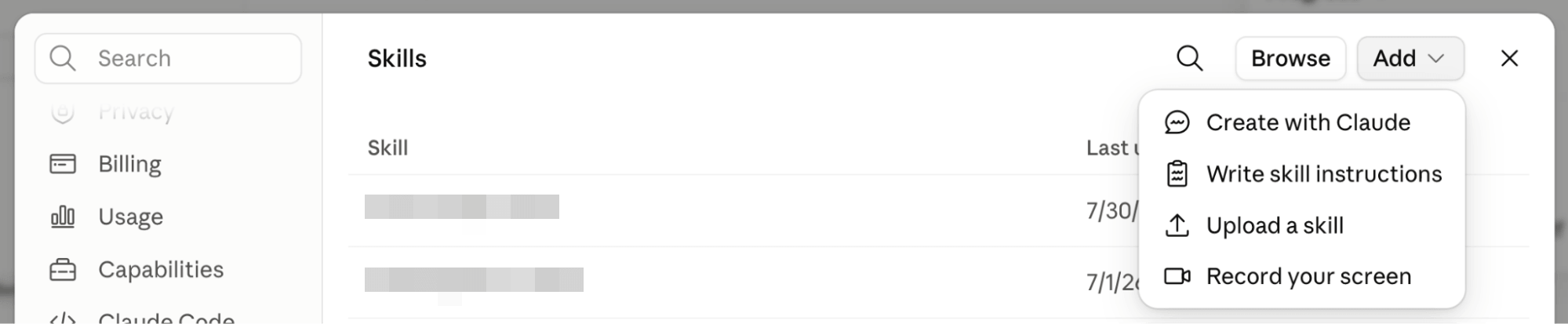
Once the visual and strategic foundations are set, creators construct reusable instruction sets known as "Claude skills." These function as persistent memory banks, eliminating the need to re-teach the AI preferences in every new chat.
- The Brand Voice Skill: Built by feeding Claude extensive samples of natural speech and writing—including video transcripts, Zoom recordings, and newsletter archives—this skill enables the AI to match approximately 80% to 85% of the creator’s natural tone and cadence automatically.
- The Platform-Specific Skill: Language and formatting naturally shift between a concise tweet thread, an Instagram caption, a Substack essay, and a YouTube script. This secondary skill studies platform conventions to ensure output meets channel-specific standards.
- Gathering Source Material via Apify: To accelerate skill training, creators utilize data scrapers like Apify (integrated via Claude’s MCP connector) to pull public content, transcripts, and engagement metrics from platforms like YouTube and Instagram, creating a robust database for ongoing refinement.
Phase 3: Executing the "DraftLoop" Content Workflow
With skills established, the daily production pipeline comes into effect through a workflow dubbed DraftLoop.
- The Daily Journal: The process initiates when the creator records a candid voice journal. Inspired by Julia Cameron’s The Artist’s Way, this free-form speaking session covers recent experiences, stresses, and inspirations without rigid formatting. Even grappling with creative blocks ("I don’t know what to talk about") can be mined by repeatedly asking "why?" to unearth authentic business insights.
- Automated Processing: An 8.00 AM scheduled task within Claude Cowork evaluates new journal entries logged in Notion. Claude extracts core themes and generates an initial batch of content ideas, draft tweets, newsletter copy, and carousel quote images.
- Human Review and Production: At around 11.00 AM, the creator reviews the generated output, selects viable concepts, and directs Claude to expand specific ideas into full video scripts or long-form essays. Approved concepts then trigger connected multimedia tools like Higgsfield—which generates custom quote cards and animated character videos directly within the chat window—and HeyGen, which creates avatar video previews to let creators test how scripts sound when read aloud.
Supporting Data and Technical Insights
Optimizing an AI creative system involves leveraging specific technological capabilities and data insights to maintain quality:
- Model Selection for Precision Copy: Users operating on advanced tiers can leverage specialized models such as Claude Fable 5 Low. According to workflow evaluations, Fable 5 excels significantly in producing tight hooks, punchy tweet openings, and concise email subject lines compared to broader models, justifying its resource-intensive processing cost for high-stakes short-form copy.
- Cost and Accessibility: Scraping tools like Apify offer accessible entry points starting with free tiers and paid options from $29 per month, making advanced data aggregation viable for independent operators.
- Data-Driven Counterbalances: Creators frequently suffer from fatigue regarding their own core topics, driving them to chase novel ideas prematurely. However, Claude can analyze past performance metrics to demonstrate that specific foundational topics consistently drive higher comment volume and engagement, effectively pulling creators back toward proven content strategies.
Official Guidelines and Boundaries: Human Judgment in the Loop
A critical tenet of Saunders’ methodology is the strict enforcement of human boundaries regarding automation.
- No Direct Publishing Access: AI models are intentionally denied direct API access to publish live content on social media channels. This restriction mitigates risks associated with platform policy violations, algorithmic penalties, and account security vulnerabilities. Scheduling and final distribution remain manual tasks executed by the creator.
- Authenticity of Origin: Because every content piece originates from the creator’s genuine voice journals, personal experiences, and reflections, the resulting output avoids the hollow feel of purely synthetic writing. The AI acts exclusively as an editor, reformatters, and distributor of authentic human thought.
Implications for Creators and Small Businesses
The deployment of AI creative directors marks a significant shift in the economics of digital content creation. Historically, maintaining a high-frequency, multi-channel footprint demanded substantial financial investments in copywriting, graphic design, and video editing talent.
By integrating tools like Claude, Notion, Apify, and Higgsfield into a unified pipeline, solo operators and lean teams can scale their output dramatically without sacrificing brand authenticity. The system demonstrates that the future of content creation lies not in abdicating creative control to machines, but in establishing rigorous foundational guardrails that allow artificial intelligence to efficiently amplify human voice, vision, and expertise.