The Death of Information Overload: Why Curation Is the Future of Marketing Strategy
In an era defined by the relentless firehose of digital content, marketing leaders are facing a paradoxical crisis: they are drowning in information, yet starving for insight. Every day, the average executive’s inbox is besieged by a cacophony of white papers, tactical frameworks, algorithmic trends, and "must-read" industry alerts.
The prevailing theory among modern thought leaders is that the marketing world does not need more content. It needs better filters. Recognizing this shift in consumption habits, Convince & Convert (C&C) has officially retired its long-running newsletter, ON, in favor of a new, strategically curated publication: The Trendline. This transition marks more than a simple rebrand; it represents a fundamental pivot in how brands must approach audience engagement in a crowded digital marketplace.
The Data Behind the Shift: Why Newsletters Still Rule
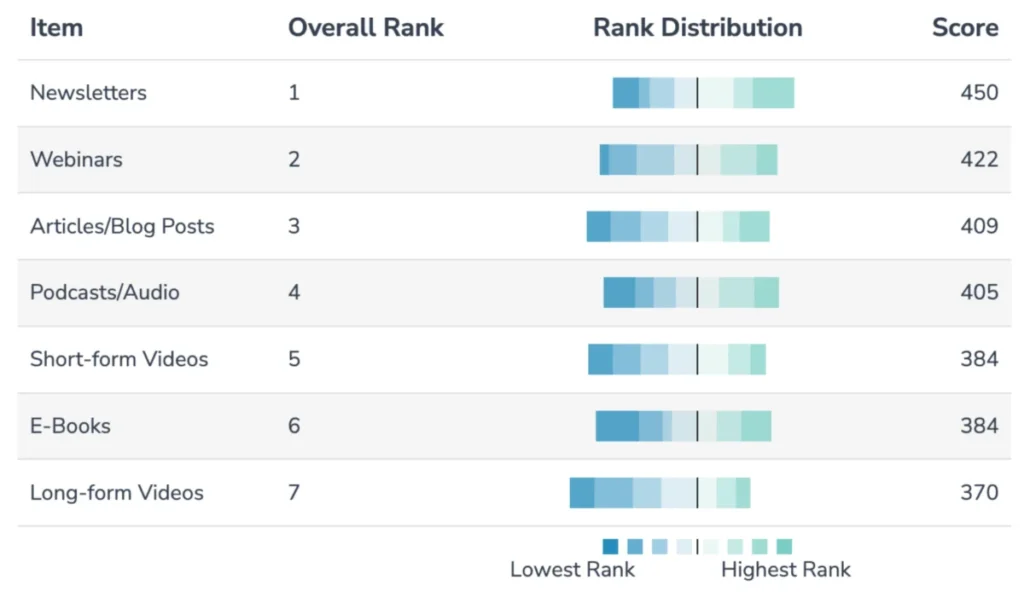
For years, the marketing industry has been obsessed with the "next big thing"—from the fleeting dominance of short-form vertical video to the ubiquity of webinars and podcasts. However, recent internal research from Convince & Convert reveals a surprising, enduring truth: for marketing professionals seeking high-level trends and insights, the humble email newsletter remains the preferred medium.
In an annual survey of its readership—a demographic comprised of marketing leaders and decision-makers—C&C asked participants to rank their preferred content formats. When forced to choose between videos, blogs, webinars, and podcasts, respondents ranked newsletters as their primary source of information, with the format being nearly twice as likely to hold the top spot compared to any other medium.
This data point serves as a clarion call for brands. It suggests that while the medium itself is "old school," its utility is higher than ever. In a world where attention is the scarcest currency, the newsletter functions as a curated bridge between raw data and actionable intelligence.
Chronology of a Transformation: From ‘ON’ to ‘The Trendline’
The evolution from ON to The Trendline was not an overnight decision. It was the result of a long-term assessment of how the audience interacted with C&C’s various content pillars—including their consulting arm, podcasts, and training modules.
Historically, ON followed the traditional industry playbook: a compilation of links to blog posts, podcast episodes, and external reports. For years, this format served its purpose, acting as a content directory. However, as the digital landscape matured, the bar for quality rose. What worked as a "news digest" five years ago now feels like administrative clutter.

The C&C team identified three specific failings in the old model:
- The Friction of Discovery: Forcing readers to click through multiple links to find the "value" behind a headline was creating a barrier to entry.
- Lack of Strategic Context: Simply reporting that a trend existed was no longer enough. Readers demanded to know the "why" and the "how."
- Information Fatigue: The volume of content was outpacing the reader’s capacity to process it.
By shifting to The Trendline, C&C moved from being a content aggregator to a content interpreter. The new format is designed to deliver the "debrief" directly in the email body, ensuring that even if a reader never clicks a single link, they leave the email with a sharper understanding of the marketing landscape.
Supporting the Modern Executive: A New Framework for Consumption
The primary insight driving this change is the recognition of how senior marketing leaders operate. When consulting for CMOs and high-level decision-makers, it is clear that they do not have time for deep-dive tutorials or 20-page slide decks. They require "speed to insight."
The Trendline is structured to respect this constraint. Every section is built with specific, compact guidelines, ensuring that the team’s collective strategic expertise is distilled into a digestible format.
Key Structural Improvements:
- The Strategic Lens: Rather than just summarizing news, each edition addresses the "so what?"—the implications of a story on a marketing department’s bottom line.
- Reduced Click-Dependency: Essential takeaways are delivered upfront in the email body, lowering the cognitive load for the reader.
- Ownable Engagement: The introduction of "Sound Off," an interactive poll at the end of each newsletter, allows C&C to move beyond the "muddied" metrics of open and click-through rates. This provides a more qualitative understanding of what their audience actually cares about.
- Consistent Hierarchy: By standardizing the format, the team can contribute to the newsletter more efficiently, ensuring that the most important stories remain front and center without the clutter of extraneous updates.
Official Perspective: The Philosophy of Utility
"Marketing leaders don’t need more content in their inboxes. None of us do, really," notes the leadership at Convince & Convert. "We want to be entertained, inspired, and feel smarter. Our theory is that marketers need less content, and the content they do consume needs to help them make smarter decisions in an industry built on rapid change."
This philosophy underscores the reality that content marketing is no longer just about lead generation or traffic; it is about establishing trust through authority. By curating information, a brand proves it understands its audience’s pain points. When you curate, you are performing a service—you are essentially saying to your reader, "I have done the work of filtering this noise so you don’t have to."
Implications for the Future of Email Marketing
The transition to The Trendline serves as a case study for brands across all sectors. The move highlights several critical implications for the future of email marketing:

1. The Death of the "Link Farm"
The days of sending a "weekly roundup" of ten links are numbered. Audiences have become sophisticated; they can find links on their own via search or social media. If a newsletter doesn’t provide a unique, value-added perspective—a "take" that isn’t available elsewhere—it will be unsubscribed from or ignored.
2. Value Upfront is the New Currency
The most successful newsletters in the next five years will be those that prioritize the "inline" experience. If your subscriber has to leave their email client to find out why your content matters, you have already lost a portion of your audience. High-value, concise content that lives inside the inbox is the new gold standard.
3. Audience Research is Non-Negotiable
The success of The Trendline format was not derived from intuition alone; it was built on a foundation of annual audience surveys. Brands that do not explicitly ask their audience about their content preferences are operating in the dark. The most effective way to improve your marketing strategy is to treat your content as a product, and your audience as your product-testing group.
4. Quality Over Frequency
There is a common misconception that more emails lead to more engagement. The reality is that an occasional, high-impact, deeply thoughtful email carries more brand equity than a daily, low-effort blast. The Trendline demonstrates that investing more time into the editorial quality of each edition creates a more loyal, engaged, and trusting subscriber base.
Conclusion: Rethinking Your Strategy
For marketers looking to emulate this success, the lesson is clear: start by auditing your existing channels with a ruthless eye. Ask yourself: Does this piece of content help my reader make a decision, or does it simply add to their noise?
The era of "content for the sake of content" is fading. We have entered the era of the "curator-expert." By focusing on how your audience consumes information—not just how you want to deliver it—you can transform your email marketing from a broadcast channel into a vital strategic asset. The Trendline is not just a change in formatting; it is a recognition that in the attention economy, the most powerful thing you can give your audience is the gift of time.