The Evolving Digital Landscape: Key Platform Updates, Strategic Marketing Shifts, and AI Integration
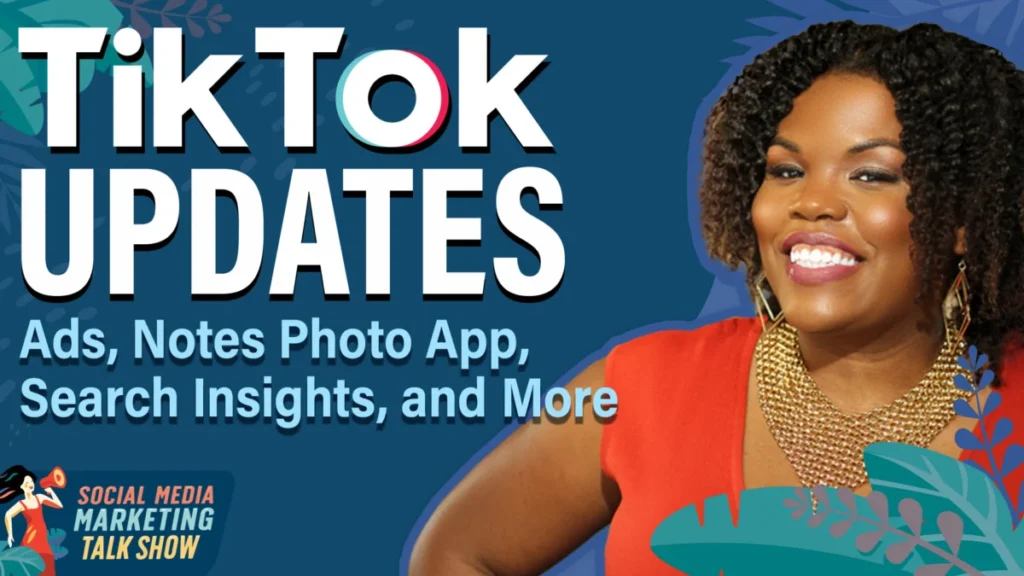
As digital platforms continue to converge around artificial intelligence, connected television, and cross-platform workflows, marketers face a rapidly shifting ecosystem. From new content-anchoring frameworks that bridge the gap between audience engagement and direct sales to sweeping infrastructural updates across Meta, LinkedIn, YouTube, Reddit, and X, staying ahead requires a sharp focus on portable systems and high-impact strategies.
This comprehensive report details the essential insights, platform updates, and strategic marketing shifts shaping the industry today.
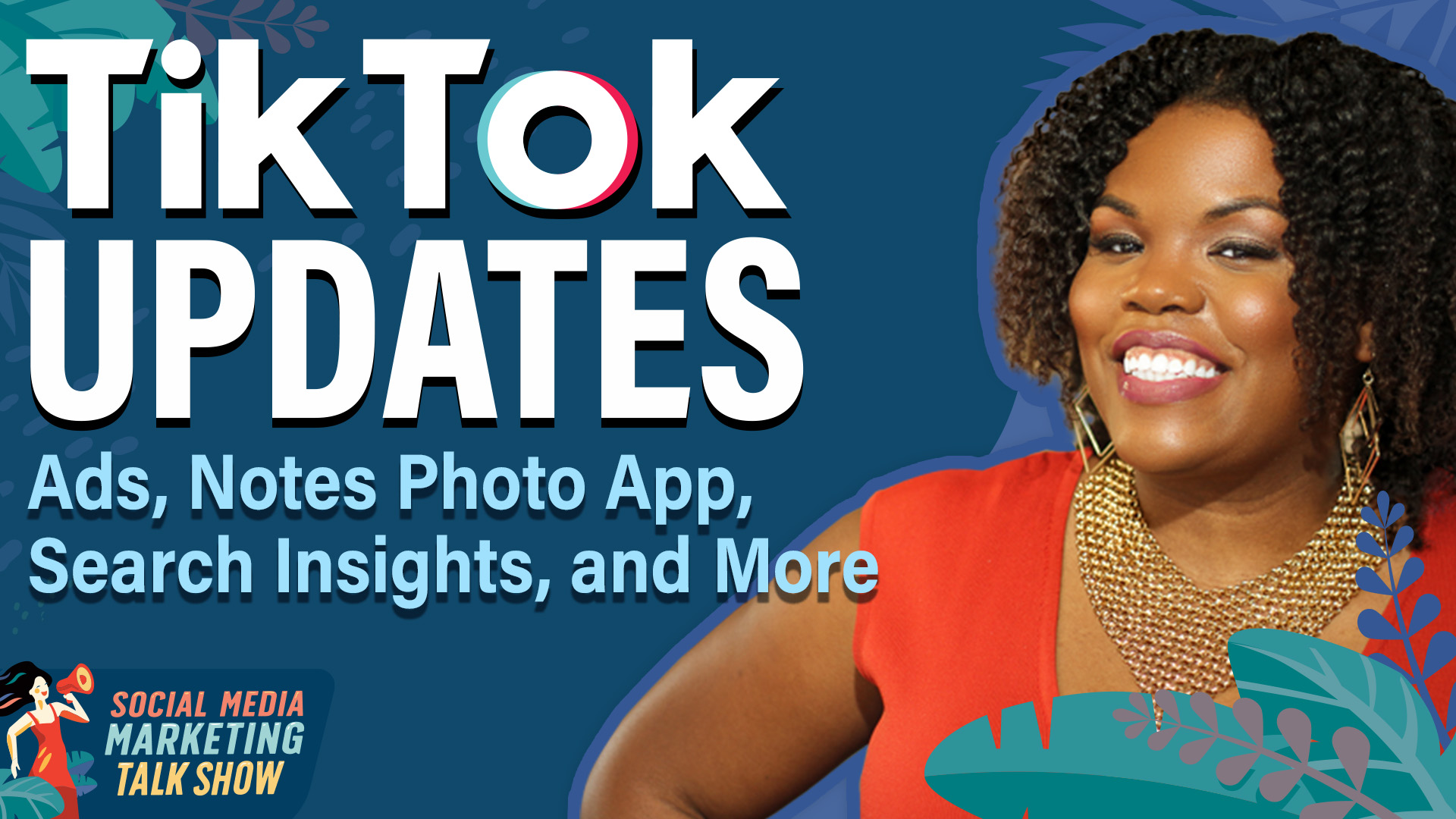
Main Facts: Key Strategic Takeaways for Marketers
The modern digital marketing environment is defined by three overarching developments:
- The Psychology of Sales Conversion: Engagement metrics alone do not pay the bills. Marketers must anchor their content to a definitive "buyer’s belief statement"—a core conviction a prospect must hold before they are ready to purchase. Selling the methodology (the process) during the consideration phase makes the final container (the program or service) an easy buy.
- Platform-Agnostic AI Workflows: AI tools are inherently volatile; outages happen. Marketers are moving away from single-tool dependencies toward portable systems that allow prompts and workflows to transition seamlessly across platforms like Claude and ChatGPT without losing momentum or voice.
- Ecosystem Expansion and Automated Repurposing: Major platforms are heavily investing in connected TV (CTV) experiences, automated short-form video generation from long-form content, and integrated business assistants. Meta, YouTube, and LinkedIn are shifting manual optimization tasks over to algorithmic and AI-driven engines.
Chronology of Recent Platform Updates
Platform features and algorithmic updates have rolled out at a rapid pace across the major social media and search networks:

- August 17, 2026: Reddit initiates a limited English-language test converting select text-based posts into playable audio and video experiences, mirroring the popular TikTok and Reels format of narrating Reddit threads.
- August 18, 2026: YouTube introduces major connected-TV updates, allowing YouTube Partner Program creators to transform playlists into formal episodic shows complete with dedicated seasons and immersive show pages.
- August 24, 2026: YouTube standardizes view counts globally, registering a public view from the exact moment a video begins playing across both traditional uploads and Shorts.
- Late August 2026: Meta rolls out advanced integrations for Meta AI, enabling small businesses to merge Facebook/Instagram analytics, Meta Ads, and Google Workspace data into a single conversational interface. Simultaneously, Meta notifies advertisers of its impending removal of manual ad-set placement controls.
- Ongoing (August 2026): Instagram updates its Edits app with project folders, saved canvas styles, and an AI-powered photo-to-video animation feature ("Extend") in the U.S. Concurrently, LinkedIn launches automated AI clip generation and chaptering for live webinar recordings.
Supporting Data and Platform Implementations
Instagram’s Strategic Expansion: TV, Audio, and AI
Instagram’s recent product rollouts underscore its ambition to dominate multiple content consumption formats:
- The Smart TV App: Now deployed on major smart TVs, Instagram’s TV interface features Netflix-style interest categories and widescreen viewing. While it signals a push toward living-room real estate, marketing strategists advise against a complete creative overhaul, recommending instead that brands maintain their native vertical formats while monitoring audience migration.
- Audio-Swapping and Carousels: Creators can now swap audio on published posts and carousels without sacrificing accumulated engagement. Furthermore, a simple account setting adjustment unlocks the platform’s full commercial music library, enhancing carousel discoverability.
- AI Story Effects & Multi-Caption Carousels: Over 30 new AI effects allow creators to turn static images into dynamic scenes, serving as effective pattern interrupts. Additionally, the new multi-caption carousel feature permits unique captions per slide, though strategists warn against over-engineering content just because new text boxes are available.
Video and Audio Iterations: YouTube, Reddit, and X
- YouTube Unified Metrics: By counting public views from the very first frame of playback, YouTube has aligned Shorts and long-form video metrics. While raw view counts will accelerate, legacy metrics remain accessible as "Engaged views" in Advanced Mode.
- Episodic Playlists on CTV: With over a billion hours of content consumed daily on television screens, YouTube’s new show infrastructure rewards serialized content (interviews, customer stories, multi-part tutorials) by turning structured playlists into discoverable entertainment packages.
- X and Reddit Updates: X has introduced native text overlays within its iOS video editor, cutting down reliance on third-party software. Meanwhile, Reddit’s audio/video test explores whether native narration can capture the massive off-platform audience already consuming narrated Reddit content on TikTok and Instagram Reels.
Official Responses and Industry Reactions
As platforms shift control away from manual human oversight and toward automated algorithms, industry reaction has been mixed:

- Meta’s Placement Control Backlash: Advertisers and industry analysts, such as Jon Loomer, have expressed concern over Meta’s preparation to eliminate manual placement exclusions at the ad-set level. By restricting an advertiser’s ability to exclude specific placements, devices, or operating systems, Meta is forcing brands to trust its automated delivery system entirely—a move that prioritizes algorithmic efficiency over granular human control.
- LinkedIn’s AI Repurposing Promise: LinkedIn has positioned its new automated webinar clipping and chaptering tools as a direct solution to resource-strapped marketing teams. By automating the extraction of key moments from an hour-long recording, the platform aims to eliminate the friction that typically prevents webinar repurposing. However, external marketers note that the efficacy of the AI in selecting high-converting clips remains to be rigorously tested outside of LinkedIn’s promotional framing.
- Centralizing Copyright and AI Claims: YouTube’s consolidation of Content ID copyright claims and AI likeness privacy disputes into a single "Claims" tab in YouTube Studio has been welcomed as a clarifying move. By introducing four distinct response categories for synthetic likeness disputes and ensuring valid claims do not issue channel strikes, YouTube is attempting to streamline creator protection in the age of generative video.
Implications for Marketers
To successfully navigate this evolving digital landscape, marketing professionals and business owners must adapt their operational and strategic playbooks:
1. Master the Buyer’s Belief Statement
As presented by marketing experts like Brenna McGowan, getting engagement without sales usually indicates a missing foundational belief. Marketers should define the exact one-sentence belief their target audience must hold before making a purchase. By auditing past high-performing content against this statement, brands can separate true sales-enablement material from general audience nurture and digital noise.
2. Build Portable AI Workflows
Relying on a single AI platform introduces unnecessary operational risk. As demonstrated when live tools experience outages, maintaining portable systems—prompts and workflows that can migrate instantly from Claude to ChatGPT or alternative models—ensures business continuity and protects brand voice consistency.
3. Embrace Algorithmic Trust with Guardrails
With Meta removing manual placement controls and introducing conversational AI assistants that pull data across Google Workspace and ad accounts, marketers must learn to collaborate with AI rather than micromanage it. Business assistants can now turn organic and paid performance data into automated reports and presentations, freeing up human capital for high-level creative strategy.
4. Optimize for Serialized and Cross-Format Distribution
Platform updates on YouTube (episodic playlists), Instagram (Edits folders and AI animations), and Reddit (native audio/video testing) prove that content must be modular and adaptable. Producing structured, multi-part video assets that translate seamlessly from mobile vertical feeds to living-room connected TVs will be a primary driver of organic reach in the months ahead.