Snapdeal Parent AceVector Narrows FY26 Losses by 64% Ahead of Long-Awaited INR 287 Cr IPO Launch
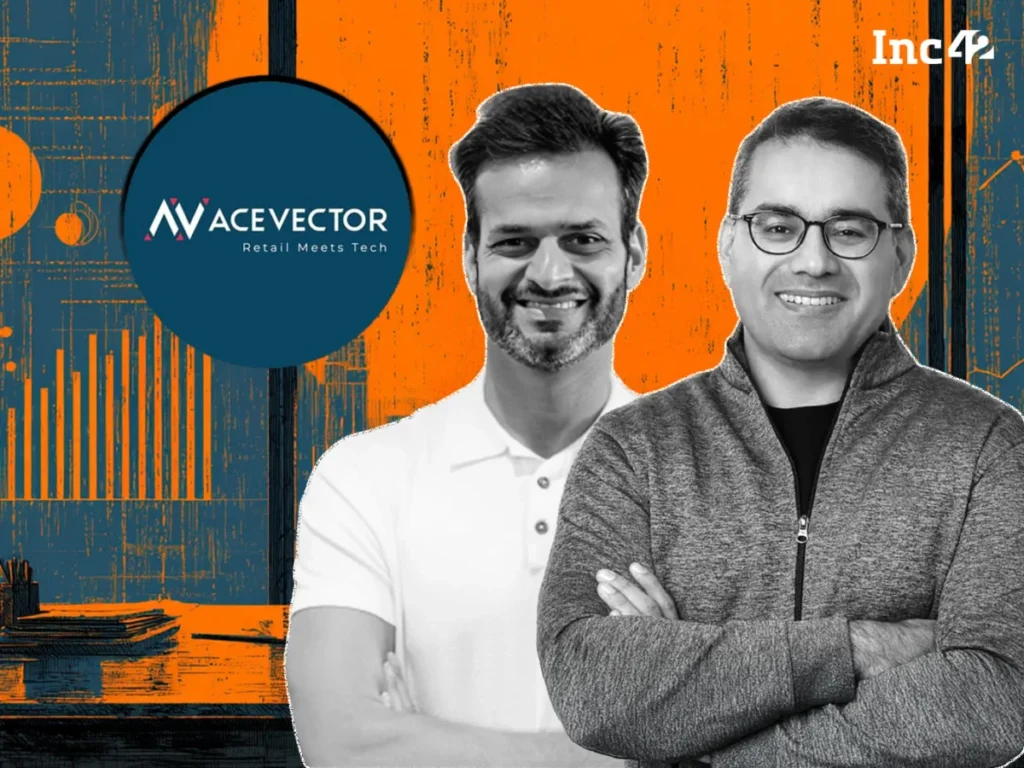
NEW DELHI — AceVector Limited, the parent entity of e-commerce pioneer Snapdeal, has reported a dramatic financial turnaround for the fiscal year 2025-26 (FY26), slashing its net losses by nearly 64% as it prepares to hit the public markets.
According to the company’s recently filed Red Herring Prospectus (RHP) with the Securities and Exchange Board of India (SEBI), AceVector’s restated net loss shrank to INR 45.5 Cr in FY26, a substantial improvement from the INR 126.3 Cr loss recorded in the previous fiscal year.
The significant reduction in losses was primarily driven by robust top-line growth. Operating revenue surged 29.2% year-on-year (YoY) to INR 510.3 Cr, up from INR 395 Cr in FY25. Bolstered by an additional INR 27.3 Cr in other income, AceVector’s total income for the fiscal year reached INR 537.7 Cr.
The financial disclosures coincide with the company’s definitive move toward an initial public offering (IPO). AceVector’s public issue comprises a fresh issuance of shares worth INR 287 Cr, alongside an Offer for Sale (OFS) component of up to 4.16 Cr shares. The IPO is slated to open for public subscription on September 25 and will close on September 29.
1. Main Facts: Financial Highlights and IPO Structure
AceVector’s RHP reveals a multi-faceted business model undergoing stabilization and strategic re-alignment across its three primary pillars: marketplace e-commerce, software-as-a-service (SaaS) logistics and enablement, and consumer brands.
Key Financial Metrics for FY26:
- Operating Revenue: INR 510.3 Cr (up 29.2% YoY from INR 395 Cr).
- Total Income: INR 537.7 Cr (inclusive of INR 27.3 Cr in other income).
- Restated Net Loss: INR 45.5 Cr (down ~64% YoY from INR 126.3 Cr).
- Adjusted EBITDA Loss: Narrowed by 59.3% to INR 15.9 Cr, compared to an adjusted EBITDA loss of INR 39.2 Cr in FY25.
- Total Expenses: Rose 26.8% YoY to INR 575.2 Cr, up from INR 453.8 Cr in the preceding fiscal year.
The IPO Blueprint:
The public offering marks a major milestone for the diversified digital group. The issue features a fresh equity share sale targeting INR 287 Cr, capital to be deployed toward fueling future growth, technology upgrades, and corporate expansion. Simultaneously, early investors and stakeholders will offload up to 4.16 Cr shares through the OFS route.
2. Chronology: From Early Pioneers to the Second Public Offering Attempt
AceVector’s journey to the public markets has been a long and winding road, reflecting the volatile evolution of India’s e-commerce ecosystem over the past decade and a half.
- 2010 (Inception): Snapdeal is founded by entrepreneurial duo Kunal Bahl and Rohit Bansal as an online daily deals platform before rapidly pivoting into a full-fledged horizontal e-commerce marketplace.
- 2015–2016 (The Peak & The Competition): Backed by marquee investors like SoftBank, Snapdeal aggressively battles Flipkart and Amazon for market dominance, engaging in high-burn customer acquisition strategies.
- 2017 (The Strategic Pivot): Following a failed merger negotiation with Flipkart, Snapdeal founders make the bold decision to walk away from the cash-guzzling battle for horizontal supremacy. The company resets its strategy, pivoting sharply toward a value-focused e-commerce model targeting budget-conscious Tier-2 and Tier-3 consumers.
- 2021–2022 (Consolidation & First IPO Attempt): AceVector consolidates its business units—bringing marketplace Snapdeal, SaaS enablement platform Unicommerce, and house of brands Stellaro Brands under a unified corporate umbrella. In 2021, AceVector files its initial draft papers for an IPO aiming to raise INR 1,250 Cr. However, the plan is shelved a year later amid severe macro-market volatility and a global tech stock correction.
- 2024 (Unicommerce Success): Though AceVector pauses its master listing, its SaaS subsidiary Unicommerce charts an independent path, making a stellar debut on Indian stock exchanges in August 2024 with a massive listing-day premium.
- July 2025 (The Confidential Pre-Filing Route): AceVector re-enters the IPO pipeline, filing confidential draft papers (DRHP) with SEBI under the regulator’s pre-filing framework.
- November 2025: AceVector secures formal regulatory approval from SEBI to launch its public issue.
- September 2026: The company finalizes its RHP disclosures, trimming the OFS component and locking in the IPO dates for September 25 to September 29, 2026.
3. Supporting Data: Segment Breakdown and Cost Analysis
A deep dive into AceVector’s RHP reveals how the different engines within the corporate group contributed to its financial performance during the 2025–26 fiscal year.
Business Segment Performance
AceVector operates across three distinct verticals: the value e-commerce marketplace (Snapdeal), the SaaS enablement business (Unicommerce), and consumer brands (Stellaro Brands).
- Marketplace Segment (Snapdeal):
- Contributed INR 293.7 Cr, or 57.5%, to AceVector’s total operating revenue in FY26.
- Clocked a Net Merchandise Value (NMV) of INR 1,093.1 Cr while delivering 2.6 Cr orders during the fiscal year.
- Maintained an active user base of 1.2 Cr annual transacting users.
- Reported an adjusted EBITDA loss of INR 50.2 Cr, compared to INR 48 Cr in FY25.
- SaaS Business (Unicommerce):
- Contributed 40% of the top line, generating INR 204.3 Cr in revenue.
- Reported a robust adjusted EBITDA profit of INR 41.3 Cr, up from INR 25.3 Cr in FY25.
- Catered to 8,261 active enterprise and SME clients, reflecting a 17.9% YoY increase from 7,008 clients.
- Consumer Brands (Stellaro Brands):
- Accounted for the remaining 2.51% of revenue, bringing in INR 12.8 Cr.
- Operated 17 exclusive brand outlets (EBOs) nationwide as of March 31, 2026.
Dissecting the Expense Sheet
To support its scaling operations, AceVector’s total expenses climbed 26.8% YoY to INR 575.2 Cr. The primary cost centers included:
- Logistics Expenses: Representing the company’s single largest expenditure category, logistics costs surged 56.8% to INR 240.4 Cr in FY26, up sharply from INR 61.3 Cr in the previous year. This reflects higher delivery volumes and inflationary pressures within India’s supply chain networks.
- Employee Benefit Expenses: AceVector spent INR 168.9 Cr on salaries, talent acquisition, and employee stock options, marking a modest 13.2% increase from the INR 149.1 Cr recorded in FY25.
- Marketing and Promotional Expenses: Marketing outlays rose 26.2% to INR 91.3 Cr, up from INR 72.4 Cr in FY25, as the firm stepped up user acquisition campaigns for its value marketplace and brand houses.
4. Official Responses and Management Perspective
While formal executive commentary regarding the final IPO pricing will be shared closer to the subscription window, executive leadership has consistently emphasized the structural strengths of AceVector’s diversified business model.
In past shareholder communications and regulatory briefings, management has underscored that the strategic decision to cultivate a hybrid portfolio—combining the high-growth, high-margin SaaS capabilities of Unicommerce with the massive scale of value retail through Snapdeal—provides a unique cushion against economic cycles.
Financial analysts tracking the consumer tech space point out that Unicommerce’s proven profitability and market leadership in e-commerce enablement SaaS act as a critical valuation anchor for the broader AceVector group, counterbalancing the capital-intensive nature of the value marketplace segment.
5. Implications: What AceVector’s IPO Means for the Indian Tech Ecosystem
AceVector’s upcoming public offering holds significant signaling value for the Indian startup and venture capital ecosystem.
- Re-evaluating the "Value" E-Commerce Thesis: For years, market sentiment heavily favored hyper-growth, premium horizontal marketplaces like Flipkart and Amazon India. Snapdeal’s successful pivot to a asset-light, value-driven marketplace demonstrates that sustainable niches exist outside the premium bracket, specifically catering to non-metro consumers seeking affordable lifestyle and home goods.
- The Power of Subsidiary Value Creation: The successful public listing of Unicommerce in 2024 proved that Indian tech holding companies can successfully unlock shareholder value by spinning out or separately valuing specialized SaaS assets. AceVector’s continued reliance on Unicommerce’s strong cash flows highlights the maturity of its multi-brand corporate structure.
- A Benchmark for Re-attempts: AceVector joins a growing list of Indian unicorns that shelved their initial public offerings in 2021–2022 due to market corrections, only to return with streamlined balance sheets, leaner operational structures, and visible paths to profitability. A successful debut for AceVector in late September could pave the way for other legacy Indian tech companies waiting in the wings to test public investor appetite.
As the subscription window opens on September 25, institutional and retail investors will closely parse the pricing band, valuation metrics, and long-term growth roadmaps laid out in AceVector’s final RHP.