Beyond the 18: Apple’s Strategic Shift Toward the iPhone 20 Anniversary

The ink has barely dried on the retail launch of the iPhone 18 Pro series, yet the tech industry is already looking past the current flagship cycle. In a move that signals a significant shift in Apple’s branding roadmap, rumors are circulating that the Cupertino-based giant intends to bypass the "iPhone 19" nomenclature entirely. Instead, all eyes are turning toward the "iPhone 20," a device expected to mark the 20th anniversary of the original iPhone, which first revolutionized the mobile landscape in 2007.
While consumers are currently navigating the availability of the iPhone 18 Pro and Pro Max, industry insiders are already dissecting the hardware specifications of next year’s highly anticipated releases. The transition from the 18 series to the 20 series represents more than just a numerical jump; it symbolizes a decade-spanning evolution of mobile computing.
The Main Facts: A New Chapter in Display Technology
The latest intelligence, leaked via the well-regarded industry analyst Digital Chat Station on Weibo, provides a concrete look at what users can expect from the next iteration of Apple’s professional-grade handsets. The data suggests that Apple is not looking for a radical redesign, but rather a refined evolution of the screen real estate that defined the 18 Pro series.
According to the reports, the iPhone 20 Pro is slated to feature a 6.41-inch display with a resolution of 1236×2686 pixels. Its larger sibling, the iPhone 20 Pro Max, will reportedly house a 6.96-inch panel with a resolution of 1340×2912 pixels. Both devices are expected to maintain the company’s push for "all-screen" aesthetics, utilizing ultra-thin, symmetrical bezels on all four sides. Furthermore, the rumors suggest the continued use of a minimal punch-hole cutout for the front-facing camera, moving ever closer to the elusive goal of a completely seamless, uninterrupted display.
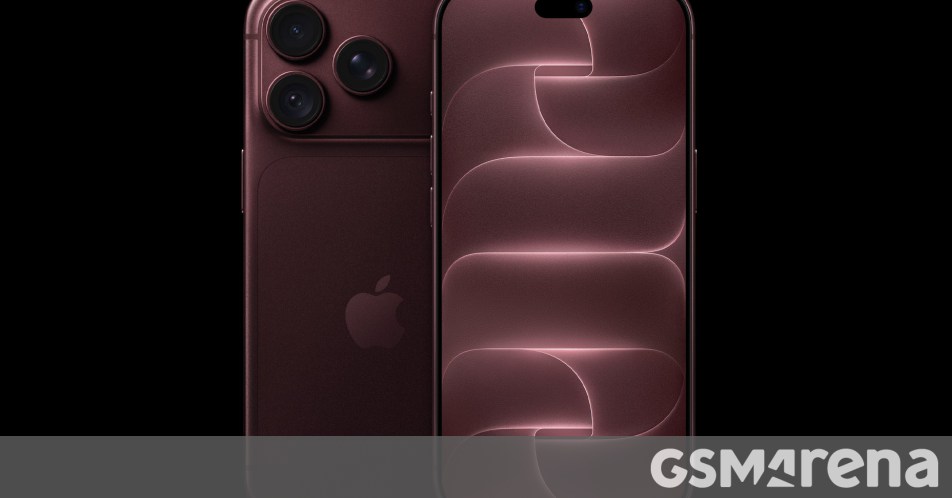
These incremental increases in screen size and resolution suggest that Apple is focusing on high-density clarity and immersive viewing experiences rather than experimental form factors. While the changes appear marginal on paper, they reflect a consistent trend of engineering perfection—honing the display technology to ensure that the iPhone remains the industry benchmark for color accuracy and pixel density.
Chronology: Two Decades of Innovation
To understand the weight of the "iPhone 20" moniker, one must look at the timeline of the device that changed the world.
The Foundation (2007–2012)
The journey began in 2007 when Steve Jobs took the stage to introduce a device that was a phone, an iPod, and an internet communicator. The original iPhone set the standard for capacitive touchscreens. Over the following five years, the "S" iterations and the iPhone 4 introduced the Retina Display, forever changing how we consume media on a handheld device.
The Scaling Era (2013–2019)
The launch of the iPhone 6 and 6 Plus marked a pivotal shift toward larger displays, responding to a market that demanded more screen real estate. This era saw the introduction of FaceID, the removal of the home button, and the refinement of the mobile processor, culminating in the A-series chips that began to outperform many desktop computers.

The Pro-Centric Future (2020–Present)
With the introduction of the "Pro" branding, Apple segmented its user base, offering professional-grade photography and processing power to power users. The recent release of the iPhone 18 Pro series solidified this, bringing high-end RAM configurations (12GB) and massive storage options to a professional workflow. Now, as we approach the 20th anniversary, the industry expects the iPhone 20 to act as a "greatest hits" collection of the last two decades, packed with the most advanced hardware Apple can manufacture.
Supporting Data: Comparing the 18 and the 20
To contextualize the reported specifications of the iPhone 20 Pro series, we must compare them against the current market leaders. The following data highlights the subtle, yet deliberate, scaling efforts by Apple’s display engineering team.
| Model | Screen Size | Resolution |
|---|---|---|
| iPhone 18 Pro | 6.3-inch | 1206×2622 |
| iPhone 20 Pro | 6.41-inch | 1236×2686 |
| iPhone 18 Pro Max | 6.9-inch | 1320×2868 |
| iPhone 20 Pro Max | 6.96-inch | 1340×2912 |
The data confirms that while Apple is indeed pushing the boundaries of physical size, they are primarily focused on maintaining a high pixel-per-inch (PPI) count. By increasing the resolution alongside the screen size, Apple ensures that the "Retina" quality remains consistent. This is essential for professional creators who rely on these devices for color grading, mobile video editing, and high-fidelity gaming.
Official Responses and Market Sentiment
Apple, true to its long-standing corporate policy, has remained silent regarding future product roadmaps. The company rarely comments on "leaks" or rumors, preferring to maintain an aura of mystery until the official keynote addresses. However, industry analysts suggest that the strategy of skipping the number 19 is a calculated marketing decision.

"The number 20 carries a psychological weight that 19 simply does not," says one tech market strategist. "By aligning the hardware launch with the 20th anniversary of the brand, Apple is essentially creating a ‘collector’s edition’ atmosphere. It encourages upgrade cycles among users who might otherwise skip a generation."
The market reaction to the current iPhone 18 Pro has been robust, with retailers reporting strong demand for the 256GB and 512GB models. The high entry price—hovering around $1,250 for the 18 Pro and $1,350 for the 18 Pro Max—indicates that Apple’s core demographic is not price-sensitive, but rather value-sensitive. They are willing to pay for performance, longevity, and the cachet of owning the latest technology.
Implications: What This Means for the Industry
The shift toward the iPhone 20 represents several critical implications for the broader smartphone ecosystem:
- The Death of the "S" Cycle: By skipping the 19, Apple is signaling that it no longer feels bound by sequential, iterative naming conventions. This gives them the freedom to release "anniversary" hardware that feels distinct from the previous year’s model.
- Display Dominance: The push for even thinner bezels and larger displays suggests that Apple is fighting a war on two fronts: competing with foldable technology by making standard screens as immersive as possible, and maintaining a standard form factor that remains durable and reliable.
- Performance Inflation: With the iPhone 18 Pro already featuring 12GB of RAM, the industry is entering an era where mobile devices are essentially laptops in our pockets. The iPhone 20 will likely push this further, integrating on-device AI and machine learning capabilities that require the hardware overhead of these larger, more efficient displays.
- Supply Chain Pressures: Increasing screen sizes and resolutions by even small margins requires a massive overhaul of the supply chain. Apple’s ability to source these displays at scale remains a primary indicator of their dominance in the manufacturing sector.
Conclusion: The Anniversary Milestone
As we look toward the future, the rumors surrounding the iPhone 20 Pro and Pro Max serve as a reminder that the smartphone is far from a stagnant product. While the jump from the 18 to the 20 may seem like a marketing maneuver, it is underpinned by a commitment to constant, iterative improvement.

For the average consumer, the current iPhone 18 Pro remains a pinnacle of mobile engineering. However, for those who value the legacy of the iPhone and the promise of what the next two decades of computing might hold, the anticipation for the 20th-anniversary model is already building. Whether or not these specific display leaks hold true, one thing is certain: Apple is preparing to make a statement that will echo throughout the tech world, ensuring that the legacy of the original 2007 device continues to define the future of communication.
As the calendar moves closer to the inevitable launch event, all eyes will remain on the supply chain, the beta testers, and the internal labs in Cupertino, waiting for the next glimpse into what promises to be one of the most significant releases in the history of the smartphone.