The AI Revolution on TikTok: Is Automated Advertising Ready for Every Business?
Introduction: Bridging the Gap Between Complexity and Accessibility
For years, small-to-medium-sized business (SMB) owners and independent marketers have faced a formidable barrier to entry when trying to leverage TikTok for advertising. The platform’s robust Ads Manager interface, while powerful, presents a steep learning curve that often requires specialized technical know-how, dedicated media buyers, and expensive agency retainers.
However, a massive shift is underway. TikTok has aggressively introduced a suite of artificial intelligence tools—most notably the Agentic Hub, Symphony Creative Studio, and Content Suite—designed to democratize short-form video advertising. By integrating AI agents like ChatGPT and Claude directly into the platform’s infrastructure, TikTok is promising a future where anyone, regardless of technical background, can build, manage, and optimize high-converting campaigns using plain, conversational language.
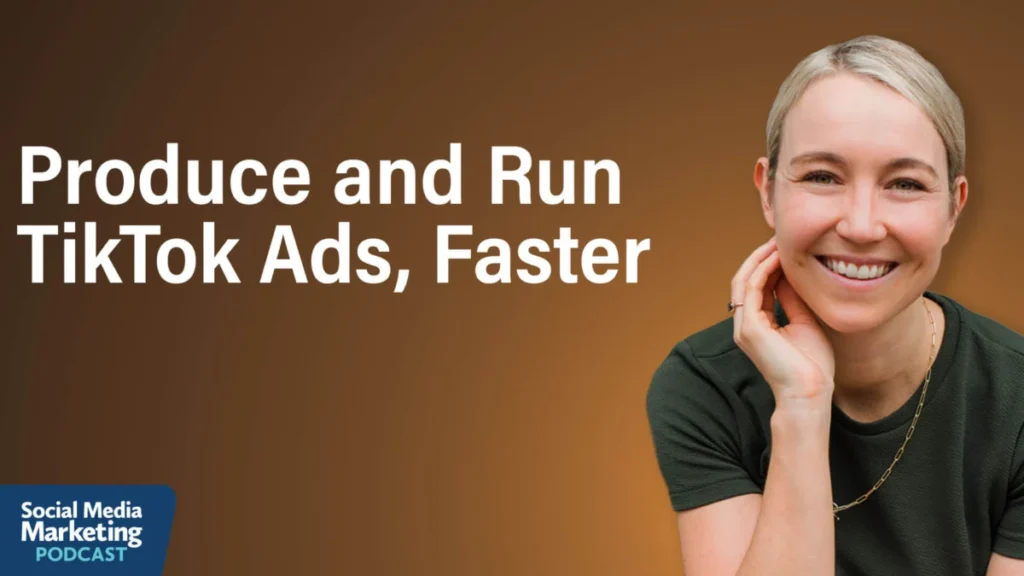
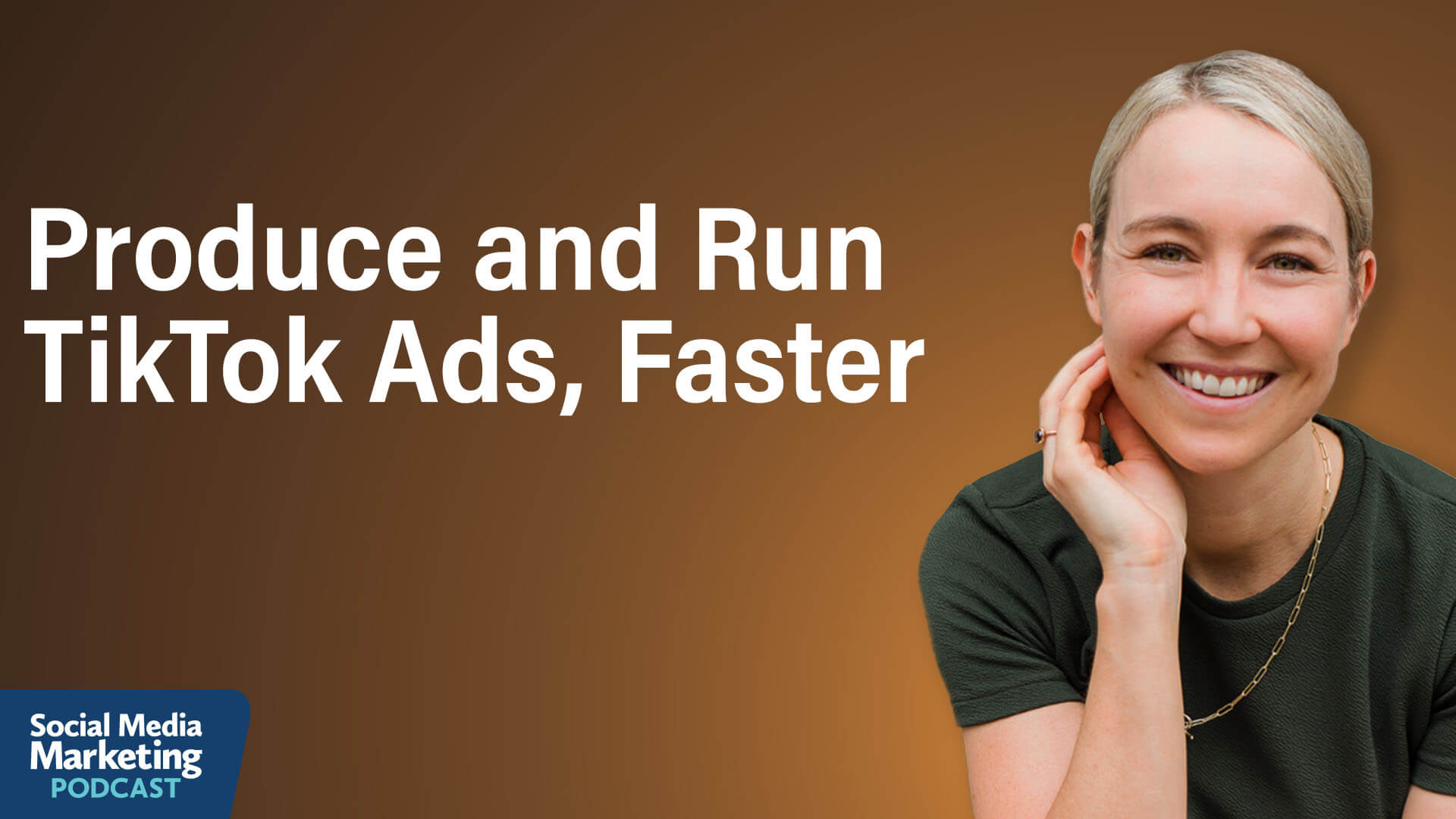
Co-created with insights from short-form video expert and Oysterly Media founder Melissa Laurie, alongside marketing authorities Michael Stelzner and Jerry Potter, this deep dive explores how TikTok’s latest AI ecosystem is changing digital marketing, where the technology excels, and where human oversight remains absolutely non-negotiable.
Main Facts: What is TikTok’s New AI Infrastructure?
At the core of TikTok’s automated push is a triad of powerful systems designed to remove friction at every stage of the advertising funnel:
- The Agentic Hub and MCP Integration: TikTok has launched the Agentic Hub, a centralized marketplace for AI-powered advertising utilities. This operates via the TikTok for Business MCP (Model Context Protocol), a protocol that links external AI engines (such as Claude and ChatGPT) directly to TikTok Ads Manager. Marketers no longer need complex API credentials, custom coding, or integrations; they can simply talk to their AI of choice to pull reports, analyze performance metrics, and brainstorm strategies.
- Official AI Skills: TikTok has released a library of downloadable instruction sets (or "skills") that operate within tools like Claude or ChatGPT. These include the Viral Video Creator, Ad Group Optimizer, and Account Diagnosis Co-pilots, giving general AI models specialized, expert-level training for TikTok marketing.
- Symphony Creative Studio: This is TikTok’s AI-powered video generation hub. It takes a text brief, analyzes current platform trends, pulls high-performing ad signals, and factors in brand guidelines to automatically draft product briefs, scripts, storyboards, and final videos.
- Content Suite’s AI Search: Acting as an advanced database of user-generated content (UGC) and ads, Content Suite now features an AI search upgrade that allows marketers to filter competitor ads by industry, geography, campaign objective, and timeframes.
Chronology: The Evolution of AI-Assisted Ad Management
To understand the magnitude of TikTok’s recent updates, it helps to examine how the digital advertising landscape has evolved:
- The Traditional Era (Pre-API/Manual Management): Advertisers had to manually build out campaigns inside native platform dashboards, requiring deep familiarity with targeting parameters, bidding strategies, and pixel placements. Data analysis meant exporting massive CSV files and manually parsing performance metrics.
- The Developer Era (Custom Integrations): Advanced agencies and enterprise brands hired software developers to build custom API integrations, linking third-party software and early machine learning models to ad accounts. This approach was cost-prohibitive for smaller companies.
- The Conversational Era (The MCP Breakthrough): The introduction of the Model Context Protocol changes everything. Rather than relying on rigid dashboards or expensive custom code, marketers now experience two-way communication with ad platforms via natural language. Melissa Laurie compares this setup to a restaurant: TikTok Ads Manager is the kitchen, the MCP is the waiter, and the AI tool (Claude or ChatGPT) is the menu. Marketers can now ask questions, pull reports, and adjust campaign architecture simply by chatting with an AI assistant.
Supporting Data and Operational Mechanics: How the System Works in Practice
The practical value of this technological leap lies in accessibility and cross-platform interoperability.
The Restaurant Analogy of Ad Management
Before the MCP protocol, retrieving campaign data or executing changes required navigating nested menus within TikTok Ads Manager. Today, a business owner who has never run an ad in their life can connect Claude or ChatGPT to their TikTok account. They can request plain-language explanations of why a campaign’s cost-per-acquisition spiked, ask for step-by-step setup guides, or request automated daily performance reports.
Furthermore, these AI "skills" are completely interoperable. A marketer is no longer trapped inside a single platform’s walled garden. For instance, a copywriting skill designed for TikTok can be applied to Meta campaigns, and vice versa.
Automating the Baseline Tasks
For those looking to integrate AI into their daily workflows, experts recommend starting with three foundational steps:
- Automated Reporting: Set up the AI to deliver a concise daily performance summary.
- Creative Fatigue Monitoring: Ask the AI to evaluate which ad creatives are maintaining strong hooks and which are experiencing audience fatigue.
- Budget Allocation: Feed the AI specific parameters—such as, "I have a $5,000 budget and want to achieve lead generation goals"—to receive structured campaign setup blueprints.
Official Responses and Expert Cautions: Where AI Falls Short
Despite the immense promise of automation, industry experts urge caution. AI-generated recommendations should never be taken as absolute truth without human context.
The Danger of Blindly Following AI Suggestions
Platforms like TikTok rely heavily on historical data. If a brand launches a brand-new creative asset that has only been running for 48 hours, TikTok’s native AI might recommend pausing it simply because older, established ads have a higher cumulative conversion rate.
“Marketers need their own judgment about how campaigns work and should push back on AI suggestions,” notes Melissa Laurie.
When users push back—asking queries like, "What’s another way to do this?" or "Could I be doing this better?"—AI tools typically recalibrate and offer more nuanced strategies.
The AI Human Likeness Problem
When it comes to video generation via Symphony Creative Studio, generative AI hits a significant roadblock regarding human representation.
- AI Avatars: Industry consensus indicates that the technology is not yet mature enough to produce convincing human presenters. AI-generated avatars claiming things like "all my friends are talking about this" immediately trigger skepticism and trust issues among savvy modern consumers.
- Where AI Video Succeeds: Instead of replacing human creators entirely, the most successful brands use a hybrid approach. For example, agencies work with real creators to film product demonstrations, then use AI to overlay visual effects—such as animated "angry germs" to dramatize a cleaning product’s effectiveness. Alternatively, product-only showcases (particularly in beauty and furniture sectors) thrive under AI generation, rendering textures, lighting, and environments at a scale of up to 100 videos per week without needing physical film shoots.
Implications: The Anatomy of High-Performing Short-Form Content
As AI lowers the barrier to entry, the baseline quality of ads across TikTok is rising exponentially. To stand out in an increasingly crowded feed, brands must master the mechanics of authentic, high-performing short-form video.
1. The First Frame and Billboard Text
Viewers scroll through feeds at lightning speed on public transit, during breaks, and at home. A brand competes not just with direct industry rivals, but with top-tier influencers backed by full production teams.
- The First Frame: This single visual image determines whether a user stops scrolling.
- Billboard Text: Large text overlays acting like highway billboards—conveying core value propositions in a fraction of a second.
- Opening Words: Spoken hooks that immediately capitalize on the stopped visual.
2. The Structure of a Winning Video
- The Glue: The connective tissue that bridges the hook to the middle content, preventing early drop-offs.
- Structured Delivery: Grouping tips or educational points into sets of three.
- Sharp Endings: Cutting the video abruptly rather than slowing down speech, which signals to viewers that the content is ending and encourages them to scroll away. A crisp cut tells the algorithm that users watched all the way through, boosting organic distribution.
3. Authenticity Beats Polished Production
Staged, overly polished commercial ads are instantly recognized and skipped. Content that mimics a friend sharing a casual recommendation—such as a creator talking about a hair product while walking down a busy street, or a lawyer answering legal queries while applying makeup—drives significantly higher engagement. Even raw footage benefits from light editing, jump cuts, and subtitles to accommodate viewers watching with the sound off.
Conclusion: The Future of Marketing with AI
TikTok’s integration of the Agentic Hub, MCP protocols, and Symphony Creative Studio marks a definitive turning point in digital marketing. Technical complexity is no longer an insurmountable wall for small business owners.
However, technology has not replaced the marketer; it has shifted their role. Time spent on manual dashboard management and tedious video rendering has been replaced by the need for advanced prompting, strategic refinement, and creative direction.
Whether businesses choose to manage campaigns themselves using AI toolkits or partner with full-service agencies, the message is clear: the tools are more powerful than ever, but human ingenuity remains the ultimate differentiator in cutting through the digital noise.