Building an AI Creative Director: Transforming Voice Journals Into Multi-Platform Content With Claude
In the modern digital landscape, creators and small business owners face an unyielding demand for consistent, multi-platform content. Without a dedicated creative team, maintaining a steady cadence across newsletters, social media threads, video scripts, and carousels often leads directly to burnout or content droughts.
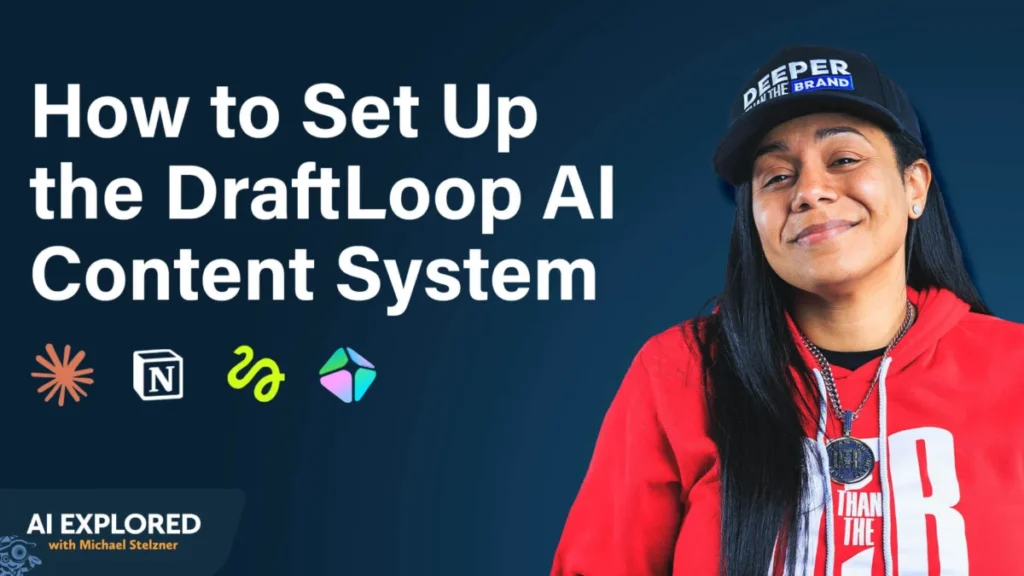
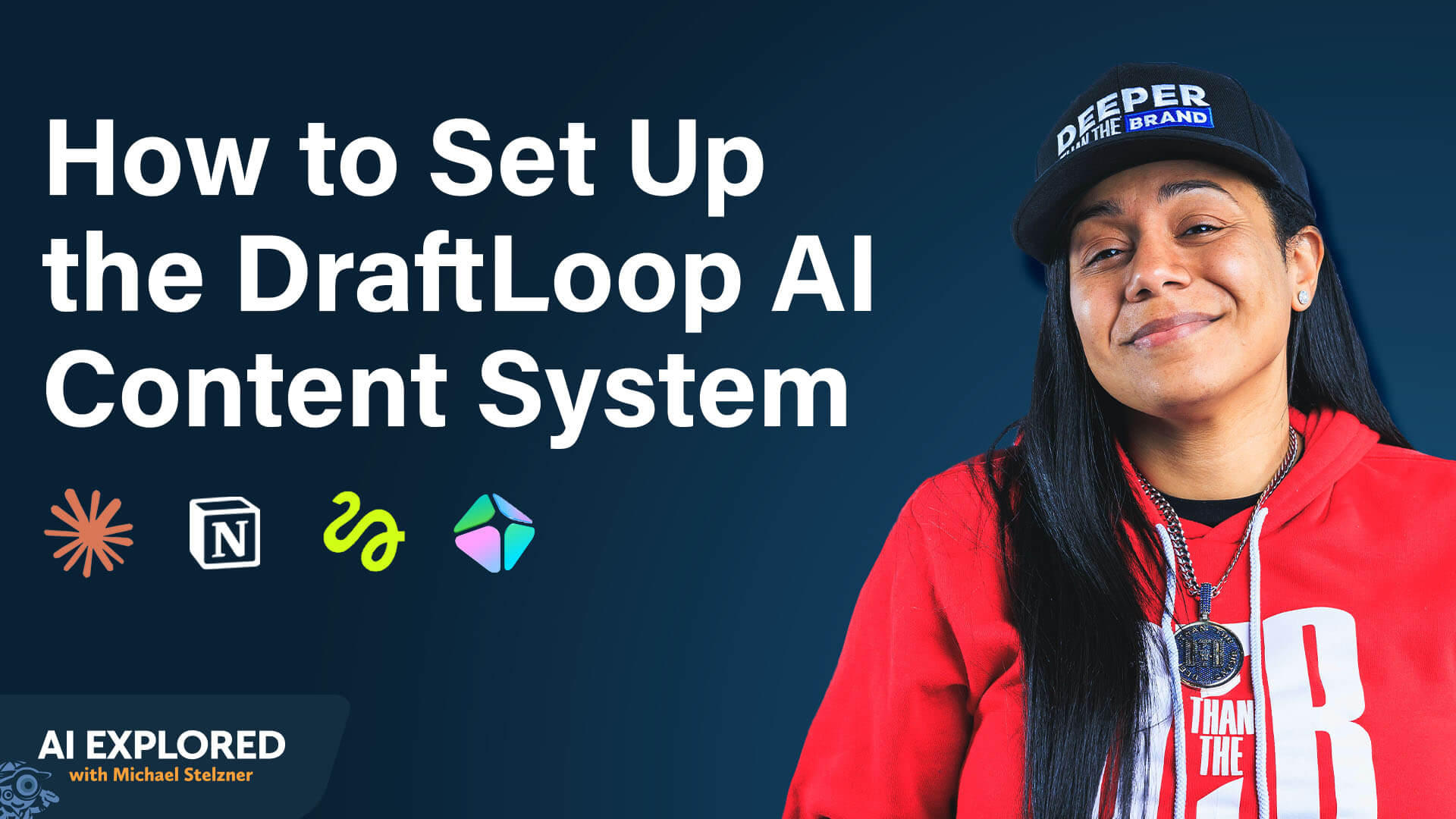
Addressing this modern workflow crisis, AI strategist Nicky Saunders partnered with Michael Stelzner on the AI Explored podcast to unveil a blueprint for building a personal "AI Creative Director" using Claude. By integrating voice journaling with advanced AI skills and automation tools, creators can transform raw, spoken thoughts into polished, multi-format content that maintains an authentic brand voice.
Main Facts: The AI Creative Director Blueprint
The core thesis of the Saunders-Stelzner framework is that artificial intelligence should act as an integration layer within existing creative workflows—serving as a collaborative partner rather than an absolute replacement for human thought.
Instead of starting with a blank page, creators use the system to process unstructured raw material into platform-ready assets. The architecture relies on several core pillars:
- The AI Creative Partner Model: AI functions as a 24/7 sounding board that validates ideas, retains long-term conversational memory, and bypasses the ego dynamics of human feedback loops.
- Vision and Style Foundations: Prior to building automated systems, creators must codify their aesthetic and strategic goals using visual inspiration libraries and existing brand assets.
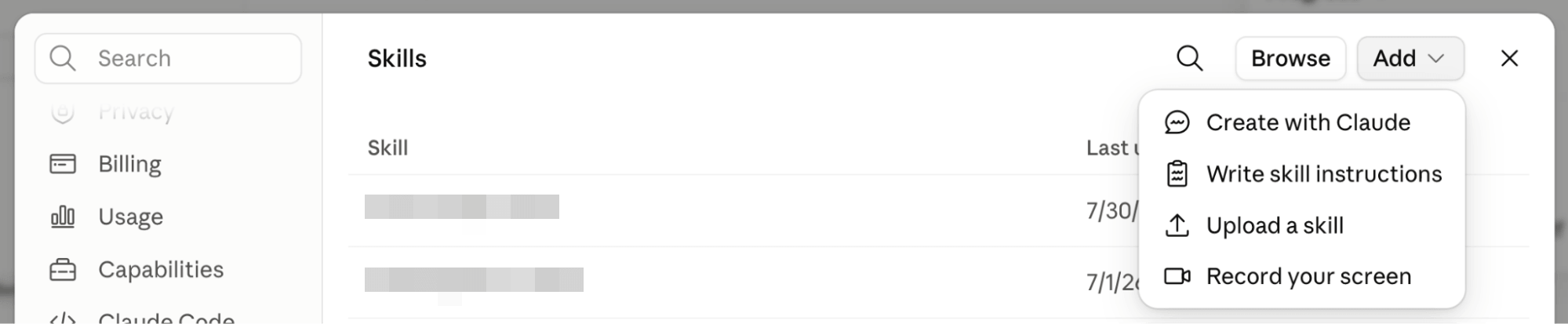
- Persistent Claude Skills: Rather than re-explaining preferences in every new chat, users build reusable instruction sets for Brand Voice and Platform-Specific Style.
- The DraftLoop Workflow: An automated pipeline connecting Notion, Claude, and visual tools like Higgsfield and HeyGen to turn daily voice journals into finished drafts.
- Human-in-the-Loop Safeguards: AI handles ideation, drafting, and production, but human judgment retains final approval and direct control over scheduling and publishing.
Chronology: From Voice Memo to Multi-Platform Distribution
Implementing an AI-driven creative system requires a sequential, step-by-step approach. Creators cannot simply plug an AI tool into their business without foundational preparation. The chronological build-out follows a structured pathway.
Step 1: Establishing Creative Vision and Style
Before configuring any AI system, a creator must define their vision—understanding the exact feeling content should evoke, the intended audience takeaway, and the primary call-to-action (signup, purchase, or engagement).
Next, style is established by showing rather than telling. Creators collect visual inspiration from Pinterest boards, magazine covers, or website screenshots and upload them into a Claude project. Claude analyzes these assets to teach the creator the technical vocabulary of their own aesthetic (such as saturation levels and color harmonies).
Step 2: Building Core Claude Skills
Once the vision and style are locked in, users build reusable "Claude skills." These persistent instruction sets act as long-term memory.

- The Brand Voice Skill: Trained on video transcripts, Zoom recordings, newsletters, and social posts, this skill ensures that future AI outputs align 80% to 85% with the creator’s natural speech patterns right out of the gate.
- Platform-Specific Style Skill: This module studies how the creator alters their format and tone across different channels—distinguishing between a punchy X/Twitter thread, a long-form Substack essay, and a YouTube script.
Step 3: Executing the Daily DraftLoop Workflow
With the system primed, daily execution follows a streamlined chronological loop:
- The Voice Journal (Morning): During a daily walk, the creator records an unstructured voice memo via Notion’s AI meeting notes, treating it like a modern version of morning pages.
- Automated Extraction (8:00 AM): A scheduled Claude Cowork task scans the Notion journal for new entries, extracting core ideas and drafting initial tweets, newsletter copy, and carousel concepts.
- Human Review and Refinement (11:00 AM): The creator reviews the output, selects winning concepts, and instructs Claude to expand specific ideas into full video scripts or visual storyboards.
- Visual and Video Generation: Tools like Higgsfield and HeyGen generate carousel images, animated brand mascots, and avatar video previews for script-testing.
- Manual Publishing: After final human polishes, the content is scheduled and published manually to ensure account safety and platform compliance.
Supporting Data and Technical Stack
Building a robust AI creative director requires leveraging specific tools designed for data scraping, automation, and advanced language processing.
Sourcing Content with Apify
To efficiently train brand voice skills, Nicky Saunders utilizes Apify, a data-scraping tool featuring an MCP connector for Claude. Apify extracts raw public material—such as historical YouTube videos and transcripts, Instagram comments, and engagement metrics—from the creator’s own channels or competitor profiles. Pricing starts at an accessible $29 per month (with a free tier available), storing scraped data directly into Google Drive or Notion for Claude’s analysis.
Leveraging Advanced Language Models
Model selection significantly impacts output quality. According to the insights shared on the podcast, users on advanced tiers benefit from experimenting with specialized models. For instance, Claude Fable 5 Low excels at crafting concise, punchy short-form copy, making it superior for tight social media hooks, carousel headlines, and email subject lines compared to broader models.
Official Insights and Philosophy
The philosophy underpinning the AI Creative Director framework centers on mitigating creator burnout without sacrificing authenticity.
Saunders emphasizes that creators typically fall into two counterproductive camps: those who reject AI entirely, and those who blindly hand over every creative decision to a machine. True productivity lies in the middle ground, where AI acts as a "twenty-four-seven brain-warming buddy."
Furthermore, the system serves as a data-driven counterbalance to creative restlessness. When a creator grows tired of repeating a core message, Claude’s historical analysis of engagement data can point back to proven topics that consistently drive high comment activity and audience resonance.
Implications for Content Creators and Small Businesses
The democratization of AI creative directors carries profound implications for the digital marketing landscape:

- Lowering Production Barriers: Small business owners and solo entrepreneurs can now achieve the content output of a multi-person media team without massive overhead costs.
- Preserving Authentic Voice: Because the content pipeline originates exclusively from personal voice journals, thoughts, and experiences, the resulting output avoids the sterile, repetitive nature of generic "AI slop."
- Redefining the Creator’s Role: The creator transitions from a stressed-out laborer constantly chasing a blank page into an executive Editorial Director who simply reviews, refines, and greenlights pre-packaged assets.
By balancing technological efficiency with rigorous human oversight, creators can scale their digital footprint while keeping their authentic voice front and center.