Navigating the AI Era on LinkedIn: How to Scale Content, Master the Algorithm, and Sound Human
As artificial intelligence transforms the digital marketing landscape, platforms are rapidly evolving to separate genuine expertise from automated noise. LinkedIn is no exception. Facing a tidal wave of robotic posts and automated commentary, the professional network has quietly initiated a major crackdown on low-quality, AI-generated content—commonly referred to as "AI slop."
For B2B marketers, creators, and executives, this dynamic creates a high-stakes dilemma: how to leverage the immense efficiency of AI tools without losing the authentic human voice required to build trust, authority, and engagement.
Recently, digital marketing experts AJ Wilcox, Michael Stelzner, and Jerry Potter unpacked this exact challenge. Their insights reveal a comprehensive playbook for mastering AI-assisted content creation, optimizing comment strategies, leveraging live streams, and avoiding pitfalls in LinkedIn advertising.
Main Facts: The Reality of LinkedIn’s AI Crackdown
LinkedIn’s aggressive shift toward authenticity is reshaping the platform rules. The primary facts driving this transformation include:
- Massive Algorithmic Filtering: Over recent months, LinkedIn has blocked billions of automated posting attempts and hundreds of thousands of comment bots daily.
- Crowdsourced Detection: Members can now report content they suspect of being AI-generated. While these reports initially serve as training data for LinkedIn’s detection models rather than immediate penalties, they foreshadow tighter automated restrictions.
- Feature Evolution: LinkedIn is phasing out its old "enhance your post" feature—which rewrote text in a generic AI voice—replacing it with a proofreading tool designed strictly to preserve the author’s original voice.
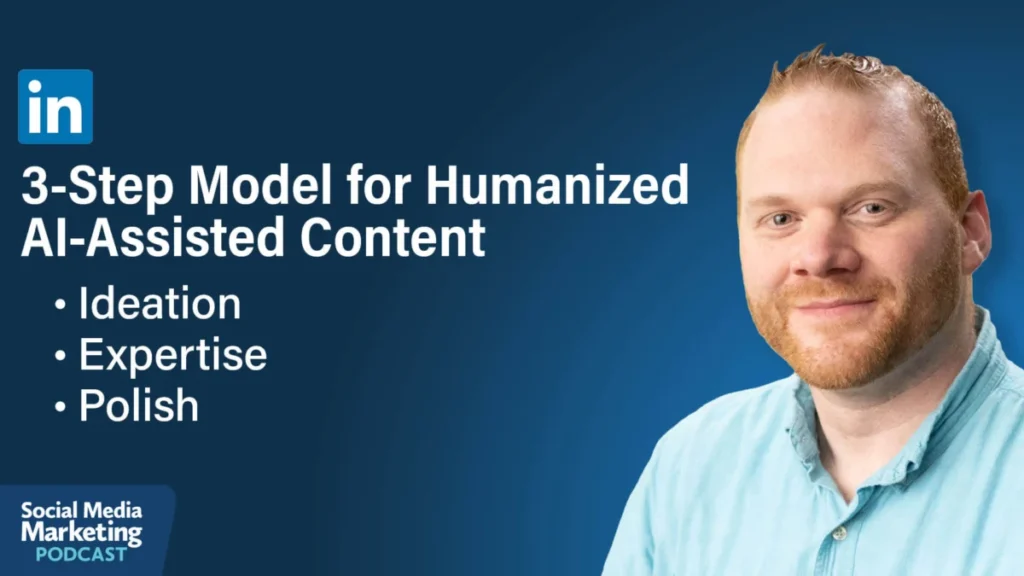
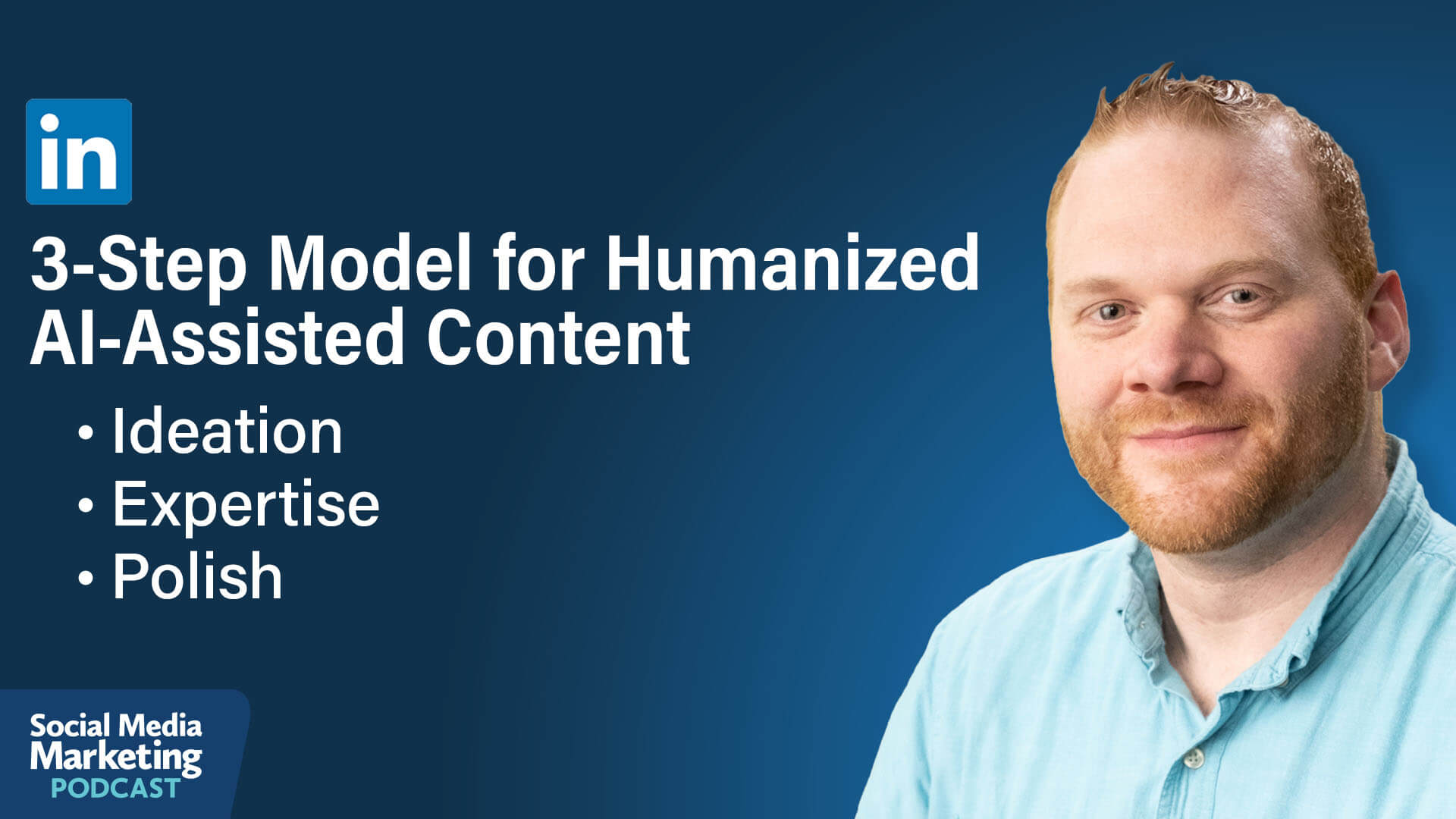
- The "Sandwich" Strategy: Experts recommend an "Ideation-Expertise-Polish" framework. AI handles the brainstorming and structural editing, while human expertise provides the core substance in the middle.
- Strategic Shifts in Comments and Video: LinkedIn is surfacing comment threads more prominently in feeds, introducing comment impression metrics, and deploying AI tools to automatically clip and chapter live streams.
Chronology of Platform Evolution and Strategic Shifts
The tension between automated content generation and human-first networks has developed rapidly over the last several years:
- Phase 1: The Rise of Generative Assistance. Early adoption of large language models allowed marketers to scale output rapidly. However, this led to an influx of formulaic templates, predictable em dashes, and dramatic hooks ("This is silently killing you").
- Phase 2: Community Pushback and Reporting. As users grew fatigued by inauthentic content, LinkedIn introduced reporting mechanisms for perceived AI slop. Concurrently, analytics dashboards began reflecting audience perception scores.
- Phase 3: The Algorithmic and Product Pivot. Recognizing that generic AI rewrites hurt platform quality, LinkedIn replaced broad rewriting features with minimalist proofreading tools. At the same time, the platform elevated comment visibility and introduced AI-driven video clipping to reward genuine dialogue over static text broadcasting.
Supporting Data and Platform Metrics
Understanding LinkedIn’s underlying ecosystem requires looking at how engagement patterns and algorithms currently operate:
- Comment Engagement Surge: Time spent within comment sections across LinkedIn is up 18% year-over-year, turning the comments section into a powerful, standalone growth vehicle.
- Comment Density vs. Volume: LinkedIn’s company pages team prioritizes comment density—the depth and intellectual substance of conversation threads—over simple back-and-forth exchanges or superficial phrases like "great post."
- Optimal Posting Schedules: Data supports publishing original content on Tuesday and Thursday for a two-post weekly schedule, or Wednesday for a single weekly post. Mondays and Fridays show diminished returns due to work-week transitions and weekend disengagement. Furthermore, posting twice in a single day cannibalizes reach by pitting the creator’s own posts against one another.
- Ad Variation Traps: While LinkedIn recommends running five or more ad creative variations per campaign to lift click-through rates by 20%, tactical testing shows that exceeding four variations breaks the platform’s frequency cap, pushing costs up by over-serving ads to the same users.
Official Responses and Industry Perspectives
AJ Wilcox, founder and CEO of B2Linked and a leading authority on LinkedIn advertising, emphasizes that LinkedIn’s current detection mechanisms rely heavily on human behavior.
"Real people are flagging content that reads as inauthentic, and LinkedIn is listening," Wilcox explains. He notes that the current reporting feature acts primarily as a training mechanism for detection models, meaning creators who rely on lazy, unedited AI output will soon find their reach heavily suppressed.
According to Wilcox, the most sustainable path forward involves respecting the platform’s unique culture rather than treating it like Meta or X. While platforms like Meta thrive on high volumes of creative testing and broad placements, LinkedIn rewards disciplined frequency, structural clarity, and high-substance interactions.
Furthermore, Wilcox highlights the Ted Lasso principle—"Be curious, not judgmental"—as the gold standard for navigating professional disagreements in comments, allowing creators to build robust networks without burning bridges.
Strategic Implications for Marketers and Creators
To thrive under LinkedIn’s current ecosystem, professionals must adjust their workflows across four major pillars:
1. Mastering the Content Workflow
Creators must stop treating AI as a ghostwriter. Instead, adopt the Ideation-Expertise-Polish model:
- Ideation: Use AI to generate alternative angles, frameworks, and outlines.
- Human Expertise: Inject real-world case studies, proprietary data, and hard-won industry nuance. Skipping this step results in recognizable "AI slop" characterized by overuse of em dashes, repetitive emojis, and sensationalized phrasing.
- Polish: Use AI strictly to tighten sentences, fix grammar, and improve readability.
2. Capitalizing on Comment Strategies
Because comment impressions are now fully visible to users and highlighted directly in the feed, commenting on established accounts offers a viable growth channel for those without massive follower counts. Creators should target the first 1 to 2 hours after a post goes live, use open-ended prompts like "What am I missing?" or "Am I wrong?", and maintain respectful, substantive dialogue to boost comment density.
3. Leveraging AI in Video and Live Streams
Executive thought leadership is often bottlenecked by production friction. By recording live-stream interviews in high resolution and letting LinkedIn’s native AI tools automatically extract 30- to 60-second clips and create playback chapters, companies can dramatically lower production overhead while extending content lifespans up to six months.
4. Refining Ad Operations
B2B advertisers must avoid the trap of importing Meta’s high-volume testing strategies directly into LinkedIn. Sticking strictly to 2 to 4 creative variations per ad set protects campaign budgets from frequency-cap penalties while maintaining optimal testing agility.
Conclusion
LinkedIn’s war on AI slop is not a war on technology; it is a defense of professional credibility. By using AI as an assistant rather than a replacement, focusing on authentic expertise, and aligning with the platform’s evolving algorithm, marketers can cut through the noise and build lasting authority in the digital space.