The Evolution of Blogging: Why Effort, Strategy, and "Rented Land" Are Defining the New Era of Content
For over a decade, the corporate blog has been a non-negotiable pillar of the digital marketing landscape. From startups to Fortune 500 enterprises, the mantra has remained consistent: publish high-quality content to fuel SEO, establish thought leadership, and educate your audience. However, as the digital ecosystem shifts under the weight of generative AI and changing search behaviors, the old playbook is beginning to show its age.
To understand how the ground is shifting, we turn to the 11th Annual Blogger Survey conducted by the experts at Orbit Media. This longitudinal study provides a critical reality check for marketing teams struggling to find traction in an increasingly noisy, AI-saturated environment.
The State of the Blog: Main Facts and Key Findings
Despite the hype surrounding generative AI and the promise of "automated" content production, the fundamental reality of blogging has remained remarkably stubborn.

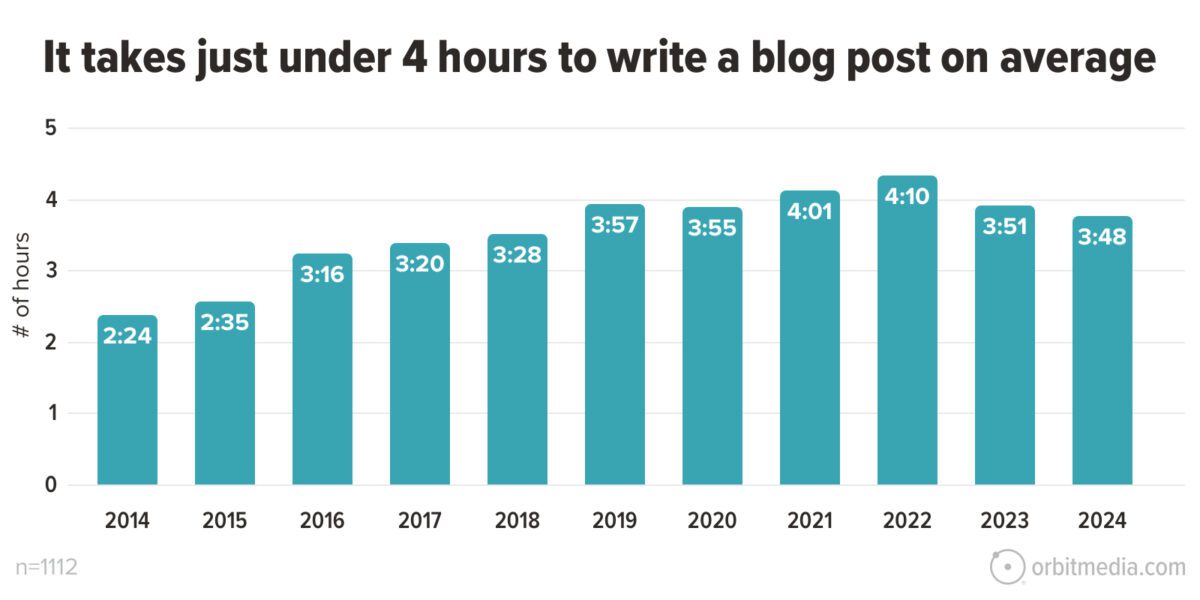
The survey reveals that the average blog post takes three hours and forty-eight minutes to write. This figure is essentially unchanged from the previous year, proving that while AI tools are ubiquitous—with adoption rates climbing from near zero in 2022 to 80% today—they have not yet significantly reduced the human time investment required for high-quality content.
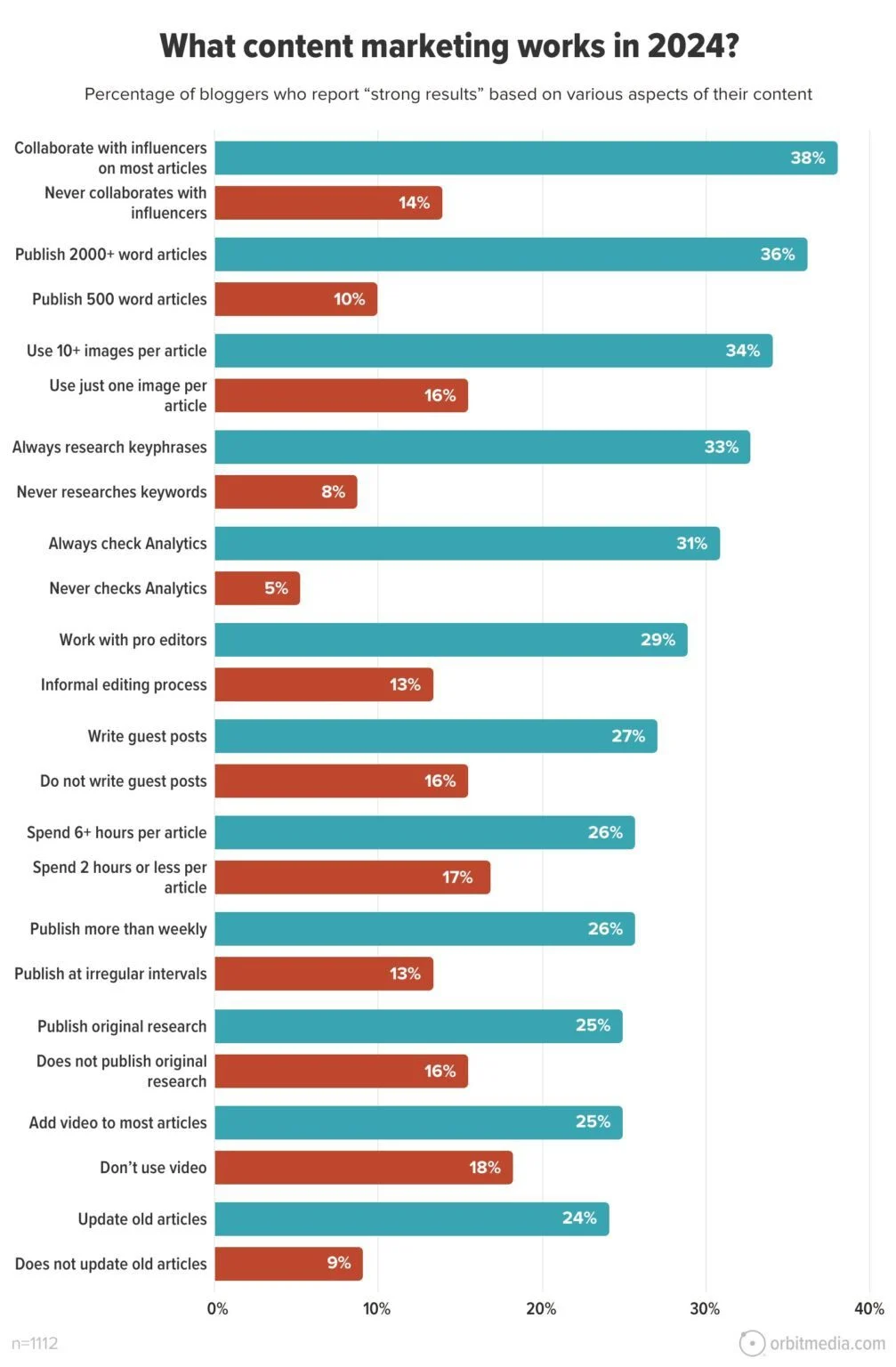
The reason? True content performance relies on human-led strategy, fact-checking, and the infusion of brand-specific creativity that AI currently cannot replicate. The data suggests a clear correlation: those who invest more time (four-plus hours per post) and prioritize long-form, authoritative content are the ones reporting the "strong results" that define a successful ROI.
A Chronology of Declining Traffic
To understand where we are, we must look at where we have been. Over the last nine years, there has been a steady, measurable decline in the percentage of bloggers who report "strong results."
- The Golden Age of Traffic: Historically, many brands relied on organic search as a firehose for traffic. The "publish and pray" method worked because search algorithms were more predictable and competition was lower.
- The Shift in Search: As search engines move toward "zero-click" experiences and AI-generated summaries, the traditional traffic-to-blog model is being disrupted.
- The Current Reality: The survey highlights that while traffic may be harder to come by, the value of the traffic that does arrive is higher if the content is targeted, strategic, and deeply valuable. The era of measuring success by raw traffic numbers is effectively over.
Supporting Data: What Actually Works?
The Orbit Media research provides a roadmap for those willing to pivot. Several key metrics underscore why some blogs thrive while others stagnate:
1. The Power of Frequency
Data indicates that a bi-weekly cadence is the minimum requirement for maintaining audience engagement. Users have become sophisticated curators of information; they do not tolerate inconsistent posting or "thin" content.
2. The "Social" Approach to Blogging
Perhaps the most significant takeaway is the need to treat a blog feed with the same rigor as a social media stream. Top-performing content programs mirror the tactics of social platforms—utilizing high-impact visuals, clear hooks, and formats that encourage interaction.

3. The Audio Advantage
One of the most eye-opening findings is that content marketers who incorporate audio—specifically podcasts—are twice as likely to report strong results. While the sample size of podcasters in the survey is smaller, the trend is undeniable. Podcasting requires a level of collaboration and human storytelling that text-only blogs often lack, which naturally elevates the brand’s authority.
Official Responses: Insights from Andy Crestodina
To peel back the layers of this data, we spoke with Andy Crestodina, CMO and Co-Founder of Orbit Media. Crestodina has been at the forefront of digital marketing for over two decades, and his perspective on the research is both pragmatic and provocative.
On the "Low-Effort" Trap:
"The data is telling us, year after year, that big efforts drive big outcomes," Crestodina notes. He expresses frustration at seeing so many brands persist with low-effort, high-frequency, short-form content. "No research pieces, no collaboration, no guest posts, no video—what do these marketers expect? They should set their expectations low because that is exactly what the data tells us."

On Redefining Metrics:
Crestodina argues that the most visible metrics—such as page views or total traffic—are often the least important. "The most important outcomes from marketing are the hardest to measure: word-of-mouth, top-of-mind awareness, and bottom-of-funnel conversions."
On the "Rented Land" Strategy:
Perhaps the most surprising advice from Crestodina involves his own strategy for the Orbit Media blog. "Years ago, when click-through rates started to fall, I decided to break the old rule of ‘don’t build on rented land’ and launched a LinkedIn newsletter. We have less website traffic than we did four years ago, but we have significantly more visibility." By meeting the audience where they already live, Orbit Media has managed to maintain growth in an era of declining search traffic.
Implications for Content Marketing Leaders
What does this mean for the future of your content team? It requires a shift from quantity to quality, and from generic SEO to platform-specific strategy.

1. Re-evaluate Your Metrics
Stop obsessing over traffic and start measuring engagement, lead quality, and brand sentiment. Use your blog as a library of assets to support sales enablement rather than just a top-of-funnel traffic driver.
2. Prioritize "High-Effort" Content
If you want results, you must produce content that cannot be replicated by a basic AI prompt. This means original research, expert interviews, and proprietary data. The time investment of 4+ hours per post is not a waste; it is a competitive moat.
3. Embrace the "Rented Land" Strategy
Do not be afraid to publish your best content on LinkedIn, Medium, or other third-party platforms if that is where your audience spends their time. Building a community on a platform that actively promotes your content is a modern necessity.

4. Integrate Multiple Media Formats
The data clearly shows that text-only blogs are at a disadvantage. By integrating video and audio, you cater to different learning styles and increase the likelihood of "stickiness" for your brand.
Conclusion: The Path Forward
The 11th Annual Blogger Survey is not a eulogy for the blog; it is a manifesto for its evolution. As the digital landscape becomes more crowded and the algorithms more opaque, the brands that win will be the ones that stop treating their blog like an SEO checklist and start treating it like a strategic asset.
Success in 2025 will be defined by the courage to do things that are hard: collaborating with industry experts, conducting original research, and meeting the audience on their terms. The data is clear: the era of easy, low-effort blogging is over. The era of intentional, high-impact content marketing has just begun.

For more insights on refining your content strategy, keep following the ongoing research from Orbit Media and the strategic guidance provided by the experts at Convince & Convert. The tools are available; the only question is whether you are willing to put in the time.