The Digital Satyagraha: Rahul Gandhi’s New Strategy to Aggregate India’s Grassroots Resistance
By Political Correspondent
October 4, 2026
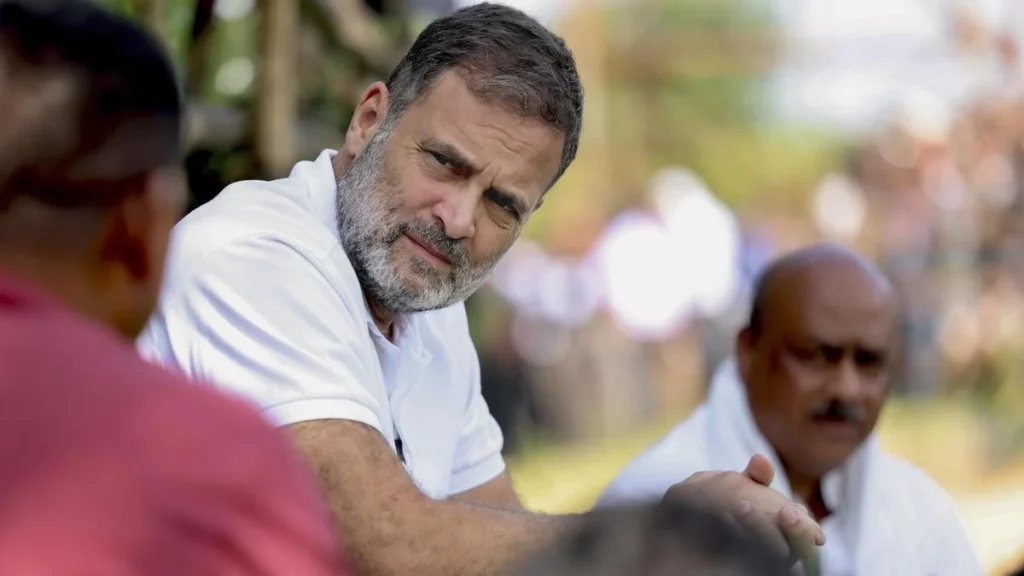
In a significant shift in political engagement, the Leader of the Opposition in the Lok Sabha, Rahul Gandhi, officially unveiled "Satyagraha"—a sophisticated digital platform designed to map, aggregate, and amplify resistance movements across the Indian subcontinent. The launch, which took place on Saturday, October 3, 2026, marks a transformative moment in how the principal opposition party plans to interact with civil society, student unions, and localized protest groups.
The initiative emerges against a backdrop of intense political volatility. As of early October 2026, the national capital and several other regions are witnessing persistent protests led by opposition figures and youth-led organizations. These demonstrations are primarily centered on demands for the immediate resignation of Chief Election Commissioner Gyanesh Kumar, citing alleged irregularities and deep-seated disparities in the management of the Special Intensive Revision (SIR) of electoral rolls.
The Genesis of the Satyagraha Platform
Rahul Gandhi’s launch of the platform is framed not merely as a technological tool, but as a moral imperative. In his inaugural communication on the platform, Gandhi observed that while millions of Indians are actively fighting for their constitutional rights, they are "too often fighting alone."
The platform seeks to bridge this isolation. By categorizing the grievances of diverse demographics—including Gen Z activists, students, farmers, Adivasis, Dalits, and women—Gandhi intends to create a centralized digital repository of dissent. The name "Satyagraha" itself is a deliberate invocation of Mahatma Gandhi’s philosophy of non-violent resistance, positioning the digital tool as a modern-day instrument of civil disobedience and truth-seeking in the face of what the Opposition characterizes as a state-sponsored suppression of facts.
Chronology of the Launch and Initial Response
The rollout of the platform was met with an immediate and overwhelming public response, suggesting a latent demand for such an advocacy channel.

- October 3, 2026 (09:00 AM): The Satyagraha platform went live, accompanied by a video message from Rahul Gandhi on social media, emphasizing his role as the Leader of the Opposition in providing a megaphone to the marginalized.
- October 3, 2026 (06:00 PM): Within nine hours of its inception, the platform recorded over 10,000 unique submissions.
- October 4, 2026 (Morning): Data analytics from the platform indicated a broad range of concerns, spanning education, systemic corruption, social justice, agrarian distress, healthcare access, and environmental degradation.
Gandhi addressed the influx of data, confirming that his team would personally review every submission. "That is how many struggles Indians are already fighting—quietly, convinced no one was listening. We are listening," he stated.
Understanding the Mechanism: How ‘Satyagraha’ Operates
The platform is designed for accessibility, allowing both individuals and collective groups to register their grievances through a standardized digital form. The workflow is designed to move from localized complaint to national-level political discourse:
- Submission: Users log into the portal and choose between filing as an individual or on behalf of a group.
- Categorization: Users provide demographic data and select from a pre-defined list of issue categories, ensuring that grievances can be filtered and analyzed by the backend team.
- Documentation: The portal allows for the uploading of photographic or video evidence, providing a layer of accountability that text-only complaints often lack.
- Geospatial Mapping: Once verified, the grievance is "pinned" to a digital map of India. This visual representation serves to highlight the density and geographic spread of dissent across the country.
- Review and Amplification: The final, most critical step involves a rigorous review process. Selected issues are then slated for elevation through parliamentary questions, press conferences, and strategic social media campaigns.
Supporting Data: Why Now?
The urgency behind the launch of Satyagraha is tied to the ongoing crisis surrounding the Election Commission of India (ECI). The current protest movement, which is the immediate catalyst for this digital pivot, stems from claims that the Special Intensive Revision of electoral rolls has been manipulated.
Opposition leaders allege that the current leadership under Chief Election Commissioner Gyanesh Kumar has failed to ensure impartiality, leading to the disenfranchisement of voters in opposition-stronghold districts. By creating a digital map of these "resistance movements," Gandhi is attempting to demonstrate a pattern of systemic failure rather than isolated, anecdotal incidents of administrative error.
Implications for the Indian Political Landscape
The introduction of the Satyagraha platform suggests a fundamental change in the Opposition’s strategy. By moving away from traditional, intermittent protest rallies toward a persistent, data-driven model of engagement, the Congress party is effectively institutionalizing dissent.
1. Empowering the Grassroots
For many marginalized groups, the platform provides a sense of legitimacy. By promising that every submission will be read and that the team will "reach out where more details are needed," Gandhi is creating a feedback loop between the political leadership and the citizens. This effectively bypasses traditional bureaucratic barriers that often stifle local grievances.

2. The Shift to Digital Advocacy
In the current political climate, where mainstream media channels are often accused of bias, the Satyagraha platform serves as an alternative information ecosystem. By curating their own data, the Opposition is effectively creating a primary source repository that can be utilized during legislative debates in the Parliament.
3. A Long-Term Strategy
Gandhi has explicitly stated that Satyagraha is not a one-day campaign. He has projected it as a long-term fixture of his political office, designed to run for years. This indicates a commitment to building a permanent infrastructure of support for various andolans (movements), regardless of their size.
Challenges and Future Outlook
While the platform offers a novel approach to political mobilization, it faces significant challenges. The primary concern is the scalability of the response. Handling 10,000 requests in a matter of hours is a logistical feat; maintaining that level of diligence over months or years will require a massive, well-organized administrative backbone.
Furthermore, the efficacy of the platform will be judged by its results. If the issues registered on the site do not lead to tangible policy shifts, parliamentary intervention, or judicial redress, there is a risk that the public may view the initiative as mere "performative politics."
However, as the Opposition gears up for further confrontations with the ruling dispensation, the Satyagraha website stands as a bold experiment in digital democracy. It is a calculated attempt to transform the fragmented energy of the Indian electorate into a unified, coherent, and audible voice that demands accountability from the highest offices of the land.
As of October 4, 2026, the map on the Satyagraha website continues to populate with new pins, each representing a specific struggle, a specific location, and a specific plea for justice. For Rahul Gandhi, this is not just a website; it is the infrastructure for a new era of opposition politics in India—one that is listening, mapping, and, eventually, acting.