The Architecture of Alignment: Why Holistic Marketing is Replacing Fragmented Channels in the Modern Enterprise

GLOBAL BUSINESS INSIDER — In an era defined by fractured consumer attention and hyper-competitive digital marketplaces, traditional siloed marketing is quietly becoming obsolete. For decades, companies managed their public relations, digital advertising, customer support, and affiliate programs as independent islands. Today, industry leaders are discovering that sustainable growth requires an entirely different paradigm: holistic marketing.
This comprehensive operational strategy aligns every touchpoint, department, and external partner behind a unified brand message. Far more than a mere tactical pivot, holistic marketing treats the enterprise as an interconnected ecosystem, ensuring that the buyer’s journey remains seamless whether they discover a brand through an organic search, a social media influencer, or an enterprise affiliate partner.
Main Facts: Deconstructing the Holistic Framework
At its core, holistic marketing eliminates internal friction by synchronizing sales, marketing, customer service, and operations. Unlike traditional models that allow individual channels to operate with distinct tones and agendas, holistic marketing demands absolute brand coherence.
The strategy is built upon three foundational pillars:
- Internal Marketing: Engaging and educating employees so they genuinely understand and embody the company’s vision, values, and offerings.
- Relationship Marketing: Fostering long-term, mutually beneficial connections not just with end-consumers, but with B2B partners, suppliers, and affiliate networks.
- Societal Marketing: Integrating ethical business practices, corporate social responsibility (CSR), and community engagement directly into the brand’s core value proposition.
When executed correctly, these dimensions dissolve internal barriers, creating an optimized operational framework that maximizes both customer lifetime value (LTV) and partner loyalty.
Chronology: The Evolution from Silos to Synergy
The transition toward holistic marketing has accelerated over the past decade alongside the maturation of digital commerce.

- Early 2000s (The Siloed Era): Digital marketing emerged as a collection of separate channels. Search engine optimization (SEO), pay-per-click (PPC), public relations, and affiliate programs were managed by entirely different teams, often using conflicting messaging and distinct visual aesthetics.
- 2010s (The Rise of Multi-Channel Touchpoints): As consumers began interacting with brands across multiple devices and platforms, message fragmentation led to declining consumer trust. Discrepancies in pricing, product positioning, and brand values across channels caused widespread customer friction.
- 2020s to Present (The Holistic Imperative): Modern enterprises recognized that today’s discerning consumers—and high-performing affiliate partners—evaluate brands holistically. Organizations began unifying their internal operations, data analytics, and external communications to deliver a singular, frictionless brand experience.
Supporting Data: The Measurable Impact of Cohesive Strategies
While shifting an entire corporate culture toward holistic alignment requires significant organizational commitment, the empirical benefits are profound:
- Conversion and Retention: Brands that maintain strict consistency across all customer touchpoints experience higher conversion rates and superior customer retention. A unified message reduces cognitive load for the buyer, minimizing cart abandonment.
- Affiliate Program Acceleration: High-tier affiliates—who meticulously vet brands before promoting them—overwhelmingly favor merchants with stable brand identities, strong customer service reputations, and predictable conversion funnels. A holistic approach acts as a magnet for top-tier affiliate talent, turning the affiliate program into a primary revenue engine rather than an isolated acquisition channel.
- Resource Efficiency: Eliminating redundancies between departments optimizes resource allocation. When PR, social media, and paid acquisition teams pull in the same direction, marketing spend yields a higher return on investment (ROI).
Official Perspectives: Industry Leadership and Real-World Implementation
Global enterprises are increasingly validating the holistic model through large-scale execution.
The Apple Blueprint
Technology titan Apple serves as a premier case study in holistic marketing integration. Every facet of Apple’s operation—from industrial product design and minimalist retail environments to rigorous corporate values regarding privacy, accessibility, and environmental sustainability—is meticulously synchronized.
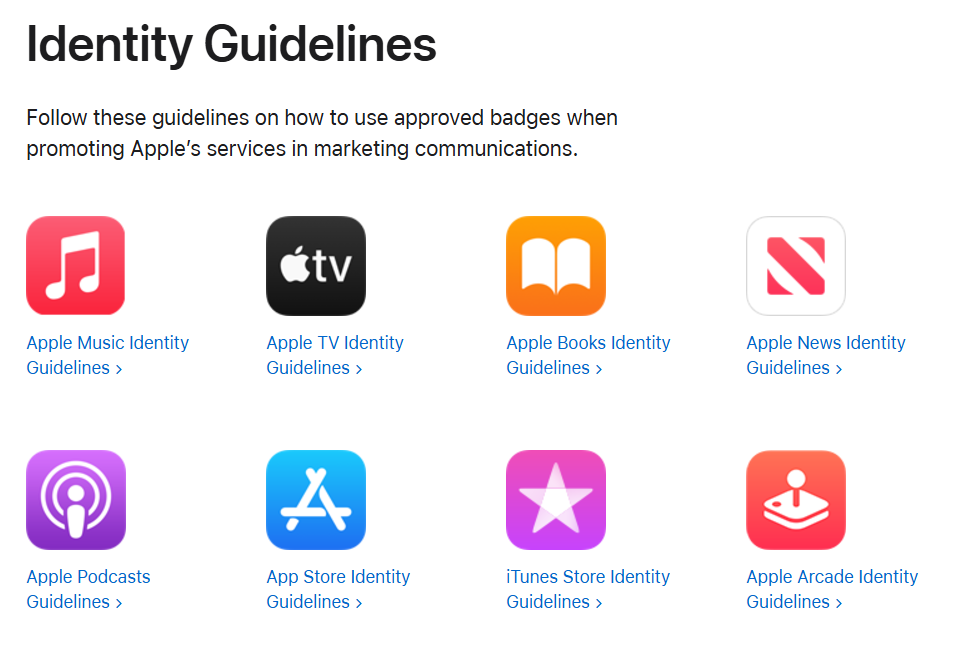
Apple extends this cohesion to its partner networks, such as the Apple Services Performance Partners Program. By providing affiliates with clear brand guidelines, educational resources, and transparent expectations, Apple ensures that external partners reflect the exact same brand identity projected in its multi-million-dollar global advertising campaigns. Furthermore, Apple’s prominent display of societal initiatives—such as automated charitable contributions tied to seasonal consumer purchases—cements its reputation as an ethically driven market leader.
Internal Alignment as a Prerequisite
Industry experts emphasize that external coherence is impossible without internal alignment. Employees and service providers act as frontline brand representatives. As corporate communications specialists note, team members cannot authentically sell a product or service they do not fully understand or believe in. Engaging internal staff across human resources, customer support, and affiliate management ensures that the brand’s external promises are mirrored by internal realities.
Implications: The Future of Competitive Business Operations
As artificial intelligence, advanced machine learning, and big data analytics redefine the digital landscape, the implications of holistic marketing extend far beyond short-term sales growth.
1. Data-Driven Personalization at Scale
Future-forward holistic strategies rely heavily on unified data analytics. By synthesizing customer feedback, behavioral metrics, and cross-channel performance data, companies can deploy highly personalized campaigns without sacrificing brand consistency.
2. The Decentralized Partnership Model
As affiliate marketing continues to mature, top-tier content creators and publishers are demanding deeper integration with the brands they endorse. Enterprises that fail to equip their partners with cohesive creative assets, audience insights, and shared societal values will struggle to secure premium digital real estate.
3. Sustainability as a Core Competency
Modern consumers and affiliate partners increasingly gravitate toward brands that demonstrate genuine social and environmental responsibility. Integrating societal marketing into the holistic framework is no longer a peripheral public relations tactic; it is a fundamental requirement for long-term brand equity.
Conclusion: The Ultimate Organizational Medicine
Achieving true holistic marketing requires a cultural shift comparable to managing overall human health. Just as a patient visiting multiple medical specialists must ensure all doctors communicate to avoid conflicting treatments, an enterprise must ensure its PR, advertising, website UX, customer support, and affiliate programs operate from a single, shared playbook.
When departments synchronize their efforts, every touchpoint reinforces the brand’s core mission. Holistic marketing is no longer an optional experiment for ambitious brands—it is the definitive path to survival, resilience, and sustainable prosperity in an ever-changing global marketplace.