Scaling Success: The Strategic Imperative of Building Your Own Marketplace
In the rapidly evolving digital landscape, the traditional retail model is undergoing a profound transformation. While established marketplaces like Amazon, eBay, and Etsy have long dominated the e-commerce sector, a new paradigm is emerging: the shift toward niche-specific, brand-owned marketplaces. Retailers are no longer content with merely being participants in someone else’s ecosystem; they are now looking to build their own.
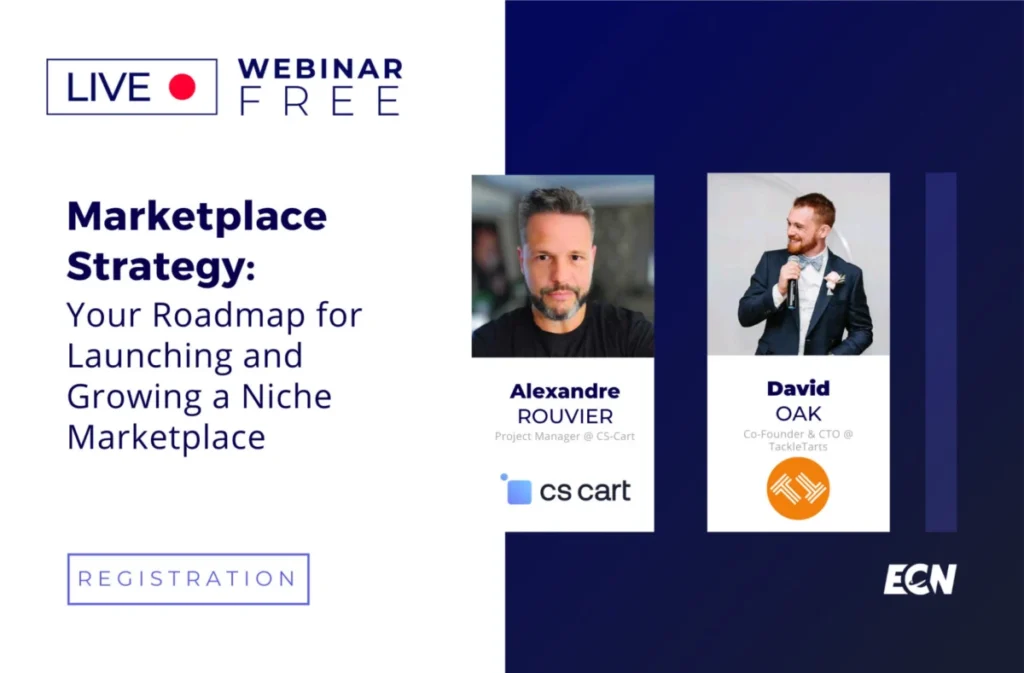
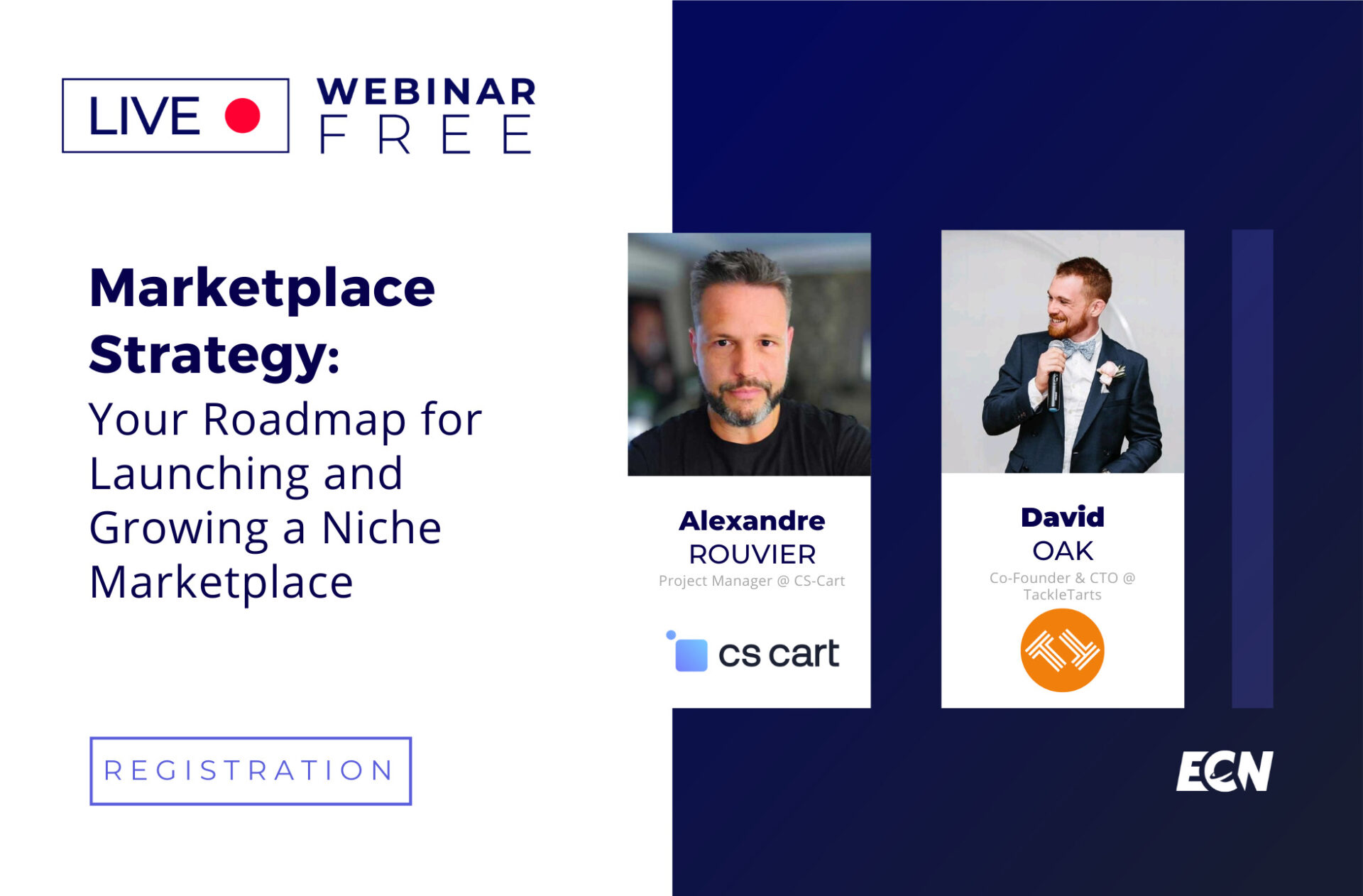
This evolution is not merely a technical upgrade; it is a fundamental shift in business strategy that allows retailers to become platforms themselves, orchestrating vast networks of suppliers and offering a curated, specialized experience to consumers. To explore this transition, E-Commerce Nation recently hosted an insightful webinar featuring industry leaders from CS-Cart and TackleTarts. This article synthesizes that discussion, offering a roadmap for businesses aiming to capitalize on the marketplace revolution.
The Main Facts: Why Build a Marketplace?
At its core, a marketplace is a digital platform that connects multiple third-party sellers with a targeted audience of buyers. For a retailer, transitioning to a marketplace model means moving from a transactional business—where you buy stock, warehouse it, and sell it—to a platform business, where you facilitate the transaction and take a commission.
The Strategic Advantages
- Unlimited Inventory Expansion: By inviting third-party vendors, retailers can offer a vast catalog of products without the financial burden of purchasing and storing inventory.
- Scalability: Marketplaces are inherently scalable. Adding new vendors is significantly faster than onboarding new supply chains for traditional retail.
- Data-Driven Insights: As a platform owner, you capture data across the entire customer journey, from search to checkout, across multiple brands and categories.
- Network Effects: As more vendors join, the platform becomes more attractive to buyers, which in turn attracts more vendors. This creates a virtuous cycle of growth.
Chronology: The Evolution of the Marketplace Model
The trajectory of e-commerce has been marked by three distinct eras:
- Era 1: The Direct-to-Consumer (DTC) Phase (Early 2000s): Brands established individual websites to sell their own products. The focus was on brand loyalty and direct customer communication.
- Era 2: The Aggregator Phase (2010s): Marketplaces like Amazon gained massive scale, forcing smaller retailers to compete on price and logistics. This led to a "race to the bottom" for many merchants.
- Era 3: The Platform Economy (Present): Retailers are now reclaiming their independence. By leveraging modern software like CS-Cart, businesses are creating niche marketplaces that offer specialized expertise and community-driven shopping experiences that generic giants cannot replicate.
The webinar hosted by E-Commerce Nation serves as a milestone in this third era, providing the practical framework for retailers to navigate the complexities of shifting from a store to a platform.
Supporting Data: The Market Shift
Current industry statistics underscore the viability of this pivot. According to recent market analysis, marketplace sales now account for over 60% of global online retail sales. However, the most explosive growth is not coming from generalist platforms, but from "community marketplaces"—platforms that focus on hobbies, specific professional sectors, or local commerce.
The case of TackleTarts, discussed during the presentation, illustrates this perfectly. By focusing on a highly specific niche, they were able to build a community-centric marketplace where the technical requirements were matched by a deep understanding of user behavior.
- Conversion Rates: Niche marketplaces often see conversion rates 20–30% higher than traditional retail sites due to the high intent of the visitors.
- Customer Lifetime Value (CLV): By offering a broader range of related products, marketplaces increase the frequency of visits and, consequently, the CLV.
Official Perspectives: Expert Insights from CS-Cart
During the webinar, the technical experts from CS-Cart emphasized that the barrier to entry for building a marketplace has never been lower, provided the retailer understands the "Three Pillars of Marketplace Success":
1. Vendor Onboarding and Management
"A marketplace is only as good as its sellers," noted the representatives. Building a robust vendor portal—where merchants can easily manage their own inventory, shipping, and order status—is critical. If the onboarding process is cumbersome, you will lose the best sellers to your competitors.
2. Trust and Compliance
When you invite third-party sellers, you inherit their reputation. A critical aspect of the platform is a robust review system and a clear policy regarding returns and customer service. You are essentially the referee of the platform.
3. Technical Infrastructure
You cannot build a scalable marketplace on a basic e-commerce plugin. You need a dedicated architecture that supports multi-vendor workflows, automated commission splits, and localized tax handling. CS-Cart’s marketplace builder is specifically designed to handle these multi-layered transactions, ensuring that payments are routed correctly and vendors are paid in a timely manner.
Implications: Navigating the Challenges
While the marketplace model is lucrative, it is not without risks. Moving from a retailer to a marketplace operator involves a significant shift in internal operations.
Operational Complexity
As a marketplace operator, your role changes from "merchant" to "platform manager." You are no longer managing product stock; you are managing vendor relationships. This requires a dedicated support team capable of resolving disputes between buyers and sellers.
Marketing Strategy
In a traditional store, you market your products. In a marketplace, you must market your ecosystem. Your value proposition is the ease of use, the variety, and the security of your platform. You must ensure that your marketing efforts benefit the entire platform, not just a single product category.
The Technological Choice
Choosing the right software is the most critical decision a business will make. The webinar highlighted that retailers must avoid "vendor lock-in." By choosing an open-source or flexible solution like CS-Cart, retailers maintain the ability to customize their platform to fit their specific market needs, rather than forcing their business model into a rigid, off-the-shelf template.
Conclusion: The Path Forward
The transition to a marketplace model is a bold step that offers immense rewards for retailers who are willing to pivot. It allows for the democratization of commerce, where a single retailer can become a hub for an entire industry.
As explored in the E-Commerce Nation presentation, the process involves three key phases:
- Strategic Alignment: Identifying the niche that your marketplace will serve.
- Platform Implementation: Using advanced tools like CS-Cart to automate the complexities of vendor management and financial distribution.
- Community Growth: Fostering a platform that provides real value to both the sellers and the end consumers.
For those interested in diving deeper into the technical and strategic nuances of this journey, the replay of the E-Commerce Nation webinar remains an invaluable resource. It provides a blueprint for not just surviving the current retail climate, but defining the next generation of commerce.
Are you ready to transform your retail business? The tools are available, the market is waiting, and the era of the niche marketplace has arrived. Register today to access the full replay and learn how to build your platform from the ground up.
This article is based on the expert insights shared during the E-Commerce Nation webinar featuring CS-Cart and TackleTarts. For further reading on marketplace development strategies, visit the E-Commerce Nation knowledge base.