India’s Economic Resilience: How Decade-Long Reforms Built a Global Buffer
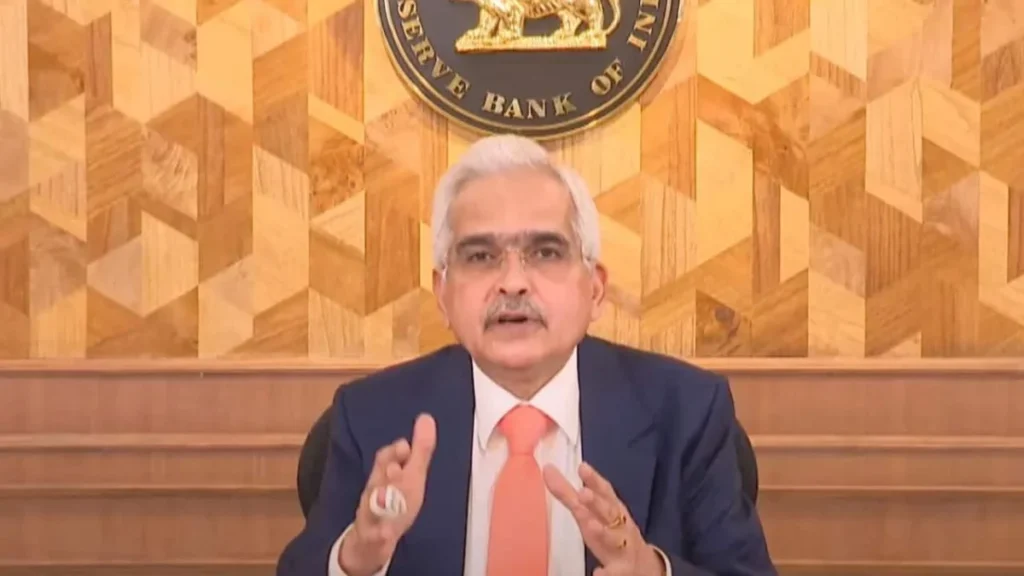
New Delhi: In a profound assessment of India’s macroeconomic trajectory, Reserve Bank of India (RBI) Governor Shaktikanta Das has attributed the nation’s remarkable stability amid volatile global conditions to a decade of strategic, systemic reforms. Speaking at the prestigious Kautilya Economic Conclave, Das—who brings a unique perspective as both the current central bank chief and a former Economic Affairs Secretary—argued that India’s recent economic performance is not merely a result of favorable circumstances, but the calculated outcome of structural architectural changes implemented since 2014.
The Paradigm Shift: Moving Beyond One-Off Measures
For years, emerging market economies have often relied on short-term "band-aid" solutions to address fiscal and monetary volatility. However, Das emphasized that the Indian approach has shifted fundamentally. He noted that the policy framework over the last ten years was meticulously designed to move away from ad-hoc responses.
Instead, the government and the central bank focused on building "systemic buffers." These buffers act as shock absorbers, allowing the Indian economy to remain insulated from—or recover rapidly from—external disruptions, such as the COVID-19 pandemic, supply chain bottlenecks, and geopolitical conflicts that have roiled global markets.
"The reforms were not meant to be one-off measures to fix a specific budget gap or trade deficit," Das explained to the gathered economists and policymakers. "They were designed to be foundational, creating a resilient ecosystem that inherently possesses the strength to absorb shocks."
Chronology: A Decade of Transformative Policy
The resilience observed today is the culmination of a decade of legislative and administrative overhaul. The trajectory of these reforms can be categorized into three distinct phases:
Phase I: Strengthening the Foundation (2014–2017)
The initial years were defined by cleaning up the financial system and formalizing the economy. Key milestones included:
- The Insolvency and Bankruptcy Code (IBC): This was a watershed moment for credit culture in India, allowing for the timely resolution of distressed assets.
- Demonetization and Digitization: While contentious, the push toward a digital payment infrastructure (Unified Payments Interface – UPI) laid the groundwork for the formalization of the informal sector.
- The Goods and Services Tax (GST): The implementation of a unified national tax structure effectively integrated the country into a single market, removing the "tax-on-tax" cascading effect.
Phase II: Structural Integration and Fiscal Discipline (2018–2021)
This period saw the consolidation of public sector banks and a push toward infrastructure-led growth.
- Public Sector Bank (PSB) Reforms: Massive capital infusion and mergers were undertaken to ensure the banking sector was robust enough to support credit growth.
- Corporate Tax Cuts: To boost private investment, the government slashed corporate tax rates, making India a competitive destination for "China Plus One" manufacturing strategies.
Phase III: Resilience and Future-Proofing (2022–Present)
Post-pandemic, the focus shifted to sustaining growth through capital expenditure (Capex).
- Capex-led Growth: The Union Budget consistently prioritized infrastructure spending, creating a multiplier effect on the economy.
- Inflation Targeting: The RBI’s unwavering commitment to the 4% inflation mandate provided the monetary stability required to anchor expectations even during the global inflation spike of 2022-2023.
Supporting Data: By the Numbers
The evidence of this resilience is reflected in key macroeconomic indicators that differentiate India from its peers.
1. Robust Foreign Exchange Reserves
Despite global headwinds, India’s forex reserves have consistently hovered near record highs. This provides a crucial shield against currency depreciation and ensures that India can meet its external debt obligations without needing emergency bailouts, a fate suffered by several other emerging economies in recent years.
2. Credit Growth and NPA Levels
Non-Performing Assets (NPAs) in the banking system have plummeted to decade lows. The gross NPA ratio of scheduled commercial banks has declined significantly, shifting the banking sector from a period of "twin balance sheet" stress to a period of "twin balance sheet" strength, where both corporations and banks are flush with capital.
3. Digital Transaction Volumes
India currently accounts for nearly 46% of the world’s real-time digital payments. This shift has not only increased tax buoyancy but also allowed the government to deliver direct benefit transfers (DBT) to the poorest sections of society with unprecedented efficiency, reducing leakage and middleman interference.
Official Responses and Expert Analysis
The perspective offered by Shaktikanta Das has been echoed by various international agencies, including the IMF and the World Bank. Experts at the Kautilya Economic Conclave noted that India’s ability to maintain a growth rate of 6-7% in a "slower for longer" global environment is a testament to domestic demand strength.
"The Governor’s point about systemic buffers is critical," said a senior economist attending the event. "Usually, countries react to crises. India has spent the last ten years proactively building a ‘pre-crisis’ defense mechanism. The focus on the balance sheet—both fiscal and financial—has been the game-changer."
However, officials also acknowledge that challenges remain. While the systemic buffers are strong, the focus must now shift to labor-intensive manufacturing and upskilling the workforce to ensure that the current growth is not only resilient but also inclusive.
Implications for the Future
The implication of Das’s address is clear: India has transitioned from being a "fragile" economy to a "resilient" one. This has profound consequences for both domestic policy and international relations.
For Global Investors
For international institutional investors, the narrative of "systemic resilience" reduces the risk premium associated with India. As global capital moves away from volatile markets, India’s stable regulatory environment and solid macroeconomic indicators position it as a "safe haven" for long-term equity and FDI inflows.
For Domestic Policy
The government is likely to continue its path of "incremental reform." With the heavy lifting of structural reform behind it, the next phase will likely involve "administrative reform"—reducing the cost of doing business at the municipal and state levels and focusing on ease of living.
The Macroeconomic Buffer
The most important takeaway from Governor Das’s assessment is the shift in the RBI’s approach. By building buffers, the central bank has gained more "policy space." In previous decades, a spike in oil prices or a global market crash would have forced the RBI to raise interest rates aggressively to protect the currency. Today, the economy’s internal strength allows the RBI to balance growth and inflation with much greater flexibility.
Conclusion
As the global economy faces an uncertain future characterized by deglobalization, climate change, and technological disruption, the structural reforms highlighted by Governor Shaktikanta Das serve as a roadmap for sustainable development. By prioritizing systemic integrity over populist short-termism, India has successfully built an economic fortress.
The task ahead, however, remains significant. Resilience is not a static state; it requires constant maintenance and the courage to iterate policies as the world changes. As Das noted in his concluding remarks, the goal is not just to survive disruptions but to emerge from them stronger, more integrated, and better prepared for the challenges of the next decade. The "Kautilya" approach—combining fiscal prudence with strategic investment—seems to have become the bedrock of the modern Indian economic miracle.