The Global Ambitions of the Xiaomi 18 Series: Market Sentiment and the Price-Performance Paradox
The global smartphone landscape is currently witnessing a significant shift as Xiaomi prepares to take its latest flagship duo—the Xiaomi 18 Pro and the Xiaomi 18 Pro Max—beyond the borders of its domestic market. This move, officially confirmed by the company, has sparked intense debate among enthusiasts, industry analysts, and potential buyers. As the international release looms, the conversation has centered on a singular, critical factor: the final retail pricing strategy.
In our latest weekly poll, we reached out to our readers to gauge the pulse of the market regarding these new arrivals. The feedback reveals a complex interplay between brand loyalty, hardware specifications, and the harsh reality of rising global inflation in the consumer electronics sector.
Main Facts: A Dual-Flagship Strategy for the Global Stage
Xiaomi’s strategy with the 18 series is clearly segmented. By offering a "Pro" and a "Pro Max" variant, the company is attempting to capture two distinct demographics: those who prioritize compact ergonomics and those who demand the absolute peak of mobile performance.
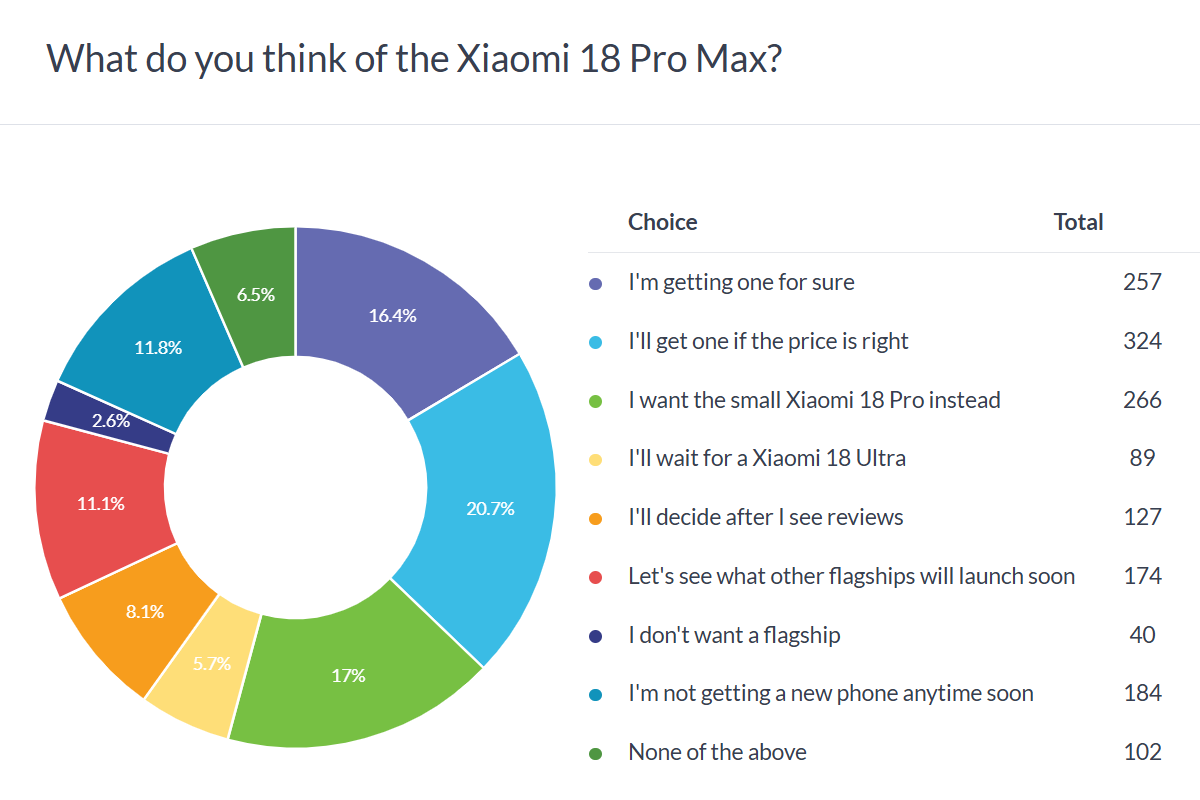
The Xiaomi 18 Pro Max has emerged as the clear favorite among power users. Despite a general sensitivity to price, a significant portion of our readership has already signaled their intent to purchase, citing the device’s cutting-edge specifications as the primary driver.
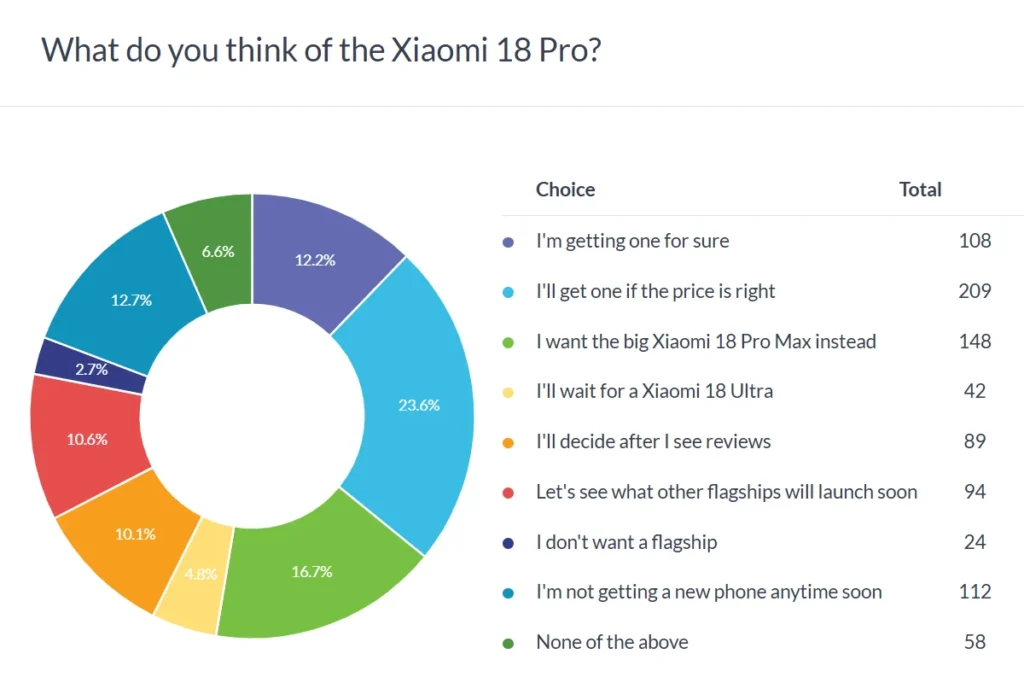
Conversely, the Xiaomi 18 Pro occupies a more nuanced space. It is being marketed as the premier choice for fans of smaller form factors. A key point of contention leading up to this release was the increase in screen size to 6.4 inches. However, our polling indicates that consumers are largely unbothered by this shift. Thanks to advances in display technology and the implementation of ultra-thin bezels, the physical footprint of the Xiaomi 18 Pro remains virtually identical to its predecessor, the Xiaomi 17. This design achievement has successfully mitigated concerns that the "small" flagship was losing its compact identity.
Chronology of Market Sentiment
To understand the current climate, we must look at the timeline of the Xiaomi 18 series’ reception:
- Initial Leak Phase: Rumors regarding the 18 series first surfaced in early September, focusing on camera module upgrades and the next generation of silicon.
- The Global Confirmation: In mid-October, Xiaomi officially announced that both the Pro and Pro Max variants would see a global release, moving away from previous China-exclusive strategies for certain top-tier models.
- The Poll Launch: Last week, we launched a comprehensive survey to determine how the global community felt about these devices.
- The Competitor Surge: Mid-poll, the conversation shifted as users began benchmarking the Xiaomi 18 series against the upcoming vivo X500 series and the long-rumored Motorola Signature 27.
- The Price Awareness Threshold: As the week progressed, the sentiment shifted from excitement over hardware to anxiety over the final price tags, particularly as reports of increased memory configuration costs began to circulate.
Supporting Data: The Voice of the Consumer
Our poll results offer a granular look at how these devices are positioned in the current ecosystem.
The Xiaomi 18 Pro Max: The Powerhouse
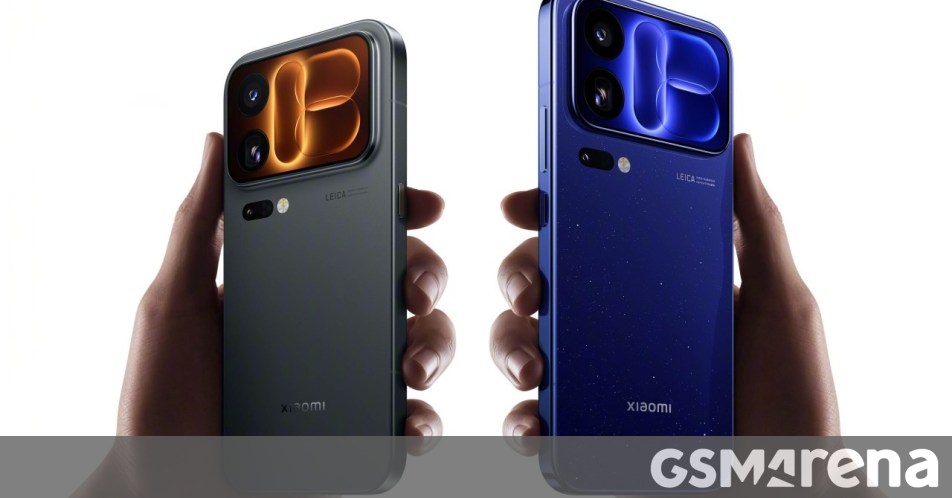
The "Max" variant is currently commanding the lion’s share of intent-to-purchase sentiment. Voters appreciate the sheer overhead provided by the Pro Max hardware, often viewing it as a long-term investment. Interestingly, a niche but vocal minority—approximately 5% of respondents—indicated they would bypass both the Pro and the Max to wait for a hypothetical "Ultra" model. This indicates that while the Pro Max is a formidable device, there remains an unfulfilled demand for a "no-compromise" ultra-flagship.
The Xiaomi 18 Pro: The Compact Challenger
The standard Pro model faces a steeper uphill battle. Our data shows that while the appeal of a compact, high-performance phone remains high, the price sensitivity for this segment is significantly higher than that of the Max. Buyers in this category are more likely to compare the Pro against existing high-end compact alternatives from competing brands, making Xiaomi’s pricing strategy for this specific model the most precarious of the launch.
The "Wait-and-See" Contingent
Perhaps the most telling piece of data is the 12% of respondents who have decided to opt out of the market entirely. This group cited the relentless rise in the cost of high-memory configurations as the primary reason for their decision to postpone upgrades. This suggests that the "diminishing returns" argument in smartphone upgrades is reaching a breaking point for a non-trivial segment of the consumer base.
Competitive Landscape and Official Stances
While Xiaomi remains tight-lipped regarding specific pricing tiers, the competition is not waiting.
The vivo Challenge
The vivo X500 series has been frequently cited by our readers as a direct competitor. With its upcoming European launch, the X500 is positioning itself as a rival in the photography-centric flagship space. The direct comparison between the X500 Pro and the Xiaomi 18 Pro suggests that the battle for the "mid-sized" flagship crown will be one of the fiercest in recent years.
The Motorola and Samsung Factor
The Motorola Signature 27 is also casting a long shadow. Despite the lack of an official unveiling, the brand loyalty Motorola commands is sufficient to pull attention away from the Xiaomi launch. Furthermore, the persistent leaks regarding the Samsung Galaxy S27 Ultra continue to act as an anchor for consumers who are inherently risk-averse, opting to wait for the established titan rather than jumping on the new Xiaomi arrivals.
Xiaomi’s official position remains one of calculated silence. By withholding pricing details until the last possible moment, the company is likely attempting to calibrate its strategy based on the movements of its primary rivals.
Implications: The Macro-Economic Reality
The 2027 smartphone market is being defined by a "Price-Performance Paradox." As hardware manufacturers push the boundaries of what is possible—integrating more complex camera sensors, higher RAM capacities, and more sophisticated display technologies—the cost of production continues to climb.
The Memory Cost Trap
Industry analysts have noted that the rising cost of high-speed memory modules has hit the flagship segment hardest. For a consumer, the difference between a base model and a high-memory configuration can now represent a significant percentage of the total device cost. This has effectively pushed the price of a "good" phone into a luxury bracket, alienating the price-sensitive, mid-range buyer who previously occupied the flagship-killer segment.
The Outlook for 2027
The consensus among market analysts is that the industry is entering a period of stagnation regarding consumer purchasing power. With no immediate relief in sight for the supply chain costs that drive device pricing, we may see a trend where consumers choose to hold onto their devices for three to four years instead of the traditional two.
For Xiaomi, the challenge is clear: they must justify the 18 series not just as a hardware upgrade, but as a lifestyle utility that warrants the premium price tag. If the Pro and Pro Max are perceived as merely "incremental" updates, the 12% of voters who have decided to skip the cycle may grow into a much larger segment.
Conclusion: The Final Verdict
The Xiaomi 18 Pro and 18 Pro Max are objectively impressive pieces of engineering. The fact that the 18 Pro manages to pack a larger screen into a compact chassis is a testament to the company’s design prowess. However, the path to commercial success is no longer paved solely by hardware innovation.
In a market where consumers are increasingly savvy about pricing and the long-term value of their devices, Xiaomi must strike a delicate balance. The Pro Max has the momentum, and the Pro has the design appeal—but the final, unwritten chapter of this launch will be determined by the regional pricing structures. As we move closer to the global launch dates, all eyes remain on the bottom line.
Will the Xiaomi 18 series set a new benchmark for global flagships, or will it become the latest victim of the price-performance paradox? The market has spoken, and the ball is now firmly in Xiaomi’s court.