The Ultimate Showdown: Apple iPhone 18 Pro Max vs. Samsung Galaxy S26 Ultra
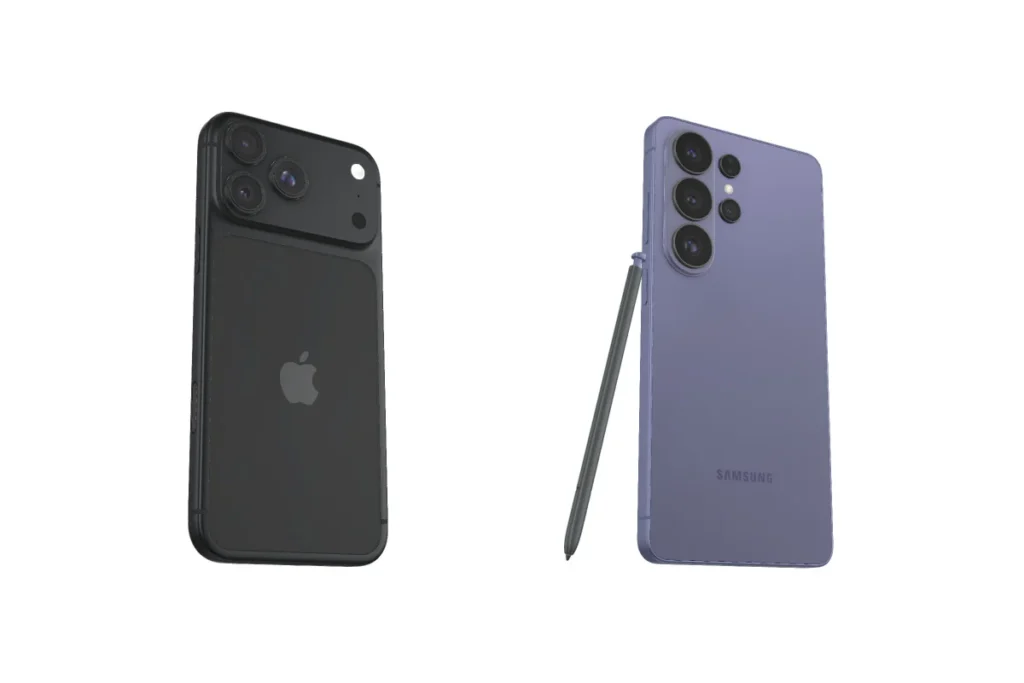
The rivalry between Apple and Samsung is the defining narrative of the modern smartphone era. It is a competition that transcends mere hardware specifications, evolving into a battle of ecosystems, design philosophies, and brand loyalty. As the industry matures, the gaps between these two titans continue to narrow, making the choice between the latest flagship devices more challenging than ever. Today, we turn our focus to the industry’s current benchmarks: the Apple iPhone 18 Pro Max and the Samsung Galaxy S26 Ultra.
The Evolution of the Flagship: A Chronological Perspective
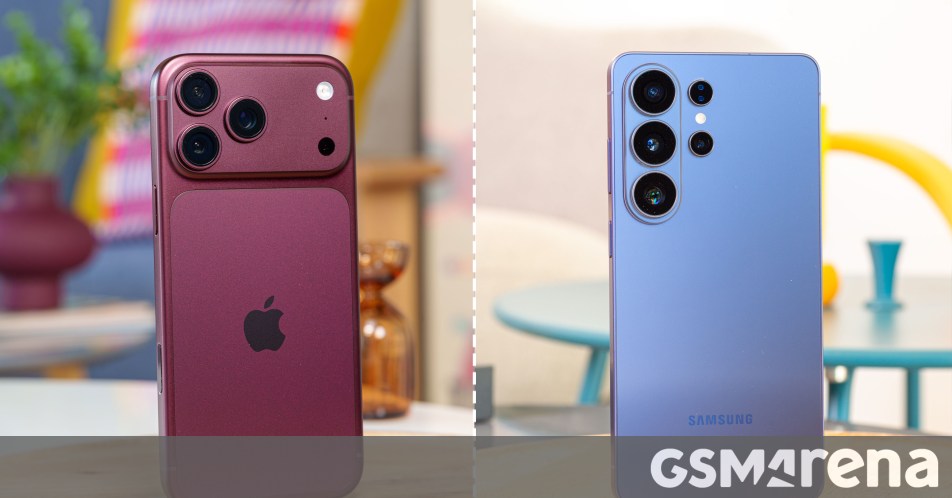
The trajectory of these two devices represents years of iterative refinement. Apple’s path with the iPhone 18 Pro Max has been one of deliberate consolidation. Building upon the foundational successes of the 17-series, the 18 Pro Max serves as a masterclass in materials science, focusing on the integration of its multi-textured, cohesive chassis. It is not a revolution in form, but rather the culmination of Apple’s current design language.
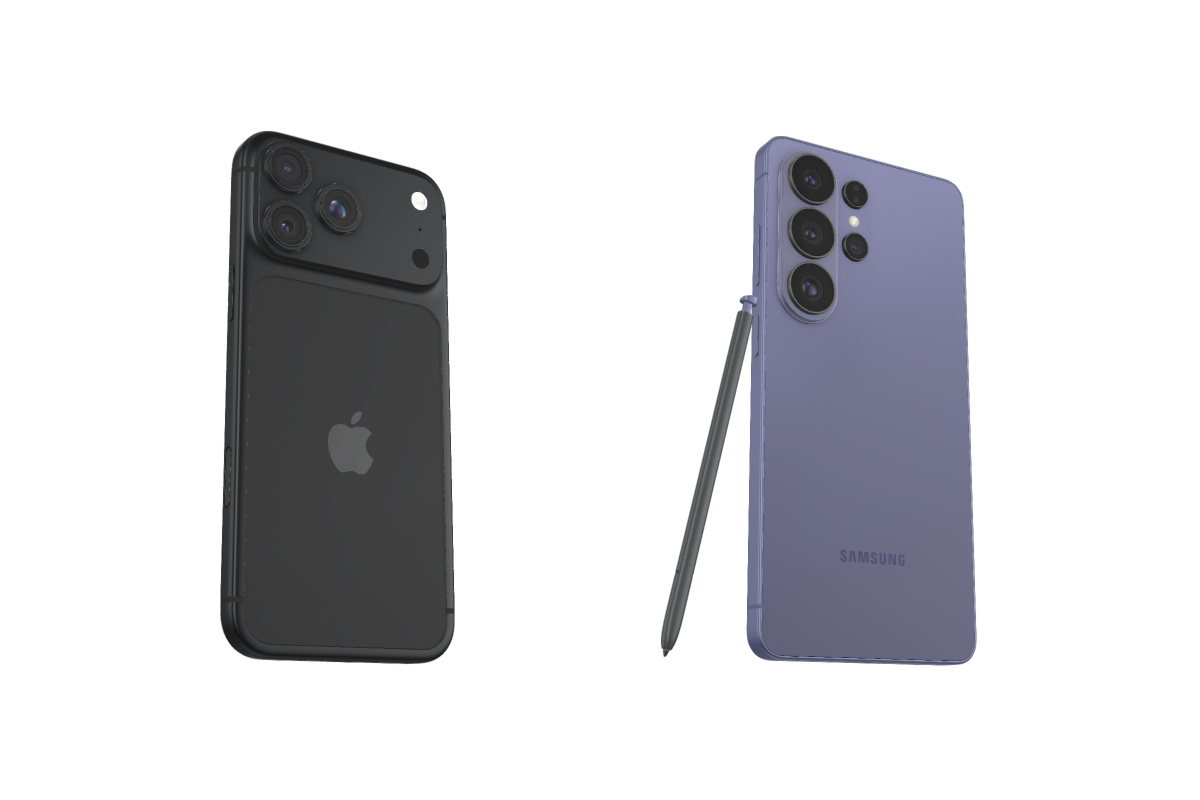
Conversely, the Samsung Galaxy S26 Ultra continues the manufacturer’s push toward a "no-nonsense" aesthetic. Samsung has spent the last several iterations perfecting the flat-panel design, moving away from the curved screens of the past to embrace a sharper, more functional form factor. While Apple prioritizes a premium, multi-material feel, Samsung is leaning heavily into utility, durability, and a sleek, minimalist profile.

Design and Build: A Study in Ergonomics
When placed side-by-side, the divergence in philosophy is immediate. The iPhone 18 Pro Max is a substantial device. Its construction—featuring the second generation of Ceramic Shield on the front and a specialized, durable coating over the wireless charging coil—is designed for maximum longevity. However, this comes at a cost: the device weighs a staggering 249g.

The Galaxy S26 Ultra, by comparison, feels significantly more manageable. At 214g, it is noticeably lighter, despite occupying a similar physical footprint. Samsung’s use of Gorilla Armor 2 and a robust aluminum chassis creates a device that feels as premium as the iPhone but significantly less cumbersome during extended use. In terms of sheer industrial design, the S26 Ultra edges out the competition by prioritizing the user’s hand-feel without sacrificing structural integrity.

Display Technology: Clarity vs. Innovation
Both devices sport massive 6.9-inch LTPO OLED panels, but the implementation differs. The iPhone 18 Pro Max offers a beautiful, color-accurate display with 460ppi density and the familiar, refined pill-shaped cutout. It is a screen that excels in Dolby Vision and HDR10 playback.

However, the Galaxy S26 Ultra pushes the boundaries of resolution further, hitting 500ppi (1440 x 3120 pixels). Beyond the resolution, Samsung has integrated its new "Privacy Display" feature and a highly effective anti-reflective coating that drastically improves outdoor visibility. With a maximum automatic brightness reaching 1,480 nits, the S26 Ultra creates a more legible experience under direct sunlight compared to the iPhone’s 969 nits. While peak brightness is a wash at 2,800 nits, the day-to-day usability of the Galaxy panel makes it the superior choice for media consumption and professional work.

Performance and Computational Power
Under the hood, we are witnessing a clash of 2nm versus optimized 3nm architectures. The iPhone 18 Pro Max debuts the A20 Pro chip, a powerhouse that leverages desktop-class CPU cores and a massive increase in memory bandwidth. Apple’s decision to double the core count of its Neural Engine pays dividends in AI-driven tasks and machine learning.

Samsung has countered with the Snapdragon 8 Elite Gen 5 "for Galaxy" (SM8850-AD). By overclocking the Oryon V3 Phoenix cores, Samsung has achieved a level of sustained performance that is arguably the highest in the Android ecosystem. In our benchmark testing, the A20 Pro holds a slight, albeit narrow, advantage in raw computational speed. However, the Galaxy’s vapor chamber cooling system ensures that for the average power user, the difference is negligible. Both devices represent the current pinnacle of mobile computing, capable of handling high-end gaming, complex video rendering, and multitasking without breaking a sweat.

Battery Endurance and Charging Infrastructure
Endurance is where the story shifts. Despite the iPhone 18 Pro Max holding a higher battery capacity (5,391mAh vs. 5,000mAh), it is the optimization of the iOS ecosystem that truly shines. The iPhone recorded an impressive Active Use Rating of 19:20h, outlasting the Galaxy S26 Ultra’s 16:22h. Whether browsing the web or streaming high-definition video, the iPhone proves more efficient.

Charging speeds, however, present a different picture. While the iPhone supports 54W wired charging, the S26 Ultra hits 60W. In real-world testing, both reach the critical 50% milestone in 15 minutes, but the Galaxy reaches a full charge 12 minutes faster. Furthermore, Samsung maintains its commitment to reverse wireless charging—a feature Apple has yet to adopt—which remains a vital tool for power users carrying wearables or accessories.

Camera Systems: The Imaging War
The camera comparison is the most complex aspect of this rivalry. The iPhone 18 Pro Max’s variable aperture system is a technical marvel, yet it offers only marginal gains over the 17-series. The photos are consistent, warm, and highly reliable. The 48MP main sensor is perfectly tuned for natural color reproduction.

Samsung’s 200MP sensor is, predictably, a detail monster. However, the strength of the S26 Ultra lies in its versatility. Its telephoto capabilities—specifically the 111mm 5x lens—provide better sharpness in daylight than the iPhone’s 4x zoom. In low light, the tables turn; the iPhone’s image processing is cleaner, producing less noise and more natural light fall-off.

The iPhone also retains the crown for video quality. Its 4K60 and 4K120 modes remain the gold standard for mobile videography, offering superior dynamic range and better stabilization, particularly when moving between lenses. For content creators, the iPhone remains the primary tool, whereas, for the still-photography enthusiast, the S26 Ultra’s zoom and high-resolution sensor offer a more creative sandbox.

Implications of the Current Market
The implications of this parity are profound for the consumer. We have reached a point where "the best" phone is no longer a matter of specs, but of preference. If your workflow relies on the seamless integration of Mac, iPad, and Apple Watch, the iPhone 18 Pro Max is an unavoidable choice. Its battery life and video quality make it an unmatched professional device.

Conversely, if you value customization, an integrated stylus (the S-Pen), and a more versatile camera system for long-distance photography, the Galaxy S26 Ultra is not just an alternative—it is the leader.

The rivalry has forced both companies to innovate in areas that were previously stagnant. Apple has been forced to improve its camera software, while Samsung has had to refine its design language to compete with Apple’s build quality. This competition is the primary driver of the $1,000+ smartphone market.

Official Stances and Industry Outlook
While neither Apple nor Samsung issues "official" responses to direct competitor comparisons, their marketing strategies speak volumes. Apple focuses on "the experience"—privacy, ecosystem, and simplicity. Samsung focuses on "possibility"—the S-Pen, the 8K video capture, and the sheer power of the hardware.

Industry analysts suggest that we are entering a plateau in hardware innovation. With both companies now focused on on-device AI and specialized Neural Engines, the next few years will likely see the competition shift from "who has the better screen" to "who has the better AI assistant." The integration of these features into the OS will be the true battleground for the next generation of flagships.

Final Verdict: Choosing Your Path
The iPhone 18 Pro Max is a triumph of balance. It is a device that does everything with a level of polish that is difficult to fault. Its battery life, in particular, makes it the reliable companion for the heavy user who cannot afford to be tethered to a wall.

The Galaxy S26 Ultra is a triumph of utility. It is for the user who wants to push the device to its limits, using the S-Pen to sketch or the 200MP sensor to capture high-fidelity images that can be cropped extensively later.

Do not be swayed by the brand rivalry. Both devices are engineering marvels that represent the absolute pinnacle of what is possible in 2026. The choice is yours, and frankly, in this match-up, there is no wrong answer—only the one that best fits the rhythm of your digital life.