Smartphone Wars: Conflicting Leaks Cloud the Future of OnePlus and Realme Flagships
The smartphone landscape is currently abuzz with speculation regarding two of the most anticipated devices from the BBK Electronics stable: the OnePlus 16R and an enigmatic new offering from Realme. As the competitive intensity between these sibling brands reaches a fever pitch, a series of contradictory leaks has surfaced, leaving enthusiasts and industry analysts alike struggling to discern the true specifications of these high-performance handsets.
While initial reports suggested a unified hardware path between the two brands, a fresh wave of information from prominent industry tipsters suggests a more complex, fragmented reality. As we navigate these rumors, the implications for the mid-to-premium smartphone segment are profound, potentially signaling a shift in how OnePlus and Realme position their devices in the global market.
Main Facts: The Great Camera Contradiction
The heart of the current debate lies in a fundamental disagreement over the primary camera architecture. Earlier reports, which gained traction early today, asserted that the OnePlus 16R is undergoing internal testing with a triple 50MP rear camera configuration. This setup—often praised for its consistency across focal lengths—was expected to be mirrored in an upcoming Realme device, suggesting a shared development platform between the two brands.
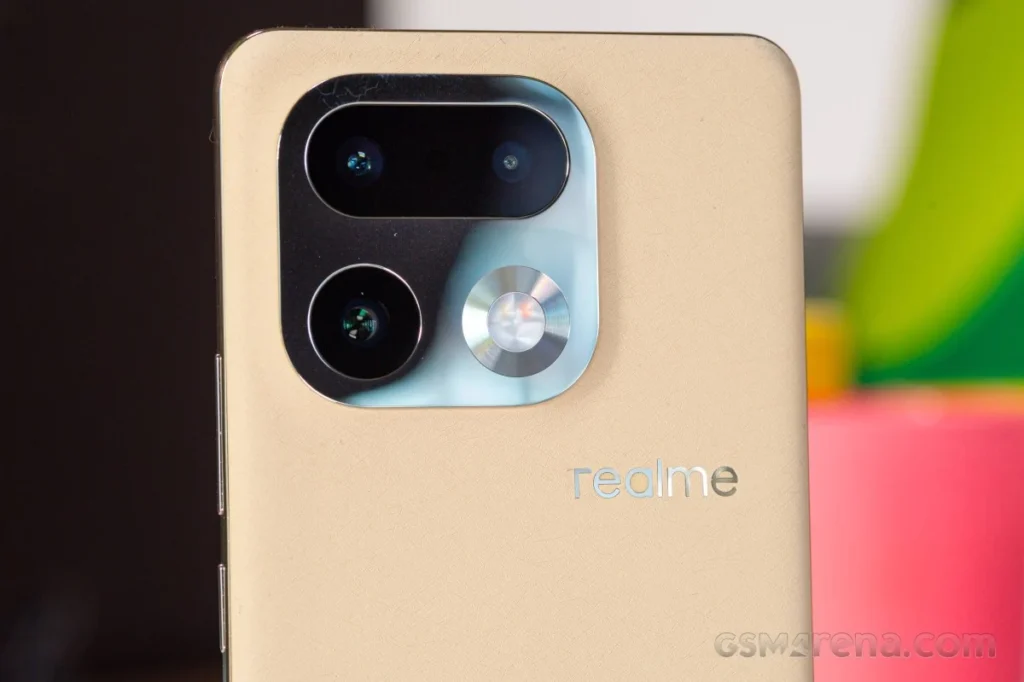
However, a conflicting report from a well-regarded industry source has effectively thrown those assumptions into disarray. According to this latest leak, the Realme device in question eschews the "triple 50MP" approach entirely. Instead, it is said to feature a high-resolution 200MP primary sensor paired with a 50MP periscope telephoto lens offering 3.5x optical zoom. Most shockingly, the report claims the device will feature no ultra-wide camera at all—a bold departure from modern smartphone design standards.
This new hardware profile bears a striking resemblance to the leaked specifications of the upcoming OnePlus Ace 7. The convergence of these rumors suggests that while OnePlus and Realme operate under the same corporate umbrella—Oppo—the companies may be experimenting with distinct hardware strategies to avoid cannibalizing each other’s market share.
Chronology: A Timeline of Leaks
The narrative surrounding these devices has evolved rapidly over the past 48 hours. To understand the current confusion, one must look at the sequence of information disclosure:
- Phase 1: The Triple-50MP Assumption: Initial industry buzz suggested that the OnePlus 16R and a corresponding Realme model would serve as "sister devices," sharing identical camera arrays to optimize manufacturing costs and software tuning. This hypothesis was built on internal supply chain logs that hinted at a uniform 50MP sensor distribution.
- Phase 2: The Ace 7 Connection: As the OnePlus Ace 7 leaks began to mature, observers noticed that the "200MP + 50MP Periscope" configuration was becoming the standard for the series. This created a secondary track of rumors, suggesting the Ace 7 might share its DNA with the rumored Realme device rather than the 16R.
- Phase 3: The Present Divergence: Today’s reports have cemented the conflict. We now have two competing "blueprints" for the upcoming Realme flagship: one that emphasizes a versatile 50MP triple-camera setup, and one that prioritizes raw resolution (200MP) and specialized telephoto zoom over ultra-wide utility.
Supporting Data: Engineering Specifications and Design
Beyond the camera debate, the leaked data provides a comprehensive, if unconventional, look at the potential internals of the Realme device.
The Aesthetic and Build
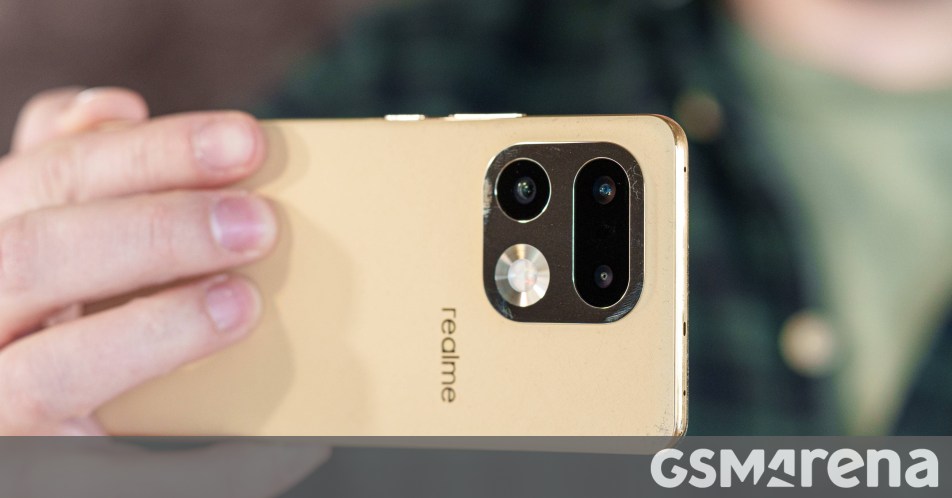
The device is reported to feature a premium metal frame and a flat glass back, prioritizing structural integrity. Perhaps the most distinct design element is the camera island, which is said to mirror the aesthetic language found on the Realme 16 Pro+. More intriguing is the inclusion of a built-in cooling fan and a circular RGB light ring, a feature set rarely seen outside of dedicated gaming phones like the Asus ROG Phone or the RedMagic series.
Display and Performance
The display is slated to be a 1.5K flat OLED panel, but the performance metrics are what truly stand out. While the system UI operates at a fluid 165Hz, the display is capable of hitting 185Hz in specific gaming scenarios. Driven by an unspecified Snapdragon 8-series chipset, the device is reportedly capable of sustaining 120fps in Battlegrounds Mobile India (BGMI) and an aggressive 165fps in Call of Duty, underscoring its intent as a performance-first machine.
Power Management
Powering these high-octane components is a massive 8,700 mAh battery. If accurate, this would be a significant leap over the industry standard of 5,000–5,500 mAh, effectively addressing the power consumption concerns associated with high-refresh-rate gaming and active cooling systems.
Official Responses and Corporate Strategy
To date, neither OnePlus nor Realme has provided an official comment regarding these leaks. This silence is standard practice for the BBK-owned entities, which prefer to maintain an aura of mystery until the formal launch events.
However, the implications of this shared hardware architecture are clear. By operating under the Oppo umbrella, both OnePlus and Realme leverage a shared R&D pipeline. The fact that the OnePlus 16R, the OnePlus Ace 7, and a new Realme flagship are all appearing in the same leak cycles suggests that the parent company is testing different "product archetypes."
The industry is currently witnessing a "A/B testing" approach on a global scale. By trialing different camera configurations—one focused on standard triple-lens versatility (50MP setup) and the other on niche professional photography (200MP + Periscope)—Oppo can gauge consumer sentiment and supply chain efficiency before finalizing the production run for the Indian and global markets.
Implications: What Does This Mean for the Market?
The potential for a phone without an ultra-wide camera—a staple of the smartphone experience for the last decade—is a gamble of significant proportions. If Realme does indeed launch a device with a 200MP main sensor and a 3.5x telephoto lens but no ultra-wide, it will be making a strong statement that it prioritizes portrait and long-range photography over landscape or architectural shots.
The Impact on the Indian Market
Both OnePlus and Realme hold massive sway in the Indian market, particularly in the "flagship killer" segment. If these devices are indeed slated for an India-specific release, the competition will be fierce. A device with a 185Hz display and an 8,700 mAh battery would immediately disrupt the status quo, forcing competitors like Xiaomi and Samsung to justify their more conservative hardware choices.
The Fragmentation of the "R" Series
The uncertainty surrounding the OnePlus 16R indicates that the "R" branding—originally intended to be a simple, accessible version of the flagship—is becoming increasingly complex. As it shares more hardware with the Ace series and potential Realme counterparts, the lines between these product lines are blurring. Consumers may find themselves choosing between devices that are technically different but functionally identical, leading to potential brand dilution.
Conclusion: The Path Forward
As the tech community awaits further confirmation, the most likely outcome is that these leaks reflect multiple projects currently in the "EVT" (Engineering Verification Test) stage. It is entirely plausible that both the 50MP triple-camera setup and the 200MP periscope setup are being tested simultaneously, and the final decision on which to ship may come down to component availability, final pricing targets, or regional market research.
For now, the prospective consumer is left in a state of anticipatory limbo. Whether these devices arrive as the long-awaited successors to the current generation of mid-rangers or as bold, experimental departures from the norm, they represent a significant shift in mobile hardware strategy. As we look toward the upcoming release cycle, one thing is certain: the era of the "standardized" smartphone is over, replaced by a period of aggressive experimentation and specialized hardware configurations.
We will continue to track these developments as more information emerges from supply chain sources and regulatory filings. Until then, the debate over the "correct" camera configuration for the 16R and its Realme cousin remains the most compelling mystery in the mobile industry.