Wiretapping the SERP: How Reverse-Engineering Browser Network Data Unlocks an Unfair Advantage in SEO
By the Staff Investigative Desk
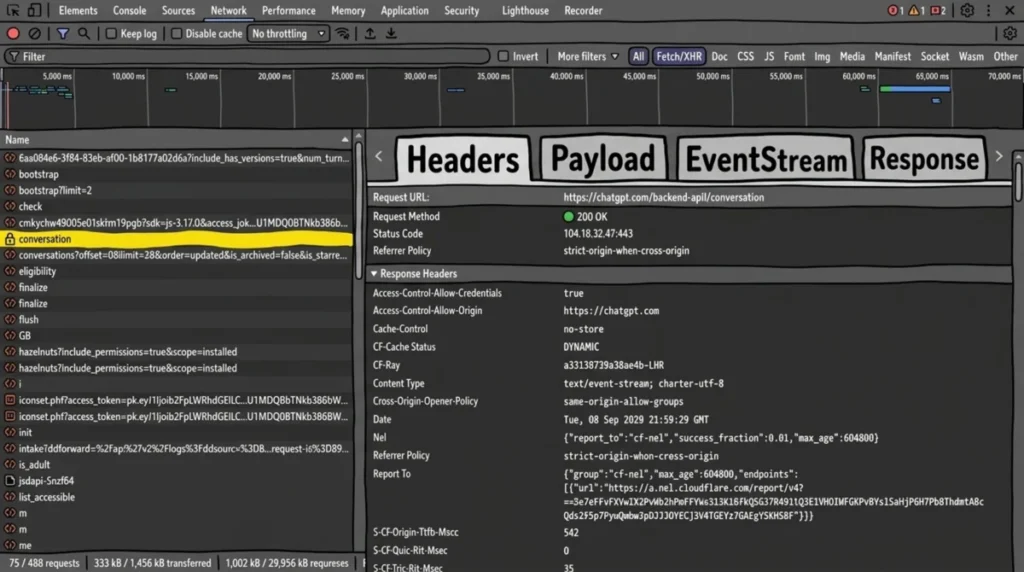
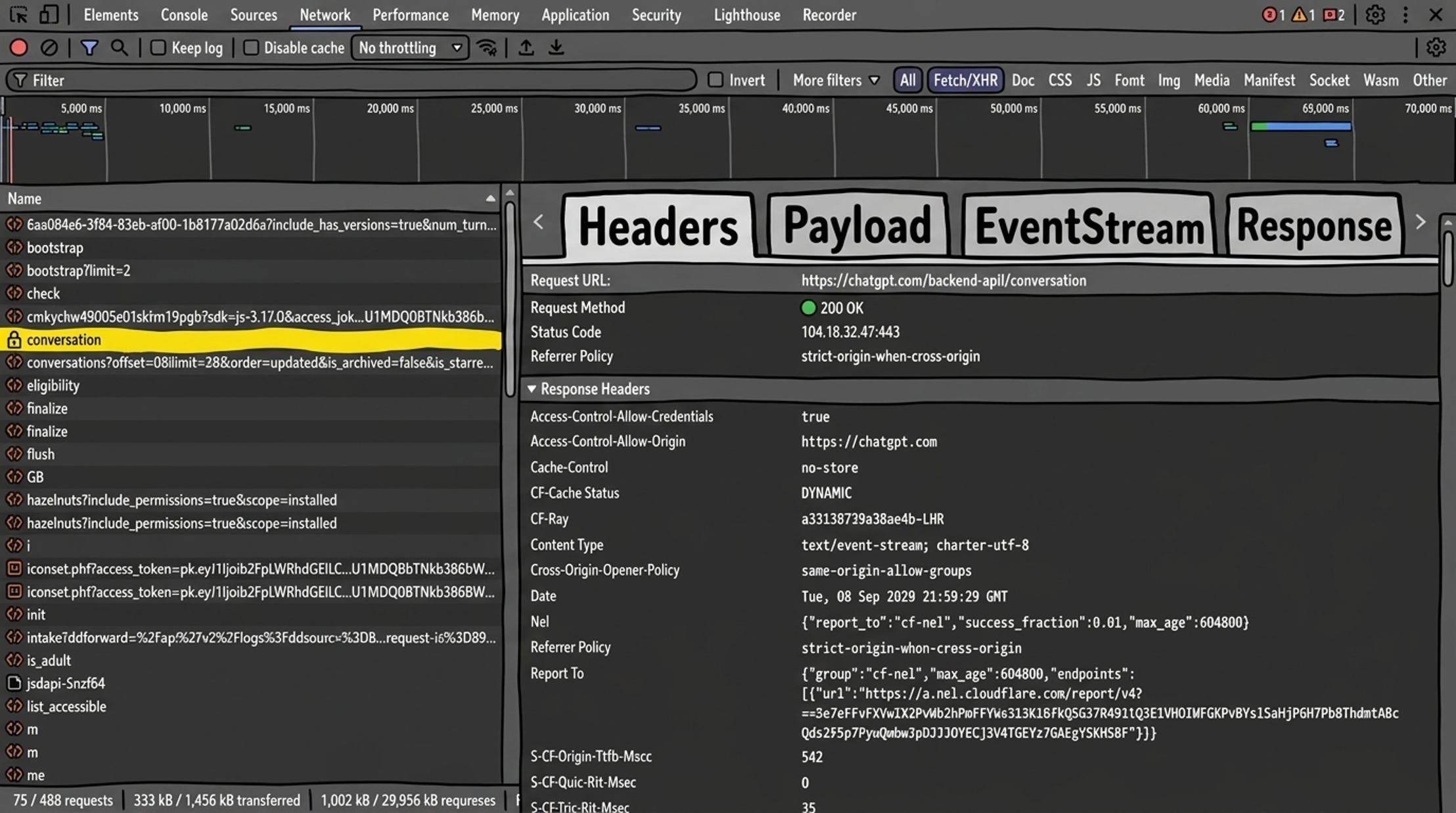
In the quiet hum of a modern browser, a continuous, high-speed negotiation occurs in plain sight. Every time a user executes a query on Google or prompts an AI like ChatGPT, the browser and a vast network of backend services engage in a remarkably candid digital conversation. This ongoing exchange sits entirely exposed within the Network tab of Chrome DevTools—accessible with a single press of the F12 key.

Yet, the vast majority of digital marketers, search engine optimization (SEO) professionals, and content strategists never look.
For Mark Williams-Cook, an industry veteran and founder of AlsoAsked, staring into this data stream has become a professional obsession. This deep-dive analytical approach—treating browser network telemetry like a puzzle to be solved—recently uncovered a critical Google search exploit that earned a $13,337 bug bounty. It also allowed researchers to decode the hidden indexing and retrieval habits of large language models (LLMs) long before they were publicly documented.
In an industry increasingly dominated by generic AI-generated content and recycled best practices, acquiring proprietary, hard-to-reach intelligence offers a rare and sustainable competitive edge. This is the chronicle of how reverse-engineering browser network traffic transformed from a niche hobby into advanced search telemetry.
Main Facts: Opening the Crates of the Web
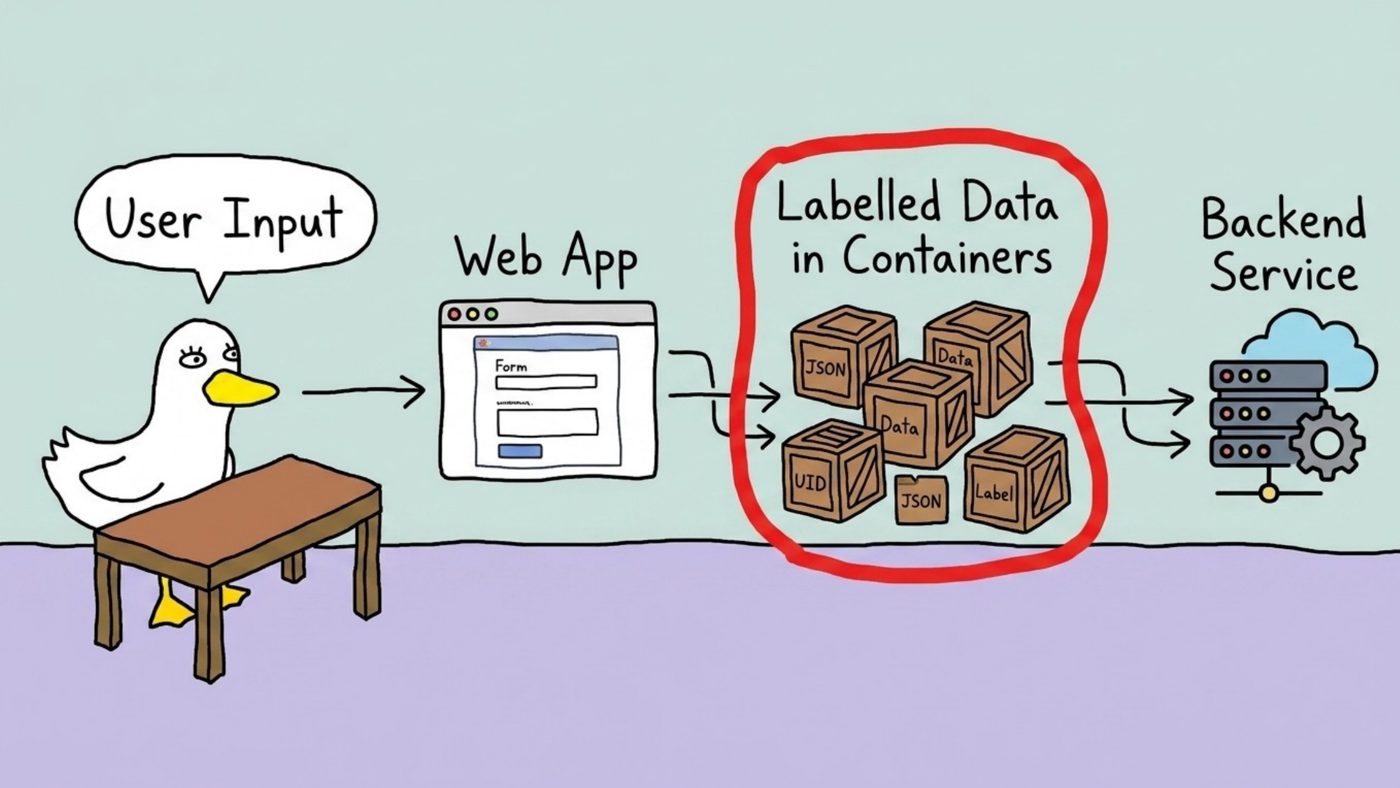
The core premise of network data analysis is deceptively simple. When a web application communicates with a server, it packages user inputs and metadata into data packets—analogous to shipping crates traveling to and from a massive, automated warehouse.

Some crates feature clear, descriptive labels. Others bear cryptic identifiers. However, with the right tooling, an investigator can simply intercept these crates, look inside, and infer the mechanics of the underlying system.
By leveraging browser developer tools (F12 > Network > Fetch/XHR), analysts can examine live HTTP requests and responses. Behind the consumer-facing simplicity of a search engine or chatbot lies a vast matrix of microservices. Systems like Google’s front-end routing layer must aggregate ranking scores, semantic classifications, and quality metrics generated across dozens of specialized subsystems. Crucially, these internal telemetry signals often travel directly through the user’s browser, occasionally carrying internal parameters that were never meant for public consumption.
This methodology bypasses traditional data science overhead. It requires only standard developer utilities, persistent curiosity, and modern AI automation agents capable of handling repetitive extraction tasks. For modern SEOs, knowing systemic realities that competitors cannot see represents the ultimate sustainable advantage.
Chronology: From Backgammon Boards to Google Bounties
Williams-Cook’s journey into advanced telemetry began not in computer science, but at the gaming table.
The Backgammon Paradigm
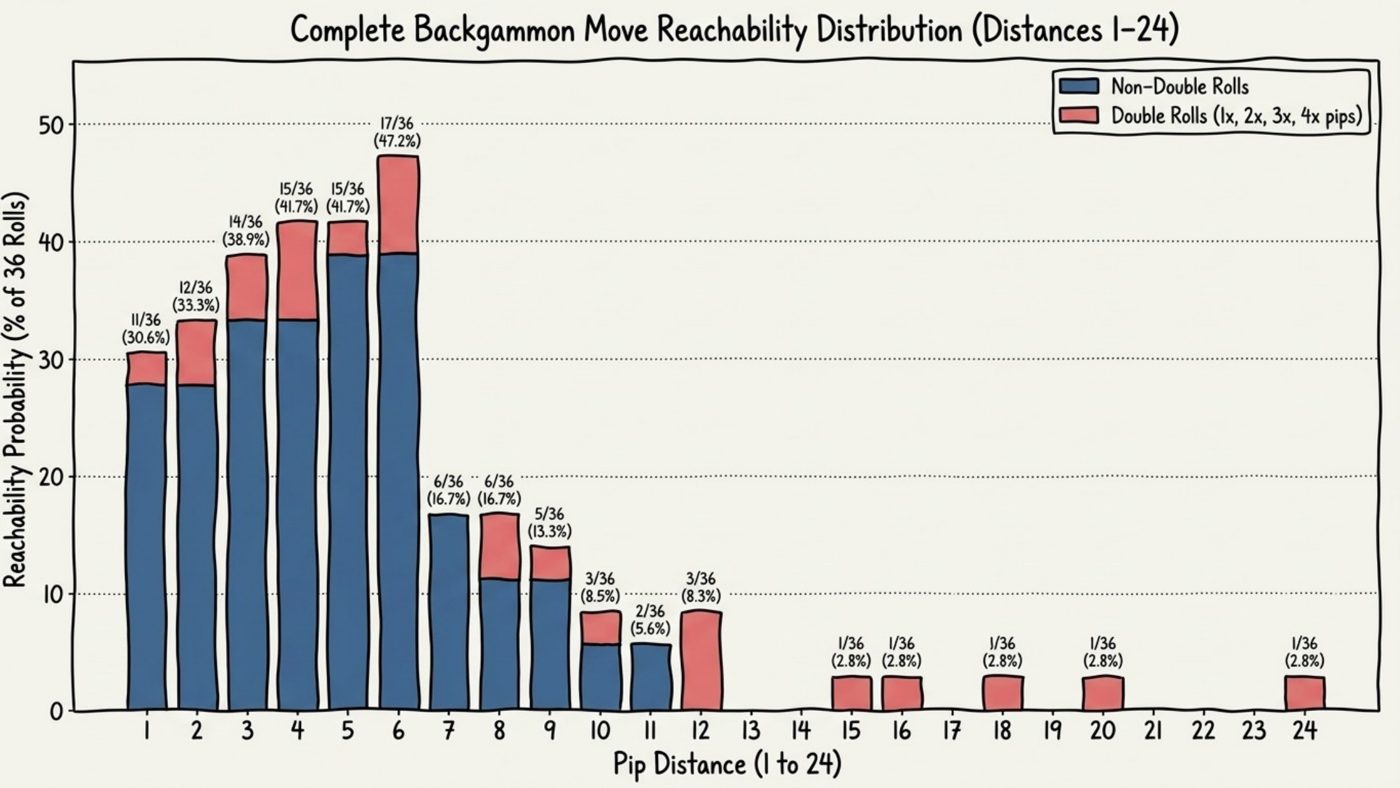
While learning backgammon from a friend, Williams-Cook suffered a brutal losing streak, dropping dozens of consecutive matches. Rather than walking away, he began analyzing the mathematical edges: mapping out exact move reachability distributions across the board for 36 possible dice rolls, calculating pip distances, and evaluating risk probability.
Optimization, he realized, is merely the sum of cumulative, marginal gains. In competitive fields, trying to win by copying superficial tactics—such as publishing low-effort listicles—fails because competitors can instantly replicate them. True optimization relies on accumulating proprietary edges over time.
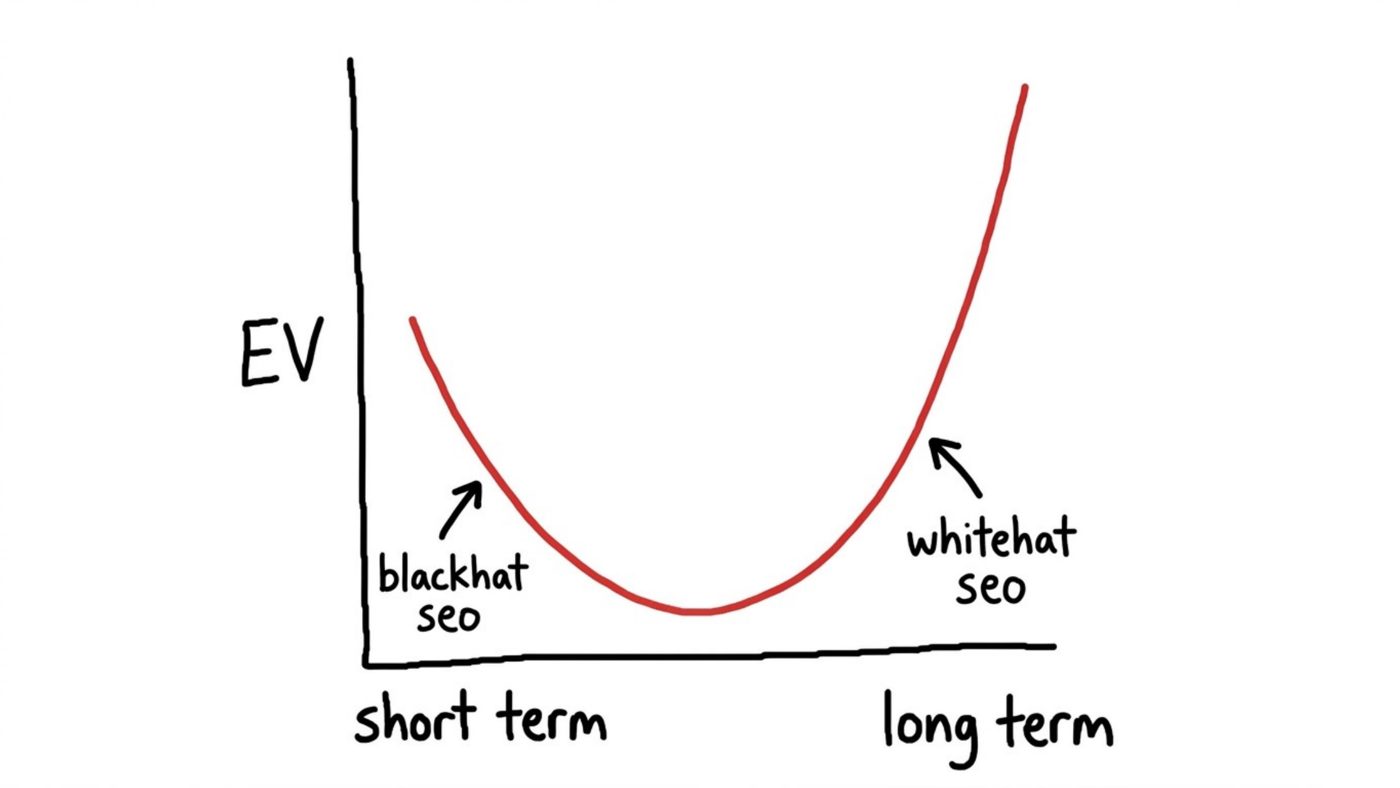
This dynamic mirrors the classic game of Rock, Paper, Scissors. Playing "paper" every time against an opponent who defaults to "rock" yields a high short-term expected value (EV), but it forces the opponent to adapt, evaporating your advantage. This dynamic maps directly to the debate between black-hat and white-hat SEO: short-term exploits force platforms to alter their algorithms, frequently penalizing the offending domains, whereas quiet, data-driven optimization compounds safely over time.
Uncovering the Google Exploit
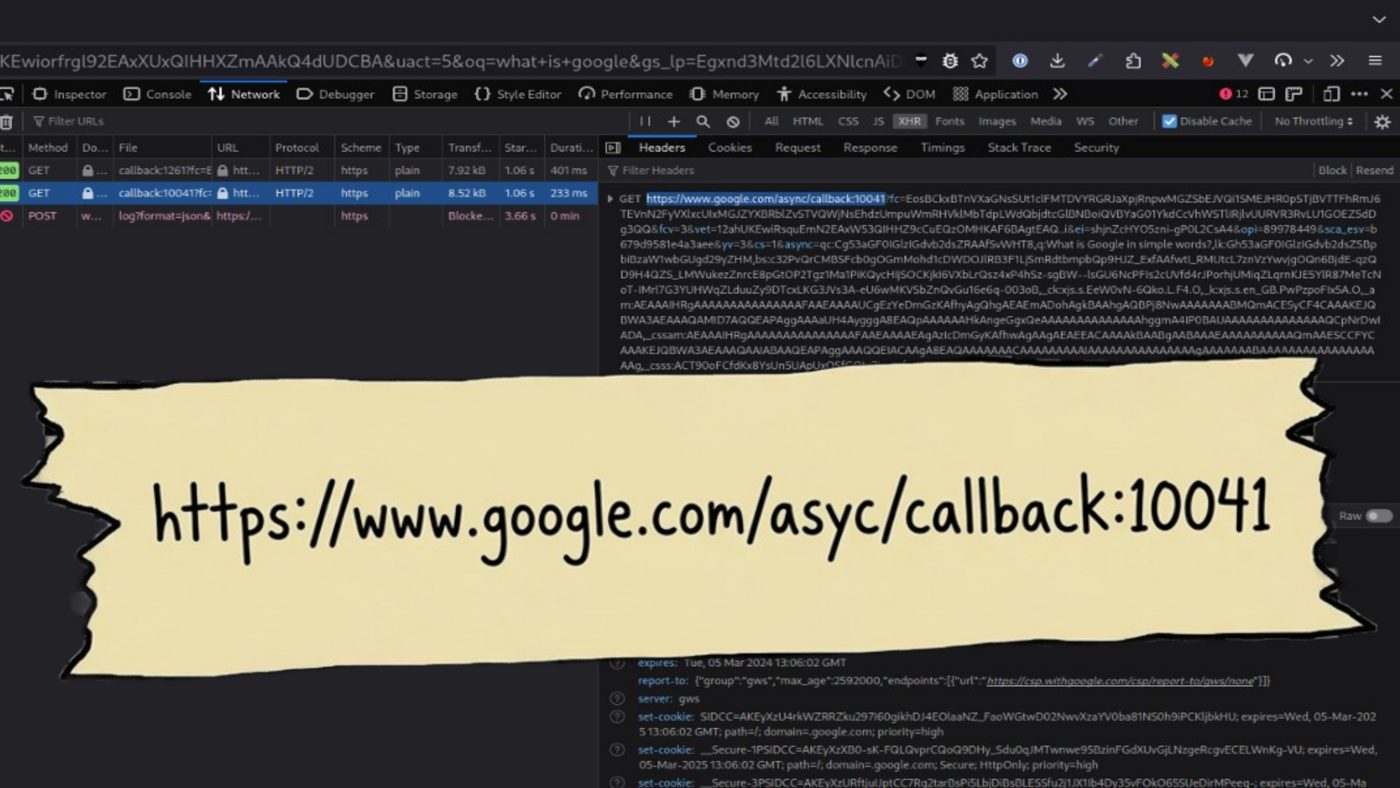
Applying this analytical mindset to Google’s backend traffic, Williams-Cook and his team examined an asynchronous callback URL laden with parameters. Executing the request via a terminal command (curl) initially returned opaque data.
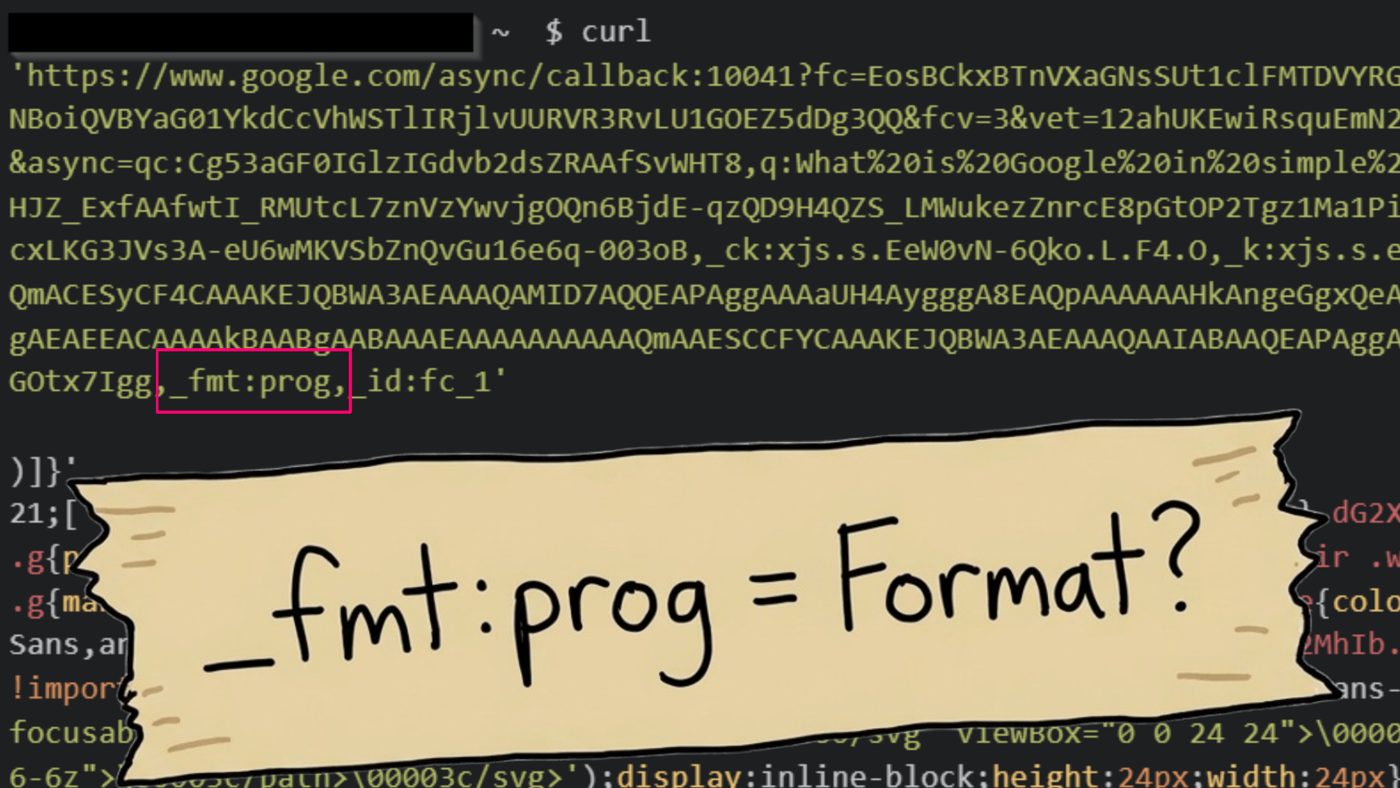
However, by observing a parameter designated as _fmt:prog (intuitively guessed to mean "format"), the team took a gamble born of sheer curiosity: they deleted the parameter entirely.
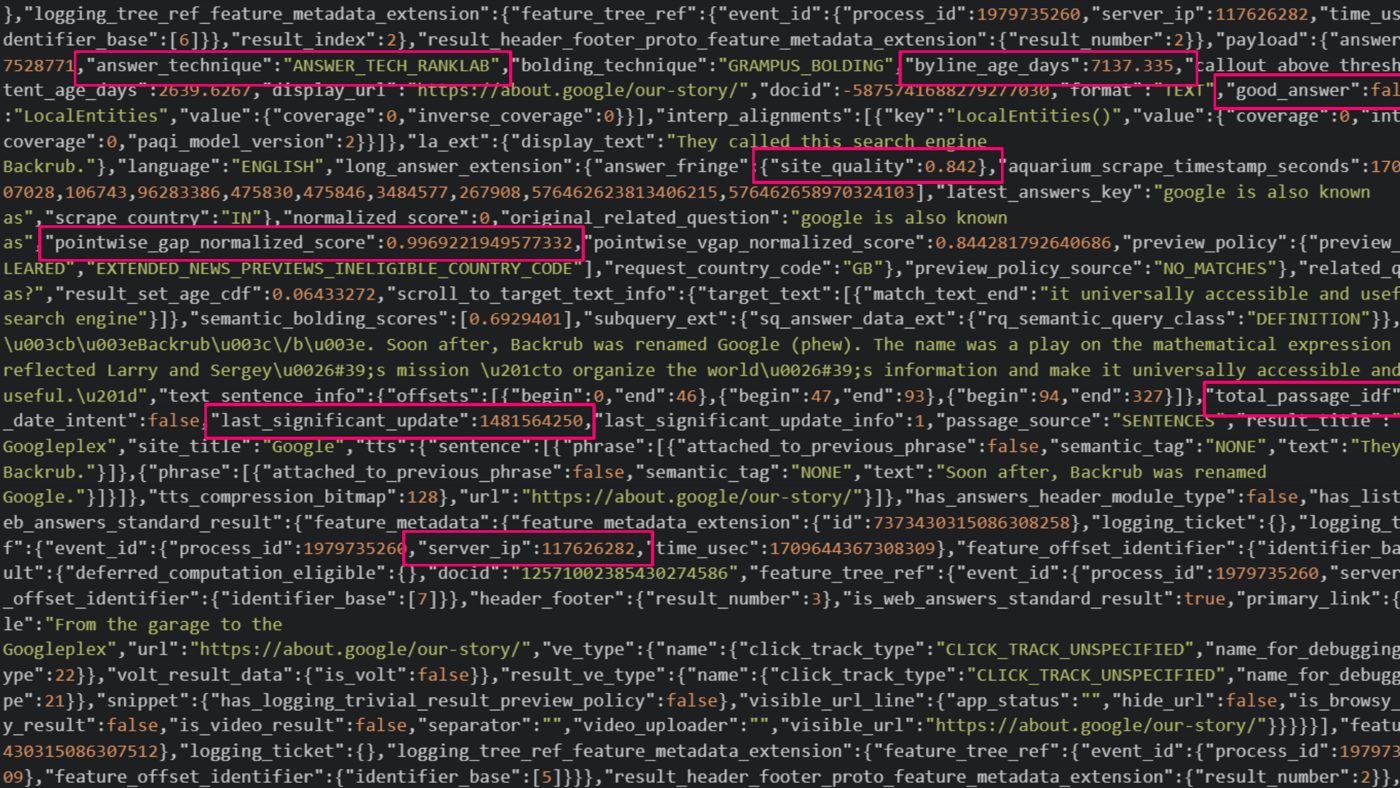
The result was an accidental data spill. Google’s servers returned vast troves of structured JSON metadata intended strictly for internal diagnostics. The payload included:
- Granular site quality scores.
- Inverse document frequency (IDF) calculations.
- Page update timestamps in epoch time.
- Server IP addresses and pointwise gap normalized scores.
Upon recognizing the severity of the flaw, the team responsibly disclosed the vulnerability to the Google Vulnerability Reward Program. The panel subsequently awarded a $13,337 bug bounty, noting that the exposure "qualified as an abuse-related methodology with high impact."
Supporting Data: Training Models on Stolen Classifications
Rather than merely viewing the exposed metadata as a one-off technical glitch, the research team extracted systemic value from the payload.
Building QueryClassifier.com
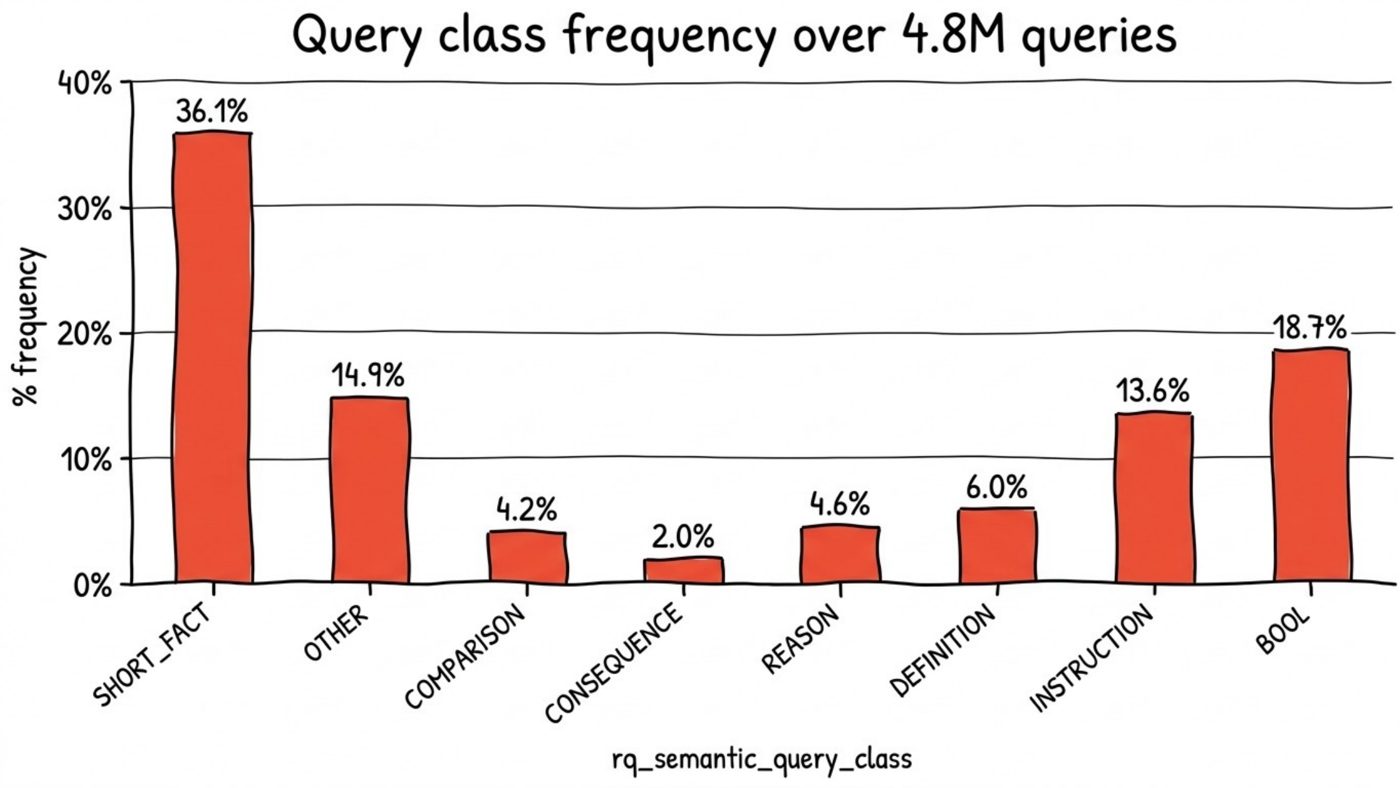
Among the leaked data points, researchers noticed that Google systematically classifies search queries into eight distinct "refined semantic classes." Analyzing a sample of 4.8 million English queries revealed the exact distribution of these classes.
Equipped with this structured dataset, Williams-Cook downloaded DistilBERT—a lightweight, highly efficient variant of Google’s BERT model that retains roughly 96% of its performance while operating with a fraction of the computational overhead. Running on a standard gaming laptop over a 50-hour fine-tuning process, the team trained a custom predictive model.
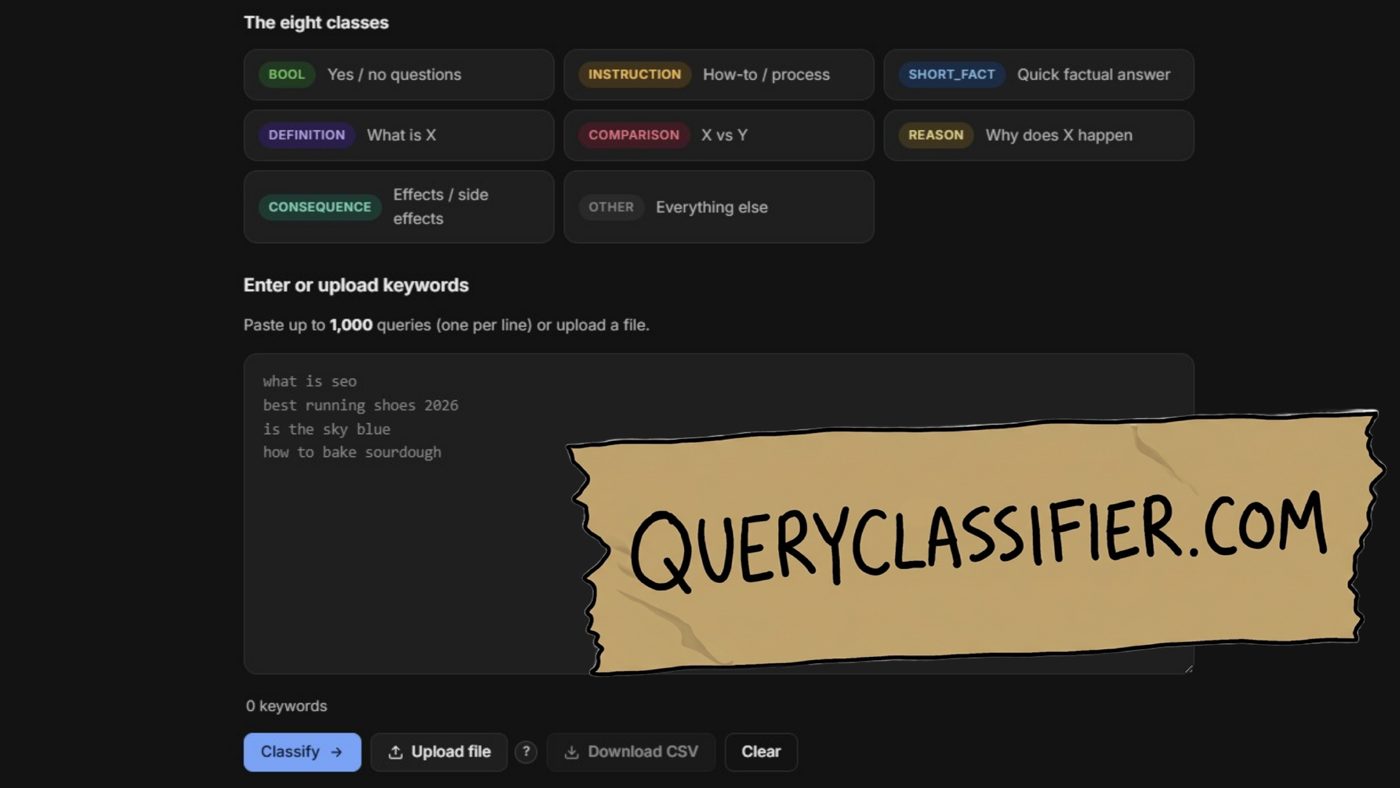
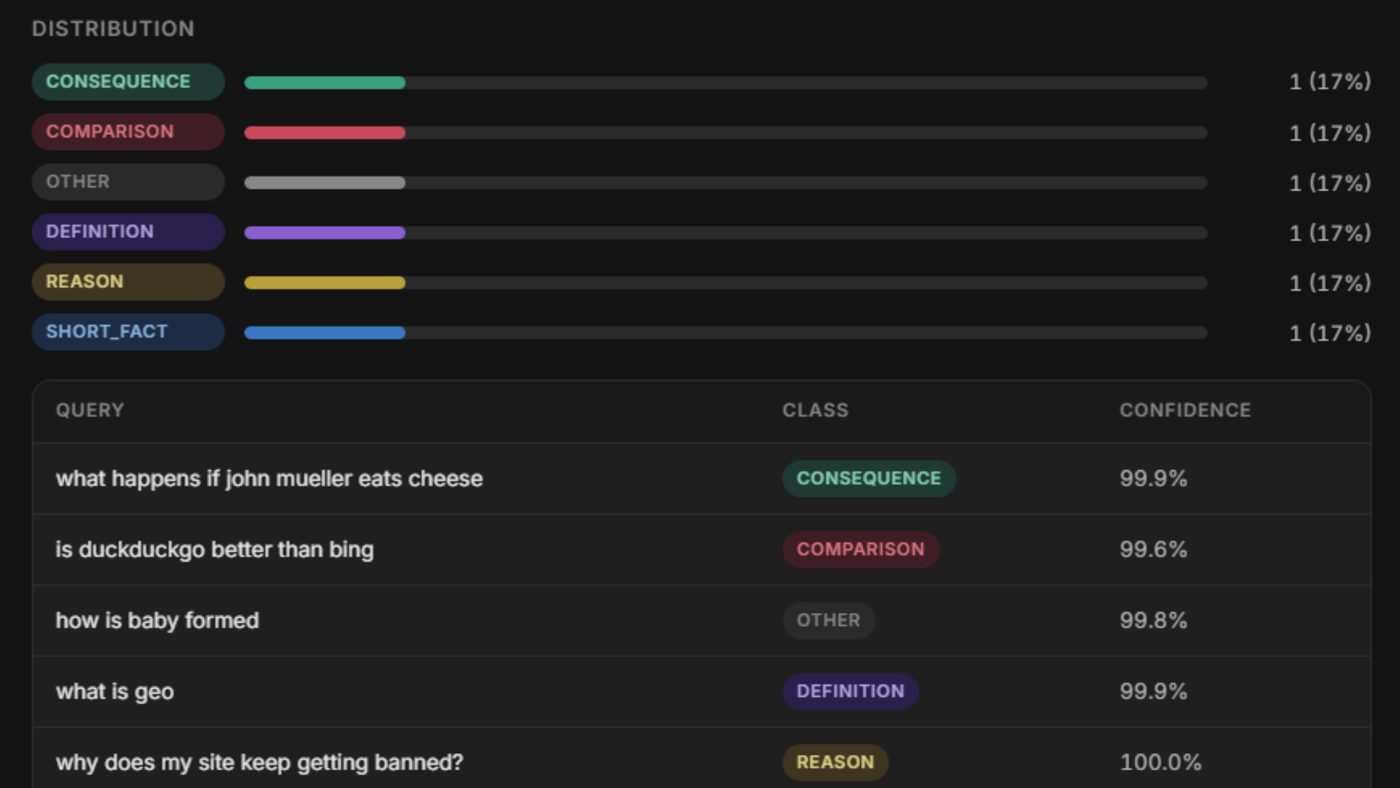
The resulting tool, QueryClassifier.com, allows users to input any keyword phrase and accurately predict how Google’s internal systems will categorize it. Because query classes strongly correlate with specific Search Engine Result Page (SERP) features, content creators can predict months in advance which layout elements—such as knowledge panels, video carousels, or direct answers—they must target.
Official Responses and LLM Telemetry: The ChatGPT Fan-Out Era
As generative AI engines supplanted traditional search for millions of users, the telemetry hunting grounds shifted from Google to conversational platforms like OpenAI’s ChatGPT.
Decoding Result Sources
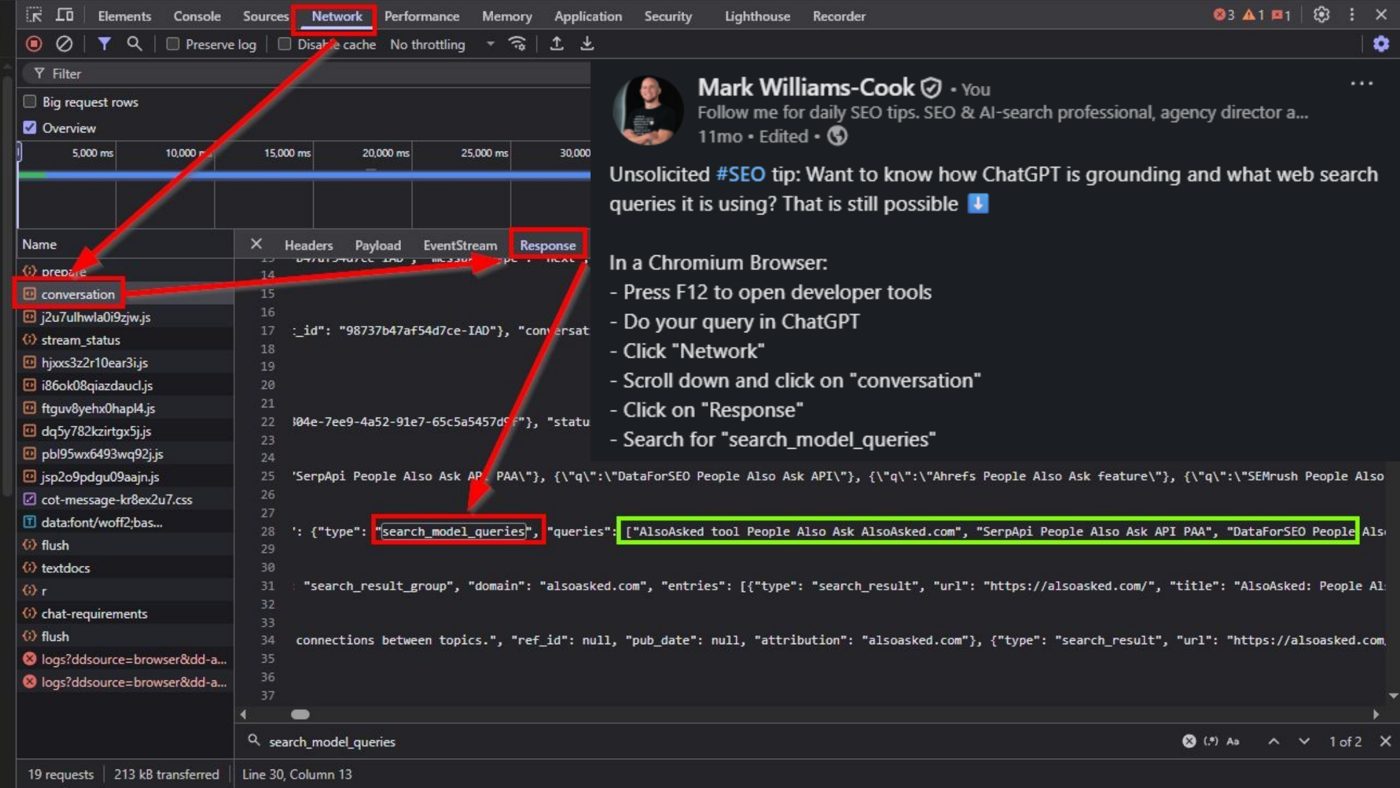
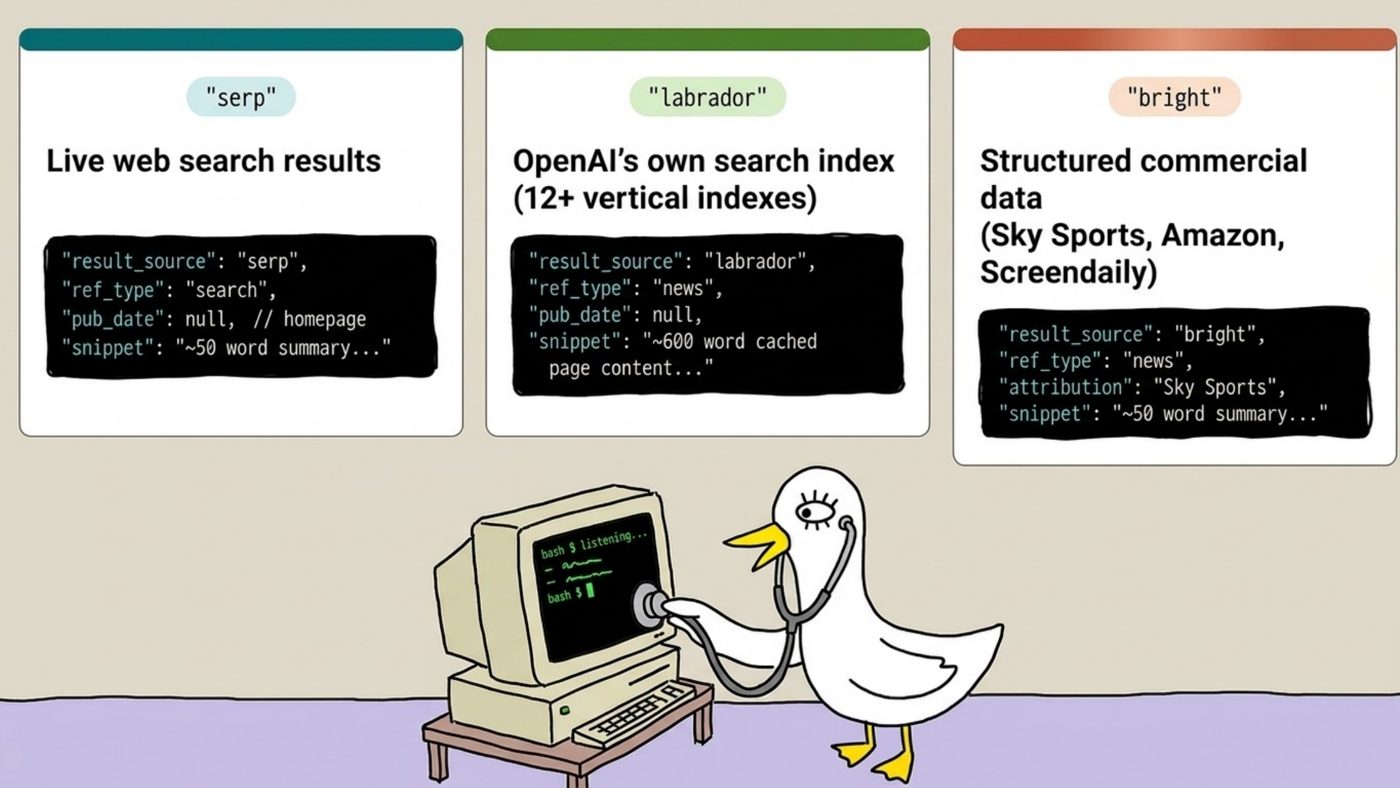
Leveraging AI automation agents (such as Perplexity Computer) running real browser instances via Playwright, researchers began intercepting ChatGPT’s background network chatter. This effort yielded the early discovery of the result_source metadata field, revealing the diverse source sets utilized during retrieval-augmented generation (RAG).
Independent research by figures such as Tomek Rudzki (Peec AI) subsequently expanded on these findings, demonstrating that ChatGPT relies on a family of specialized vertical indexes under the internal moniker "Labrador," covering domains ranging from academic papers (arXiv) and legal filings to shopping and local business directories.
Unmasking Freshness Windows
Further analysis of network payloads by SEO researcher Suganthan Mohanadasan decoded the temporal parameters governing AI search behavior. When ChatGPT executes a web search, its network string appends a vertical pipe (|) followed by an integer. This number dictates the strict freshness window (in days) applied to the retrieval query.
- Stock valuations (e.g., Nvidia): Trigger strict 2-day freshness windows.
- Weekend sports results: Target a 7-day window.
- Commercial software comparisons: Pull 30-day windows.
- Community opinions (Reddit): Frequently target 365-day windows specifically via
site:operators.
This telemetry provides content marketers with an objective benchmark: rather than guessing how frequently a topic requires updating, publishers can observe the exact temporal constraints demanded by the retrieval model.
The Great Reddit Citation Paradox
In mid-2026, industry analytics—such as data published by Petra Labs—revealed a shocking statistic: Reddit’s share of final citations in ChatGPT responses plummeted by roughly 80% following the rollout of updated default models. Many industry commentators declared Reddit a spent force for AI visibility.
However, network-level analysis exposed a stark contradiction. While Reddit’s visible citations in final user responses dropped drastically, its background usage in fan-out queries remained entirely steady. ChatGPT continues to scrape and ingest Reddit discussions to evaluate brand sentiment and product efficacy, but it increasingly routes the final citation credit directly to the manufacturer or primary vendor page.

This critical nuance illustrates the danger of relying solely on surface-level citation tracking. Counting links shows only what an LLM chose to display, not what it chose to read.
Implications for the Future of Search Optimization
The democratization of advanced browser automation has permanently changed how technical intelligence is gathered.
- The Death of Guesswork: By analyzing browser network requests—either manually via DevTools or automatically via custom extensions like FanoutFox—marketers can replace subjective assumptions with empirical data regarding freshness windows, retrieval triggers, and search categorization.
- The Evolution of Anti-Scraping Measures: As platforms like Google and OpenAI detect automated browser sessions, security mechanisms will undoubtedly tighten. The reliance on localized, user-driven Chrome extensions operating in developer mode represents a growing cat-and-mouse game between platform gatekeepers and technical researchers.
- Strategic Adaptation: For enterprise SEOs, the takeaway is clear. Surface-level optimization is no longer sufficient. Understanding how backend architectures parse, classify, and retrieve information provides an enduring operational advantage in an increasingly automated search ecosystem.
The data is continuously flowing back and forth between the browser and the server, waiting behind a simple F12 keystroke. For those willing to open the crates, the inner workings of the modern web are entirely there to be read.