Traders Urge Postponement of INDIA Bloc Rally, Citing Potential ₹10,000 Crore Festive Loss
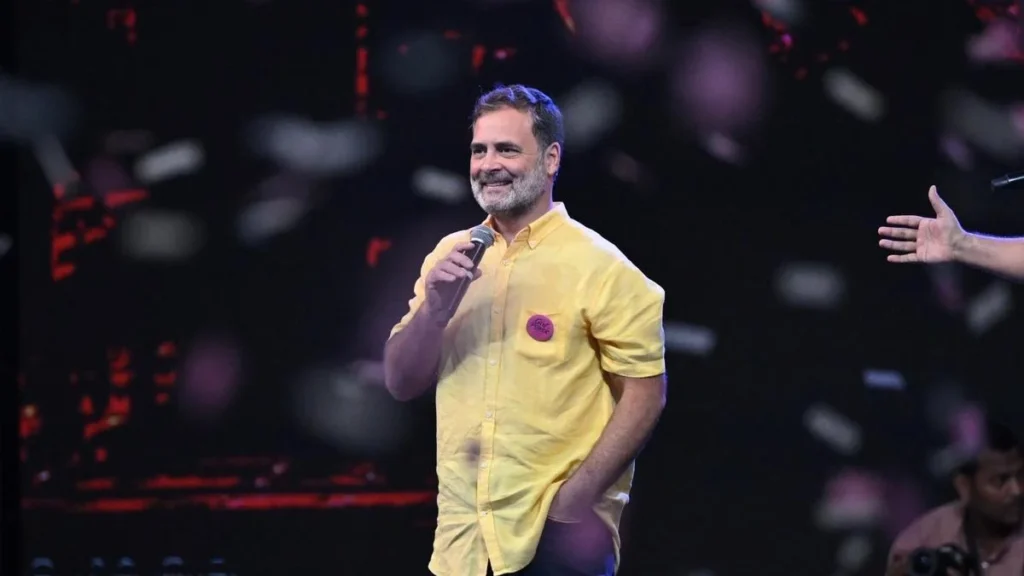
NEW DELHI – The Chamber of Trade and Industry (CTI) has formally appealed to Leader of the Opposition in the Lok Sabha, Rahul Gandhi, to reschedule the upcoming INDIA bloc rally slated for November 1 at Delhi’s historic Ramlila Maidan. The traders’ body warns that the gathering, held at the height of the Deepavali shopping season, threatens to disrupt commercial activity worth approximately ₹10,000 crore, potentially crippling the livelihoods of thousands of small and medium-sized enterprise owners during the capital’s most lucrative window of the year.
The Core Conflict: Commerce vs. Democratic Expression
The request, communicated via a formal letter from CTI Chairman Brijesh Goyal to Mr. Gandhi, highlights the tension between the opposition’s right to political mobilization and the economic stability of Delhi’s sprawling retail and wholesale landscape.
As the festive season reaches its crescendo—with Dhanteras falling on November 6, Deepavali on November 8, and Bhai Dooj on November 10—traders rely on these specific days for a significant portion of their annual turnover. Mr. Goyal noted that Delhi’s aggregate business volume across sectors, including gold, silver, electronics, textiles, automobiles, and dry fruits, hits a staggering ₹25,000 crore during this window. By hosting a massive political rally at the center of the city on November 1, the INDIA bloc risks creating logistical bottlenecks that could dampen this critical economic surge.
A Chronology of Rising Political Tensions
The call for the November 1 rally is the latest escalation in a series of confrontations between the opposition INDIA bloc and the central government. The genesis of the current friction lies in allegations of "vote chori" (vote theft) linked to the Special Intensive Revision (SIR) of electoral rolls.
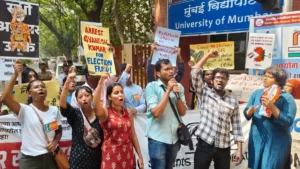
- Mid-October 2026: Protests regarding the SIR reached the threshold of the Supreme Court. Opposition leaders, alongside civil society activists, organized a ‘March for Democracy,’ navigating a heavily barricaded Delhi to file a joint petition challenging the electoral process.
- October 13, 2026: Following the court filing, Rahul Gandhi hosted key INDIA bloc leaders at his residence. The consensus from this meeting was clear: the alliance resolved to escalate their resistance against the Election Commission, specifically calling for the resignation of Chief Election Commissioner Gyanesh Kumar.
- Late October 2026: As the political climate tightened, the Delhi Police granted permission for the November 1 rally at Ramlila Maidan.
- October 24, 2026: The CTI issued its public plea for postponement, citing the cumulative fatigue of the city’s markets following a month of recurring protests.
Supporting Data: The Cost of Disruption
The CTI’s plea is rooted in hard data. According to the organization’s internal assessment, the city’s trading community has already absorbed a financial blow of approximately ₹3,000 crore throughout October. This loss is attributed to a series of marches, political rallies, and the subsequent road closures in high-traffic zones such as Connaught Place and the India Gate vicinity.

The impact is not merely limited to retail footfall; it extends deep into the supply chain. Central Delhi serves as the heart of India’s wholesale distribution network. Markets within a five-kilometre radius of the Ramlila Maidan—including iconic hubs like Chandni Chowk, Sadar Bazar, Chawri Bazar, Bhagirath Palace, and Khari Baoli—act as the primary suppliers for the entire nation.
When these areas are barricaded or when traffic is diverted to accommodate mass gatherings, the movement of goods from wholesale godowns to retail outlets is severely hampered. Furthermore, the CTI pointed out that outstation buyers—who travel from various states to procure goods for the festive season—are often discouraged by the prospect of navigating a gridlocked city, opting instead to source their requirements from other regional hubs.
The Geography of the Economic Hubs
The concern regarding the Ramlila Maidan venue is particularly acute due to the density of surrounding markets. The area is not merely a political ground but a logistical nerve centre. The markets at risk include:
- Wholesale Staples: Khari Baoli (spices), Sadar Bazar (general merchandise), and Bhagirath Palace (electronics/lighting).
- Retail and Lifestyle: Karol Bagh, Connaught Place, and the various lanes of Dariba and Kinari Bazar, which are critical for jewelry and wedding-related items during the festive period.
- Connectivity: The proximity to the New Delhi and Old Delhi railway stations means that any security-led road closures have an immediate, cascading effect on the movement of people and parcels arriving from across the country.
Implications for the Opposition and the Traders
The INDIA bloc finds itself in a delicate position. The rally is designed to serve as a show of force, aiming to sustain momentum regarding the "vote chori" allegations and to maintain public pressure on the Election Commission. For the opposition, the optics of a packed Ramlila Maidan are essential for their political narrative.
However, the CTI’s intervention forces the opposition to weigh its political objectives against the potential for public backlash. If the rally leads to prolonged traffic jams and business losses, the opposition risks alienating the trading community—a segment that wields significant influence in urban electoral politics.

Mr. Goyal has been careful to frame the request as a non-partisan plea. "We acknowledge the right to peaceful protest and democratic expression," the CTI statement read. "However, we urge political parties to avoid holding large rallies in key commercial areas until the festival period concludes." The CTI suggests that shifting the rally to any date after November 10 would satisfy the opposition’s need for a platform without cannibalizing the most critical week of the Indian retail calendar.
Official Responses and the Road Ahead
As of this writing, there has been no formal response from the Congress party or the INDIA bloc leadership regarding the CTI’s request. The political stakes remain high; the opposition has promised to take the "vote chori" fight to its "logical conclusion," suggesting that their mobilization efforts are unlikely to cease regardless of the economic impact.
For the Delhi administration, the challenge lies in balancing public order with the city’s economic vitality. The police, having already granted permission for the November 1 event, would need to consider the logistical nightmare of rescinding or relocating such a massive gathering on short notice.
As Delhi prepares for the festival of lights, the city is caught between two powerful forces: the clamor for political accountability and the traditional heartbeat of its markets. Whether the INDIA bloc opts for a strategic delay to accommodate the city’s traders or proceeds as planned, the situation serves as a stark reminder of the complexities of operating a political movement in one of the world’s most dense and economically active urban centers.
For now, the trading community remains in a state of high anxiety, hoping for a gesture of cooperation from the political class that would allow them to maximize the year’s most profitable season without the interference of gridlock and barricades. The coming days will be critical in determining whether the spirit of the festive season can coexist with the intensity of national political discourse.