Tirupati Gears Up for Local Governance: Nomination Phase Concludes Amid Heightened Security and Strategic Oversight
Tirupati, October 23, 2026 — As the sun set on Friday, the political landscape of the Tirupati district underwent a significant transformation. The final day for filing nominations for Zilla Parishad Territorial Constituency (ZPTC) and Mandal Parishad Territorial Constituency (MPTC) elections reached its conclusion, marking a pivotal moment in the region’s democratic calendar. With the dust settling on the nomination desks, the focus now shifts toward the rigorous scrutiny process and the subsequent electioneering phase, as local administration works to ensure a seamless transition toward the upcoming polls.
High-Level Vigilance: A Coordinated Inspection
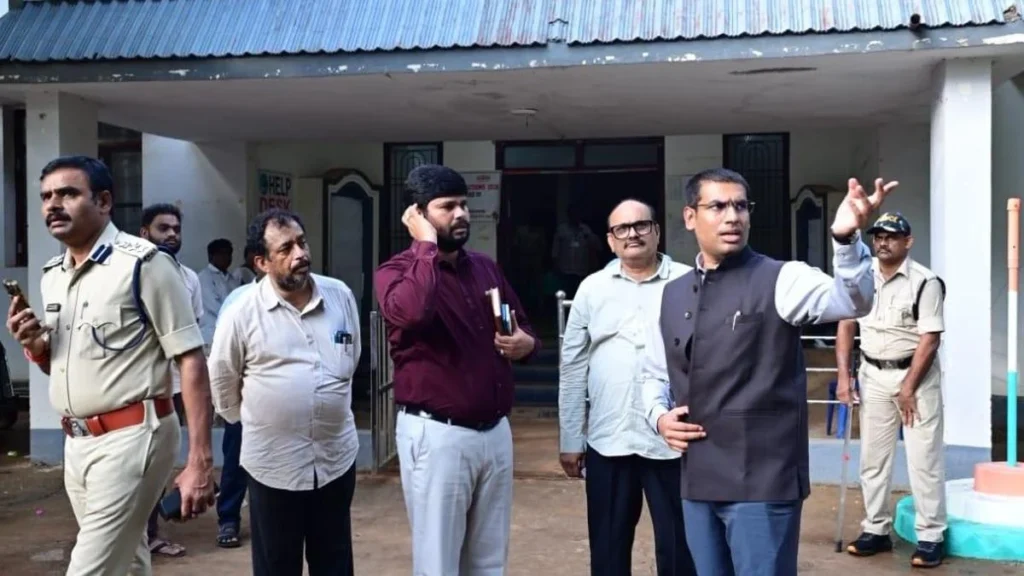
In a clear message to political stakeholders and the public regarding the sanctity of the electoral process, Tirupati District Collector S. Venkateswar and Superintendent of Police (SP) L. Subbarayudu conducted a comprehensive, district-wide inspection of nomination centers. The high-profile tour covered a strategic sweep of sensitive and high-activity zones, including the mandals of Chandragiri, Ramachandrapuram, Srikalahasti, Thottambedu, Kodur, Pullampeta, and Obulavaripalle.
The presence of the district’s top administrative and law enforcement officials at these venues served a dual purpose: to evaluate the logistics of the filing process and to demonstrate a zero-tolerance policy toward any form of electoral intimidation or disruption. The inspection was not merely ceremonial; it was an exercise in risk assessment, ensuring that candidates from all political affiliations could access the nomination counters without fear of coercion.
Strategic Continuity: Learning from the MPTC/ZPTC Framework
During the site visits, Collector S. Venkateswar underscored the importance of procedural consistency. He announced that the administrative framework and security protocols established for the current MPTC/ZPTC nomination and counting phases would serve as the foundational blueprint for the upcoming Sarpanch elections.
"The process adopted for the MPTC/ZPTC election polling and counting of votes will be replicated for the ensuing Sarpanch election also," Mr. Venkateswar stated, highlighting the administration’s desire to standardize election procedures to minimize confusion and maximize transparency. By maintaining a uniform approach, the district aims to reduce the margin for procedural errors and streamline the training of election staff, who are now well-versed in the current operational guidelines.
Law Enforcement’s Commitment to a Fair Ballot
Superintendent of Police L. Subbarayudu took the opportunity to reaffirm the police department’s neutrality and commitment to maintaining public order. Recognizing the historical volatility often associated with local body elections in the region, the SP emphasized that the department has dedicated significant resources to create an environment where the democratic process can thrive.
"The department has provided all necessary facilities to ensure that every candidate in the fray is able to file their nominations peacefully and fearlessly," Mr. Subbarayudu remarked. He further appealed to political leaders across the spectrum, urging them to exercise restraint and foster an atmosphere of healthy competition rather than confrontation.
The police department has deployed specialized teams at key nomination centers, particularly in areas identified as ‘sensitive’ due to past electoral trends. These teams are tasked with monitoring for any signs of voter suppression, proxy nominations, or intimidation tactics that could jeopardize the integrity of the elections.
The Reopening of Municipal Nominations: A Double-Edged Sword
While the ZPTC and MPTC nomination phase concluded, a parallel narrative emerged in the urban sectors of the district. The administration’s decision to reopen the nomination phase for certain municipalities and corporations—including the Tirupati and Kadapa municipal corporations and the Rajampeta municipality—has introduced a new layer of complexity to the election schedule.

For many aspiring candidates who were previously unable to file their papers due to technical glitches, bureaucratic hurdles, or sudden changes in local political alliances, this reopening represents a "second lease on life." It has effectively revitalized political activity in these urban centers, with a flurry of last-minute filings and strategic repositioning by major political parties.
However, for those who had already completed their filings and were anticipating a clear run, the extension has been a source of significant anxiety. The extended window of uncertainty has forced candidates to remain in a state of high alert, prolonging their campaign expenditures and psychological strain.
Tensions in the Field: The Mydukur and Kadapa Experience
The atmosphere was particularly charged in Mydukur, located in the neighboring Kadapa district, where the reopening of nominations across all wards served as a flashpoint for political activity. Observers on the ground noted that the tension was "writ large on the faces of the candidates."
The reopening of specific "troublesome wards" in Tirupati and Kadapa corporations, as well as Rajampeta, highlights the delicate balance the Election Commission must maintain. While reopening the process ensures wider participation and inclusivity, it also risks prolonging periods of political friction. Local party offices have been working overtime to manage these developments, with internal disputes and candidate selection processes spilling over into the public domain as the window remains open.
Implications for the Future
The ongoing electoral exercises are indicative of a broader shift in how local governance is perceived in Tirupati. With the stakes being exceptionally high—as these local bodies control significant developmental funds and infrastructure projects at the grassroots level—the competition has become increasingly professionalized and intensely monitored.
Key Implications Include:
- Administrative Accountability: The direct involvement of the Collector and SP signals a shift toward more proactive, field-based governance. This is expected to set a precedent for future elections, where physical presence at polling sites by senior officials becomes the norm rather than the exception.
- Increased Voter Confidence: By guaranteeing a "fearless" environment for candidates, the district administration aims to restore public trust in the electoral process, which is essential for ensuring high voter turnout in the subsequent phases.
- Technological Integration: The reliance on standardized protocols suggests that the district is moving toward a more digitized and efficient management system for election data, which will likely be accelerated during the upcoming Sarpanch elections.
- Political Realignment: The reopening of nominations in urban centers provides a window for late-stage political maneuvering, which could result in unexpected alliances or the entry of independent candidates who were previously sidelined.
The Road Ahead: Scrutiny and Campaigning
With the filing phase behind them, the next critical phase is the scrutiny of nominations. Election officials will now meticulously review each application to ensure compliance with legal requirements, candidate eligibility, and documentation standards. Any discrepancies uncovered during this phase will lead to rejections, a process that is often as contentious as the filing itself.
Following the finalization of the candidate list, the district will officially enter the high-intensity campaigning period. With the Tirupati district administration keeping a vigilant eye on every development, the upcoming elections are set to be a test of the region’s commitment to democratic norms.
As the local government gears up for the final push, the residents of Tirupati remain watchful. The success of these local elections will not only determine the leadership of the ZPTCs and MPTCs but will also serve as a barometer for the political climate in the state, reflecting the aspirations and the anxieties of the people living at the very foundation of the democratic structure.
In the coming weeks, the district will witness a surge in rallies, door-to-door campaigning, and policy debates. While the administration remains focused on the "free and fair" conduct of these polls, the ultimate outcome rests in the hands of the electorate, who are waiting to exercise their franchise in what promises to be one of the most closely watched local body elections in recent history.