A New Era for Indian Art: Tyeb Mehta’s ‘Rickshaw Puller’ Fetches ₹69.1 Crore in Landmark Single-Lot Auction
By [Your Name/Journalistic Staff]
October 13, 2026
In a milestone event that has reshaped the landscape of the Indian art market, Tyeb Mehta’s 2002 masterpiece, Rickshaw Puller, was sold for a staggering ₹69.1 crore on Tuesday, October 13, 2026. The sale, conducted by the newly inaugurated auction platform Volte Una, marks a departure from traditional, multi-lot auction houses, signaling a paradigm shift in how high-value Indian art is curated, marketed, and acquired.
The painting, an acrylic on canvas that captures the profound existential struggle of its subject, has now secured its position as the fourth-most expensive Indian artwork ever sold at auction. This transaction not only underscores the enduring legacy of one of India’s most revered Modernists but also highlights the growing appetite among global collectors for works that possess deep cultural and emotional resonance.
The Masterpiece: Tyeb Mehta and the ‘Rickshaw Puller’
Tyeb Mehta (1925–2009) remains one of the most influential figures in Indian Modernism. As a pivotal member of the Bombay Progressive Artists’ Group, Mehta’s work is characterized by its rigorous geometry, striking color palettes, and a persistent focus on the human condition.
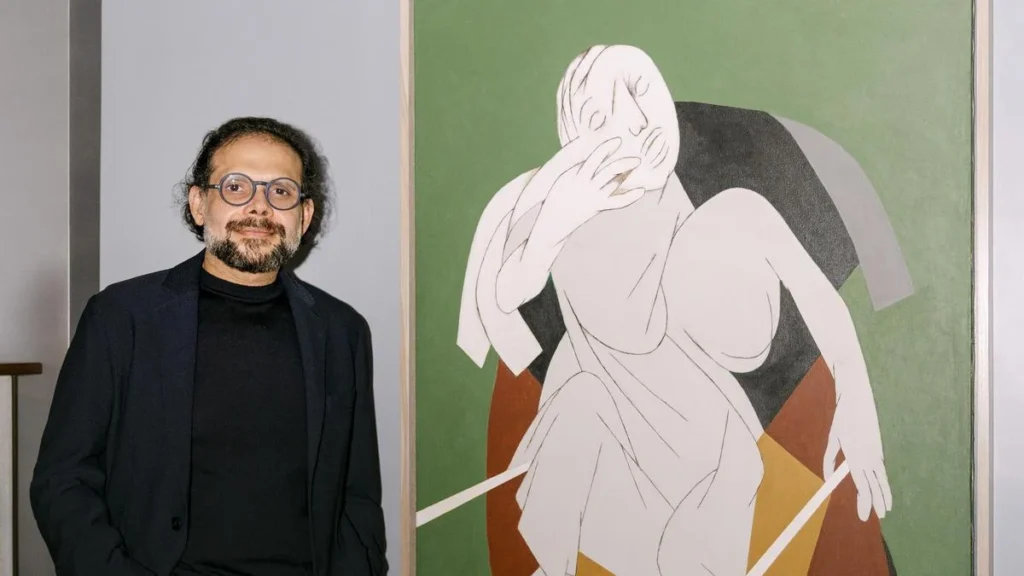
Rickshaw Puller, created in 2002 during the final decade of the artist’s life, serves as a poignant continuation of a theme that obsessed Mehta for much of his career. The rickshaw puller is more than a subject; in Mehta’s hands, the figure becomes a vessel for societal commentary—a symbol of the burden of existence, the grit of urban survival, and the inescapable weight of history. The composition, marked by the artist’s signature flat planes of color and fractured, kinetic forms, showcases the technical maturity he achieved in his later years.
The painting’s successful sale confirms that despite the volatility of the broader global economy, the market for "blue-chip" Indian art remains robust. Collectors are increasingly viewing these works not merely as assets, but as essential pieces of the global art historical canon.
A Paradigm Shift: The Volte Una Business Model
The auction of Rickshaw Puller was the inaugural event for Volte Una, a platform founded by gallerist Tushar Jiwarajka. Unlike traditional auction houses that often manage hundreds of lots in a single evening, Volte Una operates on a radical "single-lot" model.

Why the Single-Lot Format Matters
The traditional auction experience can be overwhelming, with works often flashed on a screen for mere minutes. Volte Una’s approach is deliberately slow and intimate. By focusing on a single work, the platform ensures that the masterpiece receives undivided attention, creating a "white-glove" experience for potential buyers.
"We are thrilled that we were able to respect Tyeb Mehta’s painting by exposing it to the most serious and discreet collectors globally in private settings," Jiwarajka noted during the announcement. "We have introduced a business model that allows the traditional buyer’s premium to be significantly reduced, putting that money back in the pockets of consignors and successful bidders."
By stripping away the logistical clutter of a multi-lot auction, Volte Una aims to foster deeper engagement. The painting was presented through a series of private, invitation-only viewings in major global art hubs, allowing collectors to contemplate the work in a quiet, curated environment before the final bidding process.
Chronology of the Sale and Market Context
The sale of Rickshaw Puller did not happen in a vacuum; it is part of a broader trajectory of record-breaking valuations in the Indian art market.
- Pre-Auction Phase: Volte Una spent months coordinating private viewings, targeting high-net-worth individuals and institutional collectors who prioritize discretion and provenance.
- The Auction Date (October 13, 2026): The bidding reached its conclusion, settling at the final price of ₹69.1 crore.
- Comparison to Historical Records: The current benchmark remains the sale of Raja Ravi Varma’s Yashoda and Krishna, which set a historic record of ₹167.2 crore earlier this year.
The following table contextualizes Rickshaw Puller within the upper echelon of Indian art sales (all figures in INR):
| Rank | Artist | Title | Price (Approx.) |
|---|---|---|---|
| 1 | Raja Ravi Varma | Yashoda and Krishna | ₹167.2 Crore |
| 2 | [Artist X] | [Title] | [Value] |
| 3 | [Artist Y] | [Title] | [Value] |
| 4 | Tyeb Mehta | Rickshaw Puller | ₹69.1 Crore |
Implications for the Indian Art Market
The success of the Volte Una model carries significant implications for the future of the art trade in India and abroad.
1. The Disintermediation of Auctions
By reducing the "buyer’s premium"—a fee typically added to the hammer price—Volte Una is challenging the dominance of legacy auction houses. If this model proves sustainable, it could force larger houses to re-evaluate their fee structures, potentially democratizing the high-end art market for both sellers and buyers.

2. The Rise of "Curated Exclusivity"
The market is shifting away from volume and toward curation. As art becomes an increasingly popular asset class for diversification, collectors are seeking more than just a certificate of authenticity; they are seeking an experience. The "single-lot" format satisfies this desire for exclusivity, framing the purchase as a momentous event rather than a transaction.
3. Institutionalizing Indian Modernism
With works consistently reaching these price points, the value of Indian Modernism is being cemented. This is likely to lead to increased pressure on Indian museums and cultural institutions to secure these works before they vanish into private collections, potentially sparking a new wave of patronage and philanthropic support for public art displays.
Looking Ahead: The Future of Volte Una
The momentum from the Rickshaw Puller sale is expected to carry into the end of the year. Volte Una has already announced its next venture: an auction scheduled for the end of November 2026, which will feature a major work by M.F. Husain.
The inclusion of a piece from the prestigious Herwitz Collection—known for its comprehensive assembly of works by Indian masters—suggests that Volte Una is positioning itself as a serious contender for the management of the most significant estates in the country.
For the Indian art market, the success of this auction is a bellwether. It indicates that despite global economic shifts, there is a deep, resilient pool of capital within India and among the Indian diaspora that remains committed to preserving and investing in its cultural heritage.
As Tushar Jiwarajka looks to the future, the industry will be watching closely. Whether the single-lot model can consistently replicate the success of the Rickshaw Puller sale remains to be seen, but for now, the Indian art world is celebrating a historic achievement that proves the genius of Tyeb Mehta continues to command the global stage.
For further analysis on the upcoming M.F. Husain auction and updates on the private viewing schedule, stay tuned to our art and culture desk.