Apple’s Smart Home Revolution: Is the Second-Generation HomePod Getting a Second Life?
The smart home ecosystem just underwent a seismic shift. In a flurry of activity yesterday, Apple aggressively expanded its footprint in the connected living space, unveiling a suite of hardware designed to cement its dominance in the burgeoning world of AI-integrated home automation. From the long-awaited HomeView smart display to the refreshed Apple TV 4K and the HomePod mini 2, Apple’s strategy is clear: the future of the home is powered by "Siri AI."
However, amidst the excitement surrounding these new releases, a critical question remained: what of the hardware already sitting in our living rooms? Specifically, does the second-generation, full-size HomePod—a premium device that remains a cornerstone of Apple’s audio lineup—have a place in this new, intelligent era? As it turns out, subtle clues on Apple’s own digital storefront suggest that the flagship speaker may not be destined for obsolescence after all.
A Busy Day for Cupertino: The New Hardware Lineup
To understand the stakes, one must look at the breadth of yesterday’s announcements. Apple’s "Home Collection" event was nothing short of an overhaul.
The star of the show was the HomeView, a seven-inch touchscreen smart display that functions as the central command hub for the Apple ecosystem. By integrating Siri AI directly into a visual interface, Apple is positioning the HomeView to compete head-to-head with established giants like the Google Nest Hub and Amazon Echo Show.
Simultaneously, the Apple TV 4K received a significant internal upgrade, now powered by the A19 chipset. This silicon powerhouse is explicitly designed to handle the localized processing requirements of Siri AI, allowing for more complex voice commands, contextual awareness, and personalized media curation.
Finally, the HomePod mini 2 was introduced, offering improved acoustic fidelity and a refreshed design language. Perhaps most importantly, it was confirmed that this compact speaker will support the full suite of Siri AI features—though, notably, these features will arrive via a post-launch software update rather than being available out of the box.
The Evidence: Why the Full-Size HomePod Might Join the Party
While the press releases focused heavily on new hardware, the most compelling news for current owners of the second-generation HomePod came from an unexpected source: Apple’s own website.
A sharp-eyed observer on the social media platform X (formerly Twitter) noted significant, quiet updates to the official product page for the full-size, second-generation HomePod. Upon closer inspection, the changes are not merely cosmetic; they suggest a fundamental shift in how the device communicates with its users.
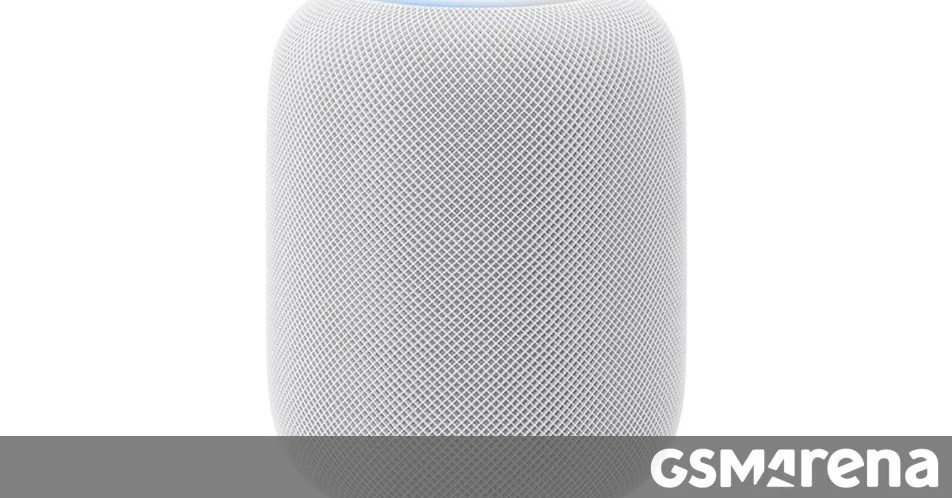
The product page now features updated Siri examples that utilize the distinct, swirling gradient style associated with the new Siri AI. Even more telling is the visual representation of the speaker’s top-mounted touch surface. The "glow" animation shown on the page has been updated to match the signature aesthetic of the HomePod mini 2, which is explicitly marketed as a Siri AI-capable device.
The most damning piece of evidence, however, lies in the metadata. In the "Compare" section of the Apple online store, the alt text for the second-generation HomePod image has been modified to explicitly describe a "multi-colored Siri AI glow on top." This level of precision suggests that these changes were not a developer error or a placeholder image, but rather an intentional update to align the current flagship speaker with the branding of the new product line.
Chronology of the Shift
- September 2024: Industry insiders, led by Bloomberg’s Mark Gurman, report that Apple is aggressively pursuing an "eventual" update to the full-size HomePod line, leaving open the question of whether this would be a hardware refresh or a software-defined capability.
- Early October 2026: Apple accelerates its internal timeline for the Home Collection rollout, finalizing the integration of Siri AI across the TV and portable speaker lines.
- Yesterday: Apple hosts its Home Collection event. The HomeView, Apple TV 4K (A19), and HomePod mini 2 are launched.
- Yesterday (Post-Event): Within hours of the keynote, the second-generation HomePod product page undergoes a quiet, unannounced refresh, aligning its visual assets with the new Siri AI branding.
- Present Day: Speculation mounts as Apple remains silent on whether this is a confirmed feature rollout or merely a byproduct of unified design assets across their store.
The Technical Feasibility of Siri AI on Legacy Hardware
Is it reasonable to expect the second-generation HomePod to handle the demands of Siri AI? From a technical standpoint, the answer is a cautious "yes."
The second-generation HomePod is no slouch in terms of processing power. When Apple brought Siri AI to the 2nd-generation Apple TV 4K and later models, they demonstrated that their AI model could be optimized for existing silicon architecture. The full-size HomePod shares many of the internal components and thermal management systems that allow it to handle complex computational audio tasks, which is the foundational work for voice-based AI processing.
Furthermore, the "software update" caveat applied to the HomePod mini 2 is a crucial precedent. By stating that the feature will arrive later, Apple is signaling that the hardware is ready, but the software stack requires more "baking." This suggests that if the second-generation HomePod is indeed slated to receive the update, it will likely follow the same deployment path as the mini 2.
Official Responses and the "Gap" of Uncertainty
Apple, true to form, has not provided a definitive statement regarding the inclusion of the second-generation HomePod in the Siri AI rollout. This "radio silence" is standard operating procedure for the company, which prefers to control the narrative through official press releases and keynote presentations.
However, the lack of confirmation is where the danger lies. Mark Gurman’s previous reporting hinted at an "eventual" update for the full-size HomePod, but he was careful to note that this could imply a third-generation hardware release rather than a software patch. If Apple is planning a hardware successor to the current HomePod, they may be holding back software features to create a "selling point" for a future model.
For now, the updated alt text and the gradient glow remain the only indicators. In the eyes of the consumer, this creates a frustrating gray area: do you keep your current speaker in hopes of an update, or do you wait for a potential third-generation device that may or may not be announced in the coming year?
Implications: The EU Regulatory Hurdle
While the global tech community debates the potential for a software upgrade, a massive portion of the user base is currently left in the cold. If you reside in the European Union, the launch of Siri AI is effectively a non-event.
Due to an ongoing and deeply entrenched feud between Apple and European regulators regarding the Digital Markets Act (DMA) and proprietary ecosystem restrictions, Apple has stated that Siri AI will not be available in the EU at launch. The situation is so severe that the HomeView display—the flagship of this new collection—will not be sold in EU member states at all.
For European users, the question of whether the second-generation HomePod supports Siri AI is currently academic. Even if the hardware becomes "AI-ready" via a software patch, the underlying service remains locked behind regional barriers. Gurman’s recent analysis suggests a "best-case scenario" of a five-month delay for EU users, mirroring the rollout timeline for Apple Intelligence. This puts European consumers in a state of permanent "wait-and-see," as the gap between the EU and the rest of the world continues to widen.
The Road Ahead: What Should Owners Do?
For current owners of the second-generation HomePod, the path forward requires patience. The evidence on the website is strong, but it is not a guarantee.
- Monitor the Beta Channels: If Apple intends to roll out Siri AI to the HomePod, the first signs will appear in the developer and public beta versions of the HomePod software (audioOS).
- Watch the Comparison Tables: Keep an eye on Apple’s comparison pages. If the "Siri AI" checkmark appears on the second-generation HomePod column, you have your answer.
- Evaluate Your Needs: If you are a user in the EU, do not factor Siri AI into any immediate purchasing decisions. The regulatory environment is volatile, and there is no guarantee that the feature will reach your region on a predictable timeline.
Ultimately, Apple’s move to update the product page is a tacit admission that the full-size HomePod is still considered a "premium" product in the eyes of their marketing team. If it were a legacy device destined for the scrap heap, it is unlikely that Apple would have bothered to refresh its assets to match the high-gloss, high-tech aesthetic of the Siri AI era. While we wait for an official word, the evidence suggests that the best may be yet to come for the big speaker in your living room.