Beyond the Algorithm: Mastering the Art of Human-Centric LinkedIn Content
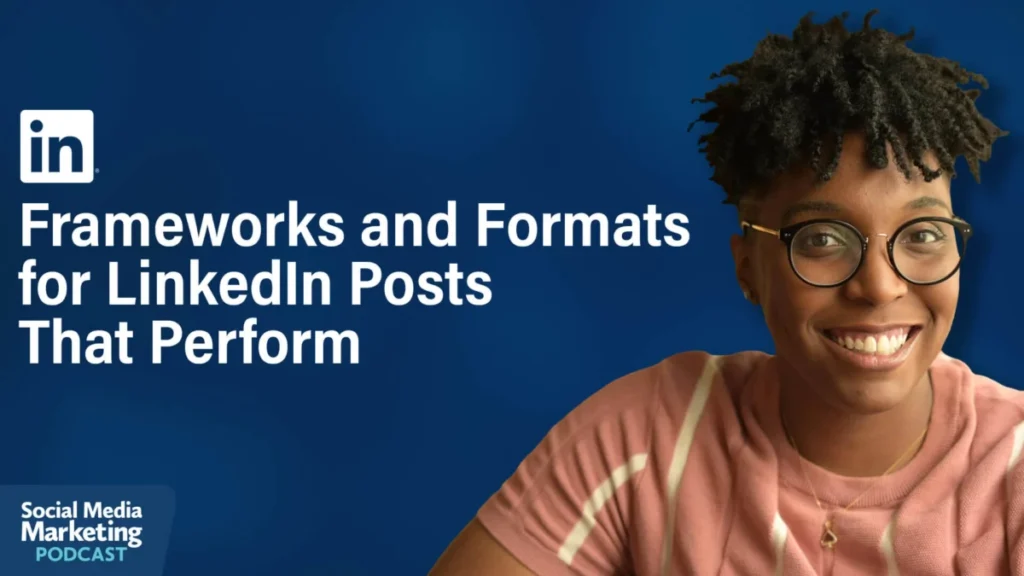
In an era dominated by generative AI and automated posting schedules, a curious paradox has emerged on LinkedIn: the most successful content creators are not those who post the most, but those who write with the most intentionality. While 99% of LinkedIn users remain passive consumers, the 1% who create are discovering that algorithmic favor is not won through volume, but through a rigorous, human-centric framework.
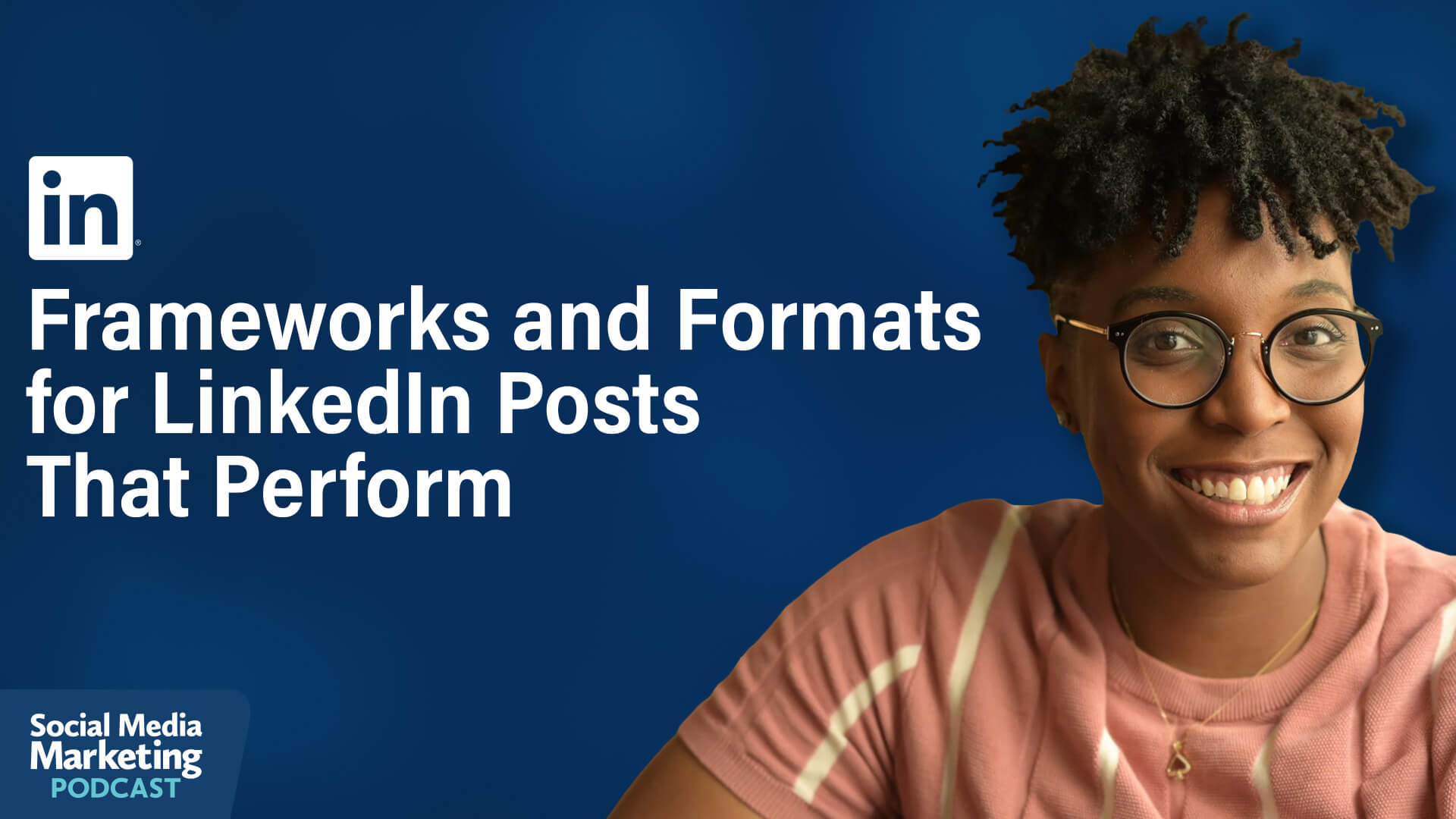
As LinkedIn continues to evolve as the primary hub for B2B networking and thought leadership, the "content gap"—the vast distance between generic corporate updates and high-converting, authoritative posts—is widening. According to Kasey Brown, a leading LinkedIn growth strategist and founder of Digital Kairos, the secret to bridging this gap lies in a three-part discipline: the Triple S Framework.
The Foundation: Defining Your Digital Strategy
Before a single word is drafted, success on LinkedIn depends on three structural pillars. Without these, even the most eloquent writing will struggle to gain traction.
1. The Precision of the Ideal Client Profile (ICP)
Many creators fall into the trap of "vague targeting." They define their audience as "business owners" or "marketing professionals." Brown argues that an effective ICP must be specific enough that a third party, such as a virtual assistant, could use the criteria to identify prospects in a search.
Instead of targeting "people who want to build a brand," a high-performing ICP specifies: "Speakers, coaches, and consultants earning at least $20K per month who need systems for organic content to scale their impact." This level of granularity dictates the tone, the pain points addressed, and the value proposition of every post.
2. The Transformation Metric
Every piece of content must promise a tangible transformation. Ask yourself: "What will the reader be able to do, think, or feel after consuming this post that they couldn’t do before?" By focusing on the reader’s journey from Point A to Point B, the creator moves away from self-centered vanity metrics and toward genuine utility.
3. Reader-Centricity Over Ego
The most common mistake on the platform is the "Look at me" syndrome. When a creator writes to demonstrate their own intelligence or to list their latest accolades, engagement inevitably suffers. Content that compounds business growth is designed to serve the reader. When the question shifts from "Will this make me look smart?" to "What does my reader gain from this?", the engagement dynamics shift fundamentally.
The Triple S Framework: Stop, Stay, and Share
With the foundations set, the Triple S Framework provides the tactical mechanics for LinkedIn engagement.

1: Stop—Winning the Scroll
The average LinkedIn user scrolls through hundreds of updates daily. To interrupt this flow, the image and the first two lines of text are paramount, accounting for approximately 80% of a post’s success.
Visual Strategy:
Creators often rely on stock imagery or overly polished studio photography. However, the data suggests that "different" outperforms "perfect." In a test comparing a high-resolution professional headshot against a wide-angle, slightly unpolished selfie taken from a stage, the latter generated 3,000 leads compared to the former’s 200. The lesson is clear: authentic, "real-world" images foster a sense of proximity and curiosity that polished graphics lack.
The Five Cs of Hooks:
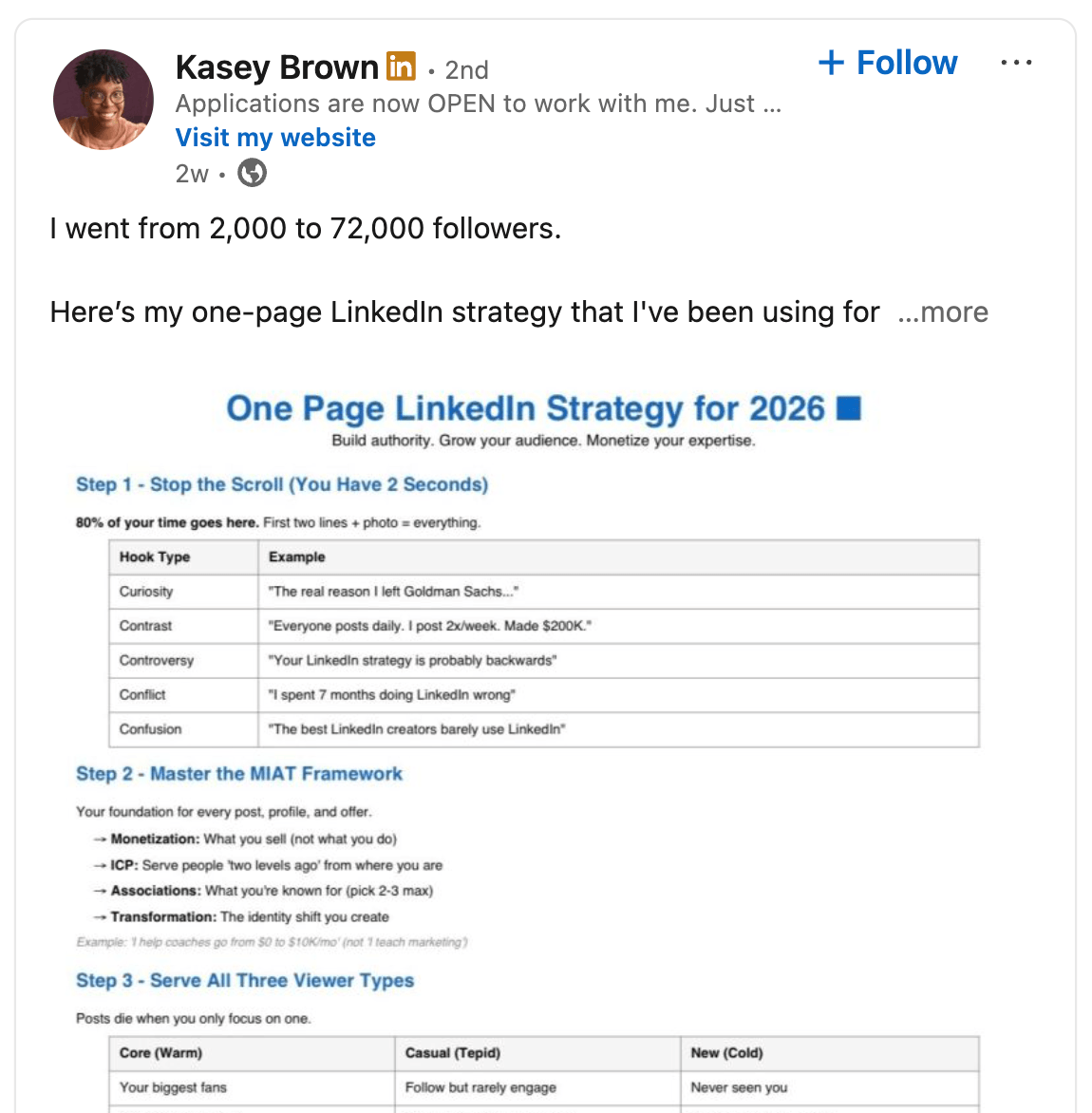
To convert a scroll into a click, the hook must trigger the Five Cs: Curiosity, Contrast, Contradiction, Controversy, or Confusion. A bland statement like "I had a great summer" fails to engage because it lacks tension. By contrast, a hook that juxtaposes a past struggle with a current success (e.g., "I was at a job I hated in 2021. Today, I’m running a thriving business from Bali") creates an immediate psychological pull that demands a "see more" click.
2: Stay—Retaining the Reader
Once a user clicks "see more," the content must justify that action. This is where the "re-hook" becomes critical.
The re-hook should never resolve the story immediately. Instead, it should heighten the stakes. If the hook draws the reader in with a conflict, the re-hook should elaborate on the complexity of that struggle. By delaying the resolution, the author keeps the reader invested, mirroring the structure of long-form storytelling.
Structural Rhythm:
Readability is a technical requirement. Brown suggests a rhythm of alternating short, one-sentence lines with denser, two-to-three-sentence blocks. This creates a "visual breathing room" that prevents the reader from feeling overwhelmed. Furthermore, content should consistently target a fourth-to-seventh-grade reading level. Tools like the Hemingway App are essential for ensuring that complex professional ideas remain accessible.
Mobile Optimization:
With 70% of LinkedIn consumption occurring on mobile devices, desktop formatting is often misleading. What looks like a short paragraph on a 27-inch monitor can turn into a "wall of text" on a smartphone. Creators should use tools like Authored Up to preview their work on mobile before hitting publish.
3: Share—The Ultimate Validation
While likes and views are vanity metrics, shares (reposts) represent advocacy. A share indicates that the content was valuable enough for the reader to associate their own personal brand with it.
A "share-per-impression" ratio of 0.3 is considered a solid benchmark, while 0.5 or above is elite. When a post hits this 0.5 threshold, it serves as a high-performing asset that should be recycled every 60 to 90 days.
The primary driver of shares is the "goodie bag"—a concrete, actionable takeaway at the end of the post. By providing a step-by-step framework or a summary of a lesson learned, the creator provides the reader with a reason to pass the information along to their peers.
Implications for Modern Marketing
The shift toward this human-centric model has profound implications for businesses and personal brands.
- The Death of Generic Automation: As AI continues to flood the internet with "average" content, the premium on authentic, experience-based writing will skyrocket. The algorithm is increasingly favoring unique perspectives that cannot be replicated by LLMs.
- The "Inside Look" Advantage: By sharing the process—such as documenting client questions and turning them into infographics—creators build a "build-in-public" reputation. This transparency increases trust, which is the ultimate currency in B2B transactions.
- Quality Over Frequency: The data confirms that posting less but with higher strategic intent is more effective than daily, low-effort updates. Consistency is important, but only when it is anchored in the Triple S Framework.
Conclusion: The Path Forward
The "content gap" on LinkedIn is not a technical barrier; it is a psychological one. Most users are trapped in the habit of broadcasting, while the most successful creators have transitioned to communicating. By defining a specific Ideal Client Profile, crafting hooks that trigger psychological tension, and ensuring every post ends with a tangible, shareable transformation, creators can turn LinkedIn from a noisy feed into a sophisticated business development engine.
In a digital landscape where artificial intelligence can generate text in seconds, the ability to synthesize real-world experience, maintain a reader-first perspective, and structure information for human consumption is becoming the ultimate competitive advantage. Those who master these fundamentals will find that the platform remains wide open for those willing to show up with something worth reading.
About Kasey Brown
Kasey Brown is a LinkedIn growth strategist and the founder of Digital Kairos. Her agency specializes in helping executives, founders, speakers, and consultants build and manage organic content systems that drive measurable business results. For more, follow her on LinkedIn or visit the Digital Kairos website.