Beyond the Handheld: A Deep Dive into the RugOne Xlink 7 AI-Powered Communicator
The landscape of outdoor adventure tech has long been dominated by two distinct categories: the traditional, frequency-limited walkie-talkie and the high-end, subscription-heavy satellite messenger. In June 2026, Ulefone’s sub-brand, RugOne, entered the fray with the Xlink 7, a device that attempts to bridge the gap between these worlds. By integrating global 4G/LTE connectivity, an onboard AI assistant, and a ruggedized, go-anywhere form factor, the Xlink 7 positions itself not just as a tool for communication, but as an essential safety node for the modern explorer.
Main Facts: What is the Xlink 7?
At its core, the RugOne Xlink 7 is an "AI 4G Communicator." While the term "walkie-talkie" is frequently used to describe its push-to-talk (PTT) functionality, it lacks the range limitations of analog radio systems. By leveraging global IoT (Internet of Things) cellular networks, the Xlink 7 offers theoretically unlimited range, provided there is cellular coverage.
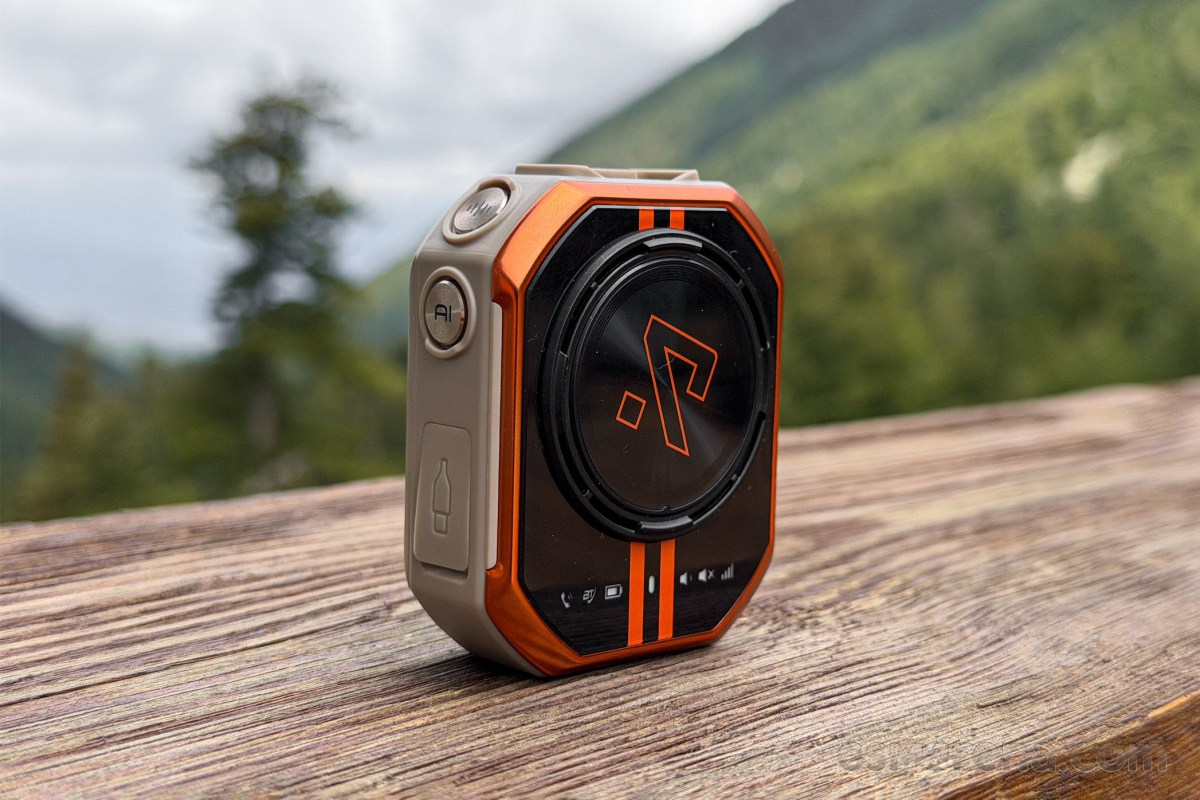
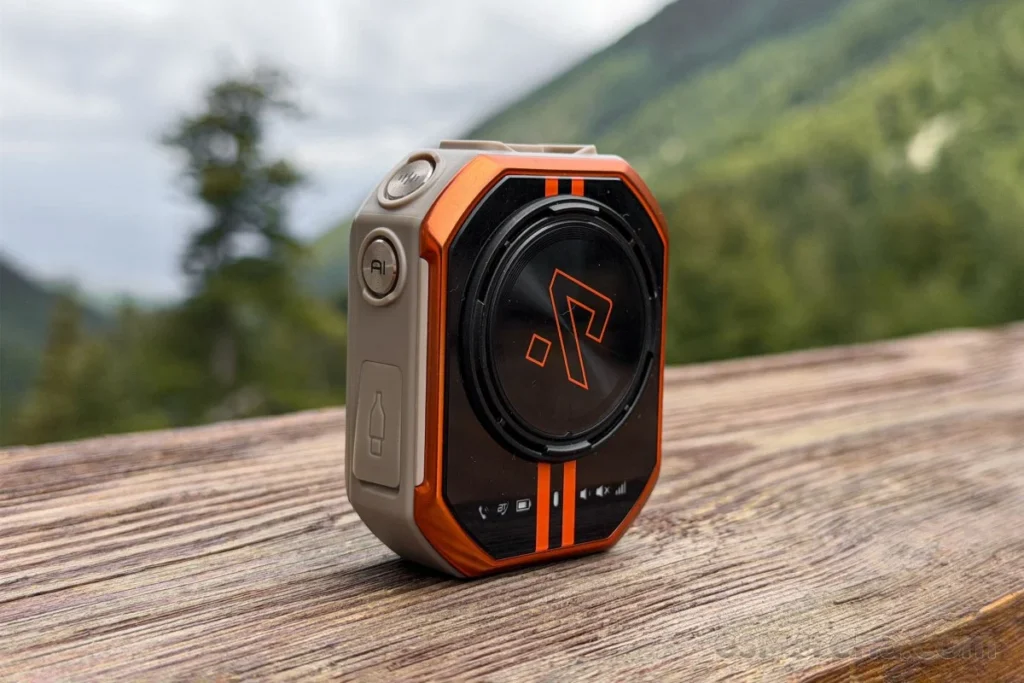
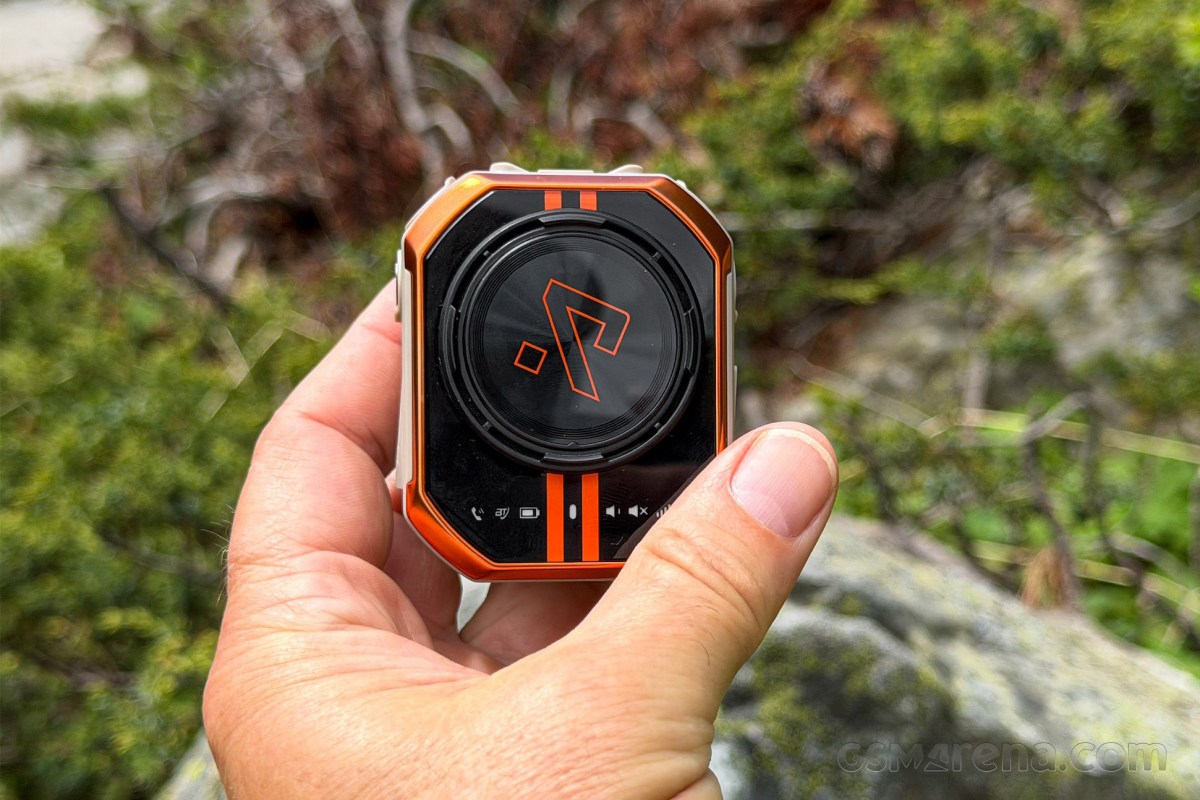
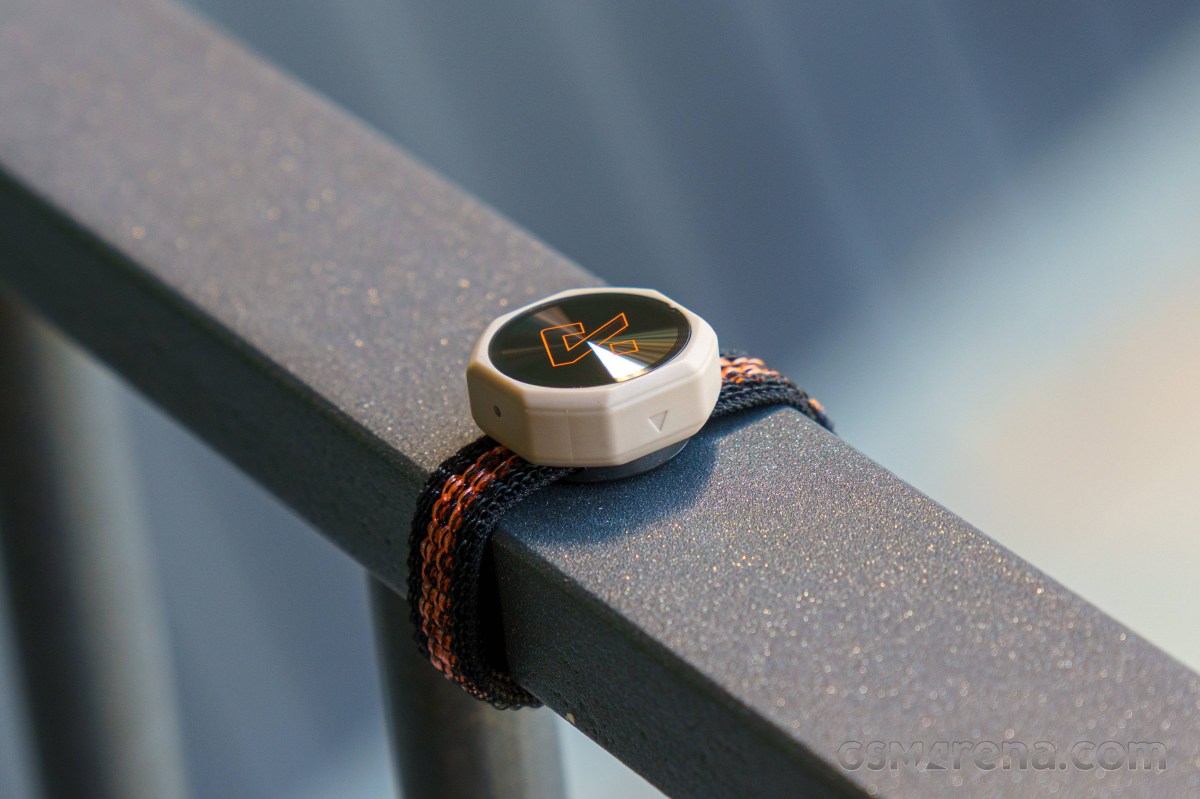
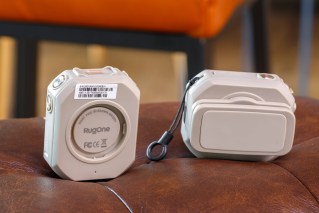
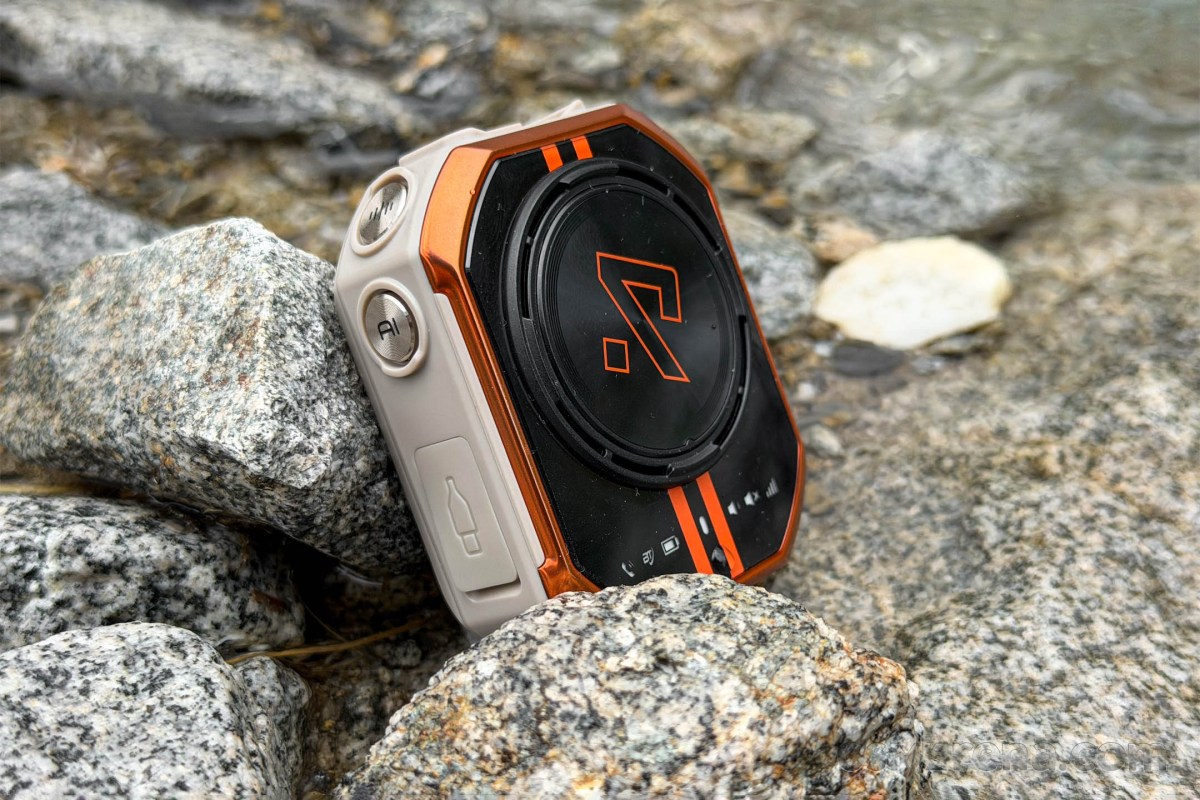
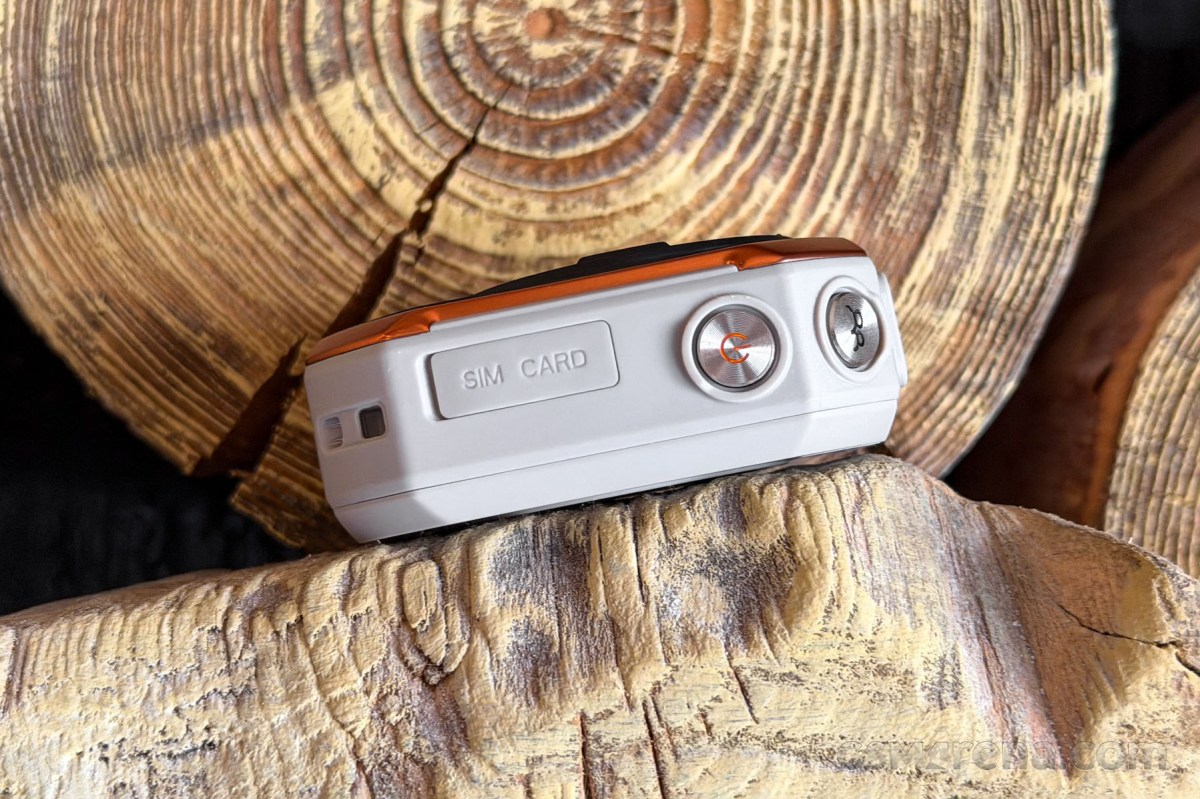
Designed under the Ulefone umbrella—a brand synonymous with industrial-grade durability—the Xlink 7 is a compact, octagonal puck-shaped device. It weighs 84 grams and is built to withstand extreme environmental abuse. Beyond simple voice transmission, it features an integrated AI assistant, a 1,050mAh battery, and a comprehensive suite of mounting accessories designed for high-intensity activities like mountain biking, skiing, and technical climbing.
Chronology: From Concept to Trail-Ready Tech
The development of the Xlink 7 represents a shift in how Ulefone approaches the outdoor market. Having spent years refining rugged smartphones, the transition to a specialized communication node was driven by user feedback requesting lighter, more durable alternatives to carrying a full-sized phone while trekking.
- Development Phase: RugOne focused on minimizing the device’s footprint while maximizing battery efficiency and antenna sensitivity to ensure consistent 4G reception in mountainous terrain.
- Beta Testing: During the spring of 2026, select adventure teams were equipped with early prototypes to test the "unlimited range" PTT capabilities in remote areas.
- The Launch: On June 22, 2026, RugOne officially unveiled the device via a Kickstarter campaign. The launch strategy focused on "Super Early Bird" pricing, targeting outdoor communities with a bundle offer of two units for $160—a price point intentionally designed to undercut traditional professional radio systems and satellite messengers.
Technical Specifications and Performance Data
While the device eschews a traditional screen to prioritize battery life and durability, its hardware is dense with functionality.
Build and Durability
The Xlink 7 features a chassis composed of high-impact plastic, rubberized dampening zones, and metallic button inputs. Its environmental ratings are industry-leading:
- IP68 Rating: Capable of submersion in 1.5 meters of water for up to 30 minutes.
- IP69K Rating: Resistant to high-pressure, high-temperature water jets.
- Thermal Resilience: Rated for operation in extreme temperatures ranging from -30°C to +55°C.
Connectivity and Battery
The device utilizes a global IoT nanoSIM, which is bundled with a 12-month pre-paid data plan. This architecture eliminates the common pitfall of carrier-specific roaming charges. The 1,050mAh battery provides approximately 87 hours of standby time and 10 hours of active talk time, ensuring that it can last through a standard multi-day hiking excursion.
The Ecosystem
The Xlink 7 is supported by a proprietary mobile application for iOS and Android. This app acts as a bridge, allowing users to:
- Replay History: Review voice messages and past group calls.
- Location Tracking: View the last known position of the device.
- Firmware Updates: Manage the AI assistant’s contextual database.
Official Perspectives and User Experience
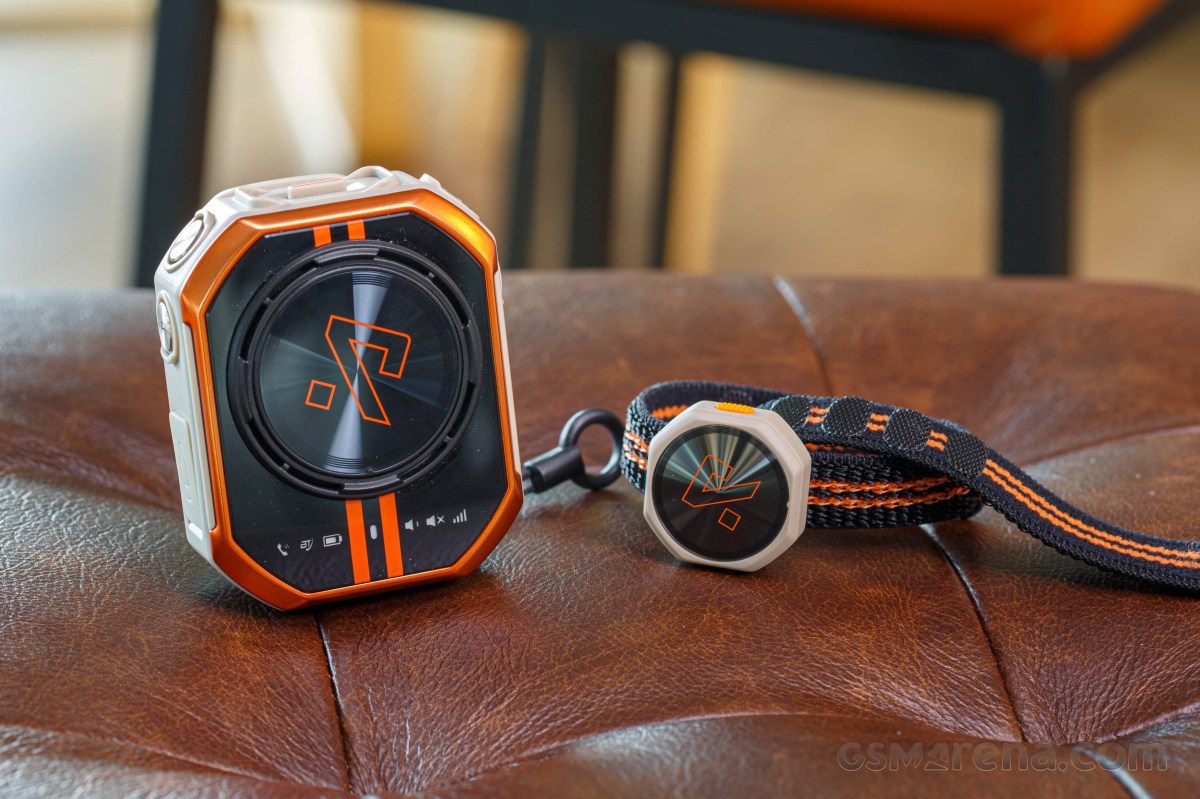
In our hands-on testing, the Xlink 7 performed exactly as advertised. The standout feature is the ease of use. The device relies on tactile feedback and status LEDs rather than a screen. Seven front-facing LEDs communicate battery status, network connectivity, and transmission states.
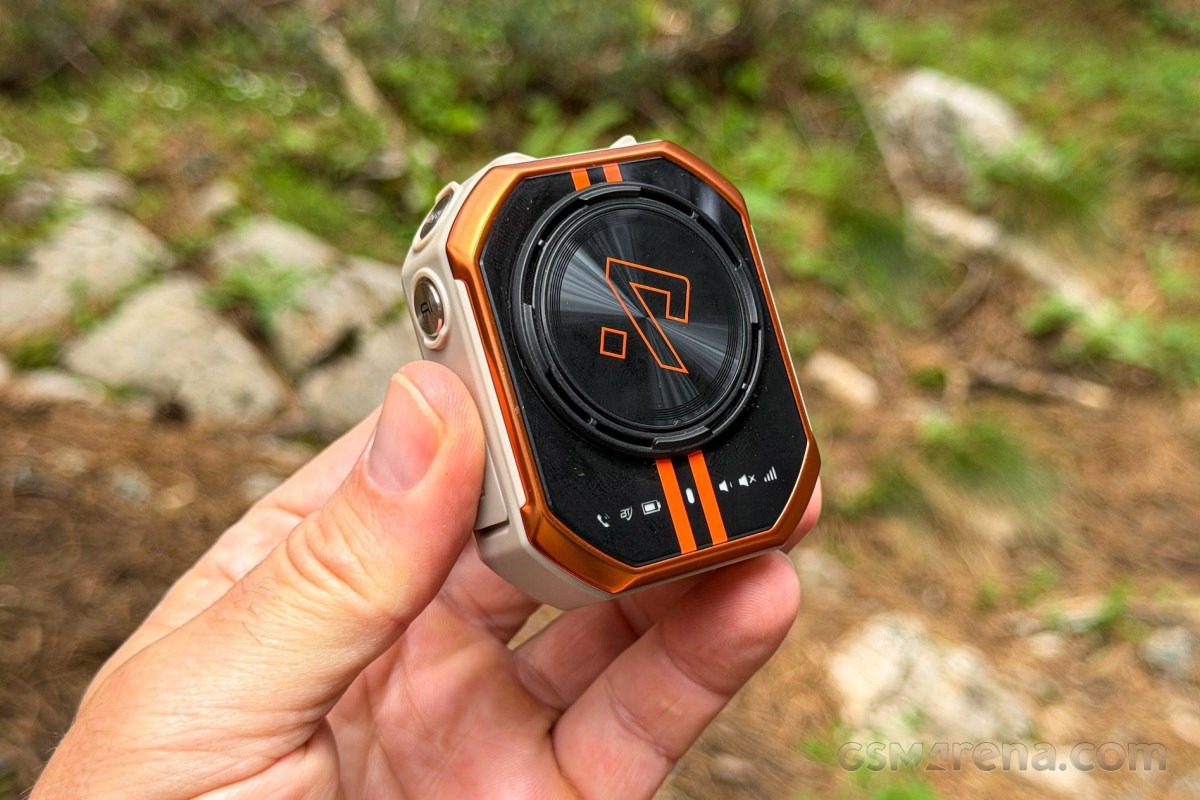
According to RugOne representatives, the decision to exclude a screen was a calculated move to reduce power consumption and increase impact resistance. "The Xlink 7 is meant to be a secondary device," a spokesperson noted during the launch event. "You shouldn’t be looking at a screen when you are climbing a rock face or descending a ski slope. You should be listening to your team."
The AI assistant serves as a bridge between the device and the user’s intent. By pressing the dedicated AI button, users can prompt the device for real-time weather updates, altitude data, or simple navigation tips. During our field test, the AI’s ability to interpret queries amidst ambient mountain noise—such as high winds or rushing water—was remarkably accurate, owing to the high-quality microphone array.
The Role of Accessories
The Xlink 7 distinguishes itself from competitors through its "ready-to-use" unboxing experience. The package includes:
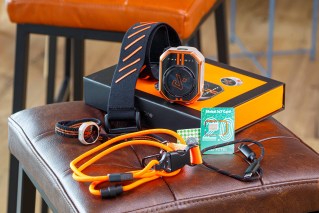
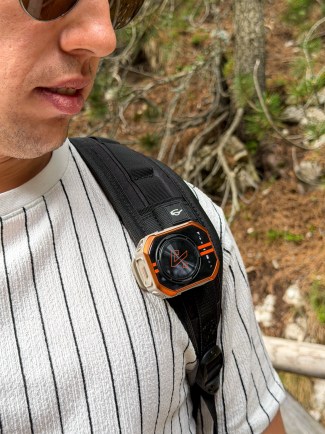
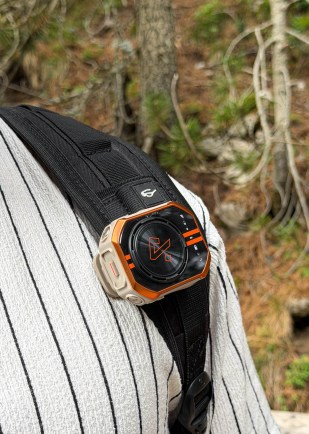
- Magnetic Back Clip: Allows for quick mounting to backpacks or webbing.
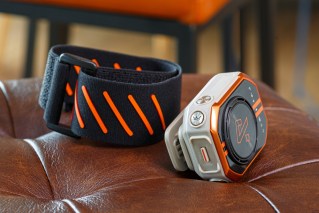
- Armband Strap: Designed for runners and cyclists who need immediate access to the PTT button.
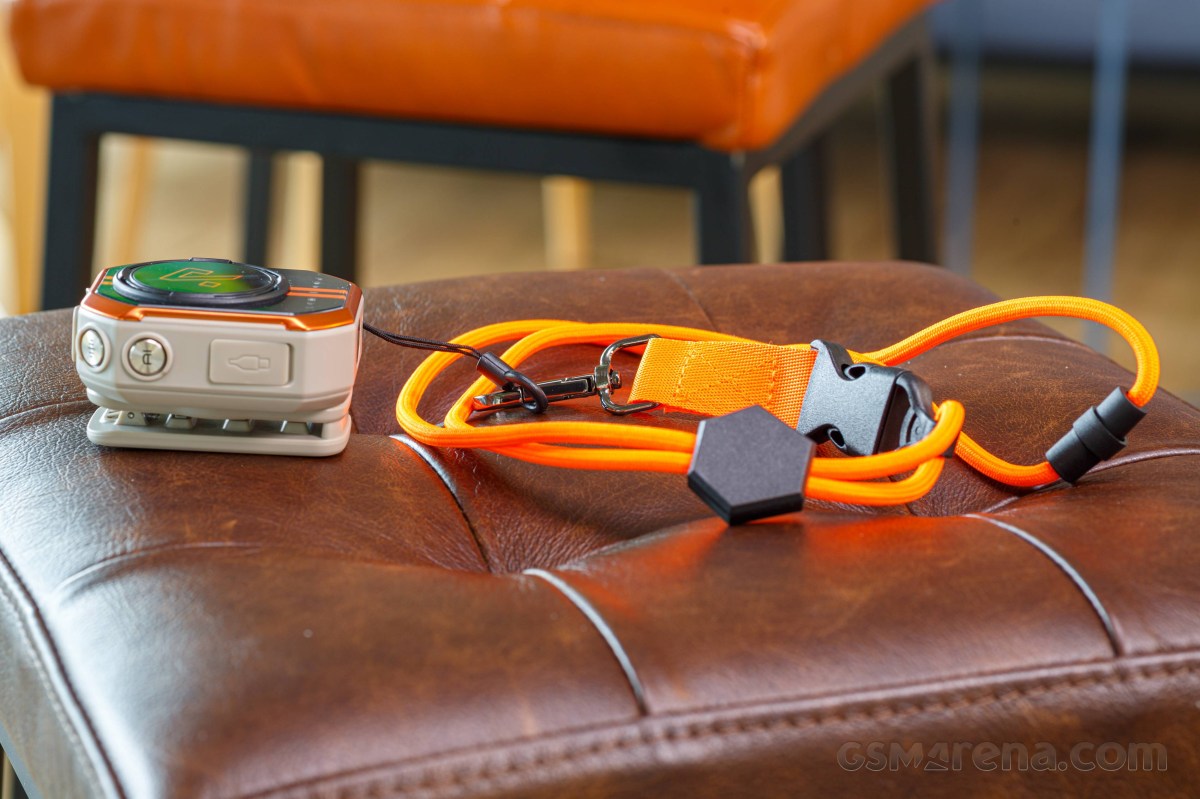
- Wireless Remote: A game-changer for cyclists and skiers. The remote, which uses a CR1620 battery, can be mounted to handlebars or glove straps, allowing users to initiate PTT calls without ever touching the main device.
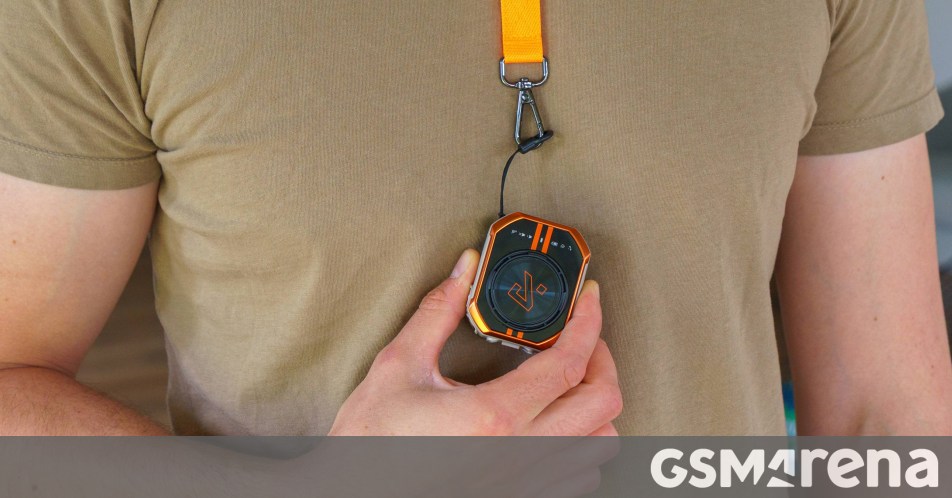
- Emergency Lanyard: A high-visibility safety component for group tracking.
Implications for the Adventure Tech Market
The introduction of the Xlink 7 signals a broader trend in the consumer electronics space: the "de-smartphoning" of specialized tasks. As smartphones become increasingly fragile and expensive, there is a growing market for dedicated, ruggedized peripherals that handle high-stakes communication.
Impact on Emergency Preparedness
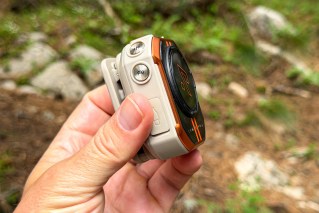
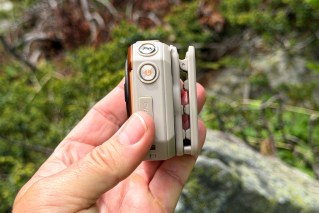
The Xlink 7’s SOS feature is a critical addition. A five-press sequence on the action button triggers a high-decibel siren and initiates an emergency protocol that alerts pre-set contacts with live GPS coordinates. While it does not replace a PLB (Personal Locator Beacon) for deep-wilderness survival, it provides an intermediate layer of safety for casual to mid-level adventurers who might otherwise rely solely on a smartphone.
The Competitive Landscape
Traditional walkie-talkie manufacturers are now facing pressure from devices that offer the familiar PTT interface but with the reach of cellular networks. The absence of a monthly subscription barrier (thanks to the included IoT SIM) makes the Xlink 7 an attractive alternative to systems that require expensive monthly service contracts.
Future Potential
The, "AI on-device" aspect is likely to evolve. As LLMs (Large Language Models) become more efficient, the Xlink 7 could potentially handle offline terrain analysis or complex medical triage instructions. The current iteration is a baseline, but the infrastructure is in place for significant software-side growth.
Conclusion
The RugOne Xlink 7 is a compelling case study in functional design. It does not try to be a phone, a camera, or a media player. Instead, it focuses exclusively on being a reliable communication node. For the hiker, the skier, or the professional search-and-rescue volunteer, the Xlink 7 offers a level of connectivity that was previously only available in more complex, proprietary systems.
As we look toward the future of outdoor technology, the success of the Xlink 7 will likely hinge on the consistency of the global IoT network and the longevity of the AI updates provided by Ulefone. For now, however, it stands as a testament to the fact that sometimes, the best tech is the kind that gets out of your way and simply lets you talk. Whether you are scaling a remote peak or navigating a crowded ski resort, the Xlink 7 ensures that you are never truly out of touch.