Beyond the iPhone: Apple’s Hidden "B790" Wearable and the Future of Visual Intelligence
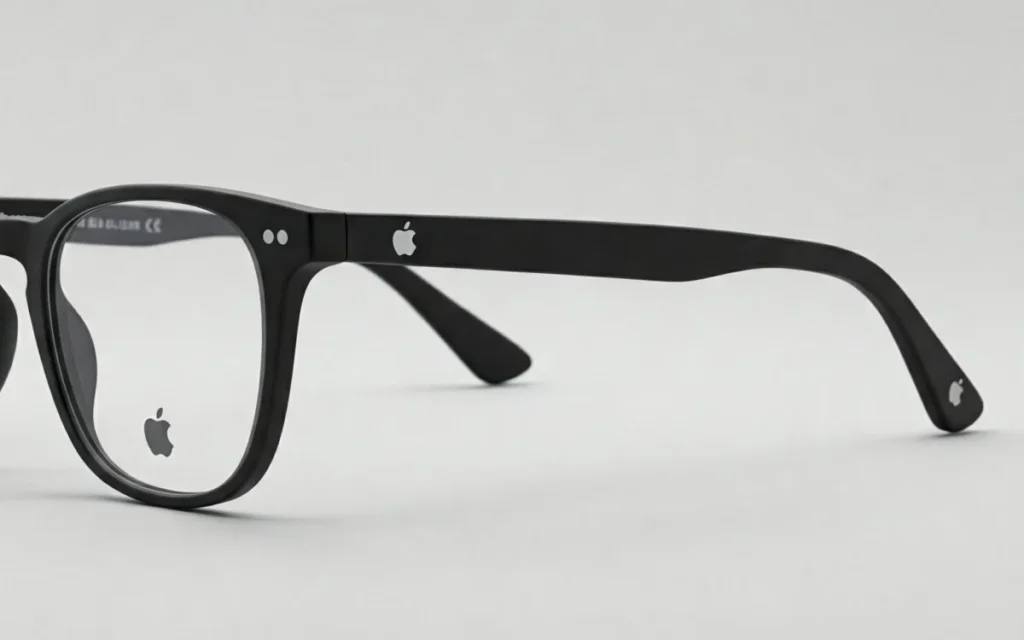
The landscape of personal computing is undergoing a seismic shift, moving away from screens we hold in our hands toward devices that augment our perception of reality. Recent findings within the source code of iOS 27 have reignited speculation regarding Apple’s next major hardware foray. X user @samhenrigold, a keen observer of Apple’s software infrastructure, has unearthed a cryptic reference to a device codenamed B790. While the discovery is in its infancy, the inclusion of specific technical hooks suggests that Apple is actively engineering a wearable device designed to interface seamlessly with "Visual Intelligence"—a sophisticated feature currently limited to the latest iPhone Pro models.
Main Facts: The B790 Discovery
The discovery, hidden deep within the underpinnings of iOS 27, provides the first tangible evidence of a new hardware category under development in Cupertino. The model number B790 is currently an empty vessel, lacking a public-facing product name, but its functional requirements are explicit. The code confirms that this device is designed to leverage Apple’s "Visual Intelligence" framework.
Visual Intelligence, introduced as a hallmark feature of the iOS 27 ecosystem, allows users to point their camera at their surroundings to receive contextual information from Siri. Whether identifying a landmark, transcribing text from a physical document, or recognizing corporate logos, the system relies on high-fidelity optical input. By embedding support for this feature into the B790 firmware, Apple has effectively confirmed that this mystery wearable will feature an integrated camera system capable of interpreting the physical world in real-time.
Unlike standard peripherals, which often serve as passive inputs, the B790 appears to be an active, intelligent node in the Apple ecosystem. The integration of Visual Intelligence implies a device that is meant to see what the user sees, processing data locally through the Neural Engine to provide contextual awareness that transcends simple data retrieval.
Chronology: A Roadmap of Speculation
To understand the weight of the B790 discovery, one must look at the timeline of Apple’s recent explorations into wearable optics and intelligence.
- The Vision Pro Launch (2024): The introduction of the Apple Vision Pro established the technical foundation for "Spatial Computing." While the Vision Pro is a headset, it laid the groundwork for miniaturized camera arrays, eye-tracking, and advanced sensor fusion.
- The Rise of Visual Intelligence (iOS 27 Announcement): During the most recent developer conference, Apple unveiled Visual Intelligence, framing it as the future of mobile interaction. By shifting the burden of search from the keyboard to the camera lens, Apple signaled a transition toward ambient computing.
- The AirPods Ultra Debacle (Early 2025): Reports emerged indicating that Apple had been testing "AirPods Ultra," which were rumored to include integrated camera sensors to track environmental data. However, development was reportedly suspended due to thermal constraints and power efficiency issues.
- The B790 Discovery (Current Day): The surfacing of B790 in iOS 27 code serves as a pivot point. It suggests that while the "camera-equipped earbud" concept may be on ice, the desire to bring Visual Intelligence to a form factor smaller than a headset remains a high-priority goal for Apple’s hardware engineering teams.
Supporting Data: Why Visual Intelligence Matters
Visual Intelligence is not merely a gimmick; it is the software layer that makes wearable, screenless computing viable. The technical requirements to run this feature are significant. It requires a dedicated camera module, high-speed image processing, and a low-latency connection to a primary compute node—usually the user’s iPhone.
The B790’s reliance on these features suggests it is likely a "companion" device. Because Visual Intelligence relies on advanced Large Language Models (LLMs) and object recognition, a standalone device would face insurmountable battery life challenges. By offloading the heavy lifting to the iPhone—which acts as the "brain"—the B790 can remain lightweight and unobtrusive.
Industry analysts point to the "camera-first" design philosophy as a clear indicator of Apple’s direction. If the B790 is indeed a pair of smart glasses or a lightweight wearable, it must contend with the "uncanny valley" of aesthetics. Users are far more likely to adopt eyewear that looks like standard glasses than they are to adopt a bulky headset. The technical challenge, therefore, is shrinking the camera array and battery technology to fit into a chassis that weighs under 50 grams.
Official Responses and Industry Context
As is standard protocol, Apple has declined to comment on the B790 discovery. The company maintains a "wall of silence" regarding unreleased product roadmaps. However, industry insiders and supply chain analysts have provided context that fills the gaps.
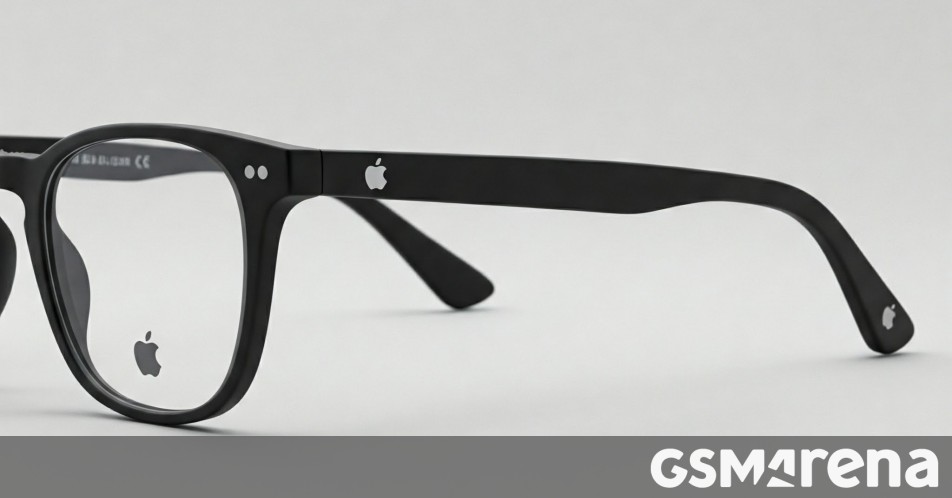
Renowned analyst Ming-Chi Kuo has frequently discussed Apple’s interest in "AR Glasses." His reports suggest that Apple’s long-term roadmap aims to replace the smartphone, not just augment it. The B790 could be the first step in a "Phase 1" strategy: a wearable that provides data, audio, and visual context, allowing the user to keep their phone in their pocket.
Competitors have not been idle. Meta’s Ray-Ban smart glasses have proven that there is a consumer appetite for AI-powered, camera-equipped eyewear. While Meta’s current offering focuses on social media integration and basic AI assistance, Apple’s implementation via Visual Intelligence is designed to be deeper, focusing on privacy-centric, on-device processing that aligns with Apple’s core brand identity.
Implications: The Death of the Screen?
The implications of the B790 and the broader Visual Intelligence initiative are profound. If Apple successfully deploys a wearable device that can identify, catalog, and interact with the physical world, the dependency on the smartphone screen will inevitably decline.
1. The Shift to Ambient Computing
For the past two decades, our interactions with the digital world have been "screen-bound." We look down at a rectangle in our hands to access information. The B790, paired with Visual Intelligence, suggests an era of "Ambient Computing," where information is overlaid on the world or delivered aurally, based on what the user is looking at.
2. Privacy as a Competitive Moat
The greatest hurdle for any camera-equipped wearable is privacy. Apple is positioning itself to be the "safe" alternative to competitors. By keeping Visual Intelligence processing largely on-device (utilizing the iPhone’s Neural Engine), Apple intends to market the B790 as a device that understands your world without sending your visual data to a cloud server. This strategy is essential for mass-market adoption.
3. Economic Disruption
If the B790 succeeds, the ecosystem of third-party apps will change. Developers will need to shift their focus from "App UI" to "Contextual UI." Instead of designing a menu for an iPhone screen, developers will be tasked with designing interactions that occur when a user points their B790 at a restaurant menu, a store shelf, or a piece of machinery.
Conclusion: Waiting for the Reveal
The B790 remains a ghost in the machine—a series of references in a massive codebase that hints at a transformative future. Whether this device evolves into the long-rumored "Apple Glasses" or takes an entirely different form, its existence confirms one thing: Apple is not content with the iPhone being the final form of mobile computing.
The transition from the smartphone to the wearable computer is likely to be a decade-long journey, and the B790 is a vital, early signpost on that road. As developers continue to scrub the iOS 27 source code for further breadcrumbs, the tech world will be watching closely. For now, the B790 stands as a testament to Apple’s commitment to weaving intelligence into the fabric of our everyday lives—one lens, one landmark, and one line of code at a time. The question is no longer whether we will wear our computers, but rather how seamlessly we will be able to do so.