Beyond the Pitch: What the 2026 FIFA World Cup Teaches Us About the Evolution of Affiliate Marketing
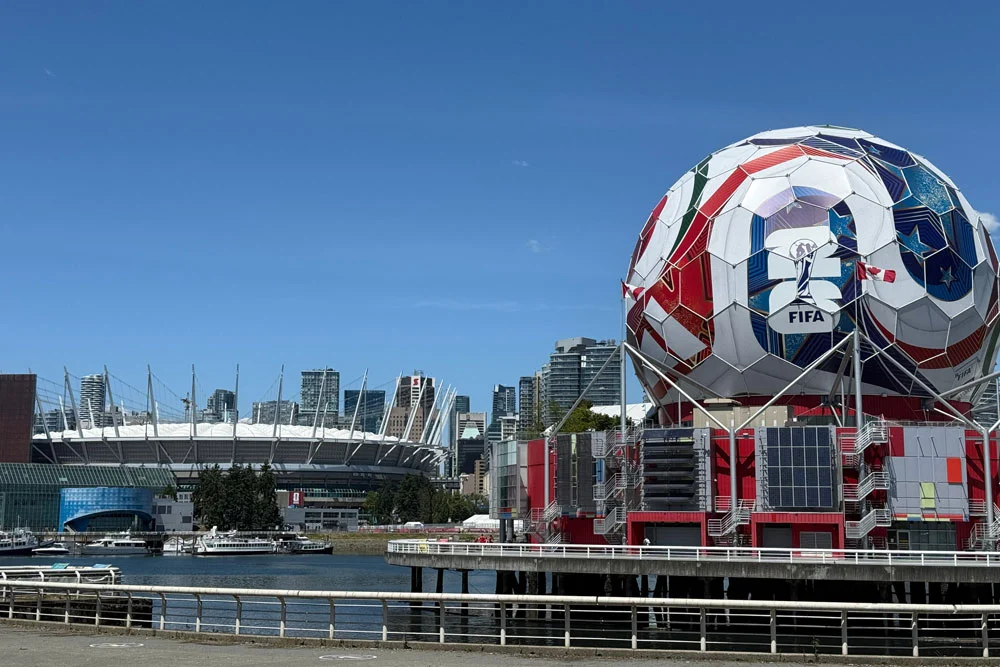
As stadiums across North America echo with the deafening roars of millions of fans, the FIFA World Cup 2026 is in full, breathless swing. Tournaments of this magnitude inevitably come and go, leaving behind fading memories of stunning volleys, controversial referee decisions, and emotional national triumphs. Yet, the underlying principles that govern elite athletic competition do not vanish when the final whistle blows.
Watching the unfolding drama—beginning with a flight to Boston packed shoulder-to-shoulder with the passionate, kilt-clad members of the Tartan Army—reveals striking parallels between the high-stakes world of international soccer and the fast-paced ecosystem of affiliate marketing. Whether managing multi-million-dollar digital campaigns or orchestrating a national side through the knockout stages, success requires a precise blend of strategy, humility, and adaptability.
Here are the three enduring lessons the 2026 World Cup offers to digital marketers and affiliate managers alike.
1. Success Requires Teamwork: The Fallacy of the Lone Wolf
The Limits of Individual Brilliance on the Pitch
Individual talent can capture headlines, but it rarely wins championships on its own. During the group and knockout stages of the 2026 tournament, fans were reminded of this timeless truth time and again.
Consider the fate of Croatia. Despite possessing the timeless vision and genius of Luka Modrić, the squad ultimately lacked the collective depth required to overcome a disciplined Portugal side. Similarly, the legendary Cristiano Ronaldo—arguably one of the greatest to ever play the game—could not single-handedly drag Portugal past a tactically superior Spain in the Round of 16. In modern soccer, a single superstar can win you a match, but it takes a cohesive, well-drilled team to win a tournament.
Applying the Collective Strength Model to Digital Partnerships
The same principle governs the digital landscape. Having operated an affiliate management agency for well over twenty-five years, one immutable law has proven true time and again: an agency is only as strong as the collective talent of its team members.
This philosophy extends directly to how brands structure their affiliate programs. If your program relies entirely on a single publisher, traffic source, or promotional type, you are building your house on sand. To truly protect revenue, optimize conversion rates, and ensure the long-term viability of referral streams, affiliate programs must actively diversify.
Successful brands spread their affiliate bases across multiple marketing channels—such as content sites, coupon and loyalty partners, influencers, sub-networks, and email marketers. Just as a soccer manager fields a balanced lineup of defenders, midfielders, and forwards to cover every inch of the pitch, an affiliate manager must build a diverse portfolio of partners to weather algorithmic shifts and market fluctuations.
2. Never Underestimate the Underdog: Lessons in Disruption
Ancient Wisdom Meets Modern Turf
Some twenty-five centuries ago, ancient military strategists warned that "there is no greater danger than underestimating your opponent." Whether attributed to Laozi or Sun Tzu, this axiom has played out dramatically on the pitches of the 2026 World Cup.
The tournament has been a masterclass in underdog resilience. During the Group Stage, tournament debutants Curaçao shocked the global sporting community by grinding out a hard-fought, disciplined 0-0 draw against a formidable Ecuador side. Later, in the Round of 16, Egypt stunned reigning World Cup champions Argentina, surging to a 2-0 lead and dictating the tempo for the majority of the match.
The Nectar Sleep Case Study: Beating the Giants
These David-versus-Goliath narratives are not confined to athletics; they mirror the exact challenges faced in competitive e-commerce and affiliate marketing.
When AM Navigator first launched the affiliate program for Nectar Sleep in early 2017, the deck appeared heavily stacked against them. The "mattress-in-a-box" concept was no longer a novel market disruptor; it was a crowded, highly competitive vertical dominated by deeply entrenched, well-funded brands like Casper, Saatva, and Purple.
Conventional wisdom suggested that entering late meant playing an endless game of catch-up. Yet, by executing a targeted, agile affiliate strategy, the landscape shifted dramatically. Just one year and five days after its official launch, Nectar Sleep’s affiliate program surged past more than 5,000 competing programs—including retail and brand giants like Wayfair, Deluxe, Reebok, Gymboree, the NFL, and Viator—to claim the coveted Number 1 spot on the ShareASale network.
The takeaway for digital entrepreneurs is clear: being an underdog does not sentence a brand to mediocrity, nor does it guarantee failure against legacy players. Conversely, established brands ignore emerging, nimble competitors at their own peril.
3. Never Rest on Your Laurels: The Dynamic Nature of the Industry
The Perils of Complacency in Global Soccer
If the 2026 World Cup has proven anything, it is that past glory buys very little on the modern pitch.
Italy, a proud four-time World Cup champion, failed to qualify for the tournament entirely, watching from home as younger, hunglier nations took the spotlight. Traditional powerhouses like the Netherlands suffered early exits, knocked out by Morocco in the Round of 32, while Brazil—the spiritual heartland of soccer—was stunningly eliminated by Norway in the Round of 16.
Norway’s meteoric rise serves as the ultimate modern underdog case study. Prior to this tournament, the Norwegian national side had not appeared in a World Cup in nearly thirty years. Yet, through rigorous tactical evolution, disciplined development, and sheer hunger, they carved a path deep into the Quarterfinals, posing a genuine threat to lift the trophy.
Navigating the Dynamic Digital Landscape
Affiliate marketing operates in much the same way. The defining characteristic of the digital marketing ecosystem is its relentless, unforgiving dynamism. The online landscape evolves constantly, driven by privacy regulations, shifting consumer behaviors, emerging traffic platforms, and technological advancements like AI-driven search.
- What worked last year may fail today: Strategies that drove high conversions twelve months ago can easily be rendered obsolete by algorithm updates or shifting consumer preferences.
- Tactics have an expiration date: Tactics that generated significant revenue five or ten years ago—such as indiscriminate keyword-bypassing or low-value coupon stuffing—are not only unviable now; they can actively penalize a brand’s reputation.
Because the digital terrain shifts beneath our feet, ongoing education and continuous optimization are non-negotiable prerequisites for survival.
Implications for Industry Professionals
As the 2026 World Cup hurtles toward its climactic final matches, industry professionals must step back and evaluate their own playbooks. The lessons written on the grass in North America apply directly to the boardrooms of digital agencies and merchant brands alike:
- Audit Your Roster: Assess your current affiliate mix. Are you overly reliant on a handful of top-performing partners? If so, begin diversifying your channels immediately to insulate your business against sudden platform shocks.
- Embrace Agility: Do not dismiss emerging publishers or smaller affiliate networks. The next industry-disrupting partner might look like an underdog today, but with the right nurturing, they could become your most lucrative revenue driver.
- Commit to Lifelong Learning: Reject complacency. The digital marketing landscape rewards those who view education as a continuous journey rather than a static destination.
Whether you are analyzing a tactical shift in a World Cup knockout match or refining a commission structure ahead of Q4, the core tenets remain identical: build a strong team, respect every competitor, and never stop adapting.
If you are attending the upcoming Affiliate Summit in New York or participating in other major industry conferences this season, reach out to connect. The landscape is changing fast—and comparing notes is the best way to ensure your brand stays ahead of the curve.