Beyond the Prompt: Mastering Agentic Workflows with Manus
In the rapidly evolving landscape of artificial intelligence, a subtle but seismic shift is occurring. For the past two years, the industry has been defined by the "Chatbot Era"—a paradigm where users engage in a back-and-forth dialogue with Large Language Models (LLMs). While tools like ChatGPT and Claude have revolutionized productivity, they share a common limitation: they are reactive assistants. They provide information, draft text, and offer advice, but the heavy lifting of executing multi-step processes—navigating software, managing files, and connecting disparate digital tools—remains the user’s responsibility.
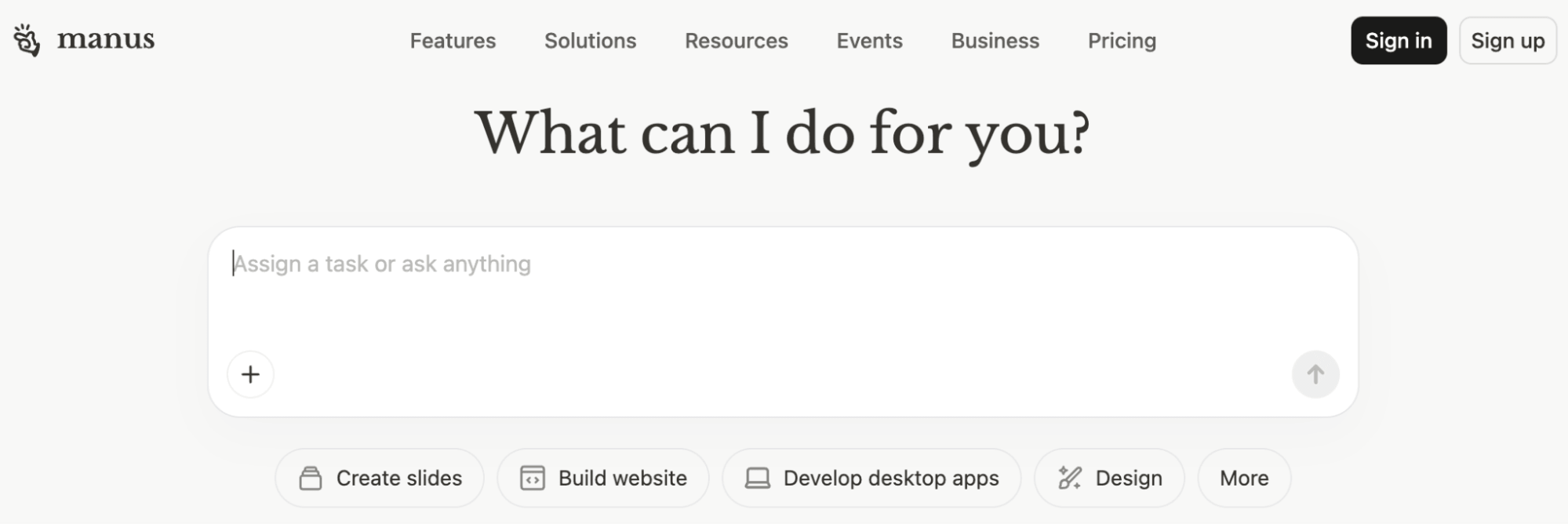
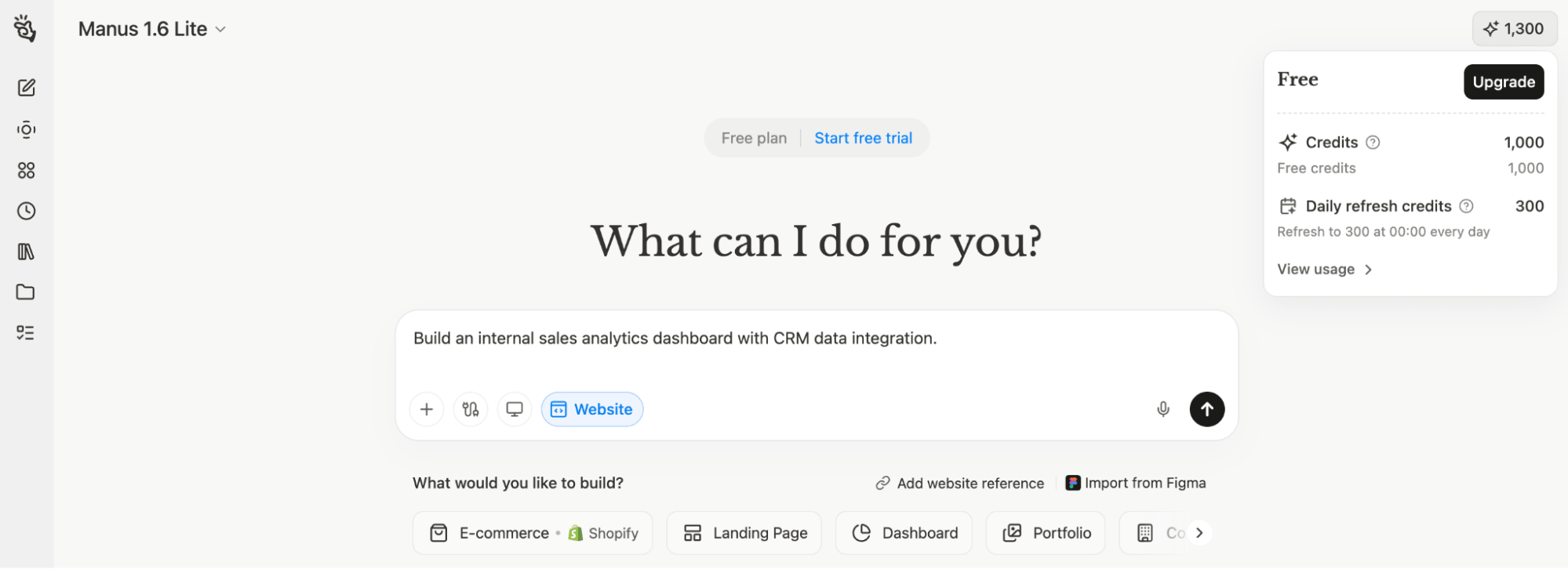
Enter Manus, an "agentic" AI platform designed to bridge the gap between ideation and execution. Unlike standard chatbots that ask, "How can I help you?"—implying that you still have to do the work—Manus asks, "What can I do for you?" and then proceeds to perform the task from start to finish. By autonomously navigating the web and orchestrating multi-step workflows, Manus represents a transition from AI as a consultant to AI as a digital employee.
The Evolution of Agentic AI
The distinction between a standard LLM and an agentic tool like Manus lies in autonomy. Standard chatbots are confined to the chat interface; they exist in a vacuum where the user must copy-paste outputs into other applications. Manus, conversely, is built to interact with the world. It can log into third-party platforms, manage CRM data, interact with local files on a desktop, and maintain persistent cloud-based environments.
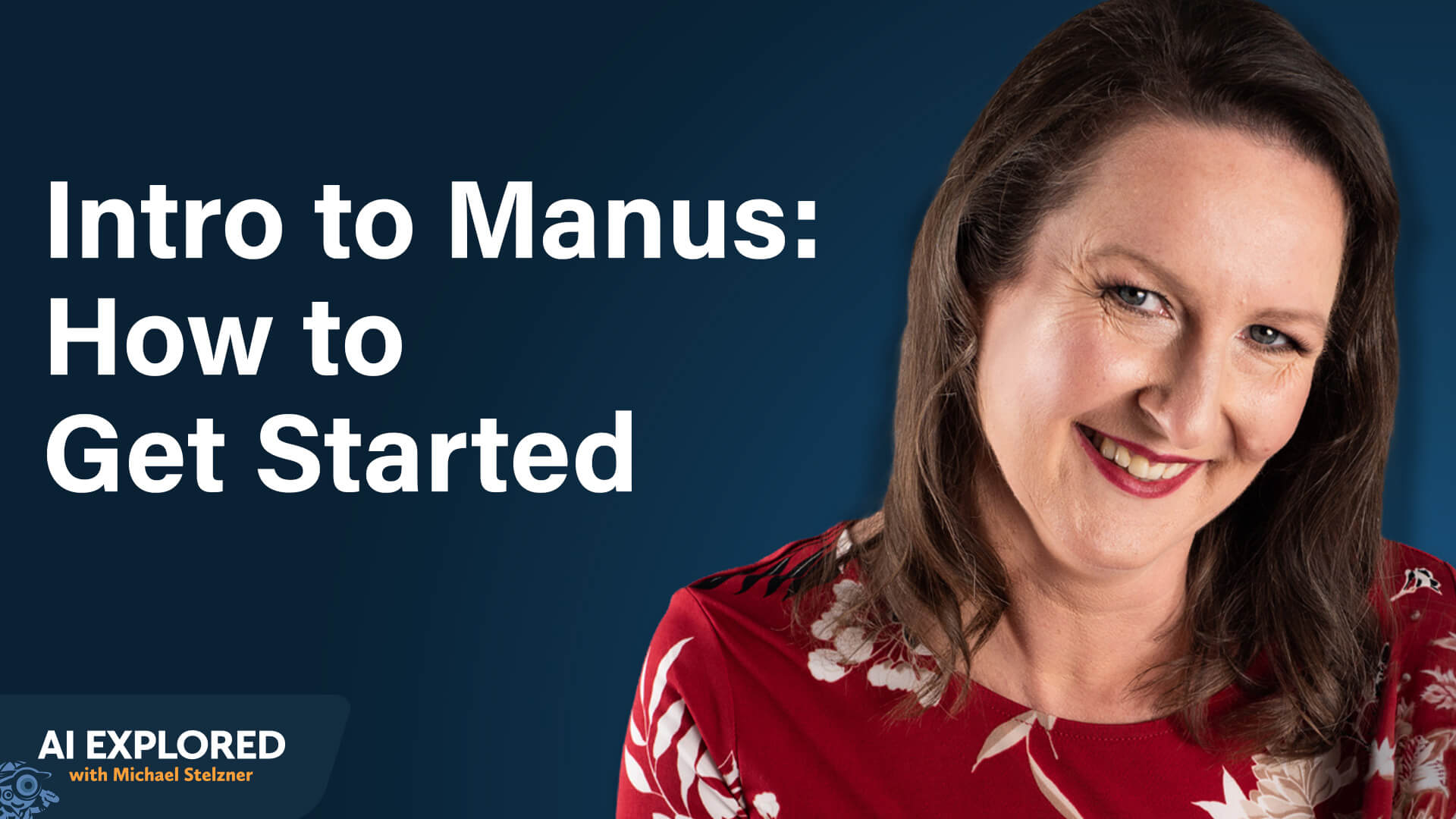
For professionals like Kate vanderVoort, who co-created this guide alongside Michael Stelzner, the transition to Manus was a turning point. "Manus doesn’t just respond to prompts; it executes them," she explains. Because the interface is powered by natural language, the barrier to entry is remarkably low, allowing marketers and business owners to build sophisticated automation workflows without writing a single line of code.
Chronology: From Static Prompting to Autonomous Execution
The journey toward agentic workflows typically follows a predictable trajectory for most power users.
- The Discovery Phase: Users begin by testing Manus’s browser-based capabilities. Much like a standard chatbot, it is accessible via a web interface, but with the added ability to interact with external websites without requiring the user to share sensitive login credentials directly.
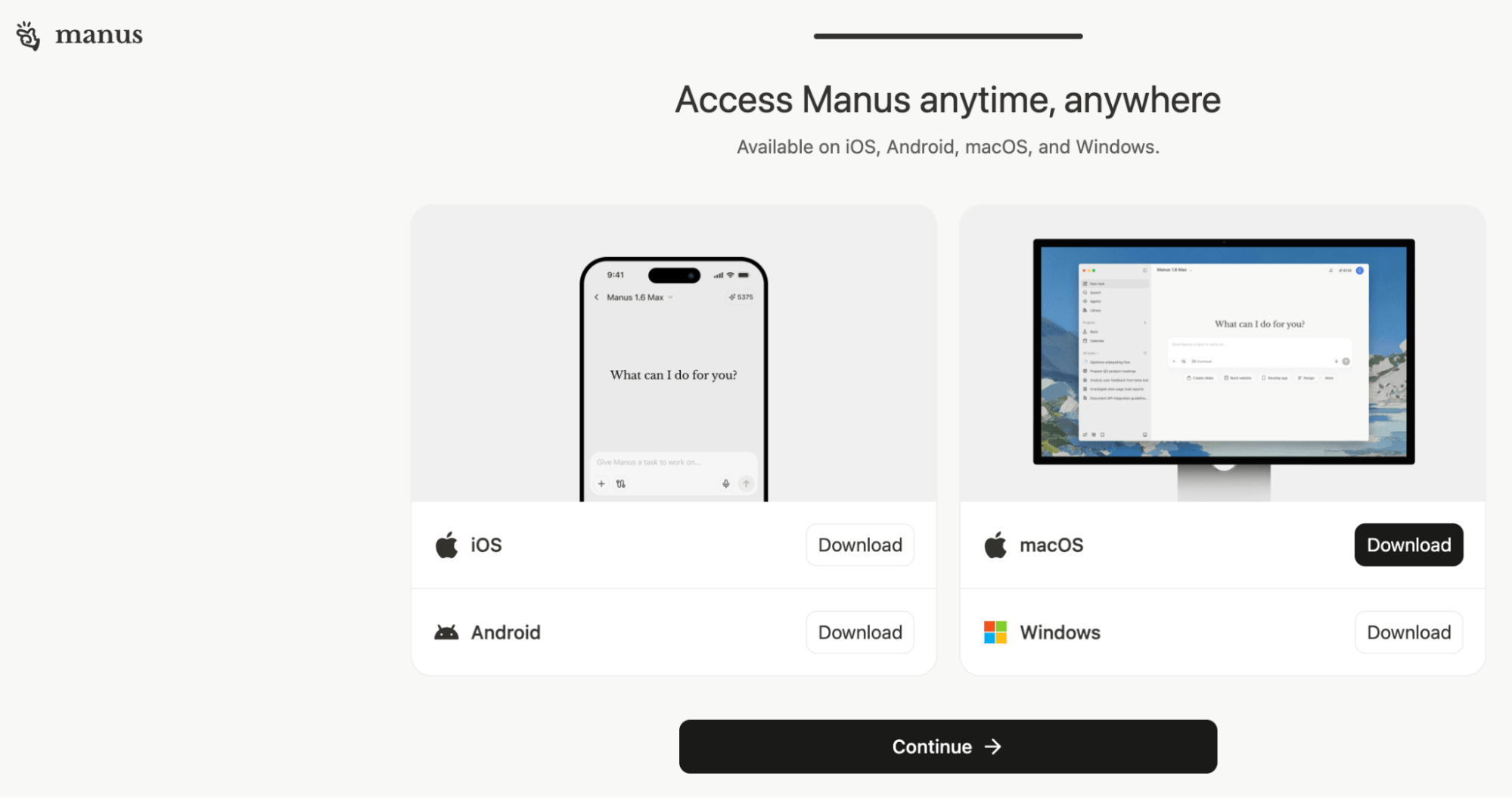
- The Desktop Integration: As users become comfortable, they transition to the desktop application. This allows the AI to access local files, bridging the gap between cloud-based intelligence and offline productivity.
- The Cloud Computer Era: For high-level users, the "Manus Cloud Computer" serves as the final destination. This persistent, always-on virtual environment can manage 24/7 operations, such as monitoring social media, scraping competitor data, or managing customer interactions across platforms like WhatsApp and email.
- Systematization: The final stage is the creation of "Skills"—reusable workflows that encapsulate a specific business process. Once a task is perfected, it is saved as a skill, turning a one-time success into a permanent, repeatable asset.
Supporting Data: Understanding the Credit Economy
Manus operates on a credit-based subscription model, reflecting the computational cost of running autonomous agents that perform "deep work." Unlike a flat-fee subscription, this model scales with the complexity of the tasks requested.
- Entry Level: A base subscription offers a set number of credits, with tiers starting at $20/month.
- Operational Costs: Simple queries might cost between 5 and 10 credits. However, complex, multi-step agentic workflows—such as scraping data, synthesizing reports, and formatting them for delivery—can consume 900+ credits in a single session.
- The "Burn" Reality: Users should note that monthly credit allocations do not roll over. This creates an incentive for businesses to integrate Manus into their daily operations to ensure they are extracting maximum value from their subscription cycle.
Real-World Applications: The ROI of Autonomy
To understand the tangible impact of Manus, one must look at the "Proposal Generation Workflow." Previously, a consulting firm might spend three to four hours manually researching a client, synthesizing data across multiple research tools, mapping products to KPIs, and drafting a formal proposal.
By offloading this entire chain to Manus, the human role is reduced to a single input: uploading the discovery call transcript. Manus handles the research, generates a briefing dashboard, and drafts the proposal. The cost? Approximately $5 in credits per proposal—a fraction of the value of three hours of professional time.
In another instance, a large manufacturing firm attempted to build a complex training program. After two years of effort and a $150,000 investment in an external agency, they were only 10% through their objective. When tasked to Manus, the agent ran a 42-step workflow over 50 minutes, identifying gaps in the company’s logic and delivering a comprehensive seven-module program, including a 150-page manual and interactive quizzes. The efficiency gain was, by any metric, transformative.
Professional Best Practices: The "Consultant Mindset"
The most frequent pitfall for new Manus users is applying a "chatbot mindset" to an "agentic tool." If you were paying a high-end consultant $500 an hour, you would not spend their time brainstorming out loud. You would arrive with a comprehensive brief.
Kate vanderVoort recommends a "Pre-Prompting" strategy. Before opening Manus, use a tool like Perplexity or a voice-to-text app to perform a "brain dump" of the task. Then, task an LLM to "write a highly optimized prompt for a Manus AI agent." Crucially, you must include the instruction: Do not do the task. This forces the LLM to act as a project manager, structuring your requirements into a professional brief that Manus can execute with precision.
Building a Business Intelligence Center
The pinnacle of using Manus is the development of a "Business Intelligence Center" based on Standard Operating Procedures (SOPs). By packaging your company’s unique logic, brand voice, and operational requirements into "Skills," you create a digital repository of institutional knowledge.
A skill is effectively a zip file or folder containing instructions and context. Because Manus evaluates the name and description of these skills before loading them, the system remains efficient, only utilizing the relevant data for the task at hand. When you save a successful workflow as a skill, you are essentially training your AI workforce. Over time, these skills become the bedrock of the business, ensuring that your AI output is consistent, high-quality, and deeply aligned with your actual business practices.
Implications for the Future of Work
The rise of agentic tools like Manus signals a shift in the value of human labor. As routine, multi-step processes are automated, the role of the professional moves away from "doing" and toward "directing."
However, this transition comes with significant responsibility. The reliance on agentic AI requires a high level of accountability. Users must vet the skills they use and ensure they are sourced from trusted providers to avoid the risks of "hallucinated" workflows or security vulnerabilities. Furthermore, as organizations build their own proprietary skills, the protection of these workflows becomes as vital as the protection of intellectual property.
Ultimately, Manus is not merely a tool for efficiency; it is a tool for scale. By offloading the "how" to an agent, business leaders can refocus their energy on the "why"—strategy, innovation, and human connection. In a world where AI can handle the execution of 42-step programs in under an hour, the winners will be those who can best articulate their vision and manage their agentic workforce to bring it to life.
As we look toward the future, the boundary between the "user" and the "developer" will continue to blur. With platforms like Manus, the era of the "no-code developer" has truly arrived, empowering anyone with a clear process and a strategic mindset to build an AI-powered operation that never sleeps.