Bridging the Gap: A Comprehensive Guide to Migrating from Oracle to Google BigQuery
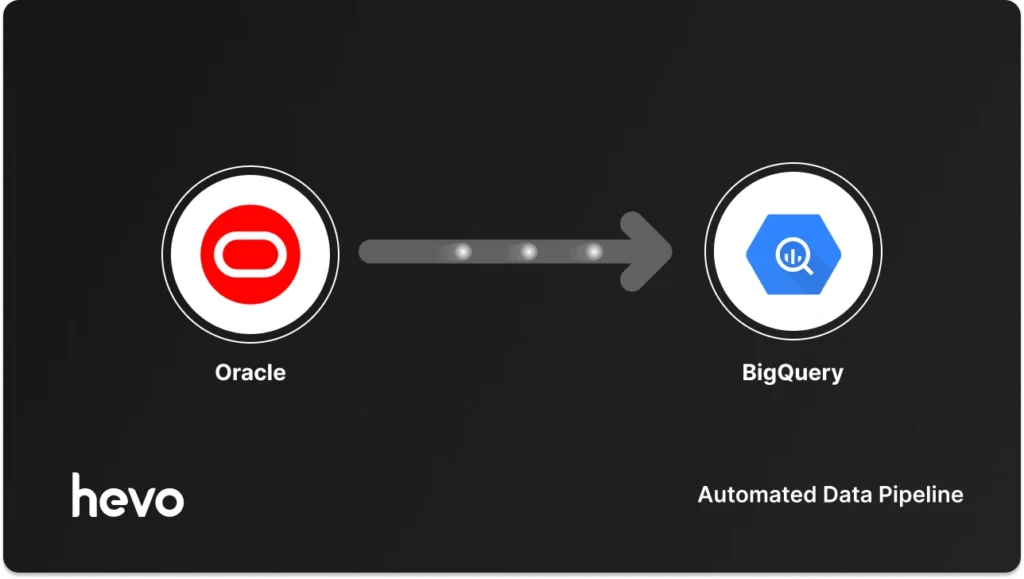
In the modern enterprise landscape, data is the lifeblood of decision-making. Yet, many organizations find themselves constrained by legacy infrastructure, specifically the rigid silos of traditional relational databases like Oracle. As businesses pivot toward real-time analytics and machine learning, the migration from on-premise transactional systems to cloud-native data warehouses like Google BigQuery has become a strategic imperative.
Shifting your data architecture from Oracle to BigQuery is more than a technical migration; it is a fundamental upgrade to your organization’s analytical capabilities. This transition unlocks superior performance, seamless integration with the Google Cloud ecosystem, and the freedom to perform complex, high-speed queries without impacting production workloads.
However, the path to migration is not singular. It requires a clear understanding of the trade-offs between manual maintenance and automated efficiency. This guide explores the methodologies, technical prerequisites, and strategic implications of moving your enterprise data into the cloud.
The Strategic Imperative: Why Move to BigQuery?
Oracle is an industry stalwart for transactional (OLTP) workloads, maintaining data integrity with precision. However, it was never designed for the petabyte-scale, ad-hoc analytical queries that drive today’s business intelligence.
By migrating to BigQuery, organizations achieve:

- Scalability: BigQuery’s serverless architecture handles massive datasets without the need for manual capacity planning.
- Decoupled Performance: By separating analytical processing from transactional operations, you ensure that complex reporting never slows down your mission-critical applications.
- Advanced Analytics: Integration with Google’s machine learning tools, Vertex AI, and Looker enables predictive insights that are difficult to cultivate in a legacy environment.
- Cost Efficiency: With a pay-as-you-go model, you eliminate the overhead of maintaining on-premise hardware and idle database servers.
Choosing Your Migration Vehicle: The Three Primary Paths
Choosing the right migration method depends on your team’s technical bandwidth, the frequency of your data updates, and your tolerance for maintenance.
1. Automated Migration (Hevo)
Automated platforms provide a "hands-off" experience. These tools utilize Change Data Capture (CDC) to monitor Oracle Redo Logs, ensuring that every change in your source database is reflected in BigQuery in near real-time. This is the ideal solution for teams that prioritize operational agility over building custom internal tools.
2. Native Managed Services
Google Cloud offers the BigQuery Data Transfer Service, which automates the movement of data from Oracle to BigQuery on a scheduled basis. This is a robust middle-ground for organizations that prefer to stay within the Google ecosystem without the overhead of building custom pipelines.
3. Custom Engineering (Dataflow/Python)
This "roll-your-own" approach offers infinite flexibility. By building custom pipelines using Apache Beam (Dataflow) or Python scripts, organizations can perform complex data transformations in flight. The trade-off, however, is significant: you inherit the responsibility for debugging, schema evolution, and infrastructure maintenance.
Method 1: The Automated Approach with Hevo
For teams looking to minimize the "plumbing" of data movement, Hevo offers an automated pipeline that manages the complexities of schema mapping and log-based replication.

Prerequisites for Success
Before initiating the connection, ensure your Oracle instance is configured to support external reads:
- LogMiner Access: The replication user must have
SELECTprivileges onV_$LOGMNR_CONTENTSandDBMS_LOGMNRexecution rights. - Archivelog Mode: Your database must run in
ARCHIVELOGmode to allow the system to capture historical and real-time changes. - Supplemental Logging: Enabling
ALTER DATABASE ADD SUPPLEMENTAL LOG DATA (ALL) COLUMNSis critical to ensure that every column change is captured.
Step-by-Step Implementation
- User Provisioning: Create a dedicated service account in Oracle with minimal, necessary permissions to read logs and views.
- Staging Infrastructure: Configure a Google Cloud Storage (GCS) bucket. Hevo uses this as a staging area to batch data before committing it to BigQuery, which optimizes load performance and reduces API costs.
- Pipeline Configuration: Define your source (Oracle) and destination (BigQuery). Once the credentials and JSON key files are provided, the platform handles the handshake and initial historical snapshot.
- Sync Activation: Once the initial load is complete, the system automatically transitions to real-time replication, keeping your analytical warehouse perfectly synced with your production database.
Method 2: The Native Manual Path
If your organization mandates the use of native Google tools, the BigQuery Data Transfer Service (DTS) or manual exports are the standard routes.
The BigQuery Data Transfer Service
This is a managed service that requires minimal configuration. It is best suited for organizations that do not require millisecond-level latency but need reliable, recurring batch updates.
- Process: You configure a transfer job in the Google Cloud Console, provide the connection string for your Oracle instance, and define the frequency.
- Limitations: While convenient, it lacks the fine-grained control over transformation logic compared to a custom-coded pipeline.
The "Export-Load" Strategy (GCS)
For massive historical backfills, the manual export-to-GCS method is the industry standard.
- Extract: Export Oracle data using SQL Developer or
expdpinto high-performance formats like Parquet or Avro. - Upload: Use the
gsutilcommand-line tool to move these files to a GCS bucket. - Ingest: Utilize the
bq loadcommand or the BigQuery UI to point to the GCS files and trigger the ingestion.
Supporting Data: Comparing the Approaches
| Metric | Automated (Hevo) | Native Data Transfer | Custom Pipeline |
|---|---|---|---|
| Setup Effort | Low (Hours) | Moderate (Days) | High (Weeks) |
| Maintenance | None | Low | High |
| Latency | Real-time (CDC) | Batch (Scheduled) | Variable |
| Control | Standardized | Limited | Absolute |
Implications of the Migration
Data Integrity and Schema Evolution
One of the most frequent challenges in migration is schema drift. As your production Oracle database evolves (adding columns, renaming tables), your pipeline must adapt. Automated solutions handle this dynamically, whereas custom pipelines require manual intervention, which can lead to data loss or pipeline failure if not diligently monitored.

Network and Security
Moving data from an on-premise Oracle environment to the cloud necessitates strict security protocols. Use VPC Service Controls and ensure that your database is not exposed to the public internet. Use secure tunnels or dedicated Interconnects to ensure that the data in transit remains encrypted and compliant with enterprise standards.
The "Cost" of Control
It is a common misconception that "building it yourself" is cheaper. While it avoids software licensing fees, the engineering hours required to maintain a custom pipeline—handling retries, backfilling missing data, and monitoring log health—often exceed the cost of a managed platform within the first year of operation.
Official Responses and Best Practices
Google Cloud’s documentation consistently emphasizes the "separation of concerns" during migration. Their official guidance recommends:
- Perform a dry run: Always migrate a subset of data (a small schema) before attempting a full-scale production migration.
- Optimize for BigQuery: Denormalize your data where possible. Oracle’s relational structure is built for storage efficiency; BigQuery’s columnar storage is built for query performance.
- Monitor Costs: BigQuery costs are tied to compute (queries) and storage. Ensure your loading processes are optimized to minimize unnecessary scanning.
Conclusion
The decision to migrate from Oracle to BigQuery is a milestone in any company’s digital transformation journey. It represents a move away from the constraints of legacy storage toward the limitless potential of cloud-scale analytics.
Whether you choose the path of automation to save developer time or the path of custom engineering to retain total control, the goal remains the same: transforming raw, siloed data into actionable intelligence. For most modern businesses, the "automated" route provides the best return on investment, allowing data engineers to stop fighting with infrastructure and start building the insights that move the needle.

As you embark on this project, remember that the technology is merely the vehicle. The value lies in the clarity you gain once your data is finally free from the constraints of the past, ready to fuel the business decisions of the future.