Building an AI Creative Director: Transforming Voice Journals Into Multi-Platform Content With Claude
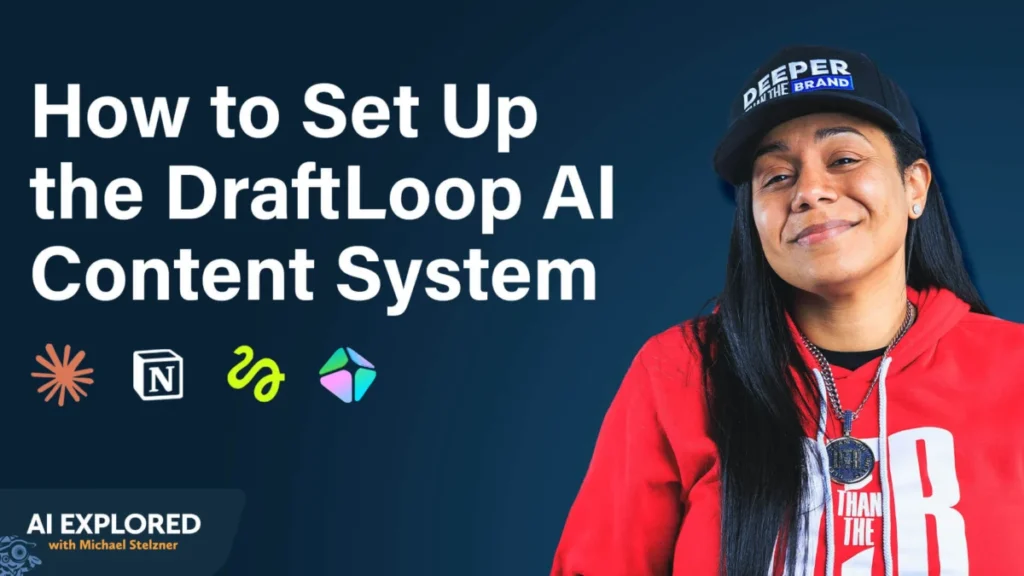
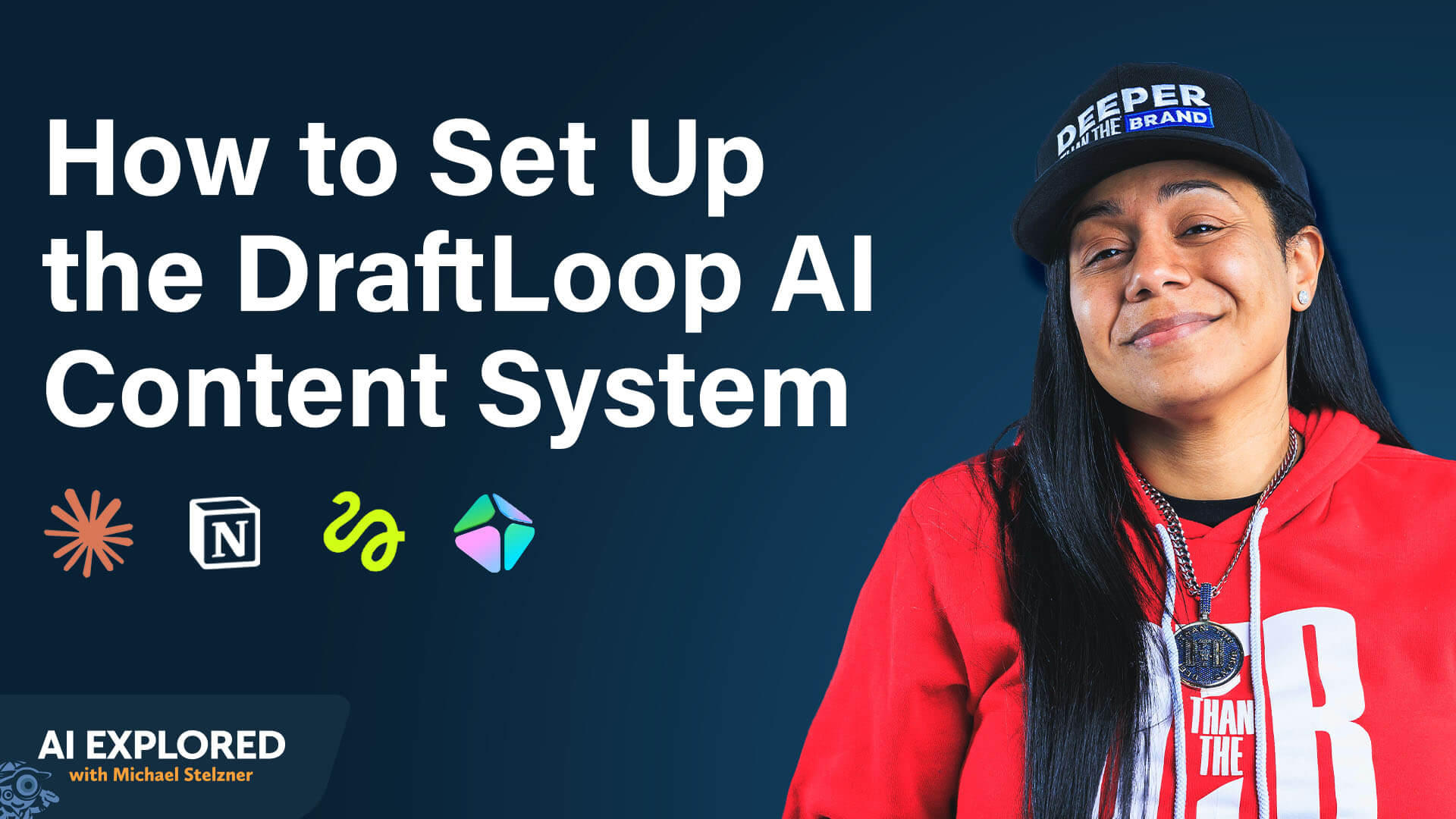
In the modern digital landscape, the pressure to maintain a consistent, multi-channel content presence can easily overwhelm even the most seasoned creators and small business owners. Without a dedicated creative team, burnout is a constant threat. However, a groundbreaking workflow developed by AI strategist Nicky Saunders in collaboration with Michael Stelzner offers an alternative: building an automated "AI Creative Director" using Claude.
By integrating tools like Claude, Notion, Apify, Higgsfield, and HeyGen, creators can transform raw, unstructured voice journals into polished, multi-format content—including tweet threads, newsletters, video scripts, and carousels—all while maintaining their unique brand voice.
Main Facts: The Anatomy of an AI-Powered Content Workflow
The core premise of the AI Creative Director methodology is that artificial intelligence should function as an integration layer within an existing creative workflow, rather than a total replacement for human thought.
According to Saunders, the system relies on three foundational pillars:
- The Creative Vision and Style Guide: Establishing clear goals, aesthetic preferences, and visual inspirations before deploying automation.
- Persistent Claude Skills: Pre-programmed instruction sets and memory structures that teach Claude the nuances of a creator’s brand voice and platform-specific formatting rules.
- The "DraftLoop" Automation Pipeline: A scheduled daily workflow that takes raw voice notes—recorded during morning walks—and automatically generates multi-platform content drafts inside Notion for human review.
Crucially, the system operates on a "human-in-the-loop" principle. While the AI handles ideation, drafting, and asset generation, publishing and final strategic decisions remain strictly under human control.
Chronology: How to Build Your Own AI Creative Director
Implementing this system requires a systematic, step-by-step approach. Creators looking to replicate Saunders’ framework can follow a structured implementation timeline.
Phase 1: Establishing Vision and Visual Style
Before writing a single prompt, creators must define what "good" looks like to avoid generating generic, recognizable "AI slop."
- Define the Goal: Clarify the intended emotional response and the desired audience action (e.g., signing up for a newsletter or making a purchase) for every piece of content.
- Build an Inspiration Library: Gather visual references—such as Instagram carousels, magazine covers, or product packaging—and upload them to a Claude project. Use AI to analyze these images and learn the precise technical vocabulary (such as saturation levels and color palettes) needed to communicate your aesthetic.
Phase 2: Developing Core Claude Skills
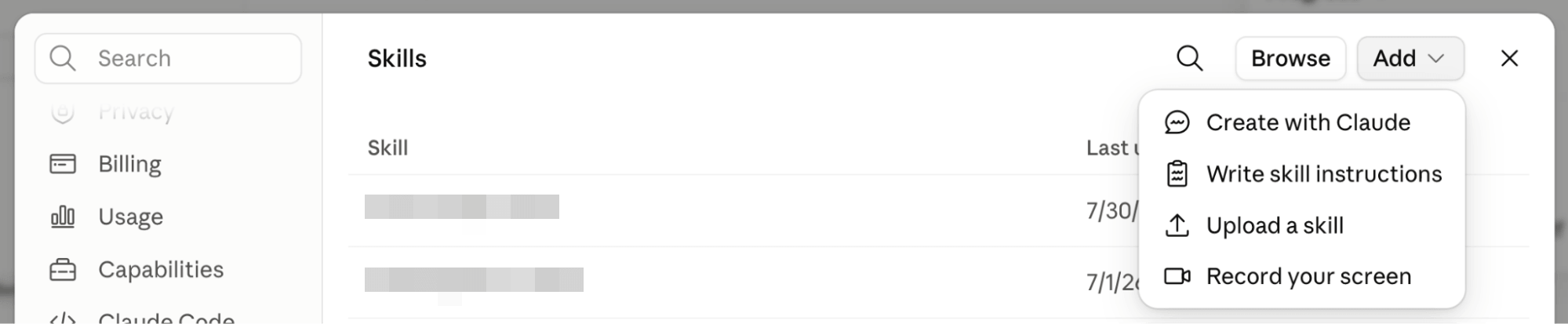
To prevent having to re-explain your preferences in every new chat, you must build persistent instructions known as "skills."
- The Brand Voice Skill: Feed Claude as many examples of your natural communication as possible, including video transcripts, Zoom recordings, newsletter copy, and social media posts. Conduct an interview with Claude to map your tone, cadence, and recurring phrasing patterns.
- The Platform-Style Skill: Create a secondary skill dedicated to how your formatting shifts across channels—distinguishing between the brevity of a tweet thread, the conversational depth of a Substack essay, and the pacing of a YouTube script.
- Data Sourcing via Apify: Utilize data scraping tools like Apify (connected to Claude via MCP) to pull historical content metrics, transcripts, and competitor public data to continuously refine your AI’s training pool.
Phase 3: Executing the "DraftLoop" Content Workflow
Once the foundation is set, the day-to-day operations run on a semi-automated schedule.
- The Daily Voice Journal: Record a free-flowing voice note every morning (using tools like Notion’s AI meeting notes). Inspired by Julia Cameron’s The Artist’s Way, speak candidly about your thoughts, struggles, inspirations, and daily experiences without worrying about structure.
- Automated Processing: Set up a scheduled task inside Claude Cowork that scans your Notion workspace for new journal entries every morning. Claude extracts key insights and generates a comprehensive batch of draft assets—ranging from quote graphics to newsletter outlines.
- Human Review and Production: Review the AI’s proposals mid-day. Select the winning ideas and prompt Claude to generate advanced assets, such as storyboard scripts, avatar video previews via HeyGen, or visual carousels via Higgsfield.
Supporting Data: The Current State of AI Adoption in Marketing
Recent industry data underscores why systems like the DraftLoop workflow are rapidly gaining traction among modern marketers and creators:
- The DIY Learning Curve: According to recent industry surveys, 85% of marketers learn AI by experimenting on their own, with only 7% receiving formal company training. More than half of these professionals spend their own money on software tools.
- Model-Specific Efficiency: Advanced architectures, such as Claude Fable 5, have proven exceptionally effective for high-precision tasks. Saunders notes that despite being resource-intensive, Fable 5 outperforms newer models when writing concise, high-impact short-form copy like tweet hooks, email subject lines, and carousel headlines.
- Operational Scale: By leveraging automated pipelines, solo creators can convert a single 10-minute voice recording into a week’s worth of multi-channel content, dramatically reducing the friction of content droughts.
Official Perspectives: Partner vs. Replacement
The philosophy driving the AI Creative Director framework rejects the polarized view that creators must either reject artificial intelligence entirely or hand over all creative decisions to software.
Nicky Saunders describes AI as a "twenty-four-seven brain-warming buddy." In practical terms, this means creators can bounce ideas off an intelligent sounding board at 2:00 a.m. without losing momentum by morning. Because Claude retains memory across conversations, users can revisit conceptual threads from weeks prior, picking up right where they left off.

Furthermore, AI serves as an objective counterbalance to creative burnout. When creators grow tired of discussing core topics and attempt to chase unrelated trends, Claude can analyze past engagement metrics to remind them what genuinely resonates with their audience, steering them back toward proven performance data without ego or friction.
Implications for Creators and Small Businesses
The widespread adoption of automated content pipelines like DraftLoop signals a fundamental shift in how small teams and solo entrepreneurs operate.
- Democratization of Content Production: High-output, multi-platform publishing—once reserved for brands with large marketing departments—is now accessible to individuals operating lean businesses.
- The Rise of "Human-First" AI Content: Because the source material originates from authentic voice journals and personal experiences, the resulting output avoids generic AI tropes. The human provides the raw truth and emotional core; the AI provides the structural polish and distribution format.
- Guardrails and Security: As automation advances, maintaining strict boundaries—such as refusing to grant AI direct access to publish on social platforms—remains vital. Human oversight ensures brand safety, compliance with platform guidelines, and the preservation of genuine audience connection.
Ultimately, building an AI creative director does not mean outsourcing creativity; it means building a more resilient, efficient, and consistent engine to bring authentic human ideas to the world.