LinkedIn Is Rewriting the Rules of Visibility: The AI-Driven Shift in B2B Marketing
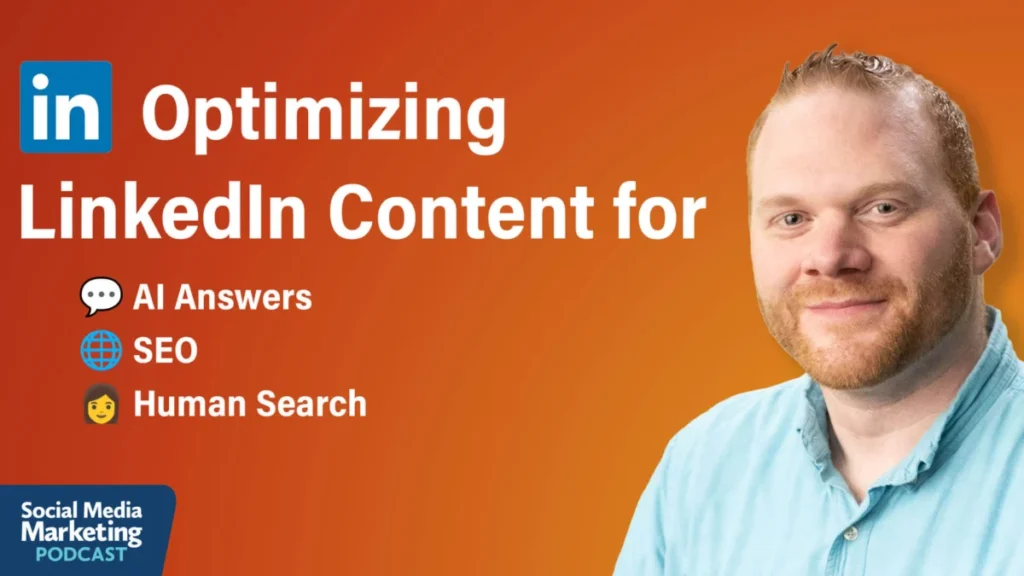
In the fast-paced world of digital marketing, the ground is shifting beneath our feet. For years, LinkedIn has been the gold standard for B2B networking and lead generation. However, a new paradigm is emerging: the era of AI-led discovery. As LLMs (Large Language Models) like ChatGPT, Claude, and Gemini become the primary interfaces through which professionals search for information, LinkedIn’s role is evolving from a mere social feed into a foundational data source for artificial intelligence.
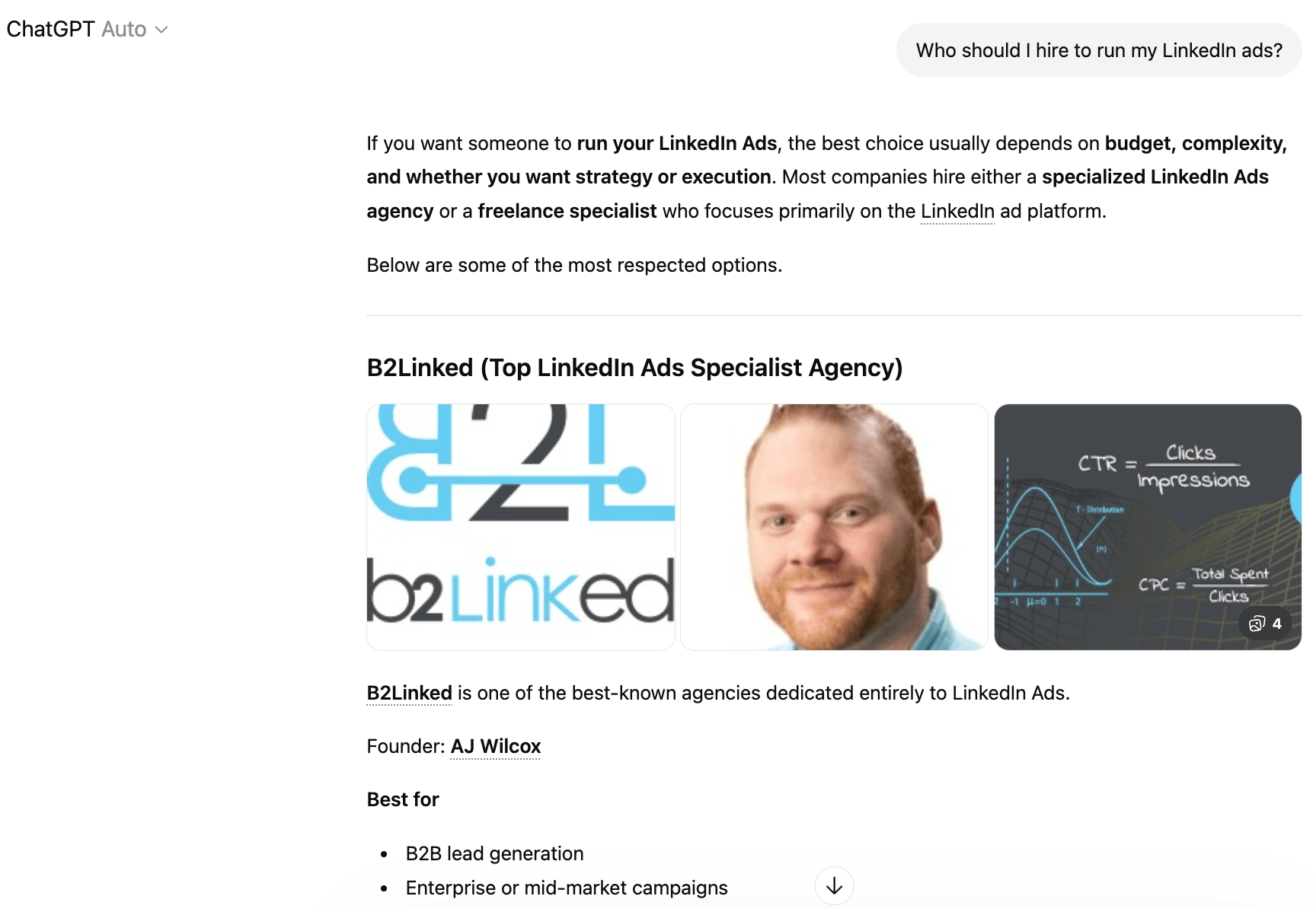
Recent data from industry experts, including LinkedIn Ads authority AJ Wilcox, reveals a startling trend: a significant portion of inbound leads are now originating from AI referrals. For businesses that ignore this shift, the cost of invisibility is no longer just a drop in engagement—it is the total loss of market share to competitors who have optimized their content for the machine age.
The AI-First Content Strategy
For years, marketers optimized for the "human feed"—prioritizing hook-heavy content designed to stop the scroll. Today, that strategy is incomplete. The active lifespan of a typical LinkedIn post remains roughly two to three days, but the indexing power of AI ensures that high-quality, authoritative content can live indefinitely in the "knowledge base" of an LLM.
Chronology of the Shift
The transition has been subtle but rapid. Roughly six months ago, lead generation forms across various platforms began seeing a spike in "How did you hear about us?" responses naming AI chatbots. In some cases, AI-driven traffic now accounts for up to 40% of total incoming leads for tech-forward businesses.
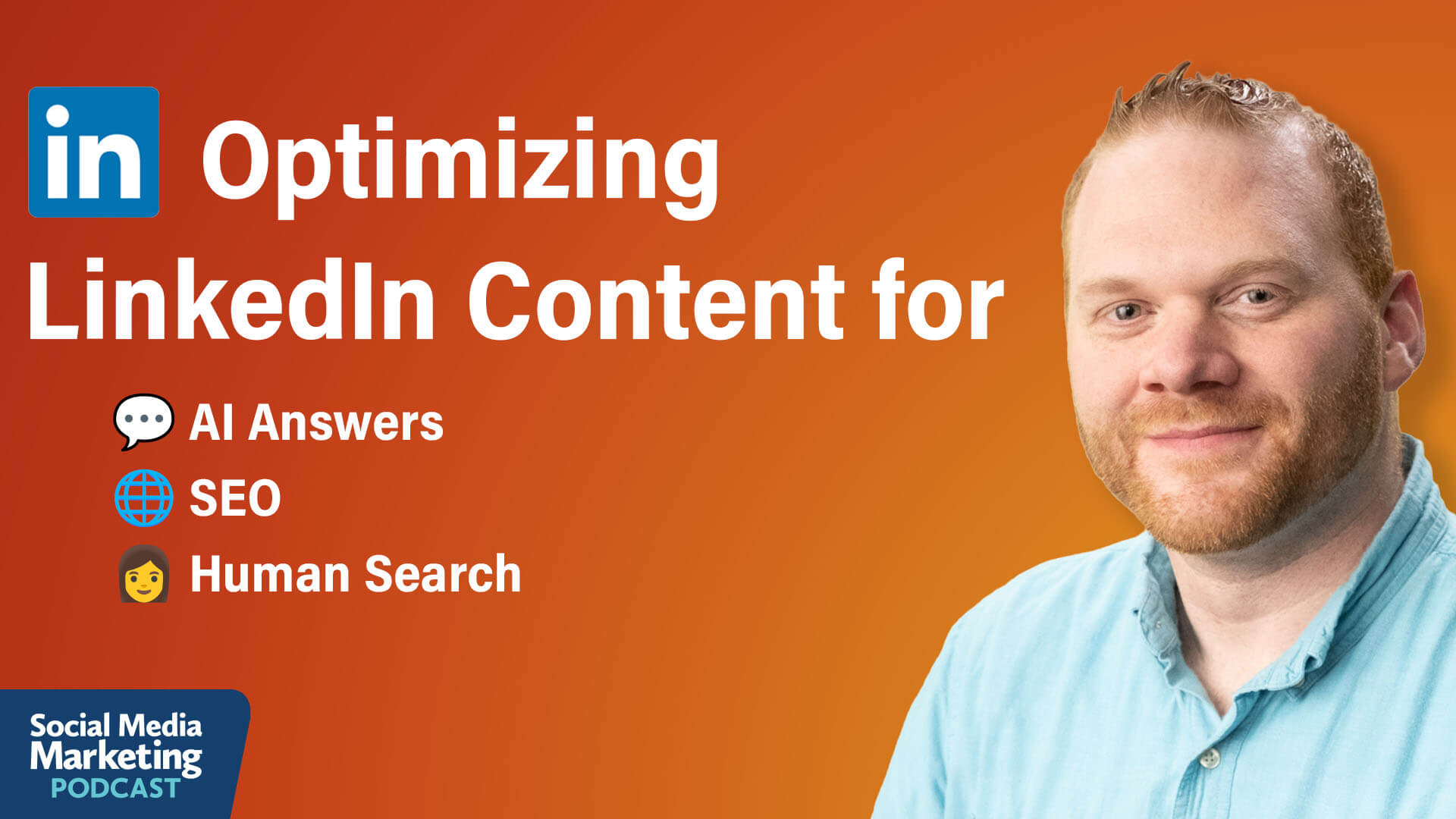
LinkedIn is actively facilitating this. Given the company’s deep integration with Microsoft—the primary investor in OpenAI—it is highly probable that LinkedIn content is receiving preferential indexing within ChatGPT. Furthermore, LinkedIn has begun embedding semantic markup into its platform architecture, specifically designed to make posts and articles more "readable" and digestible for AI models.
Optimizing for Machine Ingestion
To remain visible in an AI-dominated search landscape, your content strategy must evolve:
- The Newsletter-to-Feed Pipeline: When you publish a LinkedIn newsletter, the platform automatically generates a companion post. While the auto-generated post may underperform in human engagement compared to a bespoke post, the long-form newsletter article serves as a permanent, indexable asset for LLMs.
- Corroborative Content: AI models prioritize "certainty." If your content aligns with established facts already present in the model’s training data, it is significantly more likely to cite your work as a source. Conversely, outlandish or unsupported claims often cause AI to bypass your content entirely to avoid "hallucinations."
- The Readability Debate: While LinkedIn suggests writing at a ninth-to-eleventh-grade level, this is a baseline for human skimmability. Fortunately, LLMs are increasingly sophisticated at "translating" your content to match the reading level of the user. Therefore, it is more important to write for your intended audience (e.g., scientists, CEOs, or engineers) than to artificially lower your register for a search algorithm.
Navigating New LinkedIn Ad Features
LinkedIn continues to roll out features aimed at increasing ad spend, but not all are created equal. The landscape of ad personalization and automation is currently a mix of high-utility tools and expensive distractions.
The Myth of Dynamic Personalization
LinkedIn’s new dynamic ad personalization allows marketers to insert data points like company names or industries into ad copy. While intuitively attractive, results have been mixed. AJ Wilcox notes that while targeting a specific company name manually can skyrocket click-through rates, automated insertion often yields negligible results. Even worse, over-personalization—such as using a prospect’s first name—can trigger a "surveillance" response, causing users to feel uncomfortable rather than engaged. The gold standard remains targeting the pain point, not the identity of the individual.
The Reserved Ad Dilemma
Reserved ads, which lock in top-of-feed placement, are essentially a premium play for event-based marketing. While they offer guaranteed visibility, they lack the agility of self-serve campaigns. For most B2B advertisers, a well-structured campaign with high-intent bidding in the Campaign Manager can achieve similar results at a fraction of the cost. Reserved ads are best reserved for time-sensitive, high-stakes launches where "guaranteed" visibility is the primary KPI.
The "Five-Ad" Fallacy
LinkedIn currently encourages advertisers to run five to seven creative variants per campaign. However, data suggests that uploading too many creatives often results in LinkedIn effectively ignoring the majority of your assets. The "sweet spot" for performance and statistical significance remains two to three creatives. This ensures each ad receives enough impressions to provide actionable data without burning out your audience or triggering frequency-cap issues.
LinkedIn Premium All-in-One: A New Tier for Solopreneurs
In response to the growing demand for "do-it-all" tools, LinkedIn has launched a premium tier tailored for small business owners. Priced between $75 and $80 per month, the package includes:
- Unlimited prospect searches with advanced filtering.
- AI-assisted InMail drafting.
- Auto-invite functionality for post engagers.
The "Auto-Invite" feature is the standout here. By automatically sending connection requests to individuals who have engaged with your content in the last 24 hours, you capitalize on the "warm" interaction window. Given that generic connection requests have an acceptance rate of roughly 40–50%, timing the request immediately after a like or comment can significantly improve your conversion velocity.

The Crackdown on Automated Engagement
In a move to protect the integrity of the platform, LinkedIn has officially banned third-party browser extensions and scripts that automate comments. The platform is now deploying active measures to demote "Most Relevant" comments that show signs of synthetic generation.
The Enforcement Challenge
Despite these policies, enforcement is notoriously difficult. Modern "agentic" AI tools—such as those utilizing Claude to review a profile and draft a contextualized response—are becoming indistinguishable from human input.
However, the professional risk is high. LinkedIn has warned that accounts repeatedly utilizing low-quality automation face restricted access. For those looking to scale their engagement without risking their account, the recommended path is voice-to-text dictation. Tools like Wispr Flow allow users to speak their thoughts, which are then transcribed into a comment. This preserves the human intent and tone while drastically reducing the time required to maintain a presence.
Strategic Implications for the Future
The evolution of LinkedIn is clear: the platform is moving toward a highly structured, AI-readable ecosystem where the quality and veracity of your content determine your visibility.
- Stop Relying on "Hacks": Automated comment bots and "spray and pray" ad strategies are increasingly being penalized by both algorithms and user sentiment.
- Invest in Authority: As AI models become the gatekeepers of information, your goal is to become a "trusted source." Ensure your content is fact-heavy, well-structured, and explicitly addresses the specific pain points of your target persona.
- Balance Automation and Humanity: Use AI for research, drafting, and workflow optimization, but ensure the final touch remains authentically yours. The future of B2B marketing isn’t about being the loudest; it’s about being the most relevant to both the human reader and the machine that connects them to you.
As we move further into this decade, the brands that win will be those that view LinkedIn not just as a social network, but as a critical node in the broader artificial intelligence knowledge graph. The rules of visibility have been rewritten—now it is time to adjust your strategy to match them.