EPFO Digital Services Crisis: A Week of Uncertainty and the Impact on Millions of Subscribers
By Reema Sharma
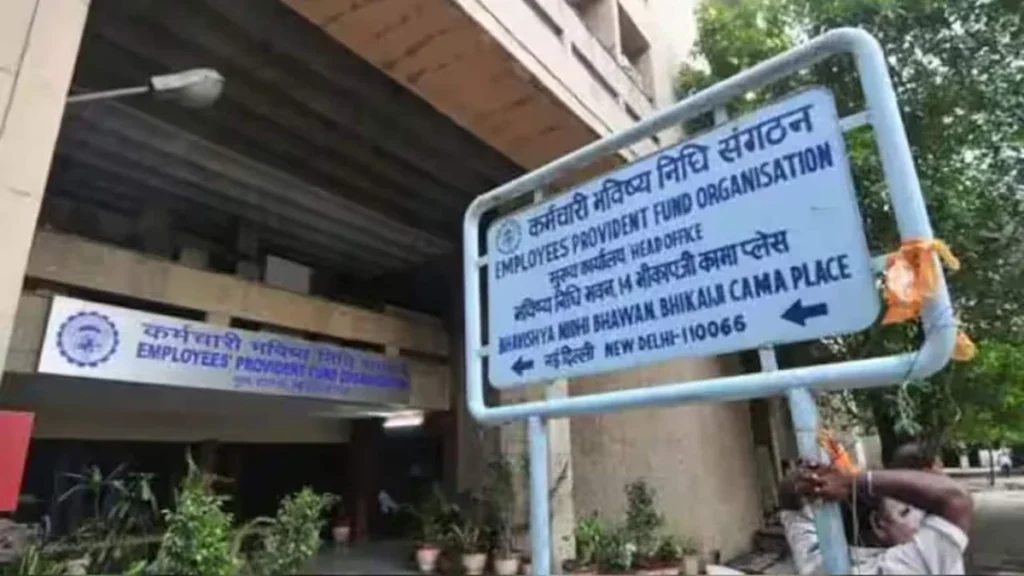
The Employees’ Provident Fund Organisation (EPFO), India’s premier social security body, is currently facing one of its most significant operational challenges in recent years. As of July 2, 2026, the organization’s online portal and digital services remain largely inaccessible, marking the seventh consecutive day of a widespread system outage. While the EPFO had previously promised that an "upgraded system" would usher in an era of faster, more reliable, and highly secure services, the reality on the ground for millions of subscribers has been one of frustration, stalled transactions, and mounting anxiety.
What was initially anticipated as a brief maintenance window has spiraled into a prolonged technical crisis, extending the service delay by at least one more day. For the millions of employees who rely on the EPFO portal for claims, balance inquiries, and KYC updates, the digital blackout has created a bottleneck that threatens to disrupt personal financial planning across the country.
The Chronology of the Outage: From Maintenance to Crisis
The current technical debacle began in late June 2026, when the EPFO announced a scheduled period of system maintenance aimed at upgrading its backend infrastructure. At the time, the organization maintained that the migration to a more robust platform was essential to accommodate the growing volume of digital traffic and to bolster security protocols against evolving cyber threats.
- June 26, 2026: The EPFO portal begins showing intermittent errors as the migration process commences. Users report inability to log in to their Unified Member Portal.
- June 28, 2026: As the expected completion time passes, frustration grows on social media platforms. Users begin sharing screenshots of "Service Unavailable" messages.
- June 30, 2026: The organization acknowledges technical difficulties but remains optimistic about a swift resolution. No specific ETA is provided, leading to widespread speculation.
- July 1, 2026: The outage enters its sixth day. Regional offices report being unable to process physical or digital claims, creating a massive backlog.
- July 2, 2026: Seven days into the outage, the portal remains largely unresponsive. The EPFO extends the projected delay, citing the complexity of the data migration involved in the system overhaul.
The Promise vs. The Reality: The "Upgraded System" Narrative
The EPFO’s messaging leading up to this outage was centered on modernization. The central leadership had consistently communicated that the existing infrastructure, which had been under immense pressure due to a surge in digital claims post-pandemic, required a fundamental overhaul.
The promise was simple: a seamless, high-speed, and impenetrable digital gateway for India’s workforce. The organization touted the integration of AI-driven claim settlement systems and improved biometric authentication. However, the current failure highlights a critical gap in the implementation phase of these large-scale IT projects.
Critics argue that the lack of a "parallel running" system—where the old portal remains functional until the new one is stress-tested—has left the workforce stranded. For the average subscriber, the promise of a "secure system" holds little value when the system itself is non-existent during a time of financial necessity.
Impact on Subscribers: Financial Distress and Operational Hurdles
The implications of this week-long blackout are far-reaching. The EPFO manages the retirement savings of over 60 million active subscribers. A seven-day freeze in operations does not merely mean a delay in checking balances; it translates into real-world financial friction:
1. Stalled Claim Settlements
Many subscribers rely on the EPFO portal for partial withdrawals to meet emergency medical expenses, education fees, or housing loan repayments. With the portal down, these time-sensitive financial requirements are effectively blocked.
2. KYC and Compliance Issues
Employers are currently unable to update employee details, submit ECRs (Electronic Challan-cum-Returns), or verify KYC documents. This creates a compliance nightmare, as companies may face penalties or administrative difficulties if their monthly contributions are not deposited or recorded within the prescribed timeframes.
3. Pensioner Anxiety
For retirees who depend on their monthly pension payouts, any delay in system processing triggers significant anxiety. While many pension disbursements are automated, technical failures often lead to reconciliation errors that can take weeks to rectify.
Technical Challenges and System Complexity
Industry experts suggest that the scale of the EPFO’s database is among the largest in the world. Migrating such a massive volume of historical data—spanning decades of service records, interest calculations, and member profiles—is an immensely complex task.
"Upgrading a legacy system while it is still technically ‘live’ for a country with the scale of India is like changing the engine of an airplane while it is mid-flight," says a senior IT consultant specializing in government infrastructure. The primary challenge, according to sources, lies in the synchronization of the new database with legacy data structures. Discrepancies in old records, often dating back to the pre-digital era, frequently cause "data mapping" errors during migration, which likely explains the prolonged downtime.
Official Responses and Communication Strategy
Throughout this ordeal, the EPFO’s communication strategy has been under fire. While the organization has issued sporadic updates through its official handles, subscribers have expressed dissatisfaction with the lack of transparency.
In a recent internal brief, senior officials noted that they are working around the clock to ensure data integrity. "We understand the inconvenience caused to our members," the statement read, emphasizing that the focus is on "ensuring that not a single rupee of member contribution is compromised during the transition."
However, observers note that a lack of a clear, time-bound recovery plan has fueled rumors and misinformation. The absence of a dedicated help desk or a temporary offline mechanism for urgent claims has exacerbated the public outcry.
The Broader Implications for India’s Digital Governance
This episode serves as a cautionary tale for the broader Digital India initiative. As the government moves more public services onto digital-only platforms, the fragility of the underlying infrastructure becomes a critical governance issue.
The EPFO outage highlights three major lessons for the future of digital public infrastructure:
- Robust Contingency Planning: Any major system upgrade must have a robust, tested, and ready-to-deploy rollback mechanism. If the new system fails, the transition back to the old one must be instantaneous.
- Transparent Communication: In the age of social media, silence is perceived as incompetence. Proactive, hourly updates regarding the nature of the technical fault and expected resolution times would have significantly mitigated public frustration.
- Stress Testing and Staging: Large-scale deployments must undergo rigorous "sandboxed" testing with a subset of data before a full-scale rollout, ensuring that edge cases—such as older accounts with missing KYC—do not crash the entire system.
The Path Forward: Restoring Trust
As of today, the wait continues. The EPFO is reportedly conducting extensive integrity checks on the data that has been migrated so far. While the delay is undeniably frustrating, the organization faces the unenviable task of balancing the need for speed with the absolute necessity of financial accuracy.
For the millions of Indians who view their EPF as their primary safety net, the return of the portal is only the first step. The next will be for the EPFO to demonstrate that the "upgraded" experience justifies the current chaos. Until the systems are fully operational and the backlog of claims is cleared, the organization will likely remain under intense scrutiny from both the public and policy analysts.
Ultimately, the goal of this upgrade was to make the life of the Indian worker easier. The current experience has proven to be the exact opposite. Whether this turns out to be a "teething problem" of a transformative project or a systemic failure will be determined in the coming days as the portal finally comes back online.
About the Author
Reema Sharma is a veteran business journalist with over two decades of experience in decoding complex financial landscapes. She has extensively covered personal finance, economic policy, and institutional governance. Throughout her career, she has bridged the gap between complex regulatory changes and the common citizen, providing actionable insights into budgeting, debt management, and investment security. Her work has appeared in various leading media organizations, where she has focused on the intersection of technology and public welfare.