Google Wallet Evolves: Integrating Real-Time Parcel Tracking via Gmail Synergy
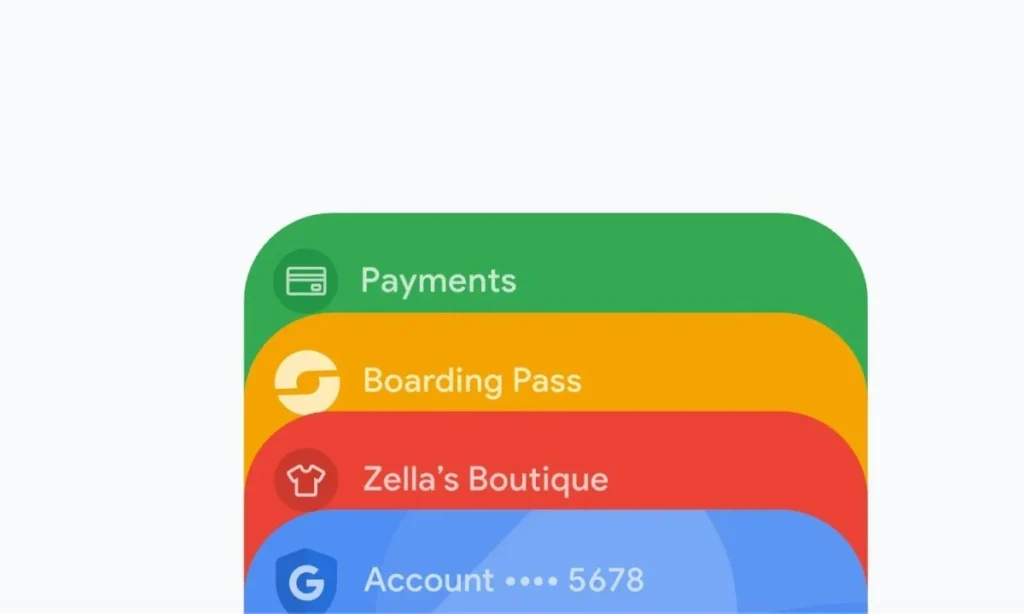
In a strategic move to consolidate its ecosystem, Google has introduced a new feature within the Google Wallet app that allows users to track their online purchases directly from their digital wallet interface. By leveraging the data already present in a user’s Gmail inbox, the company is bridging the gap between commerce, digital payments, and logistics. This integration marks a significant shift in how Google intends to position its Wallet app—transforming it from a simple repository for credit cards and boarding passes into a comprehensive hub for personal transaction management.
Main Facts: How the Integration Works
The core functionality of this update is built upon the automated analysis of a user’s digital footprint. When a user completes an online purchase, the confirmation email—which typically contains a tracking number and a digital receipt—is parsed by Google’s backend systems.
Once this data is identified, Google Wallet automatically surfaces the tracking information directly on the app’s home screen. Users no longer need to navigate to third-party carrier websites or search through cluttered inbox folders to find the status of an incoming delivery. The interface provides a streamlined view, placing the most time-sensitive packages alongside the user’s primary payment methods.
Key features of this integration include:
- Automatic Synchronization: The system pulls tracking numbers from Gmail without requiring manual entry or user intervention.
- Contextual UI: Packages with imminent delivery dates are prioritized on the Google Wallet dashboard.
- Detailed Insights: Users can tap into individual entries to view granular tracking data provided by the shipping carrier.
- Non-Destructive Management: Dismissing a package from the Wallet view does not delete or alter the original confirmation email in Gmail, ensuring that record-keeping remains intact.
Chronology: The Evolution of Google’s Tracking Aspirations
While this feature feels like a modern convenience, it is rooted in a long-standing initiative by Google to provide predictive utility to its users. The company’s history with package tracking is a testament to its ongoing efforts to refine the "assistant" model.
The Google Now Era (2012–2016)
Many veteran users will recall "Google Now," the predictive service that sat at the heart of the Android experience. Google Now was revolutionary for its time, using "cards" to show weather, traffic, and—crucially—package deliveries. It was the first time Google successfully aggregated shopping data to provide a "glanceable" update on incoming goods.
The Transition to Google Discover
As Google pivoted away from the proactive cards of Google Now toward the feed-based model of Google Discover, some of these deep-utility integrations were sidelined or relegated to the background. While Gmail maintained "smart features" that highlighted tracking numbers in bold text, the dedicated, persistent UI for tracking vanished from the main Android dashboard.
The Modern Wallet Integration (2024–Present)
The current iteration represents a "return to form" with a modern twist. By embedding this into Google Wallet rather than a standalone feed, Google is shifting the focus toward transactional intelligence. This change reflects the broader evolution of Google Wallet from a mere payment tool into a central vault for digital assets, including event tickets, loyalty cards, and now, active commerce monitoring.
Supporting Data and Technical Requirements
Implementing this feature is not a universal "switch-on" for all users globally. Due to the complexities of international logistics and data privacy regulations, Google has introduced several constraints for the initial rollout.
Geographical and Technical Limitations
- US-Exclusive Rollout: At present, the feature is limited to users within the United States. This is likely due to the need to refine integrations with domestic carriers like USPS, UPS, and FedEx before scaling internationally.
- Retailer Compatibility: While Google claims to support most major retailers, the efficacy of the tracking depends on the formatting of the transactional emails. Smaller merchants or those using niche e-commerce platforms that do not use standard schema.org markup for tracking links may not trigger the automatic integration.
- Privacy Settings: The system relies on "Google Workspace smart features." Users must ensure that these settings are toggled to "On" within their Gmail account settings. This is a critical hurdle, as many privacy-conscious users may have previously disabled these features to prevent Google from scanning their personal correspondence.
Official Responses and Strategic Implications
Google’s decision to integrate tracking into Wallet highlights a broader corporate strategy: the "Super App" ambition. In a market where users are increasingly fatigued by app sprawl, Google is betting that if they can provide a centralized dashboard for financial and logistics management, they can increase user retention within the Android ecosystem.
Privacy Concerns vs. User Convenience
Google has maintained that its scanning process is automated and designed to enhance user experience without compromising privacy. By keeping the tracking data separate from the payment data, the company attempts to mitigate concerns regarding the merging of financial history with purchase behavior. However, privacy advocates remain wary of the increased data harvesting required to fuel these "smart" features. The company’s response has consistently been that the data is used strictly for the provision of the service and is not shared with third-party advertisers for the purpose of targeted marketing.
The Competitive Landscape
The move places Google in direct competition with dedicated third-party delivery apps like Shop (by Shopify) and various carrier-specific applications. By embedding this functionality natively, Google is effectively rendering many of these third-party utilities redundant for the average consumer. This is a classic "Sherlock" move—a term originating from Apple’s history of integrating third-party features into the OS, effectively killing the market for the original developers.
The Future of Digital Commerce
The integration of package tracking into Google Wallet is more than just a minor UI update; it is a signal of the future of the digital wallet. We are moving toward an era where the wallet is not just for spending money, but for managing the lifecycle of every transaction.
What’s Next?
Industry analysts predict that Google will soon expand this functionality to include:
- Returns Management: Integrating digital return labels directly into the Wallet app, allowing users to initiate a return with a single tap.
- Loyalty Integration: Automatically applying loyalty points or rewards at the point of purchase, further cementing the Wallet as a necessary tool for everyday shopping.
- Real-Time Logistics Alerts: Moving beyond simple status updates to real-time, map-based tracking of delivery vehicles, potentially utilizing Google Maps API integrations.
Implications for Small Businesses
For small and medium-sized enterprises (SMEs), this update provides a double-edged sword. On one hand, if a business uses standardized email formats, their customers will enjoy a seamless experience, potentially leading to higher customer satisfaction and fewer "where is my order?" support tickets. On the other hand, if a business relies on non-standard email systems, they may find themselves at a disadvantage, as their orders won’t appear in the user’s "Wallet" view, potentially making them feel like a "lesser" shopping experience compared to larger, integrated retailers.
Conclusion
Google’s move to bring package tracking into the Wallet app is a logical, if long-overdue, evolution. It transforms a passive app into an active assistant. For the average consumer, the benefit is undeniable: less clutter, better organization, and a more cohesive shopping experience.
However, the success of this initiative will depend on Google’s ability to maintain high levels of accuracy across a vast array of global retailers and their varied email structures. Furthermore, as Google continues to consolidate these "smart" features, it must balance the convenience of automation with the ever-present demand for user privacy.
As we look toward the future, it is clear that the battle for the consumer’s digital home screen is intensifying. By successfully weaving together Gmail, Google Maps, and Google Wallet, the company is creating a "walled garden" of services that is increasingly difficult for the average user to leave. For now, the integration of parcel tracking is a nifty, highly useful tool—but it is also a reminder that for Google, the transaction is just the beginning of the data journey.