Inflationary Pressures Mount: CPI Hits 3.9% in May 2026, Defying Lower Projections
NEW DELHI – Consumer price inflation in India accelerated to 3.9 percent in May 2026, marking a notable uptick from the 3.5 percent recorded in April. While the figure remains within the broader comfort zone of monetary policy frameworks, it has nonetheless surprised market analysts, coming in lower than the 4.1 percent estimate previously forecasted by BoB Research. This divergence between expected volatility and realized data has sparked fresh debate regarding the trajectory of the economy as it navigates the mid-year fiscal cycle.
The Economic Snapshot: May 2026 CPI Overview
The release of the Consumer Price Index (CPI) data for May provides a critical window into the current state of domestic purchasing power. The rise from 3.5 percent to 3.9 percent represents a cooling of the disinflationary trend that had been observed in the early months of the year.
Economists point to a "normalization" of price levels following a period of relative stability in early spring. While the 3.9 percent reading is objectively higher than the previous month, the fact that it undershot BoB Research’s 4.1 percent projection offers a glimmer of relief to policymakers who were bracing for a sharper inflationary spike. This data suggests that while price pressures are mounting, they are not yet accelerating at a pace that necessitates emergency intervention.
Chronology of Recent Economic Indicators
To understand the context of the May 2026 data, one must look back at the economic indicators that have shaped the first half of the year:
- January – March 2026: The economy witnessed a period of moderate inflation, buoyed by favorable winter harvests and relatively stable global commodity prices.
- April 2026: CPI touched a low of 3.5 percent, leading to optimism that the central bank might have successfully tamed the primary drivers of cost-push inflation.
- Early May 2026: Market analysts began factoring in risks associated with the impending monsoon season and the return of El Niño weather patterns, leading to revised forecasts—including the 4.1 percent estimate from BoB Research—that anticipated a sharper climb in food prices.
- June 14, 2026: Official data confirmed the 3.9 percent reading, highlighting a disconnect between climate-related fears and actual market price transmission.
Supporting Data: Dissecting the Drivers of Inflation
The composition of the May inflation basket reveals a complex interplay of sectoral forces. While headline inflation has climbed, the underlying components tell a story of resilience and vulnerability.
1. The Food Basket Conundrum
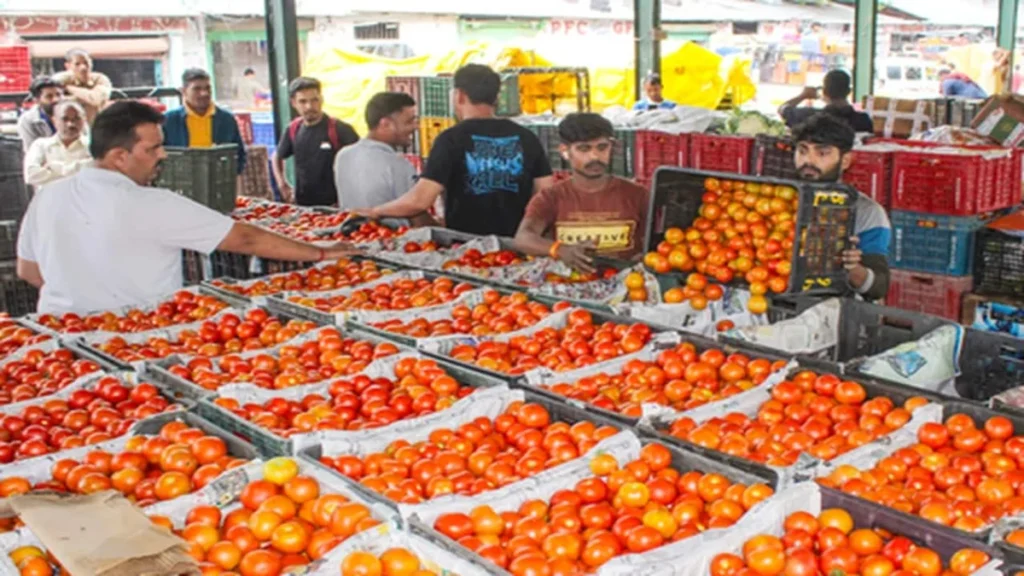
Food remains the most volatile component of the CPI. The anticipation of El Niño-induced supply chain disruptions has already begun to influence futures markets. While the May data did not show a catastrophic surge, analysts note that the "food inflation" sub-index is the primary driver of the shift from 3.5 percent to 3.9 percent. Prices for staples such as pulses, cereals, and vegetables have shown signs of hardening as logistics costs remain elevated.
2. Core Inflation Dynamics
Core inflation—which excludes the volatile food and fuel categories—has remained relatively sticky. The persistence of core inflation suggests that consumer demand remains robust. As disposable income levels track upward in line with recent industrial growth, the demand for services and non-essential goods continues to keep the price floor elevated.
3. The BoB Research Gap
The discrepancy between the 3.9 percent actual figure and the 4.1 percent estimate warrants a deeper look at modeling methodologies. BoB Research likely over-weighted the immediate impact of climate uncertainty on food supply chains. The fact that actual prices remained 0.2 percentage points lower suggests that inventory management, strategic reserves, and efficient distribution networks have acted as a buffer against the early onset of seasonal weather shocks.
Official Responses and Market Reactions
As the news broke, market participants reacted with a mix of cautious optimism and strategic hedging. The bond market, which had been pricing in a more aggressive inflationary environment, saw a brief period of volatility before stabilizing.
Government officials have maintained a posture of "vigilant monitoring." While no specific policy overhaul has been announced in the immediate wake of the report, the Ministry of Finance is expected to hold a series of briefings to address the potential impact of El Niño on the rural economy.
"The deviation from our internal projections is a sign that the supply-side interventions are working better than anticipated," noted a lead researcher in a post-report commentary. However, they warned that the summer months remain critical. "We are not out of the woods. The 3.9 percent figure is a baseline, not a peak. We expect the impact of heatwaves to reflect more clearly in the June and July data sets."
Implications for the Fiscal Year 2027
Looking ahead, the projections for the remainder of the fiscal year have been recalibrated. Current estimates suggest that inflation will settle in the 5.2 to 5.5 percent range for FY27. This shift indicates an upward drift in the inflationary baseline, largely attributed to structural concerns.
The El Niño Factor
The looming threat of El Niño is the single largest variable for the rest of 2026. If the weather patterns result in a poor monsoon, the impact on agricultural output will be inevitable. This would place upward pressure on food prices, potentially pushing inflation toward the upper limit of the central bank’s tolerance band.
Monetary Policy Considerations
The central bank’s Monetary Policy Committee (MPC) faces a delicate balancing act. With inflation rising but still within the target range, the impetus for a rate hike is currently low. However, if the 5.2–5.5 percent projection for FY27 materializes, the MPC may be forced to maintain a "higher for longer" interest rate environment to ensure that inflation expectations remain anchored.
Impact on Consumer Spending
For the average consumer, the current inflationary trend suggests a tightening of discretionary spending. While wage growth has been steady, it is currently struggling to outpace the rate of inflation in essential categories. This "bracket creep" of costs may dampen the festive demand expected later in the year, forcing retailers to adjust their pricing strategies to maintain volume.
Strategic Recommendations for Investors
Financial analysts are advising a defensive portfolio tilt. Given the uncertainty surrounding food prices and the potential for erratic weather, sectors with pricing power—such as fast-moving consumer goods (FMCG) and healthcare—are being viewed as safer havens compared to interest-rate-sensitive sectors like real estate and automotive manufacturing.
Conclusion: A Delicate Path Forward
The May 2026 CPI reading of 3.9 percent serves as a vital reminder that the global and domestic economic recovery remains fragile. While the undershooting of BoB Research’s estimates provides a momentary reprieve, the broader trend line is undeniably upward.
The interplay between seasonal weather patterns, global commodity shifts, and domestic consumption will determine whether the economy maintains its current momentum or enters a period of stagnant growth coupled with higher prices. As the nation moves into the second quarter of the fiscal year, all eyes will be on the monsoon progression and the government’s ability to manage supply-side constraints.
For now, the economy remains in a state of watchful waiting. The 3.9 percent figure is a manageable reality, but it is also a harbinger of the challenges that lie ahead in the coming months. Policymakers, businesses, and consumers alike must prepare for a period where flexibility and foresight will be the primary determinants of economic stability.