Maruti Suzuki Announces Price Hikes: Impact of Rising Operational Costs and Market Headwinds
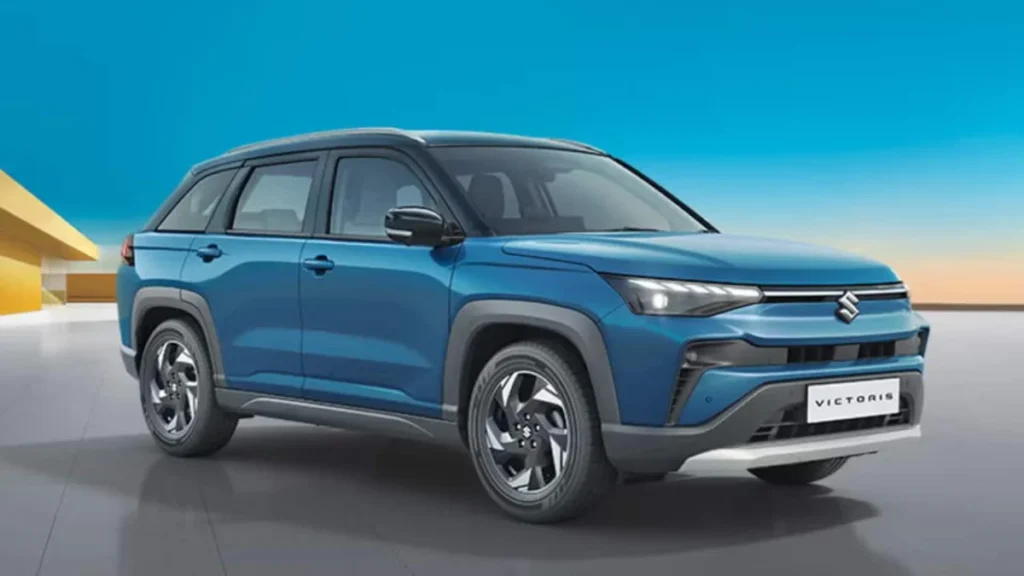
New Delhi, July 21, 2026 — Maruti Suzuki India Limited (MSIL), the country’s largest automobile manufacturer, has officially announced that it will implement a price hike across its entire product portfolio effective August 2026. The increase, which will see vehicle prices climb by up to ₹30,000, marks a significant shift for the Indian automotive market, reflecting the mounting pressure of global supply chain volatility, rising raw material costs, and shifting macroeconomic variables.
The company stated that for several months, it has been working diligently to absorb these inflationary pressures through internal cost-reduction programs and operational efficiencies. However, the cumulative impact of these economic factors has reached a threshold where the company can no longer sustain current margins without a strategic pricing adjustment.
The Core Facts: What You Need to Know
The price hike is expected to affect nearly every model in the Maruti Suzuki stable, ranging from the entry-level Alto and S-Presso to the premium offerings like the Grand Vitara and the Invicto. While the maximum hike is capped at ₹30,000, the final quantum of the increase will vary significantly depending on the model and the specific variant chosen by the customer.
- Effective Date: August 1, 2026.
- Magnitude: Up to ₹30,000 per unit.
- Scope: Pan-India, covering all segments including hatchbacks, sedans, SUVs, and MPVs.
- Rationale: The company cited "increasing cost pressure driven by overall inflation and regulatory requirements" as the primary drivers.
Industry analysts suggest that this move is a proactive measure to protect the company’s operating margins, which have been under strain due to the high cost of precious metals used in catalytic converters and the rising prices of steel and aluminum.
Chronology of Market Pressures (2025–2026)
To understand why this decision was taken, it is essential to look at the timeline of events that led to this announcement:
Q3–Q4 2025: The Initial Squeeze
Throughout the latter half of 2025, the automotive industry saw a spike in logistics costs and a shortage of semiconductor chips, which, while stabilizing, remained priced at a premium compared to pre-pandemic levels. Maruti Suzuki, known for its "value-for-money" positioning, initially attempted to shield its customer base by optimizing its manufacturing processes rather than passing on the costs.
Q1 2026: The Global Commodity Surge
In the first quarter of 2026, global markets saw a sharp increase in the price of key raw materials. The cost of lithium, essential for the company’s growing hybrid and EV portfolio, coupled with the volatility of the Indian Rupee against the US Dollar, began to erode the company’s bottom line.
Q2 2026: Regulatory Compliance Costs
The transition to newer, more stringent emission standards and the integration of advanced safety features mandated by the government required substantial R&D expenditure. These regulatory compliance costs, combined with inflationary pressures, made the August 2026 price revision inevitable.
Supporting Data and Economic Context
Maruti Suzuki’s financial health is often seen as a bellwether for the Indian middle-class economy. As of the most recent financial disclosures, the company has seen its input costs rise by approximately 6–8% year-on-year.
Understanding Input Cost Drivers
- Commodity Inflation: Steel, aluminum, and palladium prices have remained high due to geopolitical tensions affecting trade routes.
- Logistics and Freight: Despite the modernization of India’s road infrastructure, the cost of inland logistics continues to climb due to fluctuations in fuel prices.
- Advanced Technology Integration: As Maruti Suzuki pivots toward cleaner energy, the cost of hybrid technology and high-end sensors for Advanced Driver Assistance Systems (ADAS) has increased the production cost of its premium models.
Market Share Dynamics
Despite the hike, Maruti Suzuki retains a dominant market share of over 40% in the passenger vehicle segment. However, the company faces stiff competition from Hyundai, Tata Motors, and Mahindra, all of whom have been adjusting their own pricing strategies to navigate similar market headwinds. This suggests that the price hike is not an isolated incident but rather a trend defining the Indian automotive landscape in 2026.
Official Responses and Strategic Outlook
In a formal communication, the company leadership emphasized that the decision was not taken lightly. "We have been absorbing the impact of rising costs for several months," a company spokesperson noted. "However, given the persistent pressure, we are compelled to pass on a portion of the increased costs to the customers to ensure the financial viability of our operations while maintaining the quality and safety standards our brand is known for."
The "Cost-Absorption" Strategy
For years, Maruti Suzuki has relied on its massive economies of scale to keep prices competitive. By streamlining its supply chain and localizing component production, the company has historically managed to keep price hikes at a minimum. The fact that they are now raising prices suggests that the "cushion" provided by these efficiencies has been fully utilized.
Future-Proofing
The management has indicated that they are heavily investing in "Next-Gen Manufacturing," which involves greater automation and the use of sustainable materials. While these investments are capital-intensive in the short term, they are expected to yield long-term savings that may help stabilize vehicle prices in the coming fiscal years.
Implications: What Does This Mean for the Consumer?
The announcement has triggered a wave of reactions from industry experts and potential car buyers.
Impact on Consumer Behavior
- Advance Bookings: The period between the announcement and the August 1 deadline is expected to see a "rush to book" phenomenon, as customers look to secure current prices before the hike takes effect.
- Shift in Financing: With vehicle prices rising, consumers are increasingly opting for longer-term financing options and higher down payments to keep monthly EMIs (Equated Monthly Installments) manageable.
- Value-Conscious Shopping: There may be a slight shift in demand toward entry-level variants as buyers look to mitigate the impact of the price hike.
Broader Economic Implications
The automotive sector is a major employer and a significant contributor to India’s GDP. An increase in car prices, if replicated across the industry, could lead to a cooling of demand in the passenger vehicle segment. Analysts are watching closely to see if this trend leads to a decline in overall auto sales for the second half of 2026.
The Used Car Market
Interestingly, the price hike in new cars often triggers an uptick in the pre-owned vehicle market. As new cars become more expensive, many middle-class families may find the used car market a more attractive proposition, potentially driving up the resale value of existing Maruti Suzuki models.
Conclusion: A Balancing Act
The decision by Maruti Suzuki to raise prices by up to ₹30,000 is a reflection of the complex economic environment in which modern corporations operate. It is a balancing act between maintaining shareholder value and ensuring that the brand remains accessible to the Indian consumer.
While the price increase is a setback for those planning to purchase a vehicle in the near future, it is an essential step for the company to sustain its long-term growth and continue its transition toward more advanced, efficient, and environmentally friendly transportation solutions.
As we move into August 2026, all eyes will be on the sales figures to determine how price-sensitive the Indian car-buying public has become. For now, the message from India’s largest automaker is clear: the era of "low-cost" manufacturing is being redefined by the realities of global inflation and the imperative of technological advancement.
About Maruti Suzuki India: Maruti Suzuki India Limited is the premier automotive manufacturer in India, recognized for its extensive dealer network, robust service infrastructure, and a diverse range of vehicles that cater to the evolving needs of the Indian population. Headquartered in New Delhi, the company continues to lead the industry in innovation, customer satisfaction, and sustainable mobility solutions.