Masterclass in Automated Branding: How Creators Are Leveraging Claude Design to Streamline Visuals and Workflows
By the AI Explored Editorial Team
In the rapidly evolving landscape of artificial intelligence, creative professionals and solopreneurs have grown accustomed to the lightning-fast generation of standalone assets. Whether prompting a landscape in Midjourney or asking ChatGPT to draft a marketing email, generative AI has democratized the creation of raw materials. However, a glaring bottleneck has persisted: composition.
While generating a striking image is effortless, arranging that image alongside typography, precise color palettes, white space, and cohesive branding across diverse digital channels requires deliberate design skill. For small businesses, agencies, and independent creators without dedicated front-end design teams, this has long been a major friction point.
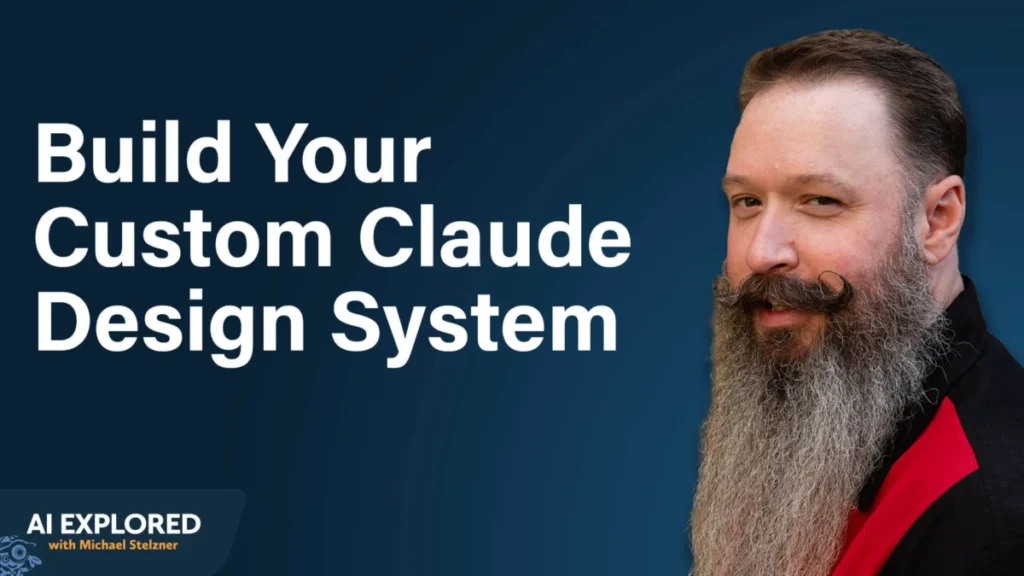
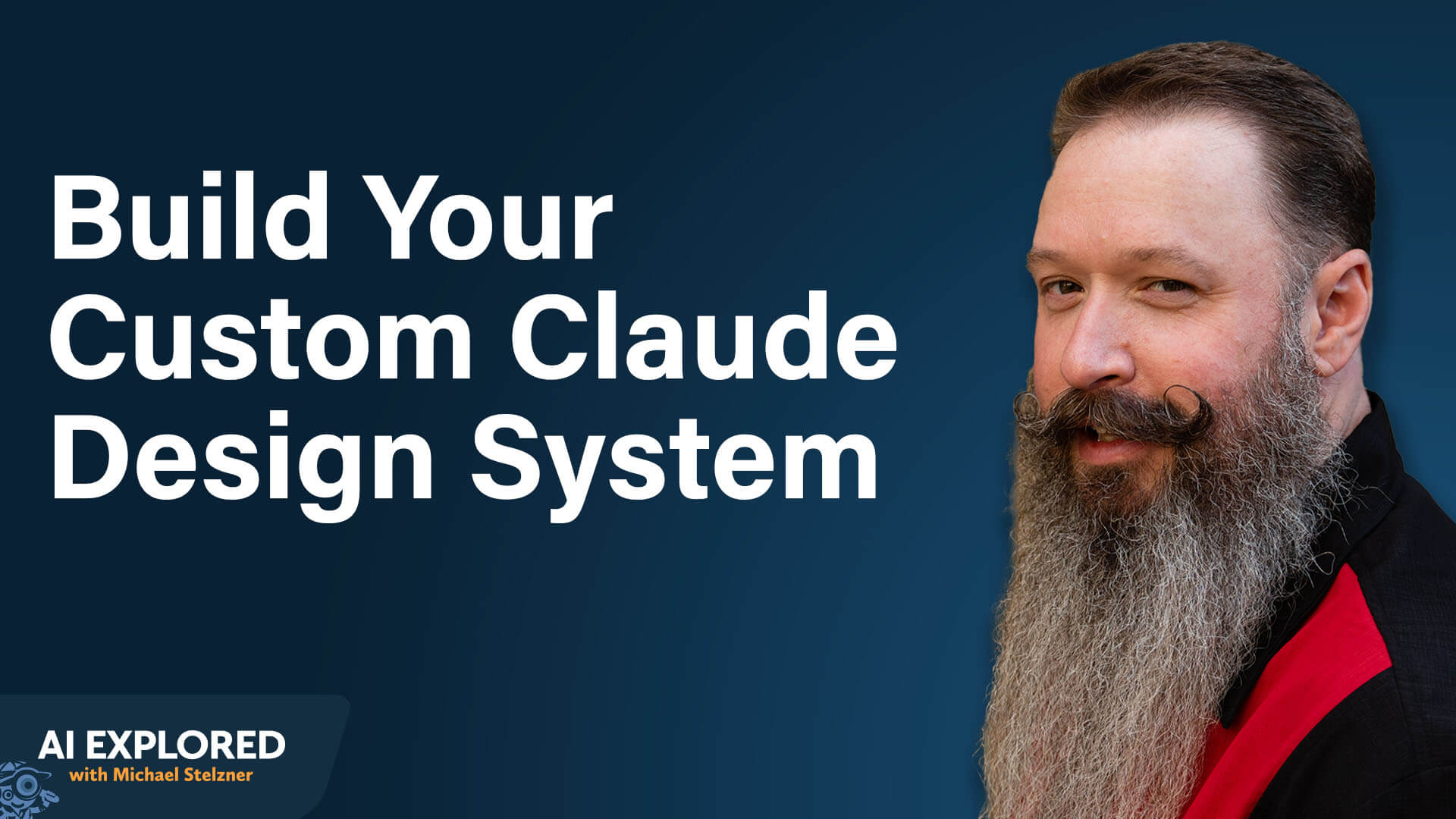
Enter Claude Design—a layout and front-end design platform developed by Anthropic. Unlike traditional generative AI image tools, Claude Design functions more like a digital art director and layout engine. Recently spotlighted on the AI Explored podcast by digital marketing experts Jeff Sieh and Michael Stelzner, this emerging tool is changing how creators build design systems, generate on-brand collateral, and fully automate complex content pipelines.
Main Facts: What Is Claude Design?
Claude Design marks a significant shift from prompt-and-pray image generation to structured, systemic brand management.
- The Core Function: Built by Anthropic and accessible via
claude.ai(found via the design button in the bottom-left corner or through the desktop app), Claude Design does not generate images from scratch. Instead, it acts as a front-end layout engine focused on typography, color harmonies, spacing, and visual architecture. - Pricing & Access: Initially operating with separate usage meters and frequent time-outs during its early labs phase, Claude Design is now integrated directly into general Claude credit allotments.
- The Design System Foundation: At its core, the tool relies on a comprehensive "design system"—stored as a portable Markdown file (
design.md)—which dictates fonts, hex codes, logos, spacing rules, and animation parameters. - Cross-Platform Portability: Because the platform translates design logic into standard code, systems can be exported and integrated into external developer workflows, presentation software like Gamma, or coding assistants like Claude Code and Claude Cowork.
Chronology: From Isolated Prompts to Systemic Automation
The trajectory of AI-assisted design has moved through distinct phases over the past several years, culminating in today’s systemic workflows:
- The Generative Boom: Creators utilized prompt-based tools (Midjourney, DALL-E) to produce isolated, often inconsistent imagery that required manual assembly in software like Photoshop or Canva.
- The Brand Kit Era: Platforms introduced static brand kits to store logos and standard fonts, though maintaining consistency across dynamic media formats (slides, social media carousels, and landing pages) remained labor-intensive.
- The Arrival of Claude Design: Anthropic introduced its layout-focused tool within its lab environment, addressing the gap between raw asset generation and professional visual composition.
- Integration and Automation (Present Day): Creators like Jeff Sieh began merging Claude Design with programmatic pipelines (utilizing Claude Code, Python scripts, and tools like ChatCut), moving from manual design tweaks to fully automated, end-to-end content production.
Supporting Data & Practical Applications
For creators handling everything from podcast production to digital marketing, Claude Design has transformed operational efficiency, slashing hours of repetitive formatting into streamlined pipelines.
1. Constructing a Bulletproof Design System
Building a design system in Claude Design takes roughly 10 minutes. Creators begin by dragging reference materials—logos, Pinterest color swatches, website screenshots, or podcast artwork—directly into the interface.
Rather than relying strictly on automated click-through answers, power users recommend leveraging voice-to-text tools like Wispr Flow to dictate nuanced aesthetic preferences. For instance, defining an aesthetic as "1950s and ’60s retro-futurism" allows Claude Design to identify historical frameworks—such as Googie architecture—and consistently apply those stylistic rules across all future layouts. Furthermore, providing a website URL during setup enables the platform to scrape both visual styling and written brand voice simultaneously.
2. Multi-Platform Asset Generation
Claude Design serves multiple operational functions across various digital formats:
- Websites and Landing Pages: Produces functional HTML web mockups that can be deployed directly or handed off to developers.
- Vector Animations: Generates After Effects-style motion graphics rendered in code rather than heavy video files, keeping storage footprints minimal while allowing smooth website embedding.
- Dual-Prompt Image Bridging: Because Claude Design handles composition rather than pixel generation, it outputs precise image-generation prompts complete with exact hex codes. Creators can copy these prompts into ChatGPT or Midjourney, ensuring the resulting images align perfectly with the brand’s color palette before dragging them back into the layout.
3. Automated Content Workflows
The true leverage of Claude Design emerges when it is chained to automated production pipelines. For example, Jeff Sieh’s automated podcast workflow transforms a completed podcast episode into a polished digital package within minutes:
- An automated script reads the episode transcript and pulls core takeaways.
- The design system formats a downloadable "cheat sheet" PDF and generates matching thumbnails.
- A multi-step carousel automation script (built in Claude Code) converts transcripts into structured social media posts (hook, build, payoff, CTA).
- Python scripts analyze generated images to determine optimal text placement, delivering completed PDF carousels for LinkedIn and individual graphics for Instagram directly to Slack for final team review.
Official Responses and Industry Reception
Industry response to layout-centric AI tooling has been overwhelmingly positive, particularly among solopreneurs and small marketing teams who previously faced a steep learning curve with professional design software.

UX researchers and early adopters emphasize that Claude Design solves the "blank page syndrome" inherent in visual layouts. By emphasizing composition over generation, the tool bridges the gap between raw artificial intelligence output and human-readable brand polish.
Furthermore, development teams have praised the platform’s ability to create accurate software mockups (such as UI wireframes for applications like NoteGo) prior to writing code, significantly reducing the engineering time wasted on mid-development design revisions.
Implications for Creators and Marketers
The maturation of tools like Claude Design signals a fundamental shift in how digital content is produced, packaged, and scaled.
- Democratization of Art Direction: Small-business owners and independent creators can now output collateral that rivals agencies with large design teams, lowering the financial barriers to high-end branding.
- Portability and Future-Proofing: Because design systems are anchored in portable Markdown files (
design.md), creators are no longer locked into a single proprietary ecosystem. Brand logic can migrate fluidly as the AI landscape continues to evolve. - The Rise of the Orchestrator: As automation pipelines connect transcripts, design systems, image generators, and publishing platforms, the human role shifts from manual execution to strategic orchestration. Creators no longer spend hours adjusting margins or matching hex codes; they manage systems that execute brand-compliant workflows autonomously.
For professionals looking to stay ahead of the curve, mastering systemic AI layout tools is no longer an experimental luxury—it is becoming the baseline standard for efficient digital publishing.