Motorola Edge 70 Max Inches Closer to Global Debut with Qi2 Wireless Charging Certification
Motorola’s aggressive expansion of its premium smartphone portfolio continues to gain momentum. As the tech industry pivots toward more standardized and efficient power delivery systems, the company’s upcoming flagship-tier device, the Motorola Edge 70 Max, has officially cleared a critical regulatory hurdle. The device has recently been certified by the Wireless Power Consortium (WPC), confirming that Motorola is fully embracing the next generation of magnetic charging technology.
This development marks a significant shift in Motorola’s design philosophy, signaling that the Edge 70 Max will be one of the first in its class to lean heavily into the convenience and ecosystem benefits of the Qi2 standard.
Main Facts: The WPC Certification and Technical Specifications
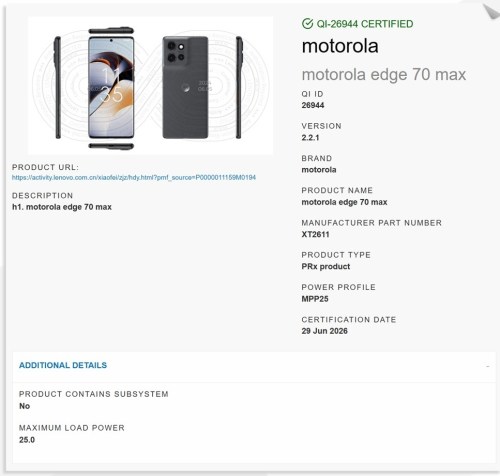
The recent listing on the Wireless Power Consortium (WPC) database provides the most concrete evidence to date regarding the hardware capabilities of the Motorola Edge 70 Max. Identified by the model number XT2611, the device is officially documented under Qi ID 26944.
Key Technical Takeaways:
- Qi2 Standard Adoption: The device is certified for the Qi2 wireless charging standard, specifically adhering to version 2.2.1. This is a crucial detail for power users, as Qi2 is designed to improve energy efficiency and align chargers more reliably using magnetic induction.
- MPP25 Power Profile: The listing explicitly mentions the MPP25 (Magnetic Power Profile) profile. This confirms that the Edge 70 Max will support wireless charging at speeds of up to 25W.
- Integrated Magnetic Array: The inclusion of the MPP25 profile serves as definitive proof that the smartphone features an integrated magnetic ring. This allows the device to snap securely onto magnetic chargers, power banks, and mounting accessories, mimicking the "MagSafe" convenience popularized by Apple but bringing it to the Android ecosystem.
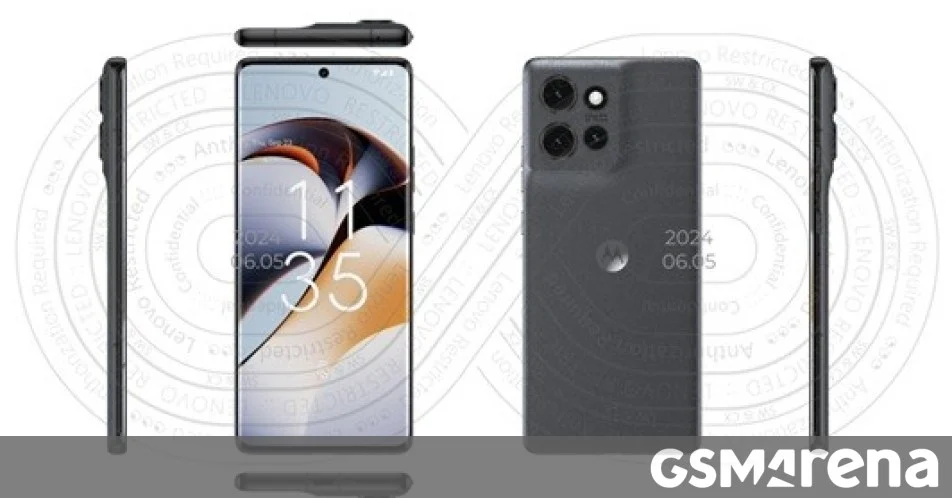
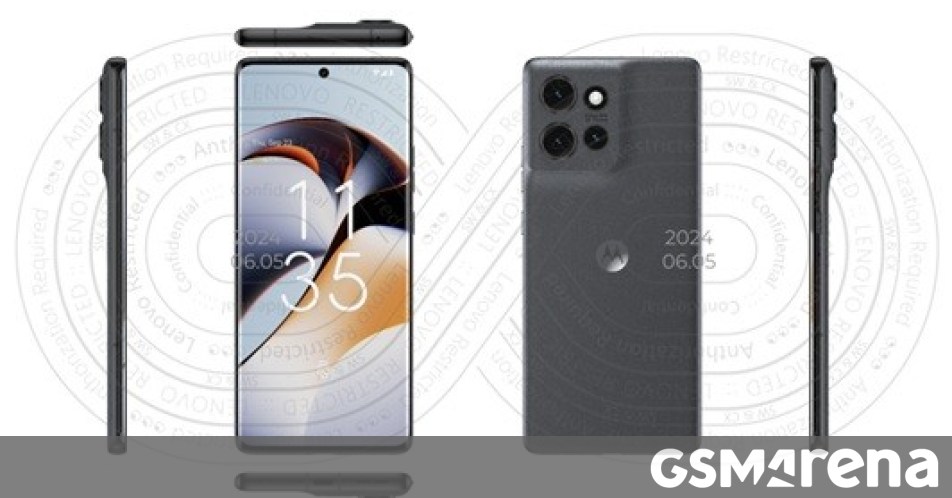
While the WPC database is primarily concerned with power standards, the supporting documentation and the accompanying product imagery provide a clear look at the device’s chassis, suggesting a refined, modern aesthetic consistent with the premium "Edge" branding Motorola has cultivated over the past several years.
Chronology: The Road to the Edge 70 Max Launch
The path to the Motorola Edge 70 Max launch has been marked by a slow but steady trickle of leaks and regulatory filings, building a narrative of a highly anticipated mid-to-high-tier contender.
Phase 1: Initial Rumors and Design Leaks
Early in the current development cycle, design renders began circulating throughout the tech community. These initial leaks provided the first look at the device’s aesthetic, highlighting a departure from previous iterations with a slimmer profile and a more pronounced camera housing. These renders also suggested a variety of colorways, indicating that Motorola aims to appeal to both professional and fashion-forward demographics.
Phase 2: Regulatory Footprints
Following the design leaks, the device began appearing in international regulatory databases. These filings are standard procedure for any smartphone manufacturer, yet they often provide the "smoking gun" for enthusiasts tracking upcoming tech. The appearance of the XT2611 model code in multiple jurisdictions allowed analysts to confirm that the device is intended for a global release, rather than being limited to the North American or Chinese markets.
Phase 3: The WPC Breakthrough
The most recent milestone—the WPC certification—serves as the current climax of the pre-launch cycle. By securing this certification, Motorola has cleared a technical requirement necessary for selling products with "Qi2" branding. This suggests that the internal testing phase is complete and the company is now transitioning into the mass production and logistics phase of the product lifecycle.
Supporting Data: Why Qi2 Matters
For the average consumer, "25W wireless charging" might sound like a simple spec sheet bullet point, but the implementation of the Qi2 standard represents a fundamental change in how users interact with their mobile devices.
The Efficiency Leap
Traditional wireless charging (Qi 1.x) often suffered from "coil misalignment." If a phone was placed slightly off-center on a charging pad, the charging speed would plummet, and the device would generate excess heat. By incorporating magnets into the chassis (as the Edge 70 Max does), the phone ensures a "perfect snap" every time. This alignment ensures maximum energy transfer, resulting in faster and cooler charging.
The Ecosystem Effect
The transition to Qi2 is arguably the most significant advancement in wireless power since its inception. By adopting the MPP25 profile, Motorola is ensuring that the Edge 70 Max will be compatible with a vast, growing ecosystem of third-party accessories. Users will be able to utilize car mounts, magnetic wallets, and portable magnetic battery packs that were previously only optimized for the Apple ecosystem.
This move effectively lowers the barrier to entry for users considering a switch to Motorola, as they won’t necessarily have to abandon their existing collection of magnetic charging accessories.
Official Responses and Strategic Implications
To date, Motorola has maintained a measured silence regarding the official unveiling of the Edge 70 Max. As is common with the Lenovo-owned brand, official press releases usually follow a tightly controlled timeline intended to maximize media coverage just weeks before a product hits retail shelves.
The Lenovo Connection
The WPC listing links to a placeholder URL on the Lenovo website. While this page currently contains no specific information, it confirms the internal integration between Motorola and its parent company, Lenovo. Industry observers believe this suggests that the Edge 70 Max may benefit from advanced supply chain optimization and potentially deeper integration with Lenovo’s laptop and tablet ecosystem (such as improved cross-device file sharing and "smart office" connectivity features).
Competitive Positioning
The smartphone market in the $500–$800 segment is currently more competitive than ever. By including 25W Qi2 wireless charging, Motorola is positioning the Edge 70 Max as a "value-flagship."
While competitors often gatekeep premium features like magnetic wireless charging for their "Ultra" or "Pro" tier devices, Motorola is opting to include this as a core feature of the Edge 70 series. This is a strategic play to differentiate the device from other Android competitors who have been slower to adopt the Qi2 standard. If the price point remains aggressive, the Edge 70 Max could serve as the primary catalyst for mass-market adoption of magnetic wireless charging within the Android sphere.
Future Implications: What Comes Next?
The certification of the Motorola Edge 70 Max is not just about one phone; it is a signal of the brand’s broader direction.
1. Standardization of Charging
As the industry moves toward a universal wireless standard, we can expect to see the "magnetic ring" feature become a staple in Motorola’s future mid-range and high-end handsets. This is a welcome development for consumers who value sustainability, as it promotes the use of standardized chargers that do not need to be replaced when a user switches phone brands.
2. Market Impact
The inclusion of 25W magnetic charging will likely put pressure on other Android manufacturers. Companies that have thus far ignored the magnetic charging trend will find it increasingly difficult to market their devices as "premium" when competitors offer the added convenience of snap-on magnetic peripherals.
3. Anticipation for the Unveil
With the WPC certification finalized, the industry is now waiting for the official launch event. Rumors suggest an announcement in the coming months, likely preceded by a teaser campaign on Motorola’s social media channels. Prospective buyers should look for further leaks regarding the device’s camera sensor size, display refresh rate, and the specific chipset powering the device—likely an iteration of the latest Snapdragon or MediaTek silicon.
In conclusion, the Motorola Edge 70 Max is shaping up to be a highly capable, forward-thinking device. By prioritizing the Qi2 standard, Motorola is not just keeping pace with technological trends; it is actively working to set a new standard for user convenience in the Android landscape. Whether this device succeeds will depend on its final price and the strength of its camera system, but for now, the technical foundation is firmly in place. As the release date approaches, the Edge 70 Max stands as a testament to Motorola’s commitment to evolving its hardware to meet the practical needs of the modern, power-hungry smartphone user.