Qualcomm’s Potential Leap into PC Gaming: Bringing DirectX 12 Native Support to Snapdragon
The landscape of mobile gaming is on the precipice of a seismic shift. For years, the barrier between high-fidelity PC gaming and mobile performance has been defined by architecture, API incompatibility, and the limitations of translation layers. However, recent reports emanating from the tech enthusiast community suggest that Qualcomm, the titan of mobile silicon, is actively exploring an official solution to bridge this gap. By potentially integrating native DirectX 12 (DX12) support into its Snapdragon processor lineup, Qualcomm could fundamentally redefine the capabilities of Android devices, transforming them from mere casual gaming machines into legitimate portable PC gaming platforms.
The Genesis of the Shift: Main Facts
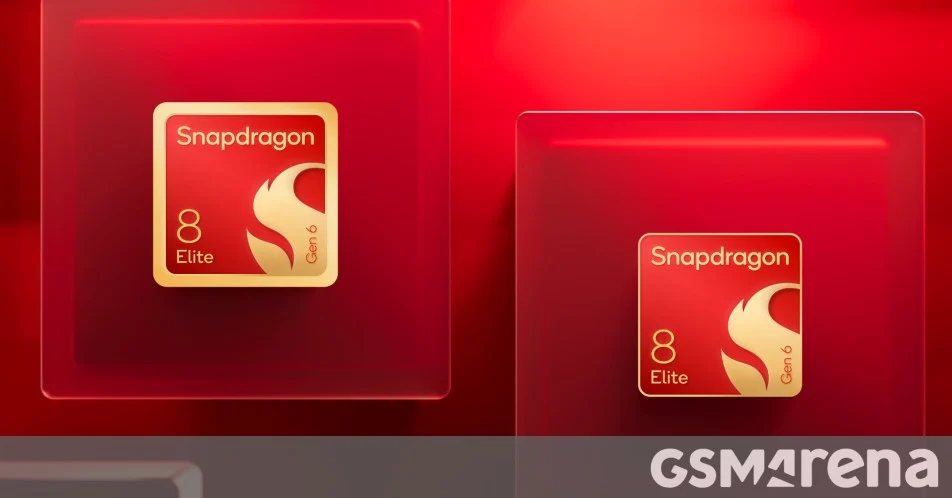
The catalyst for this excitement is a series of revelations stemming from a Chinese tech influencer, who demonstrated the unexpected prowess of the new Snapdragon 8 Elite Gen 6 reference hardware. According to the report, Qualcomm is investigating ways to implement a more robust, official framework for PC game emulation on Android.
The crux of the matter lies in the API translation process. Currently, PC games—which are predominantly built on Microsoft’s DirectX 12—must be "translated" into a format that the mobile GPU understands (typically Vulkan). This process is notoriously inefficient, suffering from high latency, significant frame drops, and compatibility hurdles. By providing official, native-level support for DX12, Qualcomm would ostensibly streamline this translation layer, potentially allowing high-end PC titles to run with a fraction of the overhead currently required.
During a controlled demonstration, the YouTuber showcased the Snapdragon 8 Elite Gen 6 running two of the most demanding titles in recent memory: Cyberpunk 2077 and Black Myth: Wukong. While these games have historically been the benchmarks for PC hardware, their successful execution on a mobile reference device—utilizing a translation layer within a DirectX 12 environment—suggests that the silicon is finally catching up to the software requirements of modern gaming.
A Chronology of Mobile Emulation
To understand the significance of this development, one must look at the historical trajectory of mobile emulation.
The Early Days: Static Translation
In the late 2010s, mobile emulation was limited to legacy titles from the 8-bit and 16-bit eras. The hardware was simply not powerful enough to handle anything more complex. As smartphone SoCs grew in power, enthusiasts began experimenting with x86 translation layers, though these were often community-led, buggy, and prone to severe performance degradation.
The Rise of Turnip and Mesa
The turning point for mobile PC emulation arrived with the open-source development of specialized drivers, most notably the Turnip Adreno drivers. These community-driven projects optimized how Snapdragon chips handled Vulkan, allowing users to run games like Fallout: New Vegas or Skyrim at playable frame rates. However, these were always "hacks" rather than official support.
The Modern Era: Snapdragon 8 Elite
The current epoch began with the release of the Snapdragon 8 Elite series. With its Oryon CPU architecture and massively upgraded Adreno GPU, the hardware threshold for "playable" PC gaming was finally met. The recent demonstration by the Chinese YouTuber marks the first time that an official—albeit still experimental—path toward DirectX 12 has been linked directly to Qualcomm’s proprietary driver stack.
Supporting Data: Can Hardware Keep Up?
The technical specifications of the Snapdragon 8 Elite Gen 6 are staggering compared to its predecessors. To understand why DX12 support is now a viable topic of conversation, we must examine the architectural leaps.
GPU Compute Power
The Adreno GPU integrated into the 8 Elite is designed to handle ray tracing and mesh shading at a hardware level. DirectX 12 is an API that relies heavily on these features. When a game makes a "draw call" in DX12, it expects the GPU to manage memory and resource states in a specific way. Historically, the "translation" layer had to emulate these resource states through a software bridge. With native support, the GPU can interpret these calls directly, which could theoretically result in a 30% to 50% increase in performance by reducing CPU-bound bottlenecks.
Memory Bandwidth
Running titles like Black Myth: Wukong requires not just raw GPU power but significant memory bandwidth to handle high-resolution textures. The 8 Elite supports LPDDR5X RAM, which provides the necessary throughput to feed the GPU without the constant data "stutter" that plagued previous generation chips when running emulated workloads.
Thermal Management and Power Efficiency
One of the primary concerns remains thermals. Cyberpunk 2077 is a power-hungry title. Even with efficient translation, the chip must work at near-peak capacity. The 8 Elite’s refined 3nm manufacturing process allows it to maintain sustained performance longer than its predecessors, though the challenge of heat dissipation in a fanless smartphone chassis remains the primary physical constraint.
Official Responses and Industry Outlook
As of this writing, Qualcomm has remained characteristically tight-lipped regarding the specifics of this development. When reached for comment, representatives of the company generally emphasize their commitment to "advanced gaming experiences" and "cross-platform compatibility," but they have yet to issue a press release confirming a dedicated DirectX 12 driver rollout.
Industry analysts suggest that Qualcomm’s silence is likely a matter of strategic pacing. The company is currently navigating a complex ecosystem. Providing native DX12 support is not just a software update; it involves working closely with Microsoft to ensure that the translation layers comply with security and stability standards.
Furthermore, the responsibility of distribution lies with the smartphone manufacturers (OEMs). Even if Qualcomm releases a "Day One" driver that supports DX12, the end-user will not see it until companies like Samsung, Xiaomi, or OnePlus integrate that driver into their specific firmware updates. This fragmentation is the primary "bottleneck" that stands between the demonstration hardware and the consumer device in your pocket.
Implications for the Future of Mobile Gaming
The implications of this shift are profound, potentially signaling the end of the "mobile game vs. PC game" dichotomy.
1. The Death of the Portable Console?
If a smartphone can run Cyberpunk 2077 natively or via a high-performance translation layer with official DX12 support, the value proposition of handheld consoles like the Steam Deck or the ASUS ROG Ally faces a direct challenge. While dedicated handhelds offer better cooling and ergonomics, the ubiquity of the smartphone makes it a much more attractive platform for the average consumer.
2. A New Market for Developers
If mobile platforms become officially compatible with PC APIs, developers may be able to port their PC titles to Android with minimal effort. This could lead to a renaissance of high-quality, "AAA" gaming on mobile, moving the market away from the microtransaction-heavy "freemium" models that currently dominate the App Store and Google Play.
3. The Rise of "Pro" Gaming Smartphones
We may see a bifurcation in the smartphone market. On one hand, "Standard" phones will continue to focus on battery life and photography. On the other, "Gaming Pro" devices—featuring active cooling systems and optimized software stacks for DX12—could emerge as the premier devices for enthusiasts who want a desktop-class gaming experience in their pocket.
4. Regulatory and Ecosystem Challenges
The move toward native PC emulation on mobile will not go unchallenged. App stores have strict rules regarding how software is executed on their platforms. If developers start bypassing these stores to run PC executables, it could lead to friction between Qualcomm, Google, and the various gaming storefronts like Steam or the Epic Games Store.
Conclusion: A Watchful Wait
The revelation that Qualcomm is tinkering with DirectX 12 support is a watershed moment. It transforms the conversation from "can it run" to "how well does it run." While we are likely months, if not a year, away from seeing this functionality rolled out in a stable, consumer-facing capacity, the technical proof of concept is undeniable.
For the mobile gamer, the future looks brighter—and more demanding—than ever. As we look toward the coming months, the focus will remain on whether Qualcomm can provide the necessary SDKs for OEMs to implement these changes safely. If they succeed, the next generation of Snapdragon-powered devices will not just be faster; they will be the most versatile computing devices ever created. Whether this leads to a new golden age of portable gaming or merely a niche feature for the hardcore enthusiast, one thing is clear: the wall between PC and mobile is finally beginning to crumble. Stay tuned, as the coming months of software updates will likely determine if this "official" solution becomes a reality or remains a fleeting glimpse of what could have been.