Regulatory Crossroads: Parliamentary Committee to Scrutinize RBI on Future of Virtual Digital Assets
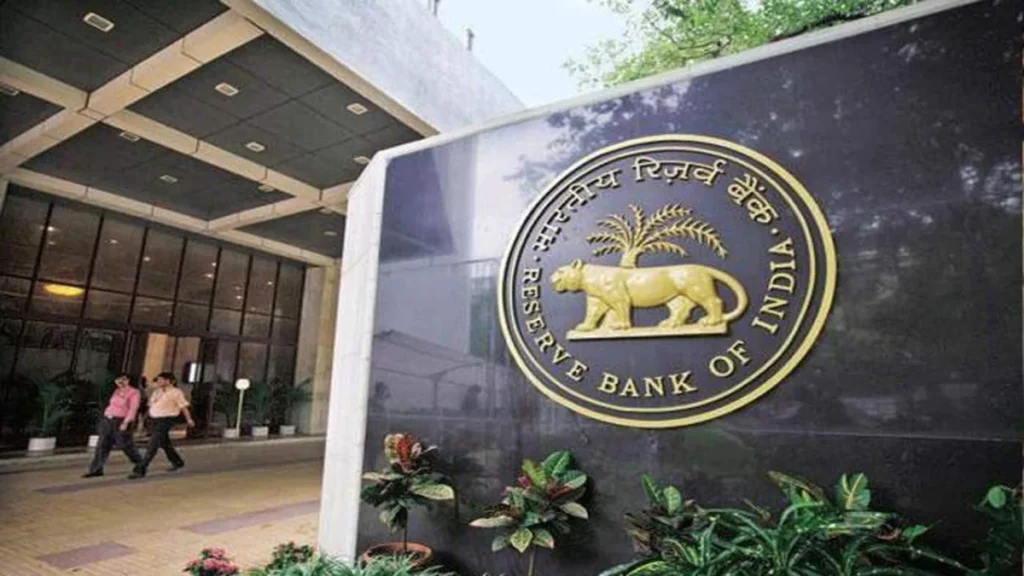
NEW DELHI – In a move that signals a significant intensification of India’s legislative engagement with the burgeoning crypto-economy, a high-level Parliamentary Standing Committee is set to convene with senior representatives from the Reserve Bank of India (RBI). The primary agenda for this meeting, as per an official notification issued on June 26, 2026, is to record "oral evidence" regarding the central bank’s stance on the evolving landscape of Virtual Digital Assets (VDAs) and to chart a definitive "way forward" for the nation’s digital asset policy.
This development marks a critical juncture for stakeholders, investors, and technologists alike, as the Indian government pivots toward establishing a comprehensive framework to govern decentralized finance and private cryptocurrencies.
Main Facts: The Scope of the Deliberation
The Parliamentary Standing Committee, composed of senior members of Parliament with oversight on finance and economic affairs, has prioritized the "Study on Virtual Digital Assets (VDAs) and Way Forward." The upcoming session aims to move beyond theoretical discussions, focusing on the technical, monetary, and security-related evidence that the RBI has gathered over the past several years.
Key areas of focus during the deliberations are expected to include:
- Macro-financial stability: Assessing the potential risks VDAs pose to the sovereign currency and the traditional banking system.
- Monetary Policy Transmission: Evaluating how the proliferation of non-sovereign digital assets affects the RBI’s ability to control inflation and manage interest rates.
- Consumer Protection: Addressing the volatility of crypto-assets and the need for robust grievance redressal mechanisms for retail investors.
- Technological Integration: Discussing the infrastructure requirements for a potential expansion of the Central Bank Digital Currency (CBDC) – the Digital Rupee – versus the coexistence of private assets.
A Chronological Perspective: The Road to Oversight
The journey toward this high-level meeting is the culmination of years of iterative policy shifts.
- 2018: The RBI issued a circular prohibiting regulated entities from dealing in or providing services to any individual or business dealing in virtual currencies.
- 2020: The Supreme Court of India struck down the RBI’s 2018 circular, arguing that the central bank had not provided evidence of "proportional" harm caused by crypto-entities to the banking system.
- 2021-2022: The government initiated a series of informal discussions, shifting the focus from an outright ban to "regulation and taxation." In the Union Budget 2022, a 30% tax on income from VDAs was introduced, alongside a 1% Tax Deducted at Source (TDS) on transactions.
- 2023-2025: The RBI launched the wholesale and retail pilots of the e-Rupee, signaling a preference for a state-backed digital currency. During this period, the G20 presidency held by India played a pivotal role in pushing for a global consensus on crypto-asset regulation.
- June 2026: The current Parliamentary intervention represents the legislative branch’s attempt to formalize a long-term policy framework, reflecting the urgency created by the global shift toward digital finance.
Supporting Data: The Global and Domestic Landscape
The scrutiny by the parliamentary panel is backed by significant data points concerning the Indian market. While exact figures fluctuate due to market volatility, internal reports suggest that the volume of VDA trading in India remains among the highest in the world, despite the restrictive tax regime.
The Growth of Digital Assets
Data from international monitoring agencies indicates that decentralized finance (DeFi) platforms have seen a 15% year-on-year growth in user participation within India, driven largely by younger demographics seeking alternative asset classes. However, this growth has been mirrored by a rise in cyber-security incidents, including platform breaches and sophisticated phishing attacks targeting crypto-wallets.
The CBDC Factor
The RBI’s own progress on the Central Bank Digital Currency (CBDC) serves as the primary benchmark. With millions of users now onboarded to the retail e-Rupee pilot, the RBI has a robust dataset on digital transaction behaviors. The committee is expected to weigh this data against the risks of "crypto-ization," where citizens might prefer private assets over the state-backed digital currency.
Official Responses and Stances
The stance of the Reserve Bank of India has historically been characterized by extreme caution. Governor Shaktikanta Das has frequently cautioned that cryptocurrencies pose a "clear danger" to macroeconomic stability and the financial integrity of the nation. The RBI’s arguments have consistently focused on:
- Sovereignty: The concern that private digital currencies could undermine the RBI’s monopoly on the issuance of currency.
- Illicit Activity: The potential for VDA platforms to be used for money laundering, terror financing, and tax evasion.
- Lack of Intrinsic Value: The assertion that cryptocurrencies do not meet the criteria of "money" due to their speculative nature.
Conversely, industry bodies have argued for a more balanced approach. Their submissions to various committees have highlighted that a total ban would only push the industry into the shadows or to offshore jurisdictions, resulting in a loss of potential tax revenue and technical innovation. They advocate for a regulatory sandbox where innovation can be fostered under strict compliance.
Implications: What Comes Next?
The upcoming evidence session is not merely a formality; it is a precursor to potential legislative action. Several outcomes are currently being discussed by policy analysts:
1. The Development of a "Hybrid" Regulatory Model
The committee may recommend a tiered regulatory system where "utility-based" tokens are treated differently from "speculative" cryptocurrencies. This would allow blockchain-based innovation (Web3) to flourish while imposing strict controls on purely speculative assets.
2. Mandatory Licensing for Exchanges
The RBI and the government may push for a mandatory licensing regime for all Indian-based crypto exchanges, requiring them to adhere to the same Anti-Money Laundering (AML) and Know Your Customer (KYC) standards as traditional banks.
3. Integration with CBDC
The "way forward" may involve the mandatory integration of private digital assets with the CBDC infrastructure, allowing the government to track and monitor the movement of funds from private wallets into the broader economy, thereby mitigating risks of systemic shocks.
4. International Harmonization
As a major player in the global economy, India is expected to align its regulations with the Financial Stability Board (FSB) and the International Monetary Fund (IMF) guidelines. The parliamentary committee will likely examine how India’s policy can act as a template for other emerging economies.
Conclusion: The Path Toward Stability
As the Parliamentary Standing Committee prepares to engage with the RBI, the primary challenge remains the reconciliation of two distinct philosophies: the central bank’s mandate for stability and the market’s demand for decentralized innovation.
The testimony provided by the RBI will be a defining document in the future of the Indian crypto-asset sector. If the committee leans toward a restrictive framework, it could signal a period of contraction for the domestic industry. However, if the deliberation leads to a robust, transparent, and balanced regulatory environment, India could position itself as a global leader in the responsible integration of blockchain technology and virtual digital assets.
For the time being, all eyes remain on the committee room. The "way forward" will not only define the legal status of cryptocurrencies in India but will also set a precedent for how the world’s most populous nation navigates the complexities of the digital financial revolution. Investors, developers, and global market watchers await the committee’s findings, which are expected to be published in the subsequent parliamentary session.