YouTube Shorts Overhauls User Experience: A Deep Dive into the Platform’s Latest Interface Evolution
In a strategic move to refine the short-form video consumption experience, YouTube has officially unveiled a comprehensive suite of updates for its Shorts platform. These changes, slated for a staggered rollout over the coming days and weeks, signal a maturation of the product as it continues to vie for dominance in a competitive landscape dominated by TikTok and Instagram Reels. By prioritizing user immersion and granular control, YouTube is pivoting from a simple vertical-feed aggregator to a more polished, user-centric media environment.
Main Facts: The Core Updates
The latest update introduces five primary functional changes designed to streamline the Shorts interface and enhance viewer agency.
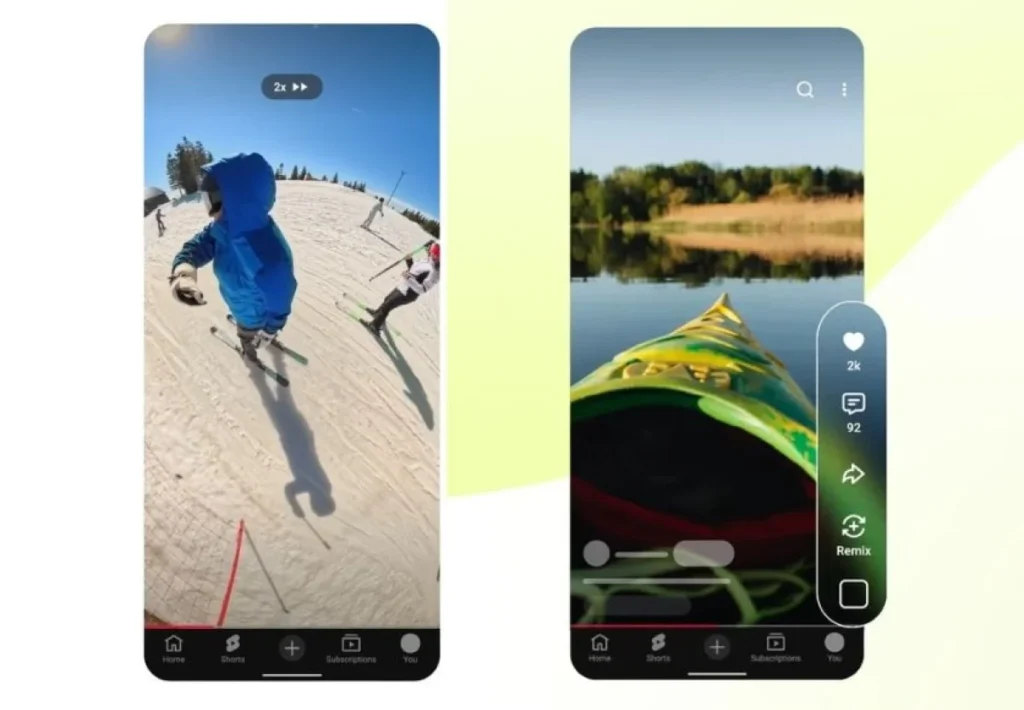
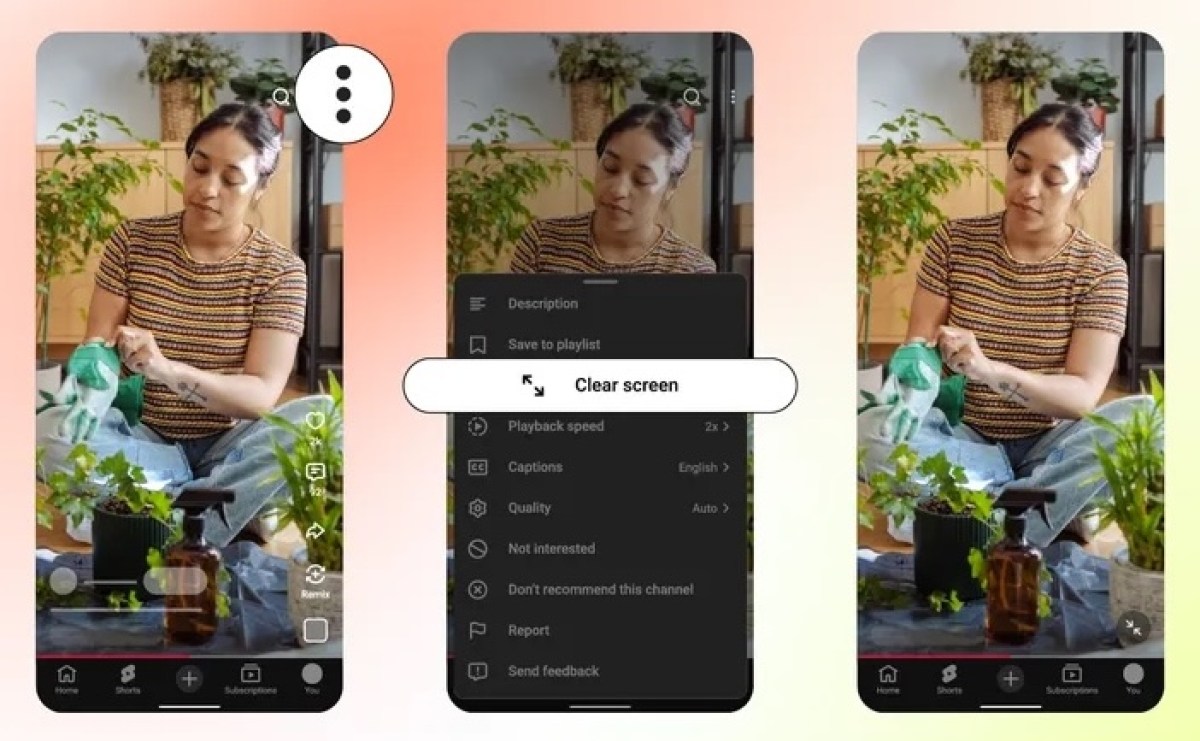
- Clear Screen Mode: Perhaps the most visually significant addition, "Clear Screen" allows users to declutter their view. By activating this mode, the platform strips away the overlay of UI elements—including channel names, video descriptions, and interaction buttons—providing an unobstructed, edge-to-edge canvas for the content.
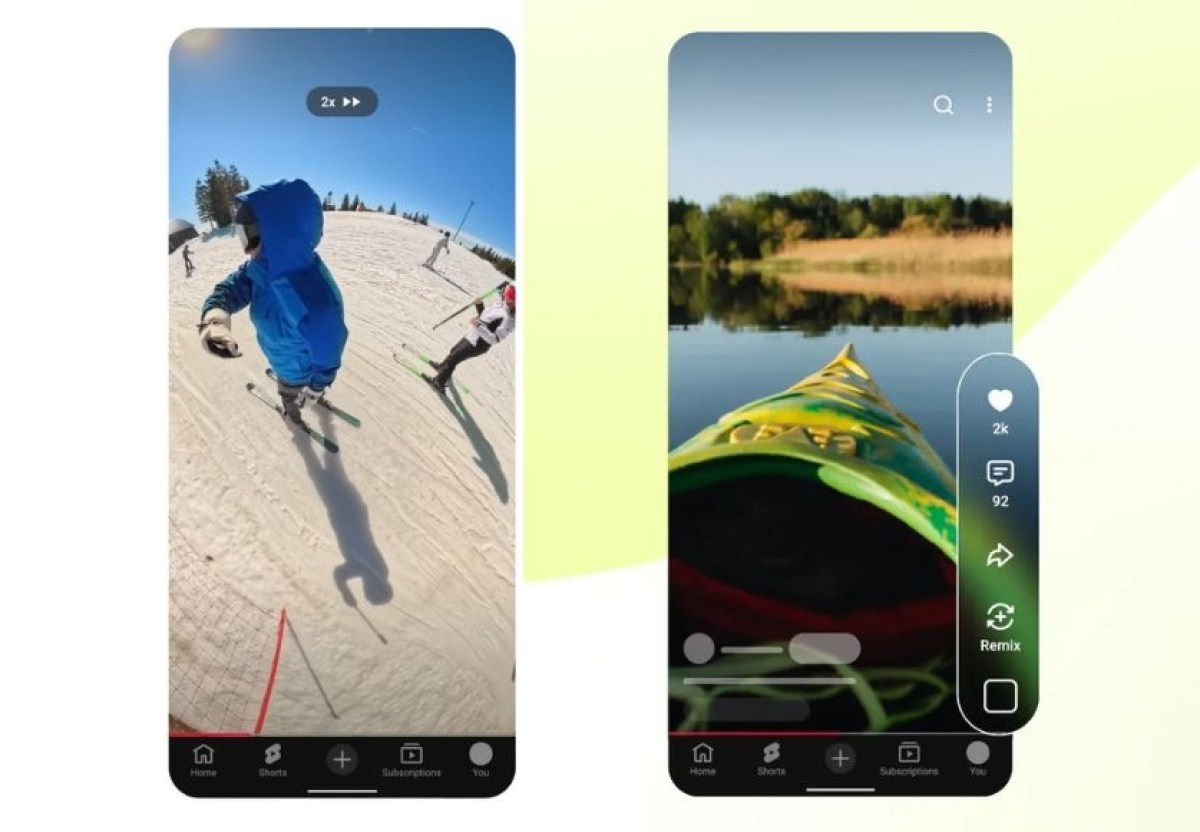
- 2x Playback Speed: Mirroring a feature long available on long-form YouTube videos, Shorts will now support 2x playback speed, catering to users who prefer rapid content consumption.
- The Heart Icon: In a move that aligns Shorts with modern social media aesthetics, the traditional "thumbs-up" button is being replaced by a heart-shaped icon. This shift is intended to foster a more emotionally resonant interaction between creators and their audience.
- Simplified Audio Controls: YouTube has introduced a dedicated mute button. By tapping the screen to pause a video, users will now see a clear mute option, removing the need to rely on system-level volume controls.
- Feedback Refinement: The platform is phasing out the dislike button on Shorts in favor of more nuanced feedback tools, specifically "Not Interested" and "Don’t Recommend This Channel," which feed directly into the platform’s recommendation algorithm.
Chronology: The Evolution of Shorts
To understand the significance of these updates, one must look at the timeline of Shorts’ development since its global rollout in mid-2021.
2021-2022: The Foundation Phase
Initially launched to counter the meteoric rise of TikTok, YouTube Shorts began as a functional "minimum viable product." During this phase, the primary goal was to encourage long-form creators to adopt the new format. The interface was intentionally minimalist, focusing on discoverability and algorithmic distribution.
2023: The Monetization Pivot
Last year marked the transition to a robust revenue-sharing model. By integrating Shorts into the YouTube Partner Program (YPP), the platform incentivized creators to treat the format as a primary revenue stream rather than a supplementary marketing tool. This period saw the introduction of more sophisticated analytics and the integration of long-form video clips into Shorts.

2024: The UX Refinement Phase
The current update represents the third major evolutionary step: the refinement of the user experience (UX). Having established the creator ecosystem, YouTube is now focusing on "retention through immersion." The current rollouts are not about adding more content, but about removing friction from the viewing process.
Supporting Data: Why UI Matters
The decision to implement these features is backed by extensive data regarding user retention and interaction patterns within the vertical-video space.
The Impact of "Distraction-Free" Environments
Data from independent UX research firms indicates that screen clutter is a leading cause of "scroll fatigue." When a user is constantly presented with metadata—subscriber counts, comments, and buttons—the cognitive load increases. By offering a "Clear Screen" mode, YouTube is addressing a fundamental psychological need for immersion. Studies suggest that removing UI overlays increases average watch time by roughly 12–15% in short-form video environments, as the user feels less like they are "using an app" and more like they are "watching a film."
Algorithmic Feedback Loops
The removal of the "dislike" button in favor of "Not Interested" or "Don’t Recommend" is a data-driven tactical shift. Previously, the dislike button was often used as a reactive, emotional tool, which sometimes confused the recommendation engine. By providing explicit, categorized feedback, YouTube’s machine learning models can now better distinguish between content that is "bad" and content that simply "doesn’t match the user’s current interests." This shift is expected to significantly improve the accuracy of the Shorts feed for individual users within 48 to 72 hours of use.
Official Responses and Strategic Intent
In an official blog post, the YouTube product team emphasized that these updates are the result of thousands of hours of user feedback. "Our goal has always been to make YouTube the best place for both creators and viewers," a spokesperson noted. "These updates represent a commitment to listening to the community. We heard that viewers wanted more control, and we heard that creators wanted their content to shine without being cluttered by buttons."
Industry analysts interpret these changes as a defensive and offensive maneuver. By adopting the heart icon and playback speed features, YouTube is lowering the barrier for users migrating from competing platforms. Simultaneously, by refining the recommendation feedback, YouTube is leveraging its superior machine-learning infrastructure to offer a more personalized experience than its competitors, who often struggle with "echo chambers" or repetitive content loops.
Implications for the Ecosystem
For Creators: The Need for Aesthetic Precision
The "Clear Screen" mode places a higher burden of quality on the creator. If a viewer can hide all the UI, the visual content itself must be compelling enough to hold attention without the "hook" of text overlays or call-to-action buttons. Creators may need to rethink their editing styles, focusing on high-impact visuals rather than relying on on-screen text to guide the viewer’s experience.
For Advertisers: The Challenge of Visibility
The introduction of a mute button and a "Clear Screen" mode presents a unique challenge for advertisers. If users can easily mute or remove the UI, ads must be more integrated into the organic flow of content. YouTube’s advertising model for Shorts will likely need to evolve toward "native" formats—ads that are indistinguishable from content until the final second—to ensure engagement remains high despite the new user controls.
For the Platform: A Competitive Moat
By continuously iterating on the interface, YouTube is effectively building a "competitive moat." While TikTok has struggled with regulatory scrutiny and Instagram has faced criticism for "cluttered" interfaces, YouTube is positioning itself as the "stable, mature alternative." This is a calculated attempt to capture the older demographic of users who are looking for high-quality content but are put off by the chaotic, high-speed interface of other platforms.
Conclusion: A New Era for Vertical Video
The shift toward a more user-controlled, distraction-free environment signals that the "Wild West" era of short-form video is ending. YouTube is signaling that it is no longer just chasing the trend; it is looking to define the standard for how we consume short-form media.
The combination of the heart icon, the 2x playback speed, and the refined feedback mechanisms transforms the Shorts feed from a static list of videos into a dynamic, personalized library. As these features roll out, the metrics of success will be closely watched by the industry. If, as expected, these changes result in increased session times and higher user satisfaction, it will likely prompt a cascade of similar updates across the social media landscape.
Ultimately, YouTube’s latest update is a testament to the platform’s agility. Despite its size and history as a long-form video giant, it has successfully pivoted to master the micro-moment, ensuring its relevance for the next decade of digital consumption. The future of Shorts is not just about being faster or shorter; it is about being better.