Smart TV Surveillance: LG Electronics Cracks Down on Apps Turning Devices into Residential Proxy Nodes
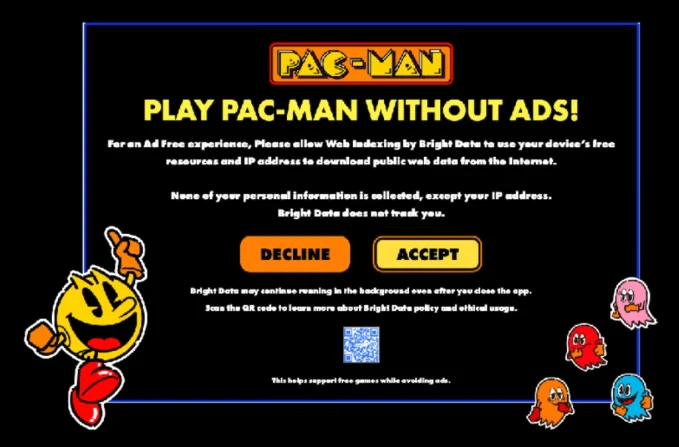
In a significant move toward tightening platform security, LG Electronics USA has announced it will begin suspending applications on its webOS smart TV platform that utilize software development kits (SDKs) to turn televisions into “always-on” residential proxy nodes. This decision follows a startling revelation by security researchers that nearly half of the applications available on the LG app store were effectively turning consumer hardware into conduits for third-party internet traffic.
The initiative, confirmed by LG leadership this week, marks a major pivot in how the consumer electronics giant manages the third-party ecosystem on its flagship smart TVs. As modern televisions transition from simple display panels to sophisticated, internet-connected computers, the security risks associated with their software supply chains have moved to the forefront of industry discourse.
The Scope of the Problem: A Hidden Network of Proxies
The catalyst for this policy shift was a comprehensive report published earlier this month by the cybersecurity firm Spur. The research uncovered an alarming prevalence of residential proxy SDKs embedded within legitimate applications on both LG’s webOS and Samsung’s Tizen operating systems.
Residential proxies work by routing web traffic through the IP addresses of real residential devices—such as home computers, routers, or, in this case, smart TVs. While these services are often marketed as tools for market research, data scraping, or localized content delivery, they essentially transform a user’s private network into a relay point for unknown, third-party internet activity.
According to Spur’s findings, more than 42 percent of the apps available in the LG webOS store contained these proxy components. The issue was not limited to niche or suspicious software; the researchers found proxy SDKs integrated into a wide variety of common applications, including casual games like Pac-Man, screensavers, and utility apps. For the average consumer, the installation of what appeared to be a simple game resulted in their smart TV silently contributing to a massive, global proxy network.
Chronology of the Discovery and Response
The exposure of this practice has been swift and consequential:
- July 2, 2026: Security firm Spur publishes its initial findings, detailing how smart TV apps are being weaponized as residential proxy nodes. The report highlights that over 42% of LG apps and over 25% of Samsung apps were utilizing these SDKs.
- Early July 2026: Media inquiries begin to pressure manufacturers regarding the security and privacy implications of these “always-on” nodes.
- Late July 2026: LG Electronics USA officially acknowledges the report. Senior Vice President John Taylor issues a formal statement confirming that the company is actively auditing its app store.
- July 22, 2026: LG announces that any developers who do not remove residential proxy functionality from their applications will face immediate suspension from the webOS platform.
- Late July 2026: Industry analysts and security experts begin to question the broader implications of “opt-in” consent models used by these proxy providers, while LG faces additional scrutiny regarding separate software bundling practices.
Understanding the Economics: Why TVs Become Proxies
To understand why a game developer would include a proxy SDK in their app, one must look at the economics of the “free-to-play” app model. App developers are constantly seeking new ways to monetize their creations. Residential proxy providers, such as Bright Data—the largest player identified in the Spur report—offer developers financial incentives to bundle their SDKs into apps.
In practice, this turns the end-user’s device into a “peer” in the proxy network. When the TV is not being used to watch movies, it sits idle, connected to the internet. The proxy provider then rents this idle bandwidth to their own customers. For the developer, it is a steady stream of passive income. For the consumer, however, it means their home IP address—and potentially their network bandwidth—is being used by strangers, potentially for activities ranging from SEO monitoring to mass web scraping.
Official Responses and Corporate Stance
LG Electronics has taken a definitive stance against the practice. In a statement to the press, John Taylor, Senior Vice President at LG, clarified that the company never intended for its smart TVs to function as infrastructure for proxy networks.
“A residential proxy network is not an intended use for LG smart TVs,” Taylor stated. “LG Electronics is working with developers to remove the residential proxy option from their apps on the webOS platform. If this option is not removed, these apps will be suspended.”

Taylor further emphasized that LG is currently conducting a deep review of all existing applications. “As part of our ongoing efforts to enhance platform quality and the user experience, LG will continue to strengthen our evaluation process for developer-submitted apps, including those that incorporate residential proxy SDKs,” he added.
Conversely, proxy providers like Bright Data maintain that their services are legitimate and built on a foundation of user consent. In a statement, the company noted, “Every peer opts in through a dedicated screen and receives value in return; every customer is vetted, and our practices have now undergone a second independent audit by PwC.” Bright Data argues that their network allows legitimate businesses and researchers to access public data while implementing “Know Your Customer” (KYC) protocols to prevent misuse.
The Security Implications: More Than Just Bandwidth
The central argument from security researchers like Trevor Sutter of Spur is that residential proxy networks are fundamentally ill-suited for consumer-grade IoT devices.
“A one-time consent prompt buried in a TV app is not a substitute for meaningful transparency, ongoing control, and platform oversight,” Sutter noted. He pointed out that the “opt-in” mechanism is often flawed, as it may be triggered by a child or a household member who does not understand the technical implications of allowing a third party to route traffic through the home network.
Furthermore, there is the lingering fear of the “local network” risk. While proxy providers claim they employ countermeasures to prevent proxy users from accessing other devices on a home network, the mere presence of such software opens a potential attack surface. If a vulnerability were discovered in the proxy SDK itself, it could provide a gateway for attackers to pivot from the smart TV to sensitive devices like network-attached storage (NAS) drives, home security cameras, or personal computers.
A Broader Pattern of Questionable Software Practices
LG’s decisive action on proxy SDKs comes at a time when the company is also facing criticism for other software-related issues. This week, the popular tech-focused YouTube channel Gamers Nexus highlighted a troubling discovery regarding LG’s high-end LCD monitors.
The investigation revealed that these monitors were automatically installing promotional software for McAfee antivirus subscriptions through Windows Update, without requiring explicit user approval. The software arrived via the monitor’s drivers, effectively using a manufacturer-supplied update mechanism to push paid third-party services. This, combined with the proxy SDK issue, has sparked a broader debate about the extent to which manufacturers should be allowed to monetize or leverage consumer hardware after the point of sale.
The Path Forward: Transparency and Platform Control
The move by LG to purge residential proxy SDKs is a victory for consumer privacy, but it also highlights the "wild west" nature of modern smart TV app stores. As these devices become increasingly central to the smart home, they require a higher standard of software auditing than they currently receive.
For consumers, the takeaway is clear: the “smart” features of a television come with hidden costs. Moving forward, industry experts suggest that manufacturers must:
- Enforce Stricter App Store Policies: Beyond just proxy SDKs, platforms must ban any software that engages in unauthorized network traffic relaying.
- Enhance User Granularity: If a feature requires network access, the user should be presented with a clear, persistent dashboard indicating exactly how their device is being used.
- Audit the Supply Chain: Manufacturers must be held accountable for the SDKs that their app developers choose to include in their software.
While LG’s commitment to cleaning up its platform is a positive development, the incident serves as a reminder that the line between a consumer appliance and a piece of corporate-controlled data infrastructure is becoming increasingly blurred. For now, users should remain vigilant, regularly checking the privacy settings of their smart devices and questioning whether a simple game is truly worth the potential risk to their home network’s integrity.