Banking Standoff: Government Urges Unions to Call Off Three-Day Strike Following PLI Concession
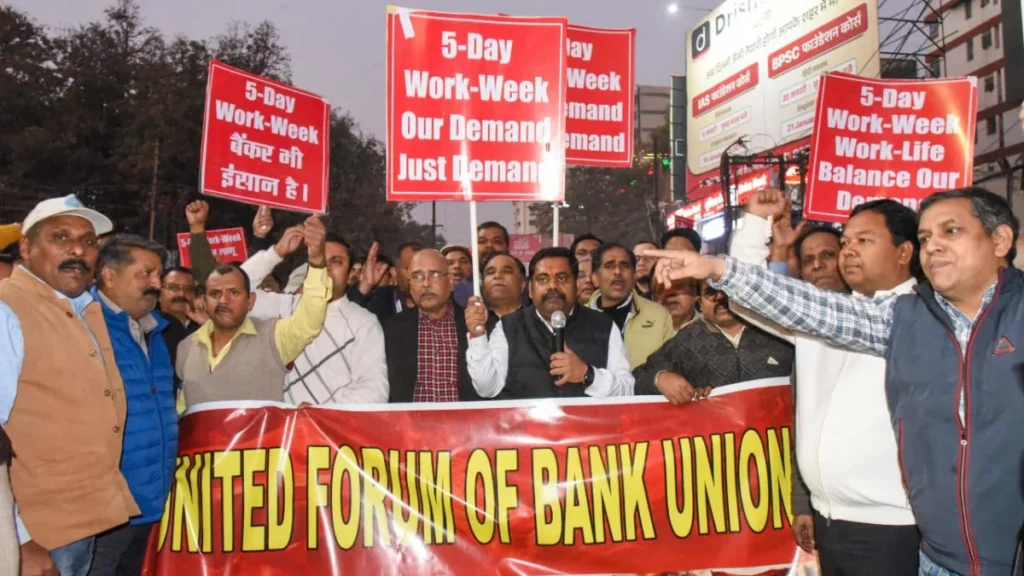
New Delhi: In a high-stakes move to prevent widespread disruption across India’s financial infrastructure, the Union Government on Monday issued a formal appeal to the employees of Public Sector Banks (PSBs) and Regional Rural Banks (RRBs) to withdraw their proposed three-day nationwide strike, scheduled to begin on September 28.
The government’s plea comes as a direct response to the escalating tensions between bank unions and the administrative authorities. High-ranking officials within the Finance Ministry have signaled that a significant hurdle has been cleared, noting that the government has already met a core demand of the employee unions: the decision to keep the contentious Performance Linked Incentive (PLI) scheme in abeyance.
The Core Conflict: Understanding the PLI Impasse
The Performance Linked Incentive (PLI) scheme has long been a point of friction between the banking workforce and the government. Originally designed to tie employee bonuses to the profitability and efficiency metrics of individual banks, the scheme was met with sharp criticism from various bank unions.
Representatives from major banking unions, including the All India Bank Employees’ Association (AIBEA) and the All India Bank Officers’ Confederation (AIBOC), argued that the PLI model was inherently flawed. They contended that banking is a public service utility, and tying incentives strictly to commercial performance unfairly penalized employees in rural branches or those handling social welfare schemes where profit margins are not the primary objective.
By placing the PLI scheme in abeyance, the government has essentially paused the implementation of these performance metrics, signaling a willingness to negotiate the structure of incentive models. The Ministry of Finance maintains that this gesture was made in "good faith" to maintain industrial harmony and ensure that the essential services provided by the banking sector remain uninterrupted.
Chronology of the Dispute
The trajectory toward this potential strike has been building over several months. Below is a breakdown of the key developments leading up to the September 28 deadline:
- June 2026: Unions begin expressing deep reservations regarding the proposed guidelines for the PLI scheme, citing a lack of consultation with stakeholders.
- July 2026: Informal discussions between the Department of Financial Services (DFS) and union leaders fail to reach a consensus.
- August 15, 2026: During Independence Day deliberations, unions reiterate their demand for a more transparent incentive structure and improved working conditions.
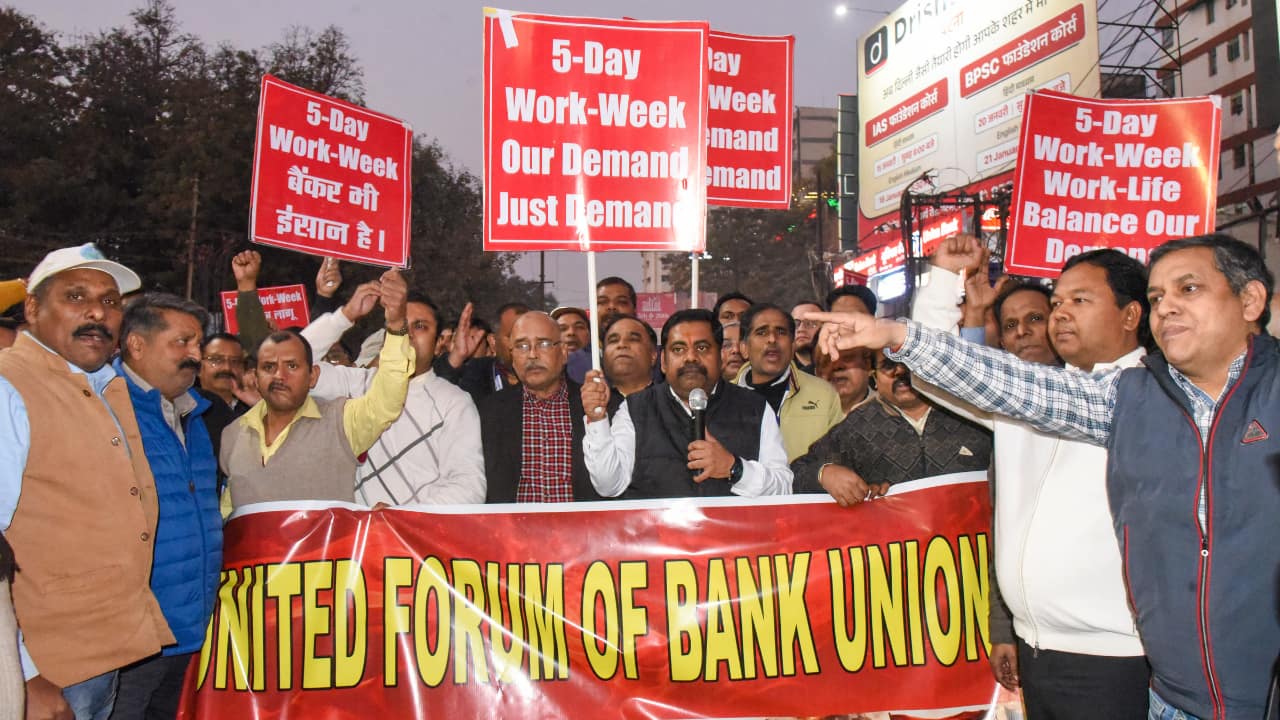
- September 5, 2026: The Joint Forum of Bank Unions (JFBU) officially serves a strike notice, announcing a three-day cessation of work from September 28 to 30.
- September 21, 2026: The government releases an official statement confirming the suspension of the PLI scheme and formally requests the unions to rescind their strike call.
The Economic Implications of a Nationwide Strike
A three-day strike in the banking sector is no minor inconvenience; it carries significant weight for the Indian economy. As the country approaches the end of the second quarter, banking operations are critical for corporate settlements, retail transactions, and government-led welfare disbursements.
1. Impact on Financial Transactions
With the banking sector acting as the circulatory system of the economy, a total shutdown of PSB operations—which hold the vast majority of the country’s deposits—would lead to a massive backlog in clearing houses. Electronic Fund Transfers (NEFT/RTGS) may remain functional, but manual clearance of cheques, document verification, and loan processing would come to a complete standstill.
2. Retail and SME Disruptions
Small and Medium Enterprises (SMEs) are particularly vulnerable to these disruptions. Many rely on daily cash flows and timely credit access. A 72-hour strike could result in delayed salary payments, stalled vendor settlements, and operational gridlock for thousands of small businesses that rely on personal interaction with their local bank branches.
3. The Digital Transition Gap
While digital banking has seen unprecedented growth, a significant portion of the rural population in India still relies heavily on branch-level services. For these citizens, the strike represents a total loss of access to their financial assets, potentially leading to social and economic distress in agrarian and semi-urban regions.
Official Responses and Union Stance
The Ministry of Finance has emphasized that the banking sector is in a phase of robust recovery, with public sector banks showing improved balance sheets and reduced Non-Performing Assets (NPAs). An official spokesperson stated, "The government remains committed to the welfare of our banking personnel. By addressing the PLI issue, we have demonstrated our intent to listen. We urge the unions to consider the impact on the common citizen and the broader economy before proceeding with the strike."
However, the union leadership remains cautious. While they have acknowledged the government’s move on the PLI scheme, they argue that there are other outstanding grievances. These include:
- Pension Updation: A long-standing demand for the revision of pension schemes in line with current inflation rates.
- Staff Recruitment: Addressing the acute shortage of staff in rural branches, which has led to extreme burnout among current employees.
- Outsourcing Concerns: Opposition to the increasing trend of outsourcing core banking functions to third-party vendors, which unions claim poses a security and data privacy risk.
Data Analysis: The Weight of Public Sector Banks
To understand why the government is so keen to avoid this strike, one must look at the sheer scale of the PSB workforce. Public Sector Banks account for nearly 60% of the total banking business in India. With a combined workforce of over 800,000 employees, any concerted action by these unions creates a nationwide freeze.
- Market Share: As of the latest quarterly data, PSBs hold roughly 65% of all savings and current accounts in the country.
- Rural Penetration: Over 70% of the branches of Regional Rural Banks are located in Tier-3 and Tier-4 cities, serving as the primary financial interface for the agricultural sector.
- Volume of Transactions: On any given working day, PSBs handle millions of transactions, ranging from government subsidies (DBT) to commercial trade finance. A three-day closure represents a potential delay in hundreds of thousands of crores worth of transactions.
The Path Forward: Conciliation or Confrontation?
As the date of the proposed strike approaches, the atmosphere in the banking corridors of Mumbai and Delhi is one of nervous anticipation. The government’s move to place the PLI scheme in abeyance serves as a critical "peace offering."
Experts suggest that the next 48 hours are crucial. If the unions decide to enter into formal, high-level negotiations, there is a strong possibility that the strike may be averted or at least deferred. If the unions feel that the PLI suspension is merely a temporary stalling tactic without a long-term commitment to their other demands, the strike is likely to proceed.
The government is reportedly preparing a contingency plan to ensure that ATM cash replenishment and basic digital services remain operational even if the strike goes ahead. However, the loss of human-led services remains an unavoidable consequence.
Conclusion: A Call for Constructive Dialogue
The banking sector is currently at a crossroads. As India aspires to become a $5 trillion economy, the stability of its financial pillars is non-negotiable. While the right to protest is a fundamental aspect of labor relations, the complexity of modern financial systems necessitates a higher level of dialogue.
The government’s appeal on Monday was not just an administrative request; it was an acknowledgment of the vital role bank employees play. Whether this will lead to a breakthrough or if the sector will face its most significant disruption of the year remains to be seen. For now, all eyes are on the leadership of the bank unions as they weigh the government’s latest concession against their broader agenda for structural reform.
Disclaimer: This article is based on the latest available information as of September 21, 2026. Further updates are expected as labor unions finalize their decision.