Strategic Synergy: Peko and Kalp Forge Alliance to Revolutionize SME Digital Infrastructure
By Zee Media Bureau
Published: Jun 14, 2026 | Updated: Jun 14, 2026
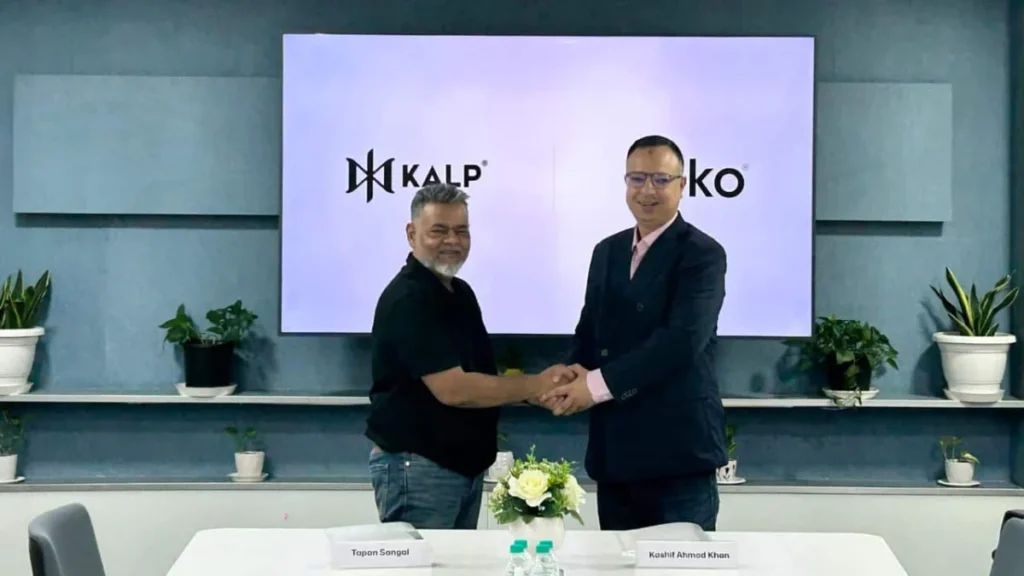
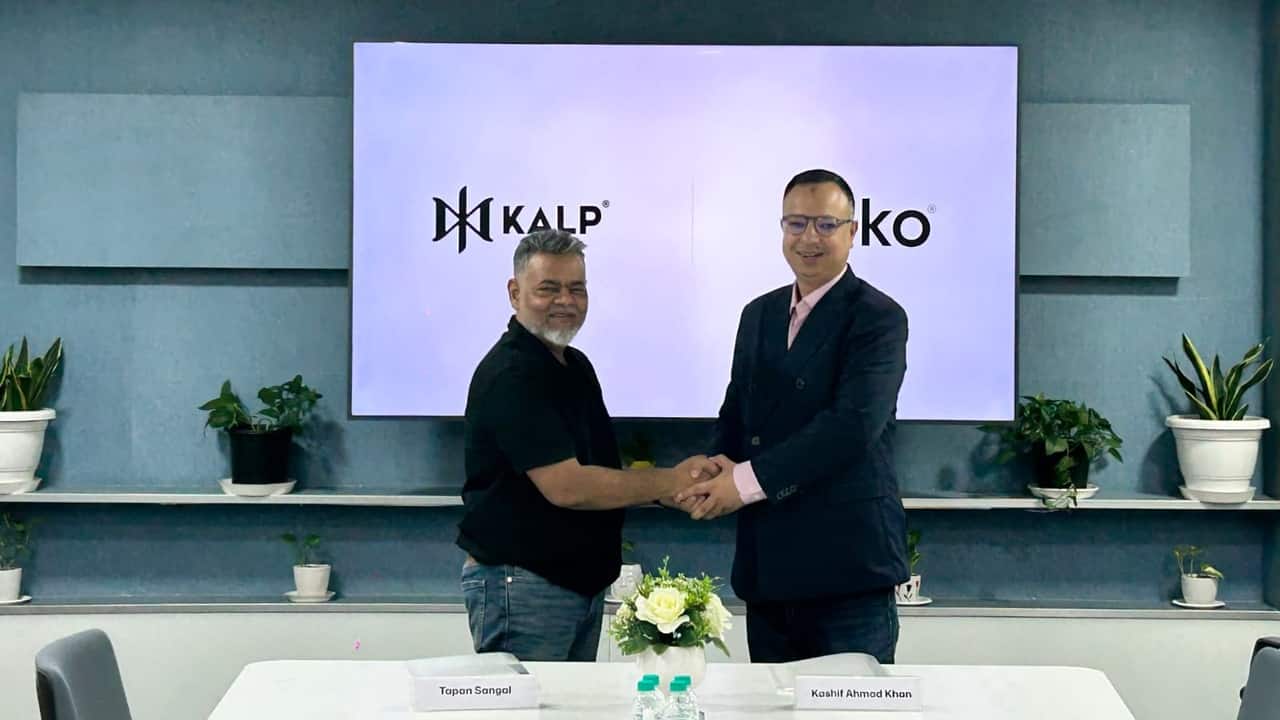
In a move set to reshape the landscape of digital commerce for small and medium-sized enterprises (SMEs), technology innovators Peko and Kalp have officially entered into a Memorandum of Understanding (MoU). This strategic partnership aims to integrate Kalp’s advanced technological framework into the Peko platform, effectively creating a robust, end-to-end digital infrastructure designed to streamline business operations in an increasingly digitized global economy.
As market demands shift toward instantaneous transactions and transparent asset management, this collaboration seeks to bridge the gap between complex blockchain-based solutions and everyday business utility. By combining Peko’s established platform reach with Kalp’s specialized technology, the companies intend to roll out a suite of services including advanced digital payment systems, secure digital wallets, sophisticated asset tokenization tools, and automated commercial transaction protocols.
The Core Pillars of the Partnership
The integration of Kalp’s technology into Peko’s existing ecosystem is not merely an incremental update; it is a fundamental architecture shift. The partnership focuses on four primary pillars that are essential for the modern SME:
1. Advanced Digital Payment Systems
Reliability and speed are the cornerstones of modern commerce. By leveraging Kalp’s infrastructure, Peko aims to reduce the friction often associated with cross-border and high-volume B2B payments. This includes optimizing settlement times and reducing intermediary costs, thereby allowing smaller firms to operate with the efficiency of larger multinational corporations.
2. Next-Generation Digital Wallets
The transition from legacy banking systems to digital-first finance requires secure, compliant, and user-friendly interfaces. The partnership will see the deployment of enhanced digital wallets that support a variety of asset classes, providing SMEs with a centralized hub to manage liquidity, payroll, and vendor payments.
3. Asset Tokenization Tools
Perhaps the most ambitious aspect of the collaboration is the democratization of asset tokenization. SMEs frequently struggle with capital constraints and the inability to unlock value from illiquid assets. Through the integration of Kalp’s tools, Peko users will be able to tokenize business assets, potentially opening new avenues for fractional investment, collateralization, and efficient asset tracking.
4. Automated Commercial Transactions
Smart contract technology and automated workflows are at the heart of the "frictionless office." By automating recurring commercial transactions—such as invoicing, escrow, and supply chain settlements—the platform intends to drastically reduce human error and administrative overhead for its business clients.
A Chronology of the Digital Transformation Journey
The path to this MoU was paved by months of quiet development and market analysis.
- Q3 2025: Initial discussions between Peko and Kalp executives regarding the "fragmentation of SME finance" began. Research identified a significant void in accessible, enterprise-grade blockchain infrastructure for smaller firms.
- Q1 2026: Technical feasibility studies were conducted to determine how Kalp’s modular technology could be layered atop Peko’s existing API-first platform.
- April 2026: Beta testing of initial integration modules commenced, showing promise in reducing transaction processing times by approximately 40%.
- June 14, 2026: The official signing of the Memorandum of Understanding. Both parties publicly committed to a phased rollout of the joint services, beginning with the payment and wallet modules.
Market Implications: Why SMEs Need This Now
The current economic climate for SMEs is characterized by high operational costs and a slow adoption rate of emerging technologies. According to recent industry data, SMEs represent over 90% of global businesses, yet they remain the most underserved segment regarding sophisticated financial infrastructure.
The Peko-Kalp partnership addresses this disparity through several economic levers:
- Operational Efficiency: Automating manual accounting and reconciliation processes allows business owners to focus on growth rather than back-office administration.
- Financial Inclusion: By providing enterprise-level tools at an accessible scale, the partnership levels the playing field, allowing smaller firms to compete on a global stage.
- Security and Compliance: As regulatory landscapes around digital assets evolve, the partnership emphasizes a "compliance-first" design, ensuring that SMEs remain protected while navigating new financial tools.
Industry Perspectives and Official Responses
While the specific financial terms of the MoU remain confidential, spokespersons from both companies have expressed optimism regarding the long-term potential of the alliance.
"The goal has always been to provide the engine room for the SME economy," a spokesperson for Peko noted. "By bringing Kalp’s advanced tech into our ecosystem, we are effectively giving our users a ‘plug-and-play’ solution for the future of digital finance. We are not just building software; we are building trust and accessibility."
A representative from Kalp added, "Our technology is designed for scalability and high-throughput environments. Seeing it deployed on a platform as widely used as Peko is the ideal realization of our vision to make complex digital tools simple enough for everyday commercial use."
Analysts following the deal suggest that this is part of a broader trend where tech firms move away from proprietary "silos" and toward collaborative ecosystems. The success of this integration will likely be measured by the adoption rate of the new features over the next 18 months.
Technical Challenges and Future Outlook
Integrating sophisticated technology like asset tokenization into a mass-market platform is not without its challenges. Security audits, regulatory alignment with various regional central banks, and ensuring user-friendly UX/UI design are major hurdles that both companies have pledged to address through rigorous testing phases.
The "phased rollout" strategy is indicative of a conservative, long-term growth plan. Rather than an overnight launch, the companies plan to introduce features to select markets, gathering data and user feedback before a global expansion.
The Road Ahead
Looking beyond 2026, the potential for this partnership extends into the realm of decentralized finance (DeFi) for businesses, supply chain transparency, and even AI-driven predictive financial modeling. If the Peko-Kalp integration succeeds, it could set a new industry benchmark, forcing competitors to pivot toward similar collaborative models.
For now, the business community waits to see the first iteration of these integrated tools. With the memorandum signed and the roadmap established, the focus now shifts to the engineering teams to deliver on the ambitious promises set forth in today’s announcement.
As the digital economy continues to mature, partnerships of this nature are likely to become the standard. By prioritizing interoperability and SME empowerment, Peko and Kalp are positioning themselves at the vanguard of a shift that could fundamentally change how small businesses interact with the global digital marketplace.
Disclaimer: This report is based on information provided by the companies involved and publicly available data as of June 14, 2026. Zee Media Bureau continues to track this story for further developments.