Tata Punch Hits Historic 8-Lakh Milestone: A Testament to India’s Growing Micro-SUV Appetite
By Lakshya Rana
Updated: July 20, 2026
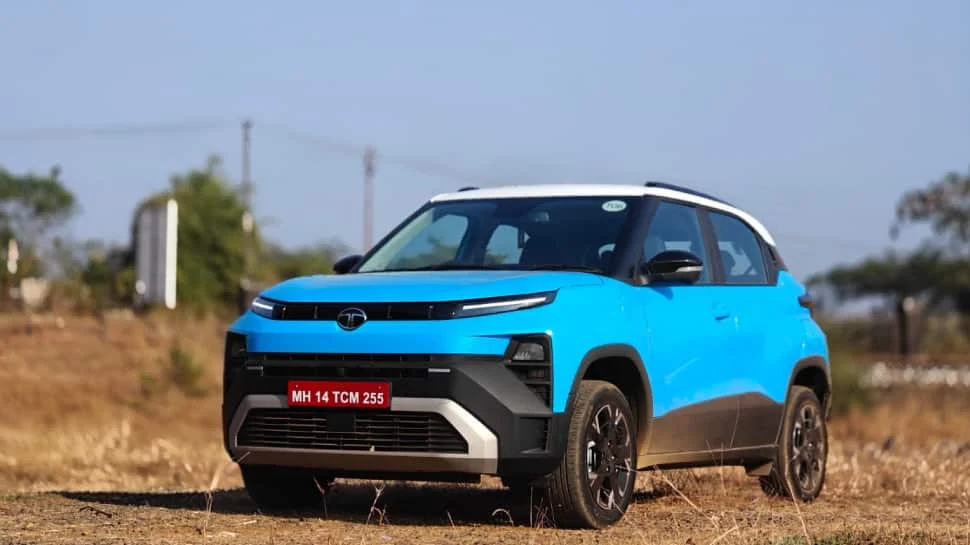
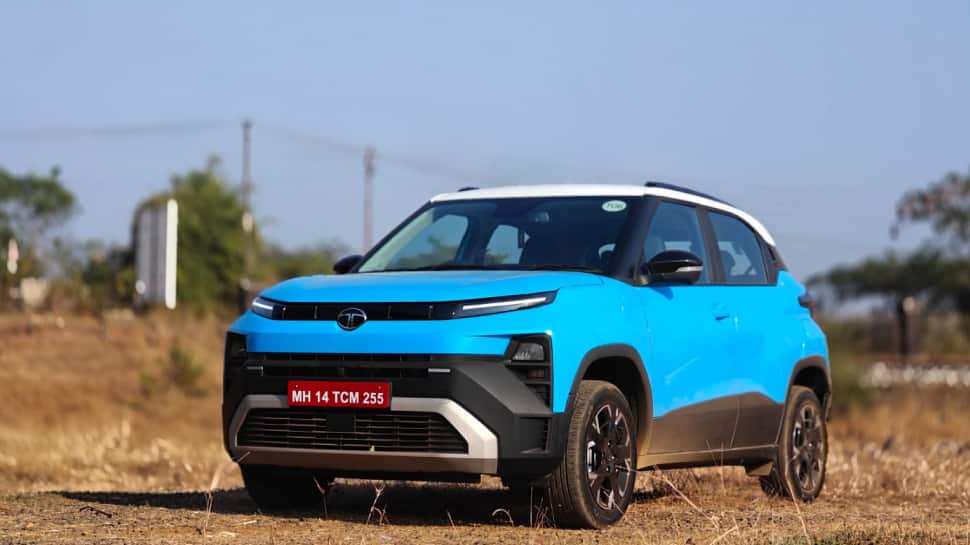
In the rapidly evolving landscape of the Indian automotive industry, few vehicles have managed to capture the public imagination quite like the Tata Punch. As of July 20, 2026, Tata Motors has officially announced that the Punch has crossed the monumental 8-lakh unit sales milestone. This achievement cements the model’s position as the second SUV in Tata’s portfolio to reach this figure, following the runaway success of the Nexon.
For a vehicle that pioneered the "micro-SUV" segment in India, this milestone is not merely a number; it is a clear indicator of a tectonic shift in consumer preference toward high-riding, feature-rich, and safety-conscious compact vehicles.
The Main Facts: Defining the Success of the Punch
The Tata Punch was designed to bridge the gap between premium hatchbacks and traditional sub-compact SUVs. Since its launch, it has maintained a consistent trajectory of growth. The 8-lakh milestone highlights that the Punch has become a staple for urban commuters and first-time car buyers alike.
The vehicle’s appeal lies in its "tough" DNA. With a 5-star Global NCAP safety rating (achieved at its debut), the Punch was the first car in its segment to prioritize occupant safety as a primary selling point. This strategic move resonated deeply with Indian families, effectively changing the narrative that "small cars cannot be safe."
Beyond safety, the Punch offers a commanding driving position, generous ground clearance, and a versatile cabin, making it an ideal choice for India’s challenging road conditions. Its success has forced the entire industry to rethink the entry-level vehicle segment, moving away from plain-vanilla hatchbacks toward vehicles that offer an "SUV experience."
Chronology of a Market Disruptor
To understand the trajectory of the Punch, one must look at the timeline of its evolution:
- October 2021: Tata Motors officially launches the Punch. It is unveiled as a "sub-compact SUV" built on the ALFA (Agile Light Flexible Advanced) architecture. The initial booking response is unprecedented, with waiting periods stretching into months.
- 2022: The Punch establishes itself as the fastest-growing SUV in the country. It consistently records monthly sales figures surpassing 10,000 units, a rare feat for a vehicle in this price bracket.
- 2023: Tata introduces the Punch CNG, featuring the innovative "twin-cylinder" technology. This move effectively solves the common pain point of luggage space in CNG vehicles, further expanding the Punch’s market share.
- 2024: The introduction of the Punch.ev marks a major technological leap. By offering an electric variant, Tata Motors ensures the Punch remains relevant in an era of electrification, capturing buyers looking for a city-centric EV.
- July 2026: The vehicle officially crosses the 8-lakh cumulative sales mark, proving its sustained relevance and durability in the market.
The Competitive Landscape: Who is the Punch fighting?
The success of the Tata Punch has turned the micro-SUV segment into the most fiercely contested battleground in the Indian auto market. While the Punch holds the crown, it faces intense pressure from several key rivals.
Direct Rivals: The Hyundai Exter and Citroën C3
The Hyundai Exter remains the Punch’s most significant direct competitor. With its feature-loaded cabin, six airbags as standard, and a refined engine, the Exter directly challenges the Punch’s dominance. The competition between these two has led to a "feature war," where both manufacturers constantly update their lineups with better infotainment systems and safety tech.
The Citroën C3 occupies a unique position. While it lacks some of the premium features found in the Punch, its ride quality and customization options appeal to a segment of buyers looking for a distinct aesthetic. However, the Punch’s superior brand service network and safety reputation have kept it ahead in sales.
The Value Contenders: Nissan Magnite and Renault Kiger
For the budget-conscious buyer, the Nissan Magnite and Renault Kiger represent significant value-for-money propositions. Although these are technically sub-compact SUVs (falling in the segment above the Punch), their aggressive pricing often lures potential Punch customers who are looking for a slightly larger footprint or more power, especially in the turbo-petrol variants. The Magnite’s recent updates have kept it relevant, but the Punch’s brand equity and safety credentials have maintained its market lead.
Supporting Data: Why the Punch Wins
Market analysis suggests that the Punch’s success is rooted in three pillars: Safety, Versatility, and Powertrain Diversity.
- Safety as a Premium Feature: Even before the government’s mandatory safety regulations were tightened, the Punch arrived with a 5-star rating. Data indicates that over 40% of Punch buyers cite safety as the primary reason for their purchase.
- Powertrain Options: The availability of petrol, CNG, and electric powertrains provides a "one-size-fits-all" solution. Whether a buyer is a city commuter looking for low running costs (CNG/EV) or a highway traveler needing a reliable petrol engine, the Punch has an offering.
- The "SUV Stance": Statistics show a 25% increase in preference for vehicles with higher ground clearance over the last five years. The Punch delivers this without the cumbersome size of a full-sized SUV, making it the perfect "city-SUV."
Official Responses and Strategic Implications
In a statement regarding the milestone, a spokesperson for Tata Motors noted: "Crossing the 8-lakh mark with the Punch is a testament to the trust our customers place in our brand. The Punch was conceptualized to redefine the entry-level SUV space, and its sustained popularity is a vindication of our focus on safety, design, and performance."
Implications for the Industry
The success of the Punch has several far-reaching implications for the Indian automobile sector:
- The End of the Traditional Hatchback: With the Punch eating into the market share of premium hatchbacks, manufacturers are now hesitant to invest in new low-riding hatchbacks. The future of entry-level mobility in India is undoubtedly the SUV silhouette.
- Emphasis on "Tech-First" Vehicles: The Punch proved that entry-level buyers are willing to pay a premium for features like connected car tech, touchscreens, and automatic climate control. This has pushed the entire industry to upgrade the base trims of their vehicles.
- The EV Transition: The Punch.ev has shown that the mass-market transition to electric mobility will happen through familiar form factors. By electrifying a best-seller, Tata has managed to bring more people into the EV fold than a standalone electric model ever could.
Conclusion: The Road Ahead
As the Tata Punch moves toward its next million units, the challenge will be to maintain its edge against a younger, hungrier competition. With rumors of mid-life facelifts and further integration of Advanced Driver Assistance Systems (ADAS) in the pipeline, the Punch is unlikely to slow down.
The 8-lakh milestone is more than just a sales figure; it is the story of how an Indian manufacturer listened to its customers, prioritized safety, and delivered a product that resonates with the aspirations of a modernizing India. The micro-SUV segment is here to stay, and for now, the Tata Punch remains its undisputed champion.
About the Author: Lakshya Rana brings over a decade of experience in automotive and technology journalism. He leads the mobility desk at Zee News, focusing on delivering deep-dive insights to help consumers make informed purchasing decisions.