The 2025 B2B Social Media Playbook: Strategies for an Era of Authenticity and AI
The B2B marketing landscape is undergoing a profound transformation. Gone are the days when dry, corporate white papers and static social posts were enough to capture a buyer’s attention. As we head into 2025, the boundary between B2B and B2C strategies is blurring, giving way to an era where human connection, rapid video engagement, and AI-driven precision are the primary currencies of growth.
According to the latest Netline B2B Content Consumption Report, there is a clear, undeniable shift: decision-makers are no longer looking for cold, institutional data. They are demanding content that is authentic, relatable, and deeply personalized. For B2B brands, adapting to this shift is no longer a matter of preference—it is a competitive necessity.
The Core Shift: From Corporate to Human
The most significant trend defining 2025 is the pivot toward radical authenticity. B2B brands are shedding their "faceless corporation" personas in favor of human-centric storytelling. By highlighting the people behind the products—sharing their challenges, values, and triumphs—companies are building emotional resonance with their audience.
This is not merely an aesthetic choice; it is a psychological one. Potential clients are more likely to partner with organizations that demonstrate empathy and transparency. Whether it is a behind-the-scenes look at a product development team or a candid discussion regarding an industry-wide challenge, brands that lean into vulnerability are successfully differentiating themselves in an increasingly crowded digital marketplace.
Video Dominance: The Duality of Short-Form and Long-Form
Video content has cemented its position as the king of digital engagement, but the strategy for 2025 requires a bifurcated approach. Marketers must master both the "snackable" nature of short-form content and the "deep-dive" authority of long-form video.
Short-Form: The Engagement Accelerator
Platforms like TikTok and Instagram have fundamentally changed how information is consumed. With 72% of B2B marketers reporting success in lead generation through short-form video, these platforms are now essential top-of-funnel tools. Short-form video is best utilized for:

- Quick Tips and Hacks: Providing immediate value that solves a minor pain point.
- Company Culture Showcases: Humanizing the brand to attract both talent and clients.
- Teasers for Larger Assets: Driving traffic to webinars or white papers through high-energy, concise previews.
Long-Form: The Trust Builder
While short-form grabs attention, long-form content—such as webinars, deep-dive YouTube interviews, and product masterclasses—builds lasting authority. Industry leaders like Salesforce and HubSpot have set the standard here, utilizing long-form content to provide comprehensive case studies and thought leadership that potential buyers use to justify their purchase decisions.
Establishing Authority: The Thought Leadership Imperative
In the complex world of B2B sales, trust is the primary barrier to entry. Thought leadership serves as the bridge between curiosity and conversion. By leveraging platforms like LinkedIn, executives and subject matter experts are transforming their personal brands into pillars of industry wisdom.
Effective thought leadership in 2025 does not mean recycling industry news. It means offering a unique, contrarian, or highly informed perspective on where the market is headed. When an organization’s leadership shares insights on future trends, they are not just providing information; they are signaling that their company is at the vanguard of innovation. This approach provides a significant SEO boost and creates a "halo effect" around the brand, making it the go-to source for industry intelligence.
The B2B Influencer Revolution
For years, influencer marketing was viewed as the exclusive domain of B2C fashion and lifestyle brands. That era has ended. B2B influencer marketing is now a cornerstone of modern lead generation. By partnering with industry experts, consultants, and niche content creators, B2B brands can bypass the skepticism that often meets branded messaging.
A prime example is the "On the Fly" series by Oracle. By collaborating with 30 key B2B influencers to create video content, Oracle was able to tap into existing, loyal communities, driving significant traffic to their website. These partnerships provide immediate credibility, allowing brands to enter specialized conversations they might otherwise struggle to access.
AI Integration: Efficiency at Scale
AI is no longer an experimental toy; it is the engine of 2025’s marketing operations. From automating the repurposing of content to predictive analytics, AI is allowing small teams to operate with the capacity of large agencies.
Key Applications of AI in 2025:
- Content Personalization: Using AI to tailor messaging based on the specific intent and role of the visitor.
- Predictive Scheduling: Utilizing algorithms to determine exactly when a target audience is most likely to engage with content across different time zones.
- Trend Identification: Scraping vast amounts of social data to identify rising topics before they become saturated, allowing brands to become "first movers" in their content strategy.
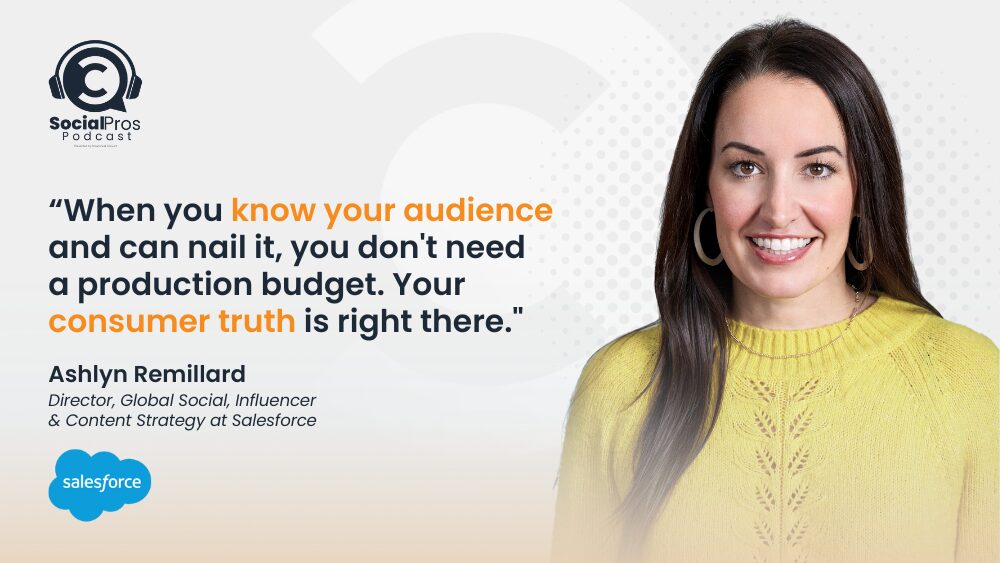
As Zontee Hou emphasized in the 5 Steps to AI Readiness webinar, the goal of AI is not to replace the human element, but to liberate it. By automating the technical heavy lifting, marketers are freed to focus on high-level strategy and creative storytelling.
The "Pain Point" Strategy: Solving, Not Selling
Perhaps the most effective way to cut through the noise in 2025 is to focus relentlessly on the customer’s pain points. Every piece of content should answer a specific question or resolve a specific friction point for the prospect.
By mapping content to the customer journey—from the awareness of a problem to the consideration of a solution—brands can position themselves as partners rather than vendors. Effective content that addresses pain points includes:
- Comparison Guides: Objective breakdowns of "Us vs. Them" that focus on fit rather than just features.
- Problem-Agitation-Solution (PAS) Posts: High-engagement social content that validates the user’s struggle.
- Client Success Narratives: Not just testimonials, but deep-dives into how a client went from a state of frustration to success using the product.
Implications for the Future
As we look toward the remainder of 2025, the message is clear: B2B buyers are human beings who prioritize efficiency, authenticity, and expertise. The brands that win will be those that stop treating social media as a billboard and start treating it as a conversation.
The integration of short-form video for discovery, long-form for education, and AI for operational efficiency creates a powerful flywheel for growth. However, none of these tools are effective without a foundation of genuine value. The most successful B2B marketers of 2025 will be those who balance the cutting-edge capabilities of technology with the timeless, essential human ability to empathize with the customer’s struggle and provide a clear path forward.
For teams looking to refine their approach, the mandate is to audit current strategies against these evolving expectations. Is your content human? Is it solving actual problems? Are you leveraging influencers and experts to amplify your voice? If not, the time to adjust is now. The market is moving, and the brands that adapt will be the ones that define the industry for years to come.